
Published: Friday, November 6, 2026 · 8:40 AM | Updated: Friday, November 6, 2026 · 8:40 AM
📊 14 views




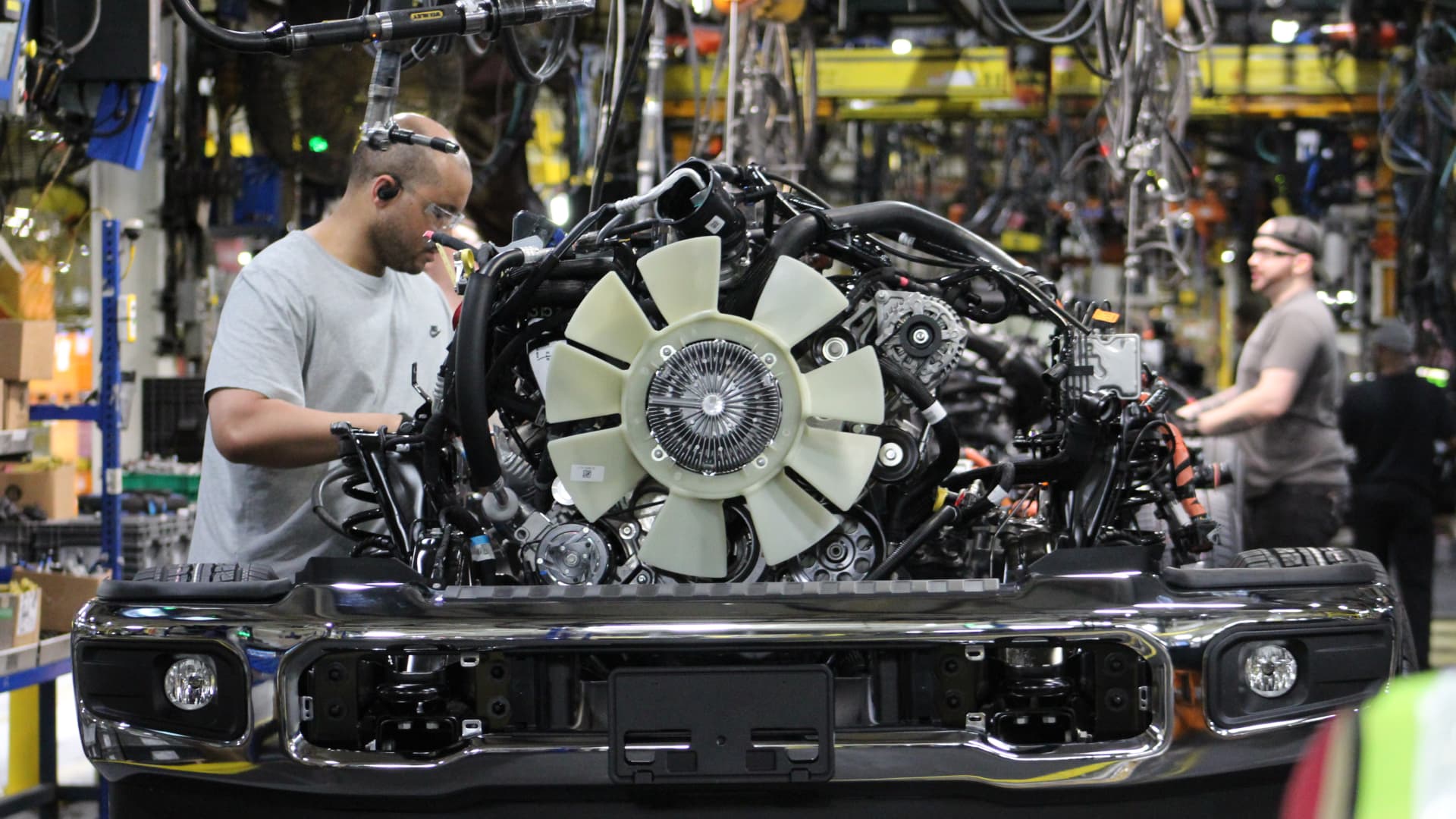
The global automotive industry is bracing for a turbulent 2027, with legacy automakers facing significant headwinds that threaten profit margins and growth prospects. Rising operational costs, a tightening consumer market, and fierce competition from Chinese manufacturers are converging to create a challenging environment for established players.
🗝️ Corporate Strategy Insights
- Margin Compression Risks. Escalating inflation, supply chain complexities, and increased investment in advanced technologies like DRAM chips are eroding profitability across the industry.
- Shifting Competitive Landscape. The aggressive entry of Chinese carmakers and a recalibrated approach to EV investments are forcing traditional auto giants to rethink product pipelines and regional strategies.
- Consumer Affordability Constraints. High average vehicle transaction prices coupled with rising interest rates are pushing many consumers out of the new car market, limiting pricing power for manufacturers.
Concerns are mounting that the global automotive sector may be in for a period of stagnation, if not decline, leading into 2027. Despite a decade of surprising resilience, the industry now confronts a complex array of challenges including rising input costs, softening vehicle pricing, and a more constrained market. Barclays analyst Dan Levy observed, “With investor focus increasingly shifting to 2027, the setup appears challenging,” pointing to inflation, Chinese market pressure, U.S. affordability concerns, and a flat global production outlook suggesting limited earnings growth.
Major players like Ford and General Motors are already adjusting expectations. Ford anticipates 2027 results to largely align with 2026, while GM has grown more cautious about its previous growth projections. GM CFO Paul Jacobson specifically highlighted potential inflationary headwinds, including commodity costs, logistics, and dynamic random-access memory (DRAM) chips, forecasting an additional $2 billion impact in 2027. These chips are critical components, integral to everything from vehicle infotainment to essential safety systems.
European counterparts are facing similar pressures. Volkswagen, Mercedes-Benz, and BMW have all recently scaled back their 2026 earnings forecasts, citing impacts from U.S. tariffs, the burgeoning influence of Chinese automakers, and escalating production expenses. BMW, for instance, indicated that accelerated restructuring measures would reduce its automotive pretax earnings margin this year by 2.5 percentage points, though these efforts are intended to bolster margins to 3% to 5% by 2028. Stellantis, with substantial operations in both Europe and the U.S., is navigating its own restructuring aiming for a low-single-digit adjusted operating margin this year.
In Asia, Hyundai Motor revised its 2026 wholesales target down to 4 million vehicles from 4.16 million and cut its operating-margin target from a previous 6.3%-7.3% to 5.5%-6.5%. An exception in this trend is Toyota Motor, which recently raised its full-year operating income forecast by approximately $3.2 billion. This boost primarily stems from the weakness of the Japanese yen and robust demand for its hybrid vehicles in the U.S. market, marking its first operating income increase in six quarters.
The broader industry trend reflects a slowdown in global light-vehicle production. GlobalData projects about 90.96 million units in 2026, a 2.1% decrease from last year, with less than 1% growth anticipated for 2027. This follows a period of strong annual expansion earlier in the decade, largely driven by China. As consumers grapple with escalating costs, financing new vehicles has become a significant hurdle.
- Ford’s Outlook: Expects 2027 performance to be consistent with 2026.
- GM’s Caution: Anticipates a potential $2 billion headwind in 2027 from inflation in commodities, logistics, and DRAM chips.
- European Adjustments: VW, Mercedes-Benz, and BMW cut 2026 forecasts due to tariffs, Chinese competition, and rising costs.
- Hyundai’s Revisions: Lowered 2026 wholesales and operating margin targets.
Cox Automotive reported that the average transaction price for a new U.S. vehicle hit over $50,500 in September 2026, near its record high. This has resulted in record-long financing deals and monthly payments, pricing some consumers out of the market. RBC Capital Markets analyst Tom Narayan noted the limits of sustained pricing power: “There’s only so much pricing you can push to consumers. They’re already at pretty high pricing.”
Strategic Ripple Effect of Market Headwinds
The converging headwinds spell a critical period for legacy automakers, creating a ripple effect across the sector.
- Rising Input Costs → Operational Efficiency Drive → Profitability Pressures: Increased commodity prices, logistics expenses, and critical component costs necessitate aggressive operational efficiencies to maintain even current profit levels. Failure to adapt rapidly will lead to continued margin erosion and reduced capital for future innovation.
- Intensified Chinese Competition → Market Share Erosion & Innovation Race: The robust growth of Chinese carmakers, particularly in EV segments, puts immense pressure on established players in key markets like Europe and Asia. This forces a re-evaluation of product pipelines and accelerates the need for differentiated offerings and faster innovation to prevent significant market share losses.
- Consumer Affordability Crisis → Demand Stagnation & Product Mix Shifts: Elevated vehicle prices and financing costs deter new car purchases, leading to a flatter demand curve. Automakers may lean more heavily on higher-margin models to offset volume declines, but this strategy has its limits as consumer purchasing power remains strained. This also impacts dealer inventories and long-term sales projections, demanding more flexible manufacturing and corporate growth strategies.
The prevailing narrative for legacy automakers shifting into 2027 is one of strategic defense, prioritizing cost optimization and targeted market adjustments over aggressive growth, reflecting a sober re-evaluation of previous optimistic projections.
Key Financial Indicators & Projections:
- GM’s 2027 Headwind: Approximately $2 billion in additional inflationary costs projected for commodities, logistics, and DRAM chips.
- BMW’s Margin Reduction: Accelerated restructuring to reduce 2027 automotive pretax earnings margin by 2.5 percentage points. Aiming for 3-5% by 2028, down from 5.3% in 2025.
- Hyundai’s Revised Targets: 2026 wholesales target cut from 4.16 million to 4 million vehicles; operating margin target lowered from 6.3%-7.3% to 5.5%-6.5%.
- Toyota’s Income Boost: Increased full-year operating income forecast by 500 billion Japanese yen (approx. $3.2 billion).
- Global Production Outlook (GlobalData): 90.96 million light-duty vehicles in 2026 (down 2.1% from prior year), with less than 1% growth forecast for 2027.
General Motors’ Operational Imperatives
General Motors is at a pivotal juncture, needing to balance its ambitious EV transition with the immediate pressures of inflation and a softening market for traditional internal combustion engine (ICE) vehicles. CEO Mary Barra’s cautious optimism for 2027, contingent on strong demand and moderating costs, underscores the tightrope walk. The projected $2 billion headwind from commodity and chip costs highlights the critical need for enhanced supply chain resilience and aggressive cost-cutting initiatives. GM’s strategy must now pivot sharply towards maximizing efficiency within existing production frameworks while selectively investing in future technologies that offer clearer, nearer-term returns, rather than broad, costly EV expansions. This requires meticulous capital allocation decisions and a sustained focus on higher-margin segments to buffer against market volatility and intense competition, including insights into educational insights.
BMW’s Strategic Realignment in a Tight Market
BMW’s decision to accelerate restructuring measures, though impacting its near-term earnings margin, signals a proactive approach to a tougher operating environment. The reduction of its 2027 automotive pretax earnings margin by 2.5 percentage points for restructuring indicates a commitment to long-term profitability over immediate gains. This realignment likely involves streamlining production processes, optimizing its supply chain, and making strategic choices regarding its product portfolio, especially in the face of rising U.S. tariffs and Chinese competitive pressures. The goal to achieve a 3% to 5% pretax profit margin by 2028 suggests a focus on sustainable operational efficiency and a more agile response to market shifts, reinforcing its position in global financial markets.
Legacy Automakers: Navigating 2027’s Growth Paradox
The road ahead for legacy automakers is paved with challenges, demanding a fundamental re-evaluation of corporate strategies and capital allocation. While the industry has shown resilience, the confluence of rising costs, escalating competition, and constrained consumer affordability suggests a protracted period of moderated growth and intense pressure on profit margins through 2027.
- Companies must intensify efforts on operational efficiencies and cost control to counteract inflationary pressures.
- Strategic re-calibration of product portfolios, especially regarding EV investment timelines and hybrid vehicle offerings, is paramount.
- Navigating global trade tensions and the rise of new market entrants, particularly from China, will define competitive success.
Can established automotive giants successfully transform their operating models to thrive in this dramatically shifting landscape, or will market pressures force a more radical industry consolidation?
📊 StockXpo Analyst’s View
Market Impact: This cautious outlook for legacy automakers suggests potential downside pressure on their equity valuations, as investors will scrutinize forward guidance and operational execution more closely. A flat global production forecast combined with rising input costs points to sustained margin compression, which could lead to multiple contractions unless companies demonstrate clear paths to efficiency gains or innovative market penetration. The divergent performance, with Toyota’s hybrid success contrasted with others’ struggles, signals a key differentiator impacting investor sentiment and the broader stock markets.
Sector To Watch: The automotive supply chain, particularly for critical components like DRAM and raw materials, will experience continued volatility. Furthermore, the battery technology and charging infrastructure sectors remain pivotal; however, their growth trajectory might be more measured than previously anticipated as automakers refine their EV strategies. Companies adept at providing cost-effective, high-efficiency solutions in these areas, or those benefiting from a pivot back to hybrid technologies, could find new opportunities amidst the broader industry headwinds. The shift also highlights the increasing importance of efficient logistics in major business developments.
Financial Disclaimer:
StockXpo.com is a financial news aggregator and educational portal, not a registered investment advisor or broker-dealer. All information, news, and analysis provided herein are strictly for educational purposes and do not constitute investment, financial, legal, or tax advice. Investing in the stock market involves high risks, and past performance is not indicative of future results. StockXpo will not be liable for any financial losses or investment damages. Always consult a certified financial advisor before making market decisions.
MORE IN INSIDE BUSINESS

Physical Gifts Spending Dominates Holiday Budgets Amid Economic Headwinds
Published: Thursday, November 5, 2026 · 6:48 AM

McDonald’s Earnings: U.S. Business Falters Amid Broader Economic Concerns
Published: Wednesday, November 4, 2026 · 12:34 AM


