Published: Thursday, September 24, 2026 · 8:14 AM | Updated: Thursday, September 24, 2026 · 8:14 AM
📊 896 views




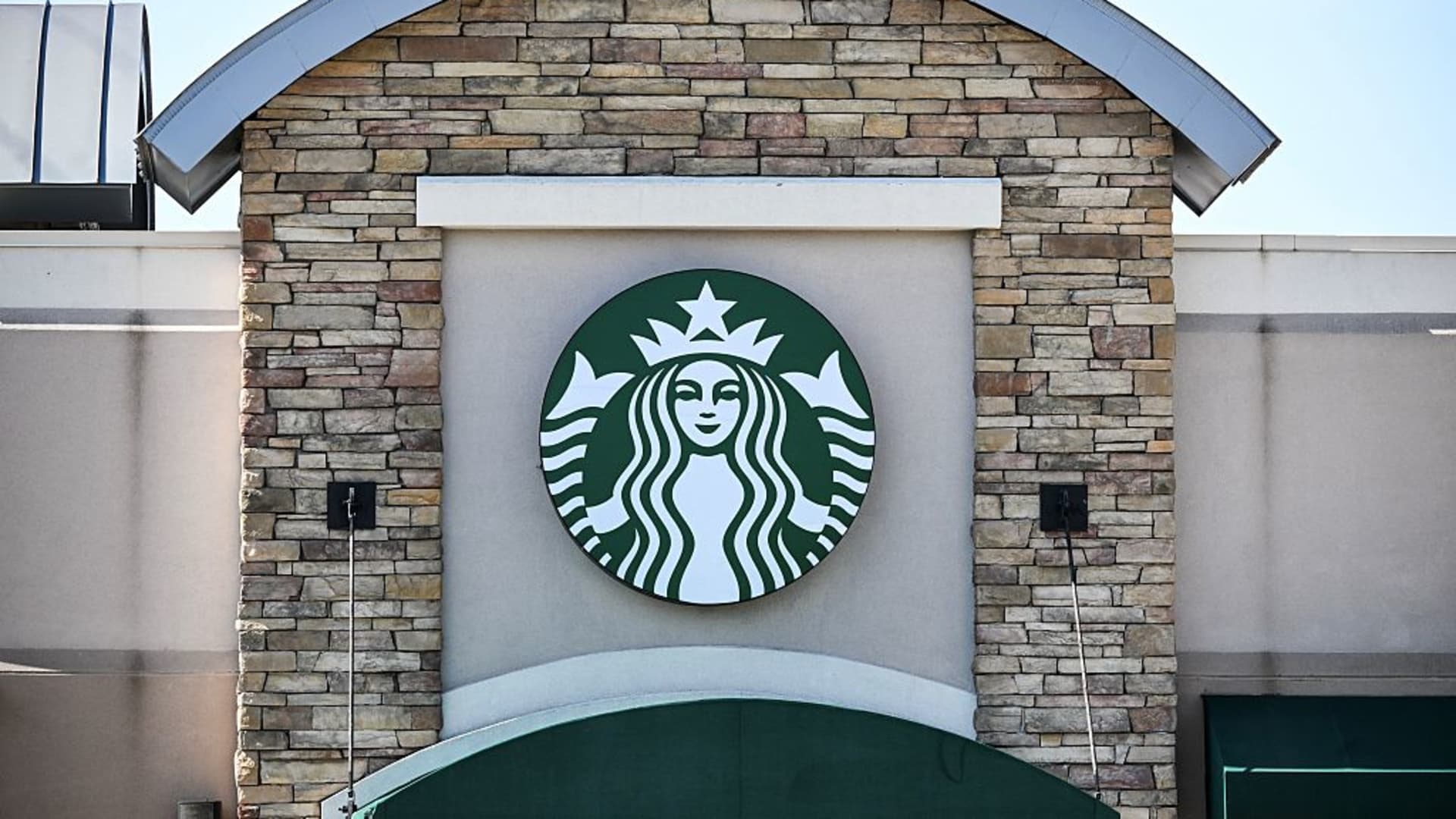
Starbucks is embarking on a significant store rationalization, announcing plans to close approximately 250 underperforming cafes across North America. This move signals a pivotal moment for the coffee giant as it navigates a challenging retail landscape and aims to refocus on core strengths and customer experience. The decision comes as the company seeks to optimize its vast footprint and address financial performance inconsistencies.
🗝️ Corporate Strategy Insights
- Portfolio Optimization. Starbucks is actively culling approximately 1% of its North American stores to eliminate locations with poor financial outlooks or inconsistent customer experiences.
- Revised Growth Outlook. The company has lowered its net new cafe openings projection for fiscal 2026 to 440 from a previous range of 600-650, with new expansion now primarily focused on international markets.
- Restructuring Costs. Starbucks anticipates incurring substantial restructuring charges, estimated at $300 million, to cover lease exits, employee separation benefits, and asset impairments.
Starbucks’ Strategic Realignment in North America
Under the leadership of CEO Brian Niccol, Starbucks is undertaking its second wave of North American cafe closures during his two-year tenure. This latest round, impacting about 250 of its over 18,000 locations, is a direct response to a detailed review of its coffeehouse portfolio. The company has identified sites where it believes it cannot consistently deliver the desired customer and partner experience or achieve acceptable financial returns. Mike Grams, Starbucks’ chief operating officer, communicated this decision to employees, emphasizing a commitment to enhancing both customer and partner satisfaction.
The impact on future expansion is significant. Starbucks now forecasts net new openings of 440 cafes globally for fiscal 2026, a downward revision from its prior guidance of 600 to 650. This adjusted outlook reflects a strategic pivot, with new development efforts being concentrated in its international markets, where growth opportunities are deemed more robust. Despite these closures, the company maintains a positive long-term outlook for North America, highlighting an active development pipeline for future coffeehouses.
- The closures are expected to be largely completed before the end of Starbucks’ fiscal year 2026.
- Total restructuring charges are estimated at $300 million, bifurcated into $200 million for lease and employee costs and $100 million in non-cash asset impairment charges.
- This initiative is part of a broader turnaround strategy aimed at revitalizing the U.S. business through enhanced in-person customer engagement.
Impact on Market Dynamics and Competitors
The decision by Starbucks to close a portion of its stores is a clear indicator of a maturing market and the intense competition within the quick-service restaurant and coffee sector. Competitors such as Dunkin’ and McDonald’s McCafé will likely monitor these moves closely, potentially identifying opportunities to capture market share in underserved areas or attract disgruntled customers. Starbucks’ focus on operational efficiency and experience enhancement could serve as a benchmark for others navigating similar market pressures. The company’s ability to execute this restructuring while simultaneously planning for international expansion will be critical to its ongoing market leadership.
The strategic rationalization of its North American footprint underscores Starbucks’ commitment to financial discipline and a more targeted approach to growth, prioritizing profitable locations over sheer store count.
Financial Indicators Under Review
The restructuring charges highlight the financial implications of this strategic adjustment:
- $300 million: Total estimated restructuring charges. This figure encompasses costs related to lease terminations and employee severance, as well as non-cash charges for asset disposals and impairments. Investors will closely watch how these charges impact near-term profitability.
Starbucks’ Capital Allocation Strategy
Starbucks’ decision to shutter underperforming locations and revise its growth targets reflects a critical re-evaluation of its capital allocation. Instead of pursuing broad-based expansion, the company appears to be prioritizing investments in more profitable ventures and potentially returning capital to shareholders or focusing on debt reduction. This move suggests a shift towards efficiency and return on investment, a hallmark of mature companies seeking sustainable growth rather than aggressive market penetration. The reallocation of resources, particularly from underperforming U.S. stores to international markets, indicates a strategic bet on global demand for its brand.
Starbucks’ Competitive Advantages Under Scrutiny
While Starbucks has long benefited from its strong brand recognition and extensive store network, these closures suggest that scale alone is not a guarantee of success. The company’s ability to maintain its competitive edge will depend on its capacity to innovate in product offerings, enhance the digital customer experience, and foster strong relationships with its partners. The focus on improving in-person interactions indicates a recognition that the customer experience remains a core differentiator. However, the financial performance of its remaining stores will be the ultimate test of its enduring competitive advantages in an increasingly dynamic market.
Navigating the Evolving Coffee Landscape
Starbucks’ latest restructuring signals a strategic pivot in response to shifting consumer preferences and intensified competition. The company’s ability to streamline operations and focus on high-potential markets is crucial for maintaining its market leadership. This move is likely to influence how other major players in the food and beverage industry approach their own portfolio management and expansion strategies.
- Starbucks is trimming its North American presence to enhance financial performance and customer experience.
- Future growth is now more heavily weighted towards international markets.
- Significant restructuring costs are anticipated, impacting near-term financials.
Will Starbucks’ strategic pruning ultimately reinforce its global brand strength and profitability?
### 📊 StockXpo Analyst’s View
Market Impact: This news introduces a degree of uncertainty for investors, as significant restructuring charges can temporarily depress earnings. However, it also signals a positive move towards greater operational efficiency and a focus on profitable growth, which should be viewed favorably by the market long-term. It may also create opportunities for smaller, nimbler competitors to gain market share.
Sector To Watch: The broader quick-service restaurant and coffee shop sector will be closely watching Starbucks’ execution. Companies focused on optimizing their store footprints and enhancing in-store experiences, such as those prioritizing technology integration and personalized service, are likely to gain investor favor. We should also look at the supply chain and logistics companies that support these large retail operations.
Company strategy shifts of this magnitude often lead to increased volatility in related stocks and may influence broader investment patterns in the consumer discretionary sector. We anticipate continued investor scrutiny on revenue per store and same-store sales growth as key performance indicators.
Financial Disclaimer:
StockXpo.com is a financial news aggregator and educational portal, not a registered investment advisor or broker-dealer. All information, news, and analysis provided herein are strictly for educational purposes and do not constitute investment, financial, legal, or tax advice. Investing in the stock market involves high risks, and past performance is not indicative of future results. StockXpo will not be liable for any financial losses or investment damages. Always consult a certified financial advisor before making market decisions.
MORE IN INSIDE BUSINESS

Fuel Economy Targets: A Multi-Billion Dollar Boost for Automakers
Published: Thursday, October 15, 2026 · 9:58 AM

Bank of America Earnings: Navigating Q3 Amidst $1.2 Billion Penalty
Published: Wednesday, October 14, 2026 · 6:17 AM