Published: Saturday, September 5, 2026 · 8:19 AM | Updated: Saturday, September 5, 2026 · 8:19 AM
📊 198 views





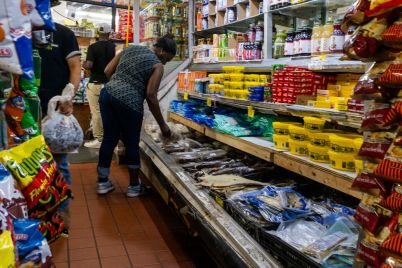
In an era defined by persistent inflationary pressures, the global travel industry is witnessing a significant shift in consumer behavior, particularly among budget travelers. Despite rising costs for essentials like fuel and airfare, the propensity to explore remains robust, compelling individuals to embrace more economical and innovative vacation strategies.
📊 Macro-Economic Strategic Insights
- Consumer Resilience Drives Value Segment Demand. Despite widespread inflationary concerns, consumer spending on travel, particularly from lower-income cohorts, has shown remarkable resilience, fueling growth in budget-oriented travel offerings.
- Travel Shifts from Luxury to Perceived Necessity. The ‘revenge travel’ trend post-pandemic is evolving into a sustained demand, with travel increasingly viewed as a fundamental part of lifestyle, even prompting financial adjustments elsewhere to accommodate it.
- Travel Providers Innovate with Cost-Effective Options. Companies like Groupon, Hostelworld, and Carnival are successfully capturing market share by offering creative, affordable packages and experiences, adapting to changing consumer purchasing power.
The economic landscape of 2026 has been marked by surging travel costs, notably a 30% annual increase in gas prices and a more than 25% year-over-year jump in airline fares as of July, according to the Bureau of Labor Statistics and AAA. These escalating expenses, compounded by broader inflationary trends, might suggest a retraction in discretionary travel spending. However, data indicates a counter-intuitive surge in demand from budget travelers, who are creatively adapting to maintain their pursuit of leisure and exploration.
PNC card data reveals that lower-income clients, defined as those earning under $36,675 annually, spent more monthly on travel earlier this year than at any point since 2019, with spending in July rising 7% from a year prior. This robust activity highlights a pronounced shift towards value-centric travel solutions. Platforms like Groupon have seen a dramatic five-fold increase in ‘mystery vacation’ orders, with approximately 5,500 packages sold in Q2 2026 alone. These deals, often offering significant discounts on combined accommodation and airfare with undisclosed destinations, appeal directly to consumers seeking maximum value and an element of surprise.
Simultaneously, the broader travel ecosystem is witnessing a bifurcated recovery often termed the ‘K-shaped economy.’ While premium offerings from airlines like Delta and Southwest, and luxury hotel developments continue to cater to higher earners, the value segment is undeniably thriving. Hostelworld, a prominent booking platform for hostels and low-cost accommodations, reported a 10% increase in transactions from U.S. and Canadian consumers in the first half of 2026. Similarly, Carnival Corp., a budget-friendly cruise operator, has observed stronger demand for 2026 and beyond, with its finance chief David Bernstein noting the company’s ‘recession-resilient’ nature, partly due to its accessible departure ports that reduce the need for expensive air travel.
This sustained demand for affordable getaways suggests that for many, travel has transcended its traditional classification as a luxury. As Tarik Dogru, an associate professor at Florida State University’s hospitality school, posited, the post-pandemic ‘revenge travel’ phenomenon has matured into a new normal, making travel ‘not a luxury anymore,’ but rather a ‘necessity.’ This sentiment is reflected in consumer behavior, where individuals may cut costs elsewhere, such as housing, to prioritize experiences. Expedia’s data corroborates this, showing searches using budget filters climbing over 1,200% year-over-year, while Vrbo reported a 16% rise in last-minute bookings within two weeks, signaling a heightened hunt for deals among consumers navigating current economic realities. Such strategic adjustments in consumer spending habits underscore the dynamic evolution of the global tourism landscape, driving companies to innovate within the value segment to capture this resilient demand. For those looking to understand broader economic policy shifts, consulting comprehensive analysis on macro trends can provide further context.
The ripple effect of sustained inflationary pressures and resilient consumer demand can be observed across several interconnected economic nodes:
Persistent Inflation → Increased Cost of Travel (Fuel, Airfare) → Consumer Shift to Value Travel Options → Boost in Demand for Budget-Friendly Providers (e.g., Groupon, Hostels, Cruises) → Innovation in Cost-Saving Travel Packages → Reallocation of Discretionary Spending (Travel Prioritized over other non-essentials) → Potential Mitigation of Overall Inflationary Impact as Consumers Seek Discounts → Sustained Economic Activity in Tourism Sector.
The phenomenon of the ‘K-shaped economy’ describes an uneven economic recovery where certain segments of the economy and population recover quickly, while others lag behind. In the context of travel, this means higher earners continue to fuel luxury markets, while lower and middle-income consumers, despite facing financial instability, are finding resourceful ways to participate in the travel market by opting for value-driven experiences. This dynamic creates both challenges and opportunities across the hospitality sector.
Key Travel & Consumer Spending Metrics (2025-2026)
Several metrics highlight the shift in consumer behavior and market response to rising travel costs:
| Metric | Period/Observation | Significance |
|---|---|---|
| Lower-income Travel Spending Growth | +7% year-over-year in July (PNC Data) | Indicates resilience and prioritization of travel across income brackets despite financial strain. |
| Groupon Mystery Vacation Orders | 5,500 orders in Q2 2026 (+5x since Q1 2025) | Demonstrates strong demand for highly discounted, flexible travel products. |
| Hostelworld U.S./Canada Transactions | +10% in H1 2026 year-over-year | Highlights increasing adoption of ultra-budget accommodation options. |
| Expedia Budget Filter Searches | +1,200% compared to 12 months ago | Shows active consumer pursuit of cost-saving travel solutions. |
These figures collectively underscore a strategic shift in how consumers approach travel expenditures in an inflationary environment, prioritizing value and flexibility.
Consumer Spending Amidst Inflationary Headwinds
The persistence of high inflation, particularly in sectors like energy and transportation, has not dampened the overall desire for leisure travel, but it has undeniably altered spending patterns. Consumers are demonstrating a clear preference for transparency in pricing and a willingness to compromise on destination or luxury amenities in exchange for affordability. This behavior is a direct response to squeezed household budgets, where every dollar allocated to discretionary spending must deliver maximum perceived value. The increased reliance on platforms offering bundled deals or discounted rates, such as those highlighted by a recent Reuters report on consumer trends and insights from market intelligence firms, indicates a sophisticated, price-sensitive consumer base that is actively seeking out ways to maintain lifestyle activities without overextending financially. This trend is crucial for businesses aiming to sustain growth in a challenging economic climate.
Global Tourism’s Adaptability: Benchmarking Against Economic Cycles
Global tourism has historically shown remarkable resilience through various economic cycles, adapting to downturns by shifting towards domestic travel, shorter trips, or more budget-conscious options. The current environment, however, presents a unique challenge: simultaneous high demand and high costs. The industry’s response, characterized by innovation in value propositions from major players like Carnival, Groupon, and Hostelworld, serves as a benchmark for adaptability. These companies are effectively demonstrating how to capture sustained travel desire by focusing on core value rather than purely premium experiences. This strategic pivot ensures the sector’s macro-stability by diversifying its offerings and appealing to a broader economic spectrum of travelers. For investors interested in broader market movements and investment analysis, exploring stock markets offers insightful perspectives.
Budget Travelers’ Resilience: Charting the Path Forward
The enduring drive of budget travelers to explore, despite significant economic headwinds, signals a profound redefinition of travel’s role in modern life. As inflationary pressures persist, the industry’s ability to innovate with cost-effective, value-driven experiences will be paramount for sustained growth and macro-stability.
- Travel demand from lower and middle-income segments remains robust, challenging traditional notions of discretionary spending.
- The shift towards value-oriented travel solutions is a long-term trend, necessitating continuous innovation from travel providers.
- Consumer sentiment, while acknowledging rising costs, does not deter spending on prioritized experiences like vacations.
How will the global travel industry continue to evolve its offerings to meet the needs of these adaptable budget travelers?
📊 StockXpo Analyst’s View
Market Impact: This resilience in budget travel spending, even amidst inflation, signals a healthy underlying consumer desire for experiences over goods. While discretionary income is strained, consumers are reallocating funds to maintain travel. This suggests a floor on demand for the broader tourism sector and could insulate companies catering to this segment from deeper economic downturns, offering stability to related equities. Exploring additional educational insights can further inform investment decisions.
Sector To Watch: The value travel sector, encompassing budget airlines, hostel platforms, cruise lines, and deal aggregators like Groupon, is poised for continued growth. Companies that can efficiently deliver cost-effective and flexible travel solutions will likely outperform. Investors should monitor booking trends, pricing strategies, and loyalty programs within this segment, as competitive intensity will rise to capture these resilient budget travelers. The strategic focus on accessible ports and bundled packages demonstrates a clear path to sustained profitability.
Financial Disclaimer:
StockXpo.com is a financial news aggregator and educational portal, not a registered investment advisor or broker-dealer. All information, news, and analysis provided herein are strictly for educational purposes and do not constitute investment, financial, legal, or tax advice. Investing in the stock market involves high risks, and past performance is not indicative of future results. StockXpo will not be liable for any financial losses or investment damages. Always consult a certified financial advisor before making market decisions.
MORE IN INSIDE ECONOMY
Trump Economic Approval Plummets: A Warning for Macro Stability
Published: Thursday, October 22, 2026 · 9:12 AM
UK Inflation Jumps to 3.5%: Cementing Rate Hike Expectations
Published: Wednesday, October 21, 2026 · 2:51 AM