Published: Tuesday, September 1, 2026 · 9:00 AM | Updated: Tuesday, September 1, 2026 · 9:00 AM
📊 139 views




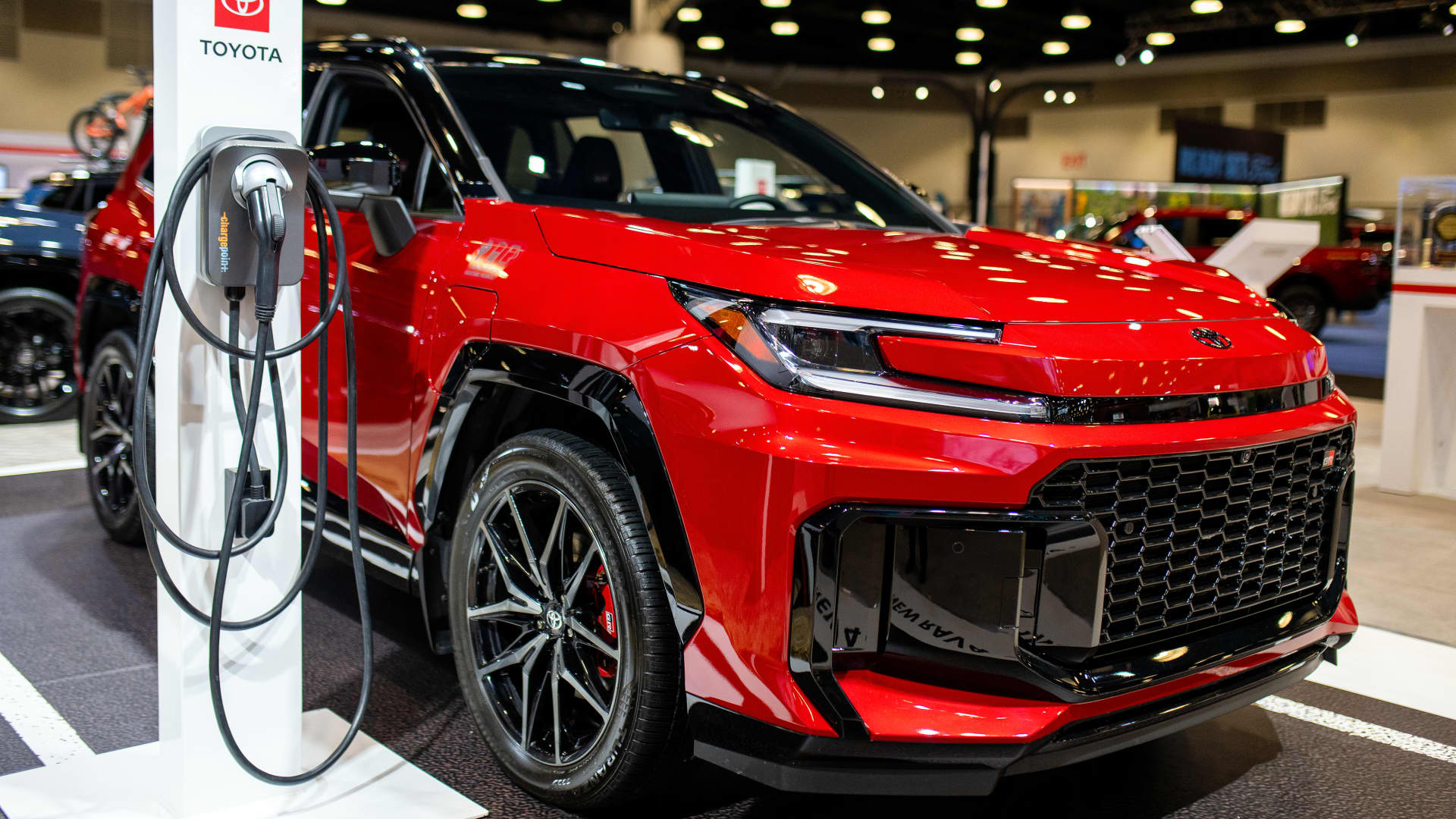
Toyota Motor Corporation is currently grappling with a unique strategic challenge: overwhelming demand for its RAV4 hybrid models, far outpacing available supply at dealerships. This scenario highlights Toyota’s successful pivot towards hybrid technology and its ability to capture market share amid shifting consumer preferences.
🗝️ Corporate Strategy Insights
- Hybrid Focus Validation. Toyota’s long-standing commitment to hybrid powertrains is paying off, demonstrating strong consumer appetite for fuel-efficient vehicles, especially as gas prices remain elevated.
- Controlled Supply Dynamics. The deliberate strategy to limit initial production and then steadily increase it for the all-hybrid RAV4 lineup creates scarcity, reinforcing product desirability and potentially allowing for sustained pricing power.
- Fortified Brand Loyalty. Despite extended wait times, customer loyalty remains high, indicating Toyota’s brand strength can withstand temporary supply constraints and even foster greater anticipation.
Toyota is experiencing an unusual dilemma for an automaker: a significant gap between the soaring consumer interest for its new RAV4 hybrid and the inventory available to dealers. This has resulted in dealerships, like Colonial Toyota in Milford, Connecticut, having only a few days’ supply of the popular crossover utility vehicle. Jessica Caldwell, head of product insight at Edmunds, notes the rarity of cars flying off lots in the practical mid-size crossover segment, underscoring the extraordinary market pull for the RAV4.
In 2025, the RAV4 was a powerhouse, selling nearly 480,000 units in the U.S. and securing its position as the country’s third best-selling model, trailing only the dominant Ford F-150 and Chevrolet Silverado pickup trucks, according to Cox Automotive. The subsequent announcement of an all-hybrid RAV4 lineup, coupled with a phased production ramp-up, signaled a calculated move by Toyota to manage market expectations while transitioning its popular model.
Customer patience, exemplified by Nancy and Ira Berman of Danbury, Connecticut, who faced a six-month wait for their ordered RAV4, highlights the deep brand affinity. This willingness to endure delays suggests that Toyota’s reputation for reliability and value overrides the inconvenience of limited availability. The broader market trend supports Toyota’s hybrid pivot; J.D. Power data for 2026 shows hybrids now account for over 18% of U.S. vehicle sales, significantly outpacing pure electric vehicles at 7%, though still behind internal combustion engines at 75%.
While the immediate concern might be potential lost sales due to supply shortages, Toyota’s U.S. sales remained up 0.3% through July 2026. This resilience, as Caldwell observes, is partly due to the depth of Toyota’s lineup and its strong brand loyalty, allowing consumers to consider other Toyota models if their preferred RAV4 hybrid is unavailable. This situation creates a unique market dynamic:
- Sustained Demand and Pricing Power: The scarcity of the RAV4 hybrid maintains its allure and allows Toyota to command strong pricing, benefiting profit margins.
- Reinforced Hybrid Leadership: Toyota solidifies its position as a leader in hybrid technology, differentiating itself from rivals focusing solely on battery electric vehicles.
- Dealer Network Strain: While good for demand, prolonged low inventory can strain dealer relationships and operational efficiency, requiring careful management of expectations and allocations.
The Strategic Ripple Effect of Hybrid Scarcity
The strategic decision to transition the RAV4 to an exclusive hybrid offering, combined with controlled initial production, initiates a significant ripple effect across the automotive landscape. This product launch directly leads to elevated consumer demand and dealer inventory shortages, which, in turn, bolsters Toyota’s brand perception as an innovative leader in sustainable, practical mobility. The perceived scarcity and premium demand for the RAV4 hybrid effectively market the vehicle, pulling customers who might otherwise consider pure EVs or traditional ICE vehicles from competitors like Honda’s CR-V Hybrid or Hyundai’s Tucson Hybrid. This strategy reinforces Toyota’s long-term competitive moat in hybrid technology, strengthening its market share and validating its ‘multi-pathway’ electrification approach over a singular EV focus.
Toyota’s deliberate pacing of RAV4 hybrid production is a masterclass in demand management, transforming supply constraints into a powerful marketing tool that reinforces brand value and solidifies its leadership in the critical hybrid segment.
Hybrid Market Indicators in 2026
Toyota’s strategic focus on hybrids aligns with broader market shifts, demonstrating prescient capital allocation decisions. The following metrics illustrate the growing importance of the hybrid segment:
- U.S. Hybrid Sales Share: Over 18% of vehicles sold in the U.S. were hybrids, up from previous years, indicating strong consumer adoption due to fuel efficiency and range.
- U.S. EV Sales Share: Pure electric vehicles accounted for 7% of U.S. sales, highlighting the slower adoption rate compared to hybrids and justifying Toyota’s balanced approach.
- Toyota U.S. Sales Growth (YTD July 2026): Up 0.3%, demonstrating overall resilience despite specific model shortages, indicating effective portfolio management.
These indicators are crucial because they validate Toyota’s investment in hybrid technology as a primary growth driver, reflecting consumer pragmatism amidst fluctuating energy prices and evolving charging infrastructure.
Toyota Motor Competitive Advantages: Fueling Market Leadership
Toyota Motor’s enduring success stems from several core competitive advantages, which are particularly evident in the current RAV4 hybrid scenario. Foremost is its proven reliability and quality, a bedrock principle that has cultivated immense brand loyalty globally. This translates into consumers’ willingness to wait for their desired Toyota models, even amidst supply chain challenges. Secondly, Toyota’s deep expertise in hybrid powertrains, developed over decades, provides a significant technological edge. This allows them to offer efficient and refined hybrid options that resonate with a broad consumer base, unlike many competitors who are newer to large-scale hybrid integration. Finally, Toyota’s robust manufacturing capabilities and efficient supply chain, despite recent global disruptions, allow for consistent, high-volume production once ramped up, ensuring they can eventually meet demand for popular models like the RAV4 hybrid and sustain their business news position.
Toyota Motor Strategic Analysis: Beyond the Hybrid Hype
Beyond the immediate success of the RAV4 hybrid, Toyota’s broader strategic analysis reveals a nuanced approach to future mobility. The company’s ‘multi-pathway’ strategy emphasizes offering diverse powertrain options—including hybrids, plug-in hybrids, fuel cells, and battery EVs—rather than an exclusive focus on full electrification. This approach mitigates risk associated with nascent EV infrastructure and fluctuating raw material costs, while catering to varying global market demands and consumer readiness. This balanced portfolio, underpinned by continuous investment in research and development across all technologies, positions Toyota to adapt swiftly to regulatory changes and technological advancements. It’s a pragmatic, long-term play that ensures resilience and adaptability in a rapidly evolving automotive industry, providing stability for global markets and investors seeking robust corporate growth.
Unpacking Toyota’s RAV4 Hybrid Momentum
The overwhelming demand for Toyota’s RAV4 hybrid underscores a significant validation of the automaker’s long-term strategic bet on diversified powertrains. While facing immediate supply challenges, this scenario ultimately reinforces Toyota’s market leadership in the hybrid segment and its robust brand loyalty. The careful management of production and supply is currently turning scarcity into a desirable commodity, setting the stage for future growth.
- Toyota’s hybrid strategy is demonstrating strong operational efficiency and market relevance, particularly as consumers prioritize fuel economy.
- The company’s ability to maintain overall sales growth despite model-specific shortages highlights the strength and depth of its entire product lineup.
- Future production increases for the RAV4 hybrid are expected to further solidify Toyota’s market share and profitability within the crucial crossover segment.
How will Toyota leverage this sustained demand to expand its hybrid dominance and navigate the accelerating shift towards diverse electric vehicle solutions?
### 📊 StockXpo Analyst’s View
Market Impact: This news suggests a positive outlook for Toyota (TM), reinforcing investor confidence in its hybrid strategy amidst a complex automotive transition. The strong demand for the RAV4 hybrid, even with supply constraints, indicates pricing power and healthy margins, likely supporting the stock’s valuation. It also highlights a potential shift in broader market sentiment towards practical, fuel-efficient hybrids as a viable alternative to pure EVs in the near to medium term.
Sector To Watch: The hybrid vehicle segment within the automotive industry is clearly gaining momentum, making it a key sector to watch. Companies with robust hybrid offerings and proven manufacturing capabilities, particularly those with diversified powertrain strategies like Toyota, are poised to benefit. Suppliers of hybrid components, battery technology for HEVs, and fuel-efficient engine technologies may also see increased demand.
Financial Disclaimer:
StockXpo.com is a financial news aggregator and educational portal, not a registered investment advisor or broker-dealer. All information, news, and analysis provided herein are strictly for educational purposes and do not constitute investment, financial, legal, or tax advice. Investing in the stock market involves high risks, and past performance is not indicative of future results. StockXpo will not be liable for any financial losses or investment damages. Always consult a certified financial advisor before making market decisions.
MORE IN INSIDE BUSINESS
Assortment Trimming: Retailers Redefine Growth Through Operational Efficiency
Published: Saturday, October 10, 2026 · 8:31 AM
Saudi Arabia Flight Decision: Delta Weighs Safety Amid Regional Tensions
Published: Friday, October 9, 2026 · 7:21 AM