Published: Sunday, August 30, 2026 · 9:32 AM | Updated: Sunday, August 30, 2026 · 9:32 AM
📊 87 views




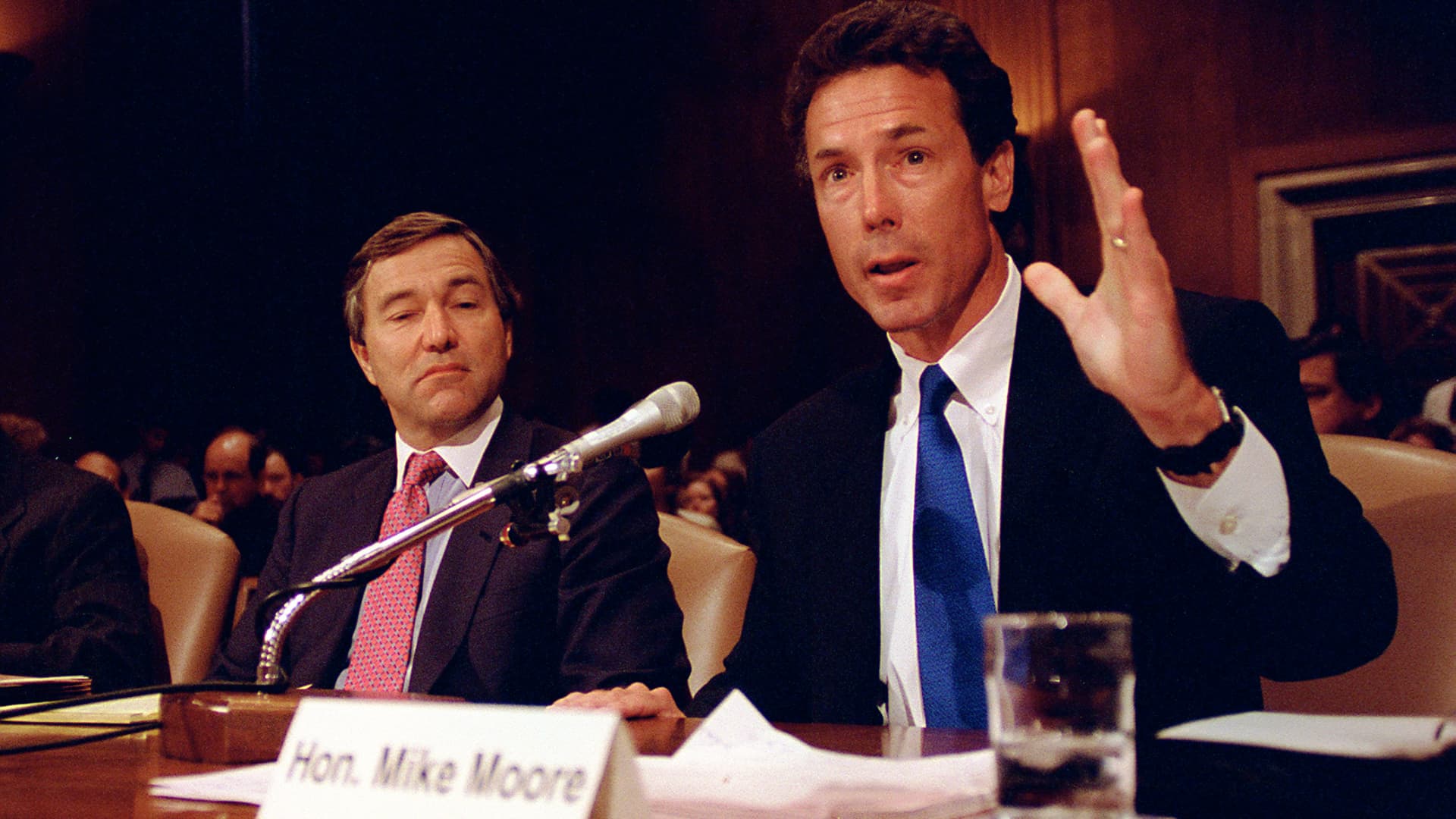
The digital landscape is witnessing an unprecedented push for social media regulation, marked by a recent $17 billion settlement involving Meta Platforms Inc. This landmark agreement against claims of fostering addiction and harming youth signals a significant shift in how tech giants operate, drawing stark parallels to the historic battle against Big Tobacco.
🚀 Tech Strategy & Market Disruptions
- Meta’s Landmark Settlement. A $17 billion agreement with state Attorneys General for misrepresenting child mental health impact, setting a new precedent for industry accountability.
- Tobacco Playbook Adaptability. Mike Moore, architect of the 1998 tobacco settlement, is applying similar strategies to social media, advocating for national public education funds and usage limits.
- Evolving Regulatory Challenges. Unlike static products, social media platforms are dynamic and AI-driven, making comprehensive regulation and a single “master settlement” significantly more complex than previous industry battles.
Mike Moore, the former Mississippi attorney general instrumental in the $246 billion tobacco master settlement of 1998, is now leveraging his experience to confront technology giants like Meta, TikTok, and Google’s YouTube. Moore, through the newly formed nonprofit Attention Initiative, is advising state attorneys general (AGs) on crafting a potential sweeping settlement with the social media industry, which faces accusations of knowingly fostering addiction and harming young users.
Meta recently agreed to a nearly $17 billion settlement with a coalition of state AGs, addressing allegations of misrepresenting the extent of child mental health damage from platforms like Facebook and Instagram. This represents the largest resolution in a growing wave of litigation against social media companies, though experts note numerous cases remain open. The settlement imposes significant changes on Meta, including daily usage limits and nighttime blocks for teenagers, enhanced age assurance measures, and new parental tools. An independent auditor will monitor compliance for five years. California AG Rob Bonta, a co-leader in the federal trial preceding the Meta agreement, views this settlement as “a floor conceptually, not a ceiling,” signaling continued pressure on the industry.
However, the applicability of the “tobacco playbook” to the digital realm presents unique challenges. Critics, such as Jonathan Caulkins, a public policy professor at Carnegie Mellon University, argue that consumer technology is inherently different from a static product like tobacco. The lines between beneficial innovation and harmful addiction are constantly shifting, particularly with the rapid advancements in AI and evolving platform features. Caulkins expressed skepticism that a singular settlement could resolve all health-related concerns given this dynamic landscape. Yet, Moore maintains the importance of developing robust settlement language, advocating for a permanent national public education fund to mitigate youth addiction and harms, ideally implemented on a national scale to avoid fragmented, less effective state-by-state efforts. This underscores a critical divergence from past litigation: the need for adaptable, future-proof regulatory frameworks as technology rapidly advances, as detailed by global technology news from Bloomberg.
The current legal actions against major tech platforms represent a significant disruption flow: alleged platform design flaws (addictive features, inadequate age verification) → heightened scrutiny from state and federal regulators → landmark settlements (Meta’s $17B) → forced platform modifications (usage limits, parental controls) → potential for industry-wide shifts in platform development and content moderation, ultimately aiming to reshape user experience and platform responsibility.
As CTOs, we must recognize that regulatory pressure, especially in areas concerning user safety and data integrity, is now a primary driver of platform architecture and feature development. The focus is shifting from pure engagement metrics to responsible innovation, necessitating a re-evaluation of ethical AI deployment and proactive compliance with evolving digital ethics. This isn’t just legal; it’s a fundamental shift in core product strategy and competitive differentiation.
While precise technical metrics for user harm are difficult to quantify across various platforms, Meta’s recent settlement terms provide concrete operational shifts that illustrate the regulatory impact:
- Daily usage limits for teenage users, enforcing digital wellness.
- Mandatory “nighttime blocks” for adolescent app usage, restricting late-hour engagement.
- Enhanced age assurance measures to prevent underage access, requiring robust identity verification tech.
- Development of additional tools for parents and guardians, empowering oversight.
- Appointment of an independent auditor for five years to monitor compliance, ensuring accountability.
Meta Platform Architecture Evolution
In response to mounting legal and ethical pressures, Meta’s platform architecture is poised for significant evolution. The settlement mandates like “nighttime blocks” and “enhanced age assurance” are not merely UI tweaks; they require fundamental changes to backend systems, data pipelines, and AI algorithms responsible for content delivery and user authentication. Implementing these features at scale across diverse global user bases while maintaining performance and user experience is a substantial engineering challenge. This necessitates a shift towards a more privacy-by-design and safety-by-design approach, embedding protective measures from the initial stages of product development rather than as reactive patches. CTOs across the industry will be closely watching how Meta integrates these changes without compromising its foundational engagement models or its ambition in the metaverse, a complex task impacting broader technology market trends.
Social Media Market Adoption Challenges
Beyond regulatory compliance, the evolving landscape of social media presents significant market adoption challenges, especially among younger demographics. While bans and parental controls are being debated globally, evidence suggests users, particularly teenagers, are finding ways around restrictions, such as using VPNs as seen in Australia. This indicates that punitive measures alone may not be sufficient. The core challenge for platforms like TikTok, Google’s YouTube, and Snap is to innovate responsibly – developing engaging features that prioritize well-being without stifling creativity or community. The very incentives that drove hyper-growth are now under scrutiny, forcing a re-evaluation of monetization strategies and user acquisition. The success of future platforms will increasingly hinge on their ability to transparently address safety concerns and build trust, a critical factor for navigating emerging technologies and maintaining long-term user loyalty.
Navigating the Future of Social Media Regulation
The recent $17 billion Meta settlement signals a critical inflection point for the entire social media industry, echoing historical battles against powerful sectors. While the complexities of regulating dynamic digital platforms present unique challenges compared to past industries, the groundwork is being laid for enhanced accountability and user protection.
- The push for national public education funds underscores a growing demand for proactive prevention rather than just reactive remedies.
- Mandated changes like age assurance and usage limits will fundamentally alter how platforms are designed and how users, especially youth, interact with them.
- The ongoing litigation wave, including cases against TikTok and Snap, suggests a broader industry reckoning is inevitable, compelling all players to adapt.
Will this evolving regulatory environment force an industry-wide pivot towards truly ethical AI and user-centric design, or will the tech giants continue to navigate a reactive compliance cycle?
📊 StockXpo Analyst’s View
Market Impact: The Meta settlement, while substantial, indicates a new cost of doing business for Big Tech, potentially impacting profitability margins as compliance costs and mandated feature development escalate. Investor sentiment may become increasingly sensitive to regulatory risks and ESG factors, favoring companies demonstrating proactive ethical governance. The litigation overhang could weigh on valuations across the social media sector until broader, more definitive resolutions emerge.
Sector To Watch: The “attention economy” sector, particularly platforms reliant on maximum engagement, will face continued pressure. However, companies focusing on privacy-centric social solutions, educational tech insights, or tools designed for digital well-being and parental oversight could see increased demand and investor interest, representing a paradigm shift in competitive advantage within the digital sphere. Keep an eye on firms offering robust identity verification solutions and AI ethics platforms for new opportunities, as discussed in various educational tech insights and the latest updates on tech disruption.
Financial Disclaimer:
StockXpo.com is a financial news aggregator and educational portal, not a registered investment advisor or broker-dealer. All information, news, and analysis provided herein are strictly for educational purposes and do not constitute investment, financial, legal, or tax advice. Investing in the stock market involves high risks, and past performance is not indicative of future results. StockXpo will not be liable for any financial losses or investment damages. Always consult a certified financial advisor before making market decisions.
MORE IN INSIDE TECHNOLOGY

Bond Yields Under Pressure: IMF Warns of ‘Disorderly’ Spike Driven by AI Debt and Inflation
Published: Tuesday, October 13, 2026 · 1:21 AM

AI Breakthroughs: TikTok CEO Predicts Major Scientific Leap Within Three Years
Published: Monday, October 12, 2026 · 2:40 AM