Published: Wednesday, August 26, 2026 · 10:23 AM | Updated: Wednesday, August 26, 2026 · 10:23 AM
📊 105 views




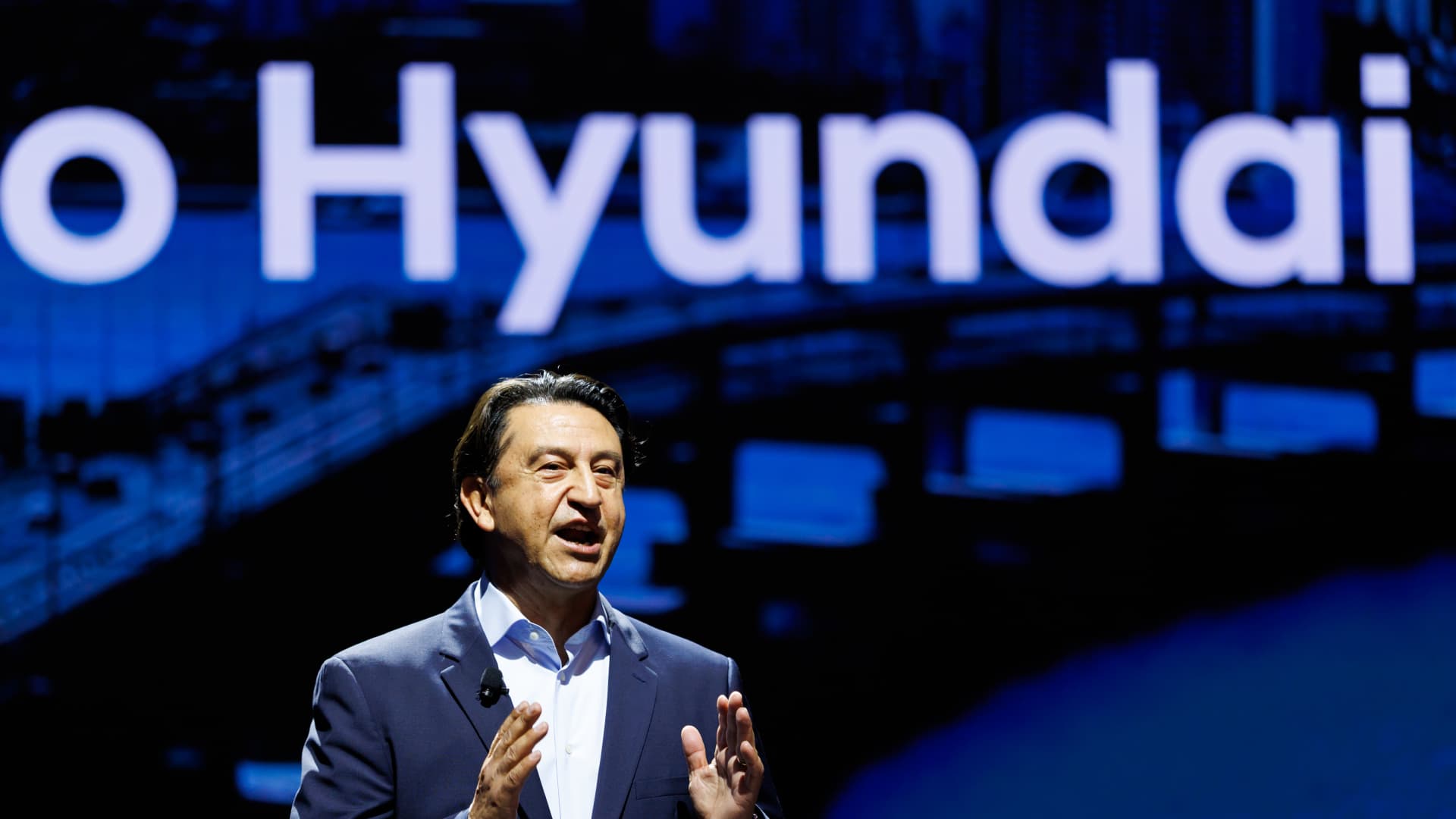
Hyundai Motor Group is asserting itself as an undisputed leader in the highly competitive U.S. automotive market, demonstrating remarkable Hyundai U.S. Growth that has eclipsed all major competitors this decade. Fuelled by an aggressive investment strategy and a commitment to localization, the South Korean automaker is strategically positioned to redefine its market standing and operational footprint.
🗝️ Corporate Strategy Insights
- U.S. Market Dominance. Hyundai Motor Group has significantly outgrown competitors, expanding U.S. market share from 8.4% in 2020 to 11.2% by 2023, and 11.8% by H1 2024, becoming the fourth best-selling automaker in the country.
- Massive Investment & Localization. A $26 billion U.S. investment through 2028, including the new Georgia Metaplant, aims to increase domestic production from roughly 40% to 80% of U.S. sales by the end of the decade, accelerated by potential tariffs.
- Portfolio Diversification & Value. Hyundai’s ‘mueos-ideun ganeunghada’ (‘anything is possible’) philosophy drives expansion from entry-level to luxury (Genesis) and new segments like pickup trucks and body-on-frame SUVs, focusing on offering superior value and features.
Under the leadership of CEO José Muñoz, the first non-Korean executive to helm the automaker, Hyundai Motor Group has made the U.S. market a paramount priority, citing ‘U-S-A’ as his top three focus areas. This strategic emphasis has translated into tangible results: the group, encompassing Hyundai, Kia, and Genesis brands, reported a staggering 50% sales growth in the U.S. since 2020. This propelled its U.S. market share from 8.4% in 2020 to 11.2% by the close of last year, reaching 11.8% through the first half of this year, according to data from Mobility Global. This trajectory significantly outpaces most major automakers, with only Tesla demonstrating remotely comparable percentage point gains in market share during the same period.
This robust performance in the world’s most competitive market has also strengthened Hyundai’s global standing, making it the third best-selling automaker worldwide and the second most profitable based on operating income. A cornerstone of this strategy is the new $7.6 billion Metaplant in Georgia, which is currently ramping up production of electric vehicles like the Hyundai Ioniq 5 and Ioniq 9, alongside the Kia Sportage hybrid. The company is exploring plans to expand the plant’s capacity from an initial 500,000 units to between 700,000 and 800,000 units by 2028.
Hyundai’s ‘Bold 2030 Vision’ outlines an ambitious plan to increase global sales by approximately 35% from last year to 5.55 million vehicles, targeting a 6% global market share for Hyundai and Genesis. This expansion is heavily reliant on a significant increase in U.S. domestic production, aiming for 80% of vehicles sold in the U.S. to be manufactured locally by the end of the decade, a substantial leap from roughly 40% in 2024. Muñoz acknowledged that potential tariffs, such as a 15% levy on autos from South Korea, have served to accelerate these localization plans.
- Strategic Product Launches: Hyundai and Genesis are planning over 100 vehicle launches and refreshes globally by 2030, with 58 specifically earmarked for North America, including a significant increase in electrified offerings and extended-range hybrids.
- New Market Entries: Kia is preparing to enter the highly lucrative U.S. pickup truck segment with models like the Tasman, and Hyundai is also considering its own midsize pickup and body-on-frame SUVs, expanding into ‘unexplored territory’ to capture additional market share.
- Brand Value Elevation: The transformation from a budget-focused brand in the 1980s to a ‘quality value play’ that consistently offers more features than expected for the price has been crucial. This strategy extends to the luxury Genesis brand, which has quickly become the fastest-selling luxury brand globally to reach 1 million sales, with flagship models like the GV90 pushing into the $100,000-plus segment.
The substantial investment in U.S. manufacturing directly translates to several strategic ripple effects across the industry and for the company’s competitive standing. Increased domestic production capacity at the Georgia Metaplant will enhance supply chain resilience, mitigate the impact of international trade tensions and potential tariffs, and reduce logistical costs. This move also enables Hyundai to better qualify for U.S. government incentives for locally manufactured electric vehicles, directly boosting its competitive advantage in the burgeoning EV market against rivals like Tesla and traditional automakers.
Furthermore, Hyundai’s aggressive diversification into the luxury segment with Genesis and its planned entry into the highly profitable pickup truck and body-on-frame SUV markets directly challenges entrenched players such as Ford, General Motors, Toyota, and premium European brands. This broader product portfolio expands Hyundai’s total addressable market, attracting new customer segments and placing significant pressure on competitors to innovate and maintain their value propositions. This sustained push for diversification and localization underpins Hyundai’s aspiration for enduring market leadership, reshaping market dynamics.
Hyundai’s aggressive localization, substantial capital allocation towards U.S. manufacturing, and strategic diversification across luxury, EV, and utility vehicle segments represent a potent, multi-faceted strategy designed not just for growth, but for sustained market leadership and a reinforced competitive moat in a volatile automotive landscape.
Key Performance Indicators: Hyundai Motor Group (U.S.)
| Metric | 2020 | 2023 | 2024 (H1) | Significance |
|---|---|---|---|---|
| U.S. Market Share | 8.4% | 11.2% | 11.8% | Demonstrates rapid market penetration and displacement of competitors. |
| U.S. Sales Growth (vs. 2020) | Base | +50% | N/A (continuing growth) | Indicates strong demand and effective sales strategies. |
| Georgia Metaplant Capacity (Target) | 0 | 0 | 500,000 (initial) | Underpins localization strategy; potential for 700k-800k by 2028. |
| U.S. Domestic Production Target | ~40% (2024) | N/A | 80% (by 2030) | Crucial for tariff mitigation and supply chain resilience. |
| Total U.S. Investment (Target) | N/A | N/A | $26 Billion (by 2028) | Reflects long-term commitment and strategic capital allocation. |
These metrics highlight Hyundai’s commitment to expanding its U.S. footprint and market influence, with significant capital allocation driving operational and strategic objectives.
Hyundai Motor Group’s Competitive Advantages
Hyundai Motor Group’s success in the U.S. market is not accidental but a result of several deeply embedded competitive advantages. Firstly, its integrated value chain, which includes ownership of steel plants and other key suppliers, provides a significant edge in cost control, quality assurance, and supply chain stability—a critical factor in an industry often plagued by material shortages. This vertical integration allows for greater operational efficiency and faster adaptation to market shifts, distinguishing it from many competitors reliant on external suppliers. This integrated approach, often overlooked by market observers focusing on corporate growth strategies, forms a robust foundation.
Secondly, Hyundai’s “mueos-ideun ganeunghada” philosophy fosters an agile and innovation-driven culture. This mindset has enabled rapid brand transformation, from an initial perception of being ‘cheap’ to a highly respected provider of ‘quality value.’ This adaptability is evident in its swift pivot to electrified vehicles and its bold entry into premium and utility segments, leveraging design and technological advancements to surprise and satisfy customers. This allows the company to rapidly respond to changing consumer preferences, particularly in key global financial markets.
Optimizing Operations: Hyundai’s Path to Efficiency
Operational efficiency is at the core of Hyundai’s current U.S. expansion. The substantial $26 billion investment, primarily directed towards advanced manufacturing facilities like the Georgia Metaplant, is designed to create highly optimized production hubs. These facilities are not merely assembly plants but advanced manufacturing ecosystems capable of producing a diverse range of vehicles, including EVs and hybrids, with high flexibility. The goal of producing 80% of U.S. sales domestically by 2030 underscores a strategic intent to minimize import complexities, reduce transportation costs, and streamline logistics, directly enhancing profitability.
Furthermore, the strategic decision to accelerate U.S. production in response to potential tariffs illustrates a proactive approach to macroeconomic and regulatory challenges. By localizing more of its manufacturing footprint, Hyundai insulates itself from future trade barriers, turning a potential threat into an accelerant for its long-term operational strategy. This focus on domestic production also positions the company favorably for government incentives aimed at promoting U.S.-made vehicles and electric mobility, contributing to its overall cost-effectiveness and market competitiveness. This forward-thinking approach provides critical insights on market trends and how companies navigate them.
Hyundai U.S. Growth Trajectory: Beyond 2030
Hyundai Motor Group’s aggressive investment and strategic diversification signal a clear intention to solidify its elevated position in the U.S. automotive market well beyond the current decade. The convergence of localized production, a broad product portfolio spanning entry-level to luxury, and a strong push into electrified and utility vehicles creates a formidable competitive force. This strategy aims not just for increased sales volumes but for sustained, profitable market share gains.
- Hyundai’s deep commitment to U.S. manufacturing will likely enhance its ability to navigate geopolitical trade complexities and supply chain disruptions.
- The expansion into new segments like pickup trucks and ultra-luxury EVs broadens its appeal and strengthens its competitive position against both legacy automakers and EV specialists.
- Continued focus on ‘quality value’ across all brands is expected to drive customer acquisition and loyalty, building a resilient market presence.
As Hyundai executes its ‘Bold 2030 Vision,’ can it maintain its impressive growth trajectory while balancing aggressive expansion with operational excellence and profitability in an increasingly saturated market?
📊 StockXpo Analyst’s View
Market Impact: Hyundai’s robust U.S. expansion and investment signals strong confidence in the American automotive market, potentially influencing investor sentiment positively towards its stock. This move could intensify competition across various segments, from mainstream sedans and SUVs to luxury EVs and pickup trucks, placing pressure on competitors to innovate or lose market share. The localization strategy also provides a hedge against trade protectionism, offering a degree of stability for global stock markets.
Sector To Watch: The automotive manufacturing sector, particularly in the U.S. Southeast, will see significant growth and job creation from Hyundai’s investments. Furthermore, suppliers to the EV battery and component ecosystem will benefit from the increased domestic production targets. Competitors in the luxury EV and truck segments, such as Tesla, Mercedes-Benz, Ford, and Toyota, should monitor Hyundai’s strategic moves closely, as they could face heightened competitive pressure for market share and talent, as often reported in business sector news.
Financial Disclaimer:
StockXpo.com is a financial news aggregator and educational portal, not a registered investment advisor or broker-dealer. All information, news, and analysis provided herein are strictly for educational purposes and do not constitute investment, financial, legal, or tax advice. Investing in the stock market involves high risks, and past performance is not indicative of future results. StockXpo will not be liable for any financial losses or investment damages. Always consult a certified financial advisor before making market decisions.
MORE IN INSIDE BUSINESS

Paramount WBD Takeover: A Strategic Success Reshaping Media
Published: Tuesday, October 6, 2026 · 7:35 AM
Airline Profits Challenge: Why Rising Airfare Won’t Boost Bottom Lines
Published: Monday, October 5, 2026 · 7:48 AM