
Published: Tuesday, August 25, 2026 · 4:11 AM | Updated: Tuesday, August 25, 2026 · 4:11 AM
📊 104 views




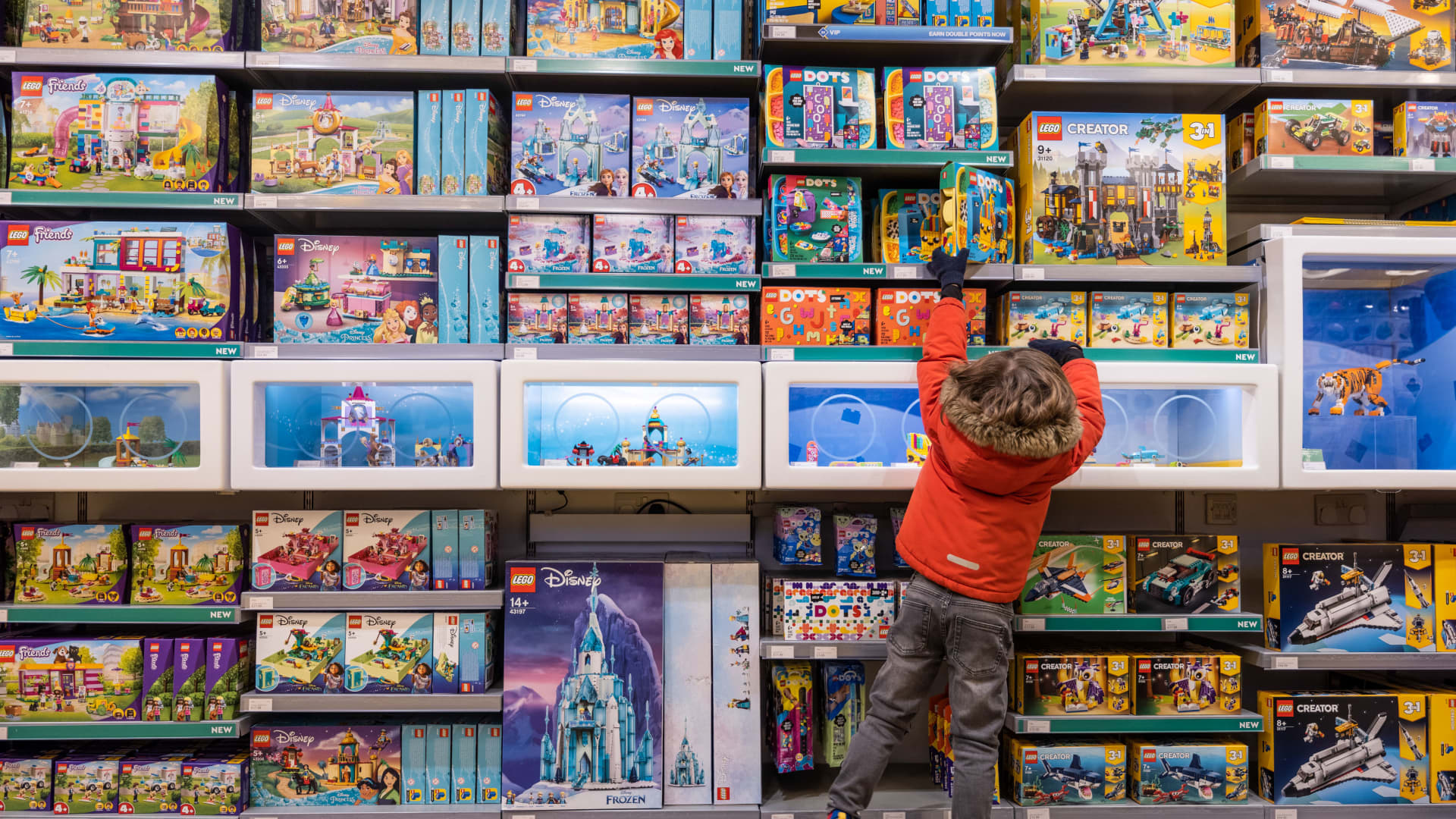
Lego has once again demonstrated formidable market resilience, reporting Lego record revenue for the first half, driven by a meticulously diversified product strategy. This performance underscores the enduring power of brand innovation and strategic pricing in a challenging global economy, setting a benchmark for the toy industry.
🗝️ Corporate Strategy Insights
- Diversified Product Portfolio. Launching 332 new sets, including Smart Play, Pokémon, F1, and FIFA partnerships, significantly expands market reach and engagement.
- Strategic Pricing Flexibility. Strong sales across both high-end (e.g., complex Star Wars sets) and value price points cater effectively to broad consumer demographics and economic realities.
- Digital Integration & New Demographics. Collaborations with Epic Games (Fortnite) and the success of botanical lines attract new adult and digital-native consumers, strengthening long-term brand loyalty.
Lego’s first-half revenue soared by 21%, reaching 41.9 billion Danish kroner, approximately $6.54 billion, alongside a 22% increase in operating profit to 10.9 billion Danish kroner, or roughly $1.7 billion, according to its biannual earnings report. This robust financial performance is a direct result of the company’s aggressive and adaptive market strategy, particularly in product expansion and deep market penetration.
CEO Niels Christiansen noted the critical success of diverse offerings, from intricate botanical bouquets appealing to adults to high-octane Formula 1 race car sets. These new product lines, totaling a record 332 new sets launched in the first six months, have been instrumental in attracting new consumers who previously felt unrepresented by the brand. The company’s continued production of legacy sets alongside these innovations ensures a broad appeal across generations of builders.
Further bolstering its market position, Lego introduced its Smart Play platform, integrating sensors that react to movement, sound, and light, enhancing the physical play experience. Strategic partnerships with major brands like Pokémon, F1, and FIFA have broadened the brand’s appeal, while digital collaborations, such as bringing Lego into the digital space with Epic Games’ Fortnite elements into the physical world, are crucial for engaging younger, digitally-native audiences.
- Key Growth Drivers: New partnerships like Pokémon and F1, digital forays with Epic Games (Fortnite), and the innovative Smart Play platform have significantly expanded Lego’s customer base beyond traditional child demographics, successfully drawing in adults and diverse gender groups.
The company’s astute pricing strategy also plays a pivotal role. For instance, Star Wars fans can choose between a $30 kid-friendly N-1 Starfighter set and a more complex, nearly 2,000-piece set retailing for $250. This flexibility ensures that Lego products are accessible across various income levels, a crucial advantage, especially amidst macroeconomic uncertainties, as noted by Christiansen who reported strong sales at both ends of the pricing spectrum. This approach fosters a wider demographic reach, from kids to adults and across genders, ensuring sustained growth, as highlighted by a recent business insights report.
The Strategic Ripple Effect of Lego’s Bold Moves
Lego’s multi-pronged strategy—encompassing continuous product diversification, digital integration, and flexible pricing—creates a significant ripple effect across the toy and entertainment industries. The company’s success in attracting a wider demographic, particularly adults and digital natives, sets a challenging benchmark for competitors. Rivals must now accelerate their own innovation cycles and re-evaluate their product portfolios to match Lego’s expansive appeal and pricing flexibility, or risk ceding substantial market share. This proactive expansion into new categories and digital realms pressures traditional toy manufacturers to adapt swiftly, potentially accelerating mergers and acquisitions or driving niche specialization within the sector. The success of Lego’s high-end collectible sets also signals a burgeoning market for adult-focused play, a trend that other brands are likely to pursue.
“Lego’s ability to simultaneously innovate with digital enhancements, diversify partnerships, and maintain a flexible pricing structure establishes a robust competitive moat, proving that timeless brands can evolve to capture contemporary market demands.”
Verifiable metrics highlight Lego’s dominant performance:
| Metric | H1 Performance (202X) | YoY Growth | Significance |
|---|---|---|---|
| Revenue | 41.9 billion DKK ($6.54 billion) | 21% | Indicates strong market demand and effective product monetization. |
| Operating Profit | 10.9 billion DKK ($1.7 billion) | 22% | Reflects operational efficiency and healthy profit margins despite expansion. |
| New Sets Launched | 332 | Record High | Demonstrates aggressive innovation and portfolio refreshment. |
Lego’s Unpacking Competitive Advantages in the Toy Industry
Lego’s sustained growth is not accidental; it stems from deeply embedded competitive advantages. Foremost is its unparalleled brand equity, cultivated over decades, which transcends generational divides. This brand strength allows Lego to command premium pricing for its collectible sets while simultaneously expanding into value segments without diluting its core appeal. Furthermore, its global supply chain and manufacturing efficiencies enable it to launch hundreds of new products biannually, far outperforming many competitors. The company’s strategic licensing and partnership acumen, seen with intellectual properties like Star Wars, Harry Potter, and now Pokémon and F1, provides exclusive content that competitors cannot easily replicate. These partnerships also serve as powerful gateways for new consumers, reinforcing corporate growth trajectories. The integration of digital play, like the Smart Play platform and the Epic Games collaboration, further enhances the tactile experience, creating a hybrid play model that is difficult for purely physical or digital toy companies to emulate. These factors combine to form a significant barrier to entry for aspiring competitors.
Lego Strategic Analysis: Building Brand Loyalty Brick by Brick
A deeper look at Lego’s strategy reveals a masterclass in brand loyalty. The company doesn’t just sell toys; it sells a system of creative play that is inherently extensible and collectible. This “system of play” fosters long-term engagement, as consumers build collections and integrate new sets with older ones. The deliberate cultivation of fan communities, both online and offline, through events and user-generated content, transforms customers into advocates. This grassroots loyalty is supported by consistent product quality and a commitment to innovation that keeps the brand fresh without abandoning its core identity. The strategic decision to offer varied price points, from affordable entry-level sets to elaborate collector’s items, ensures that consumers can continue engaging with the brand throughout their lives, effectively “growing up” with Lego. This continuous engagement is a testament to strong stock markets investment analysis insights.
Lego’s Growth Trajectory: A Masterclass in Market Adaptation
Lego’s recent record first-half performance is a clear indicator of a company adept at navigating market shifts and expanding its reach. Its strategy of blending timeless play with modern technology and diverse intellectual properties proves highly effective. This blend allows Lego to capture broad demographic appeal, from traditional young builders to adult enthusiasts and digital natives, securing its market leadership.
- Lego’s diversified product pipeline and flexible pricing strategy are key to its consistent revenue growth.
- New digital platforms and strategic partnerships are successfully onboarding new customer segments.
- The company’s ability to cater to both value-conscious and high-end consumers provides significant market resilience.
How effectively can other heritage brands adapt Lego’s blueprint for multi-generational appeal and digital integration?
📊 StockXpo Analyst’s View
Market Impact: Lego’s stellar performance provides a strong positive signal for the broader consumer discretionary sector, particularly within toys and entertainment. The company’s resilience suggests that brands with strong fundamentals, innovative product pipelines, and diversified market approaches can thrive even amidst economic uncertainties. This could attract renewed investor interest in companies demonstrating similar strategic agility and brand strength.
Sector To Watch: The toy and family entertainment sectors are directly impacted. Competitors will face pressure to innovate and diversify their offerings, especially in digital integration and adult-focused product lines. Technology firms specializing in interactive play or educational tech could also see increased collaboration opportunities, as highlighted in Forbes’ business coverage, following Lego’s Smart Play success.
Financial Disclaimer:
StockXpo.com is a financial news aggregator and educational portal, not a registered investment advisor or broker-dealer. All information, news, and analysis provided herein are strictly for educational purposes and do not constitute investment, financial, legal, or tax advice. Investing in the stock market involves high risks, and past performance is not indicative of future results. StockXpo will not be liable for any financial losses or investment damages. Always consult a certified financial advisor before making market decisions.
MORE IN INSIDE BUSINESS

Paramount WBD Takeover: A Strategic Success Reshaping Media
Published: Tuesday, October 6, 2026 · 7:35 AM

Airline Profits Challenge: Why Rising Airfare Won’t Boost Bottom Lines
Published: Monday, October 5, 2026 · 7:48 AM


