Published: Monday, August 3, 2026 · 5:23 PM | Updated: Monday, August 3, 2026 · 5:23 PM
📊 111 views





The U.S. manufacturing sector is experiencing its fastest growth in over four years, yet this robust expansion is overshadowed by persistent manufacturing inflation now deemed more challenging than the pandemic era. This complex economic landscape presents a significant dilemma for the Federal Reserve, potentially accelerating calls for an interest rate hike as soon as September to curb escalating price pressures.
📊 Macro-Economic Strategic Insights
- Unexpected Growth Momentum. The ISM Manufacturing PMI hit 55.6, surpassing expectations and marking the strongest expansion since May 2022, driven by new export orders and production spikes.
- Persistent Inflationary Headwinds. Despite overall growth, the prices index remains high at 71.1, indicating widespread and continuous price increases, exacerbated by geopolitical uncertainties like the Iran war and tariffs.
- Fed’s Policy Conundrum Intensifies. Strong economic data combined with elevated inflation metrics strengthen the case for the Federal Reserve to consider an interest rate hike in September, diverging from recent pauses.
The Institute for Supply Management’s (ISM) July survey revealed a surprisingly strong uptick in factory activity, with its Purchasing Managers’ Index (PMI) reaching 55.6. This figure not only exceeded Wall Street’s expectation of 54.0 but also marked the fastest growth pace in over four years, pointing to a resilient U.S. economy potentially shedding the drag of tariffs and adding manufacturing jobs. The report highlighted robust gains in new export orders, backlogs, and a significant 6.3-point surge in production, coupled with employment expanding for the first time in 33 months, reaching its highest level since August 2022.
However, this optimistic top-line data masks deeply ingrained concerns about the inflationary environment. The prices index, while edging slightly lower, still stood at a concerning 71.1, implying that nearly three-quarters of surveyed companies reported ongoing price increases. This marks the 22nd consecutive month of rising prices, indicating a structural rather than transient issue. Industry executives described the current pricing volatility and lead-time extensions as ‘worse than the pandemic era,’ with one primary metals executive stating the chaos of Covid-19 was ‘more manageable than whatever this is that we are in,’ due to the sustained upward trend in costs with no signs of abatement.
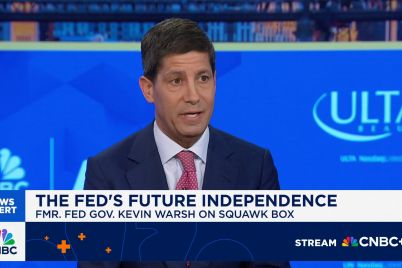
This dichotomy of strong growth and persistent manufacturing inflation creates a complex challenge for the Federal Reserve. Analysts, including Jeffrey Roach, chief economist at LPL Financial, and Troy Ludtka, senior U.S. economist at SMBC Nikko Securities Americas, suggest that a solid economic picture combined with ongoing price pressures will likely compel Fed Chairman Kevin Warsh and his colleagues to consider an interest rate increase as early as September. This contrasts sharply with the previous year’s three consecutive rate cuts, underscoring a significant shift in the macroeconomic landscape. Goldman Sachs, for instance, revised its third-quarter economic growth forecast to 2.4%, up from an initial 1.5% for Q2, a sentiment also echoed by reports from Reuters Economic News. The Fed’s prior July meeting held its key overnight interest rate between 3.5%-3.75%, but the latest data signals a potential break from this holding pattern.
- Production Surge: A 6.3-point increase, reaching its highest since November 2021.
- Employment Expansion: First time in 33 months, reaching a two-year high.
- Price Index Persistence: At 71.1, demonstrating sustained cost pressures despite growth.
The Ripple Effect: How Economic Forces Intersect
The surge in manufacturing activity alongside entrenched inflation sets a clear chain of economic consequences:
Robust Demand & Production → Stronger Economic Growth → Increased Labor Demand → Persistent Wage & Input Cost Pressures → Elevated Inflationary Expectations → Fed Hawkish Stance → Potential Interest Rate Hike → Higher Borrowing Costs → Possible Moderation in Investment & Consumption → Eventual Inflationary Cooling (Targeting 2%).
This cycle suggests that while current growth is positive, its inflationary component will likely lead to tighter monetary policy, impacting broader credit conditions and capital allocation across various sectors. For those analyzing broader macro trends, understanding these interdependencies is crucial for navigating future market volatility.
Monetary Policy Normalization: This refers to the process by which a central bank, like the Federal Reserve, unwinds unconventional stimulus measures or adjusts interest rates to return them to a level considered ‘normal’ or neutral for long-term economic stability, typically aiming for price stability and maximum employment. The current data strongly suggests the Fed is being pushed toward a more aggressive normalization path.
Key Economic Metrics Shaping the Outlook
Recent economic indicators illustrate the shifting landscape, highlighting both robust growth and persistent inflationary challenges that are directly influencing Federal Reserve policy decisions.
| Metric | Latest Reading (July 2026) | Significance |
|---|---|---|
| ISM Manufacturing PMI | 55.6 | Highest growth rate in over four years, indicating broad manufacturing expansion. |
| ISM Prices Index | 71.1 | Signifies widespread and persistent price increases across the supply chain, well above the 50-point neutral mark. |
| Q3 GDP Growth Forecast (Goldman Sachs) | 2.4% | Upgraded from 1.5% in Q2, reflecting stronger economic momentum that could fuel further demand-side inflation. |
| Fed Funds Rate (Current Range) | 3.5%-3.75% | Held steady since January, but increasing pressure for an upward adjustment. |
| Odds of Sept Rate Hike (CME FedWatch) | 64.5% | Despite some market skepticism, odds remain elevated, reflecting market’s anticipation of Fed action. |
U.S. Manufacturing Policy Commentary: Navigating Tariffs and Geopolitics
The current manufacturing boom is occurring despite, and in some cases, because of complex U.S. trade policies and heightened geopolitical tensions. While tariffs initially posed a burden, the strong domestic demand and shifts in global supply chains appear to have absorbed some of these impacts, as evidenced by a surge in new export orders. However, the commentary from purchasing managers highlights significant challenges stemming from the Iran war and other global uncertainties, which translate directly into supply chain disruptions and higher input costs. Policy responses must balance fostering domestic growth with mitigating external shocks to ensure long-term stability. This dynamic environment requires flexible policy frameworks, particularly as global trade flows continue to re-align. For further educational insights into supply chain resilience and policy impacts, refer to our blog.
Global Inflationary Risks: Beyond Domestic Pressures
While domestic demand plays a significant role in fueling U.S. manufacturing inflation, global factors are undeniably amplifying these pressures. The ongoing Iran war directly impacts energy markets and shipping routes, leading to higher commodity prices and increased logistical costs worldwide. This global interconnectedness means that even with moderating shelter costs and temporary lulls in Middle East tensions, as seen in June’s CPI data, the underlying inflationary forces persist. Central banks globally are grappling with similar dilemmas, suggesting a synchronized tightening cycle might be necessary to bring down inflation targets, reinforcing observations from global economic reports like those found on Bloomberg Economics.
The Ripple Effect of Manufacturing Inflation on 2026 Markets
The latest ISM manufacturing report paints a picture of robust economic expansion juxtaposed with deeply entrenched inflationary pressures, signaling a pivotal moment for the Federal Reserve. This strong data, particularly in production and employment, significantly strengthens the argument for a near-term interest rate hike, potentially reshaping market expectations and investor strategies.
- The manufacturing sector’s unexpected strength validates underlying economic resilience, but at the cost of persistent price increases.
- Market participants should brace for a potentially more aggressive monetary policy stance from the Fed, moving away from its recent holding pattern.
- Geopolitical events and supply chain dislocations continue to exert upward pressure on input costs, complicating the inflation outlook.
How will the Fed balance aggressive inflation fighting with preserving economic momentum in the face of these complex global headwinds?
📊 StockXpo Analyst’s View
Market Impact: This confluence of strong growth and stubborn inflation typically triggers a reassessment of monetary policy trajectory, potentially leading to increased volatility in fixed income markets as bond yields adjust to higher rate expectations. Equity markets may see a rotation from growth to value stocks, as higher discount rates impact future earnings. Investors should monitor the stock markets for signs of sector-specific revaluations.
Sector To Watch: Given the persistent input cost pressures and strong demand, the Industrials sector, particularly capital goods manufacturers, might demonstrate resilient top-line growth but face margin compression. Conversely, defensive sectors with stable cash flows could become more attractive. The financial sector, especially banks, could benefit from higher net interest margins if rates rise, reflecting broader economic policy shifts.
Financial Disclaimer:
StockXpo.com is a financial news aggregator and educational portal, not a registered investment advisor or broker-dealer. All information, news, and analysis provided herein are strictly for educational purposes and do not constitute investment, financial, legal, or tax advice. Investing in the stock market involves high risks, and past performance is not indicative of future results. StockXpo will not be liable for any financial losses or investment damages. Always consult a certified financial advisor before making market decisions.
MORE IN INSIDE ECONOMY

AI Concentration Risks Loom as East Asia & Pacific Sees 4.5% Growth Outlook
Published: Tuesday, October 6, 2026 · 1:56 AM

Western Populations’ Shrinkage: A Looming Fiscal Warning by 2029
Published: Monday, October 5, 2026 · 3:15 AM