
Published: Monday, August 3, 2026 · 7:30 PM | Updated: Monday, August 3, 2026 · 7:30 PM
📊 97 views





Michigan health authorities have confirmed two deaths linked to the ongoing cyclospora outbreak, escalating public health concerns and putting a spotlight on food safety protocols within major supply chains. This tragic development intensifies scrutiny on fresh produce sourcing, posing potential operational and reputational challenges for companies like Yum Brands, which saw its Taco Bell chain impacted by a related recall.
🗝️ Corporate Strategy Insights
- Fatal Cyclospora Impact. Michigan reports the first two deaths from the cyclospora outbreak, an unusual and serious escalation for a generally non-life-threatening infection, highlighting vulnerabilities in public health response and food safety.
- Supply Chain Contamination. The outbreak’s source was traced to iceberg lettuce from central Mexico, leading to a recall by Taylor Farms that affected bagged salads and restaurant suppliers, including Taco Bell. This underlines the critical need for rigorous quality control across the global fresh produce supply chain.
- Operational Risk for QSRs. For quick-service restaurants (QSRs) like Taco Bell, reliance on third-party suppliers introduces significant food safety risks. Such incidents can lead to immediate operational disruptions, brand damage, and a potential decline in consumer trust and sales.
The confirmation of two deaths in Michigan from the ongoing cyclospora outbreak marks a critical escalation in what has become the worst such incident in recent history. While cyclosporiasis is typically not considered life-threatening, these fatalities, linked to underlying health conditions and dehydration, underscore the severe consequences of foodborne illnesses, particularly for vulnerable populations. Michigan alone has recorded 11,234 cases and 193 hospitalizations, significantly outpacing the Centers for Disease Control and Prevention’s national count of over 6,700 laboratory-confirmed cases since May 1. This disparity in reporting highlights potential gaps in national surveillance and the urgent need for consistent, real-time data aggregation to manage public health crises effectively. The investigation by the Food and Drug Administration (FDA) is ongoing, with at least one more cyclospora outbreak being probed, suggesting systemic issues beyond a single product recall.
The implicated source, iceberg lettuce from central Mexico supplied by Taylor Farms, prompted a mid-July recall that affected various retail and food service channels. This directly impacted prominent restaurant chains, including Yum Brands’ corporate growth engine, Taco Bell. Such an incident forces a re-evaluation of supplier vetting processes and highlights the immense operational burden placed on companies when their ingredients are compromised. The quick-service restaurant (QSR) segment, in particular, depends heavily on consistent, safe, and cost-effective supply chains. Disruptions stemming from contamination not only lead to direct financial costs through recalls and lost sales but also inflict long-term damage to brand reputation and consumer loyalty. Maintaining rigorous food safety standards is paramount for global business operations, especially in an era of heightened consumer awareness and rapid information dissemination.
- The cyclospora outbreak, linked to fresh produce, underscores critical vulnerabilities in global food supply chains.
- Michigan’s disproportionately high case count indicates localized impact and potentially varied reporting standards.
- Restaurant chains face substantial reputational and operational risks when suppliers are implicated in food safety incidents.
What the Cyclospora Incident Means for Supply Chain Resilience
The cyclospora outbreak creates a direct strategic ripple effect across the food industry, beginning with raw material sourcing and extending to consumer trust.
**Contaminated Produce → Supplier Scrutiny → Brand Damage Risk:** When a major supplier like Taylor Farms is linked to an outbreak, it immediately triggers intense scrutiny from corporate clients such as Yum Brands. This can lead to re-evaluation of contracts, diversified sourcing strategies, and increased demands for transparency and quality assurance. For Yum Brands, the association with a foodborne illness, even indirectly, poses a significant risk to the Taco Bell brand. Consumers may temporarily shift away from affected products or even the entire chain, impacting sales and market share. This pressure can force QSRs to invest more in internal testing, traceability technologies, or even backward integration into supply chain segments to exert greater control. Competitors not implicated in the current outbreak, such as McDonald’s or Restaurant Brands International (RBI), may gain a temporary advantage if they can visibly demonstrate superior food safety protocols, reinforcing their market position. The broader market reaction can also lead to increased regulatory oversight, impacting operational costs across the entire fresh produce and food service sectors.
‘The cyclospora outbreak serves as a stark reminder that even seemingly minor supply chain disruptions in food safety can rapidly escalate into severe public health crises, demanding an immediate, comprehensive strategic overhaul of quality control and supplier management for major food corporations.’
Outbreak Metrics: A Snapshot of Public Health Impact
The cyclospora outbreak has shown significant public health impact in Michigan and nationally.
- Michigan Cases: 11,234 confirmed, indicating severe localized impact.
- Michigan Hospitalizations: 193, highlighting the acute nature of some infections.
- Michigan Deaths: 2, an unusual and critical development for this type of infection.
- CDC National Confirmed Cases: Over 6,700 (since May 1), emphasizing a widespread, multi-state challenge.
These metrics are critical indicators of the outbreak’s severity, showing not only the broad reach of contaminated produce but also the human cost, which can profoundly affect consumer confidence and regulatory actions against implicated businesses.
Yum Brands Strategic Analysis in a Post-Outbreak Landscape
Yum Brands, a global leader in quick-service restaurants, faces a unique challenge following the cyclospora outbreak’s link to its Taco Bell chain. While the company’s diversified portfolio across KFC, Pizza Hut, and Taco Bell offers some insulation, the incident underscores the vulnerability of even robust corporate strategies to external supply chain failures. Yum Brands’ operational efficiency hinges on standardized processes, from ingredient sourcing to preparation, yet the complexity of fresh produce sourcing from international markets introduces inherent risks that must be meticulously managed. The company’s strategy often involves leveraging its vast scale for purchasing power and driving menu innovation; however, this scale also amplifies the potential impact of a single supplier’s misstep across thousands of locations. To mitigate future risks, Yum Brands may need to strengthen its supplier audit programs, invest in advanced food traceability systems, and potentially explore more localized or diversified sourcing to reduce dependence on single-origin produce. Such strategic adjustments, while potentially increasing costs in the short term, are vital for safeguarding long-term brand equity and maintaining customer trust, which are cornerstones of its competitive advantage.
Food Industry Operational Efficiency Benchmarking
The current cyclospora incident prompts a re-evaluation of operational efficiency benchmarks within the broader food industry, particularly for companies reliant on extensive fresh produce supply chains. Industry leaders are typically judged not just on speed and cost-effectiveness but increasingly on the resilience and safety of their operations. Benchmarking against best practices would involve assessing the frequency and rigor of supplier audits, the adoption of advanced detection technologies for pathogens, and the speed of recall implementation and communication. Companies like Chipotle, which faced its own food safety challenges in the past, have invested heavily in farm-to-fork traceability and testing protocols, setting a high standard for preventative measures. For the QSR segment, maintaining high standards of food safety while also delivering value and speed is a complex balancing act. The ideal operational model moves beyond simply minimizing costs to actively reducing risks, leveraging data analytics to predict and prevent contamination, and fostering a culture of accountability throughout the entire supply chain. This focus on preventative operational efficiency, rather than reactive crisis management, will likely become a key differentiator for market leadership.
Michigan’s Cyclospora Crisis: Implications for Food Safety
The severe cyclospora outbreak in Michigan, now linked to multiple fatalities, places immense pressure on food industry players and regulatory bodies to reinforce safety protocols. This crisis highlights the intricate challenge of managing foodborne illnesses that can rapidly spread through vast distribution networks. For companies, this means a renewed commitment to stringent quality control, investing in advanced testing, and fostering transparent communication channels to quickly address public health concerns.
- Enhanced Supplier Oversight: Companies must implement more rigorous vetting and continuous monitoring of their global fresh produce suppliers.
- Advanced Traceability Solutions: Investment in blockchain or other digital tools to track ingredients from farm to fork will become essential.
- Proactive Crisis Communication: Rapid and honest public disclosure is critical to maintaining consumer trust during health scares.
Will this tragic cyclospora outbreak catalyze fundamental shifts in how the food industry approaches supply chain integrity and public health responsibility?
📊 StockXpo Analyst’s View
Market Impact: The cyclospora outbreak, particularly its confirmed fatalities, casts a shadow over the broader food service and fresh produce sectors. While direct financial impacts on Yum Brands may be limited and localized for now, the incident increases investor scrutiny on companies’ supply chain resilience and food safety governance. Any perceived weakness could trigger short-term dips for related stocks, and the long-term impact on consumer sentiment towards specific brands or product categories cannot be underestimated. For broader insights, consider resources like Forbes’ business analysis.
Sector To Watch: The food processing and agricultural technology sectors are poised for potential growth. Companies offering advanced pathogen detection, food traceability solutions, and enhanced cold chain logistics will likely see increased demand as the industry seeks to fortify its defenses against future outbreaks. Investors should also monitor regulatory responses, as stricter food safety mandates could create new market opportunities and challenges, detailed further in investment analysis blogs.
Financial Disclaimer:
StockXpo.com is a financial news aggregator and educational portal, not a registered investment advisor or broker-dealer. All information, news, and analysis provided herein are strictly for educational purposes and do not constitute investment, financial, legal, or tax advice. Investing in the stock market involves high risks, and past performance is not indicative of future results. StockXpo will not be liable for any financial losses or investment damages. Always consult a certified financial advisor before making market decisions.
MORE IN INSIDE BUSINESS
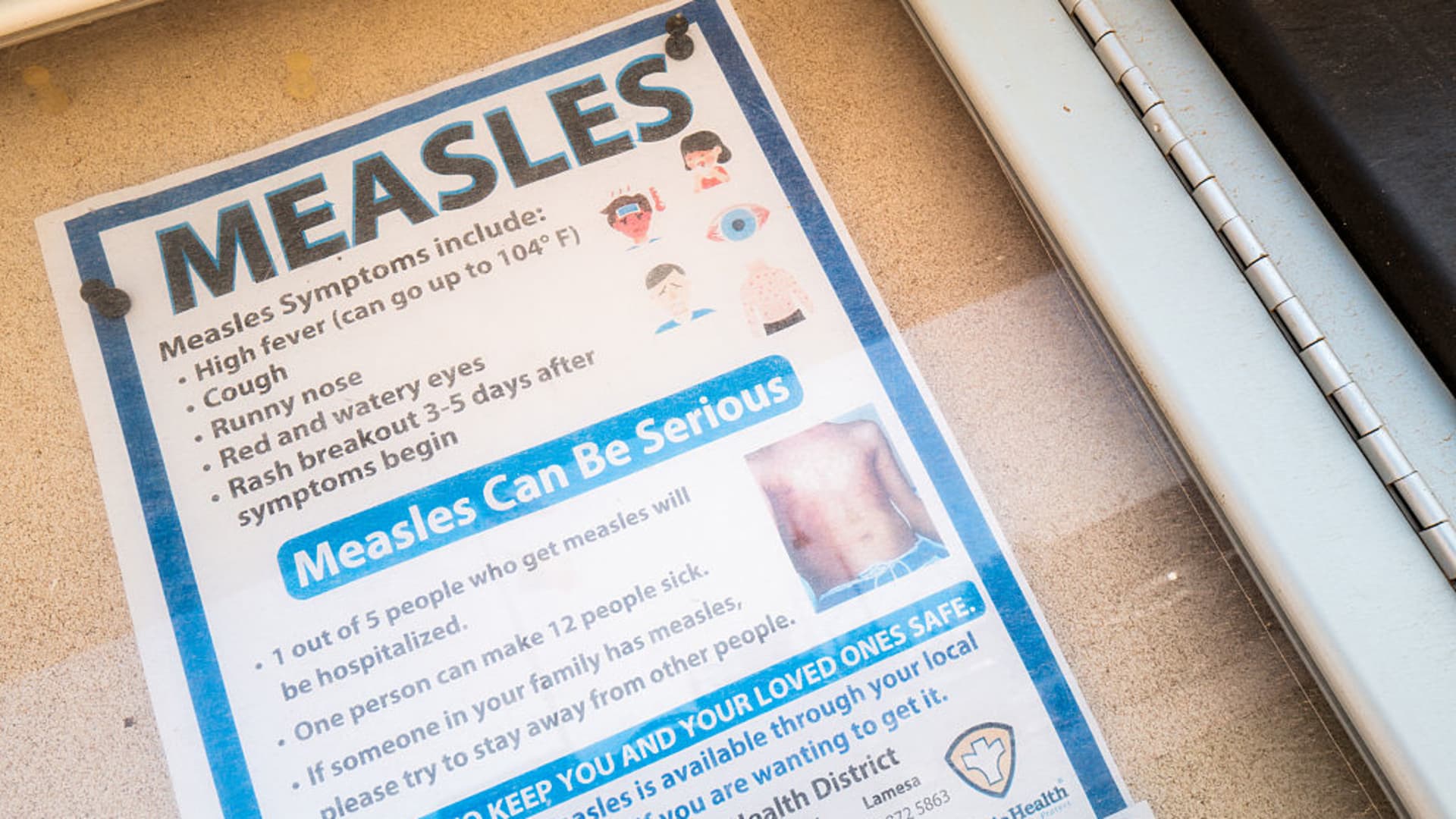
Measles Resurgence: A Critical Warning for U.S. Public Health Strategy
Published: Tuesday, October 27, 2026 · 7:02 AM

Dollar General Overcharges Lawsuit: A Warning on Consumer Trust
Published: Monday, October 26, 2026 · 3:55 PM


