Published: Monday, August 3, 2026 · 7:29 PM | Updated: Monday, August 3, 2026 · 7:29 PM
📊 100 views




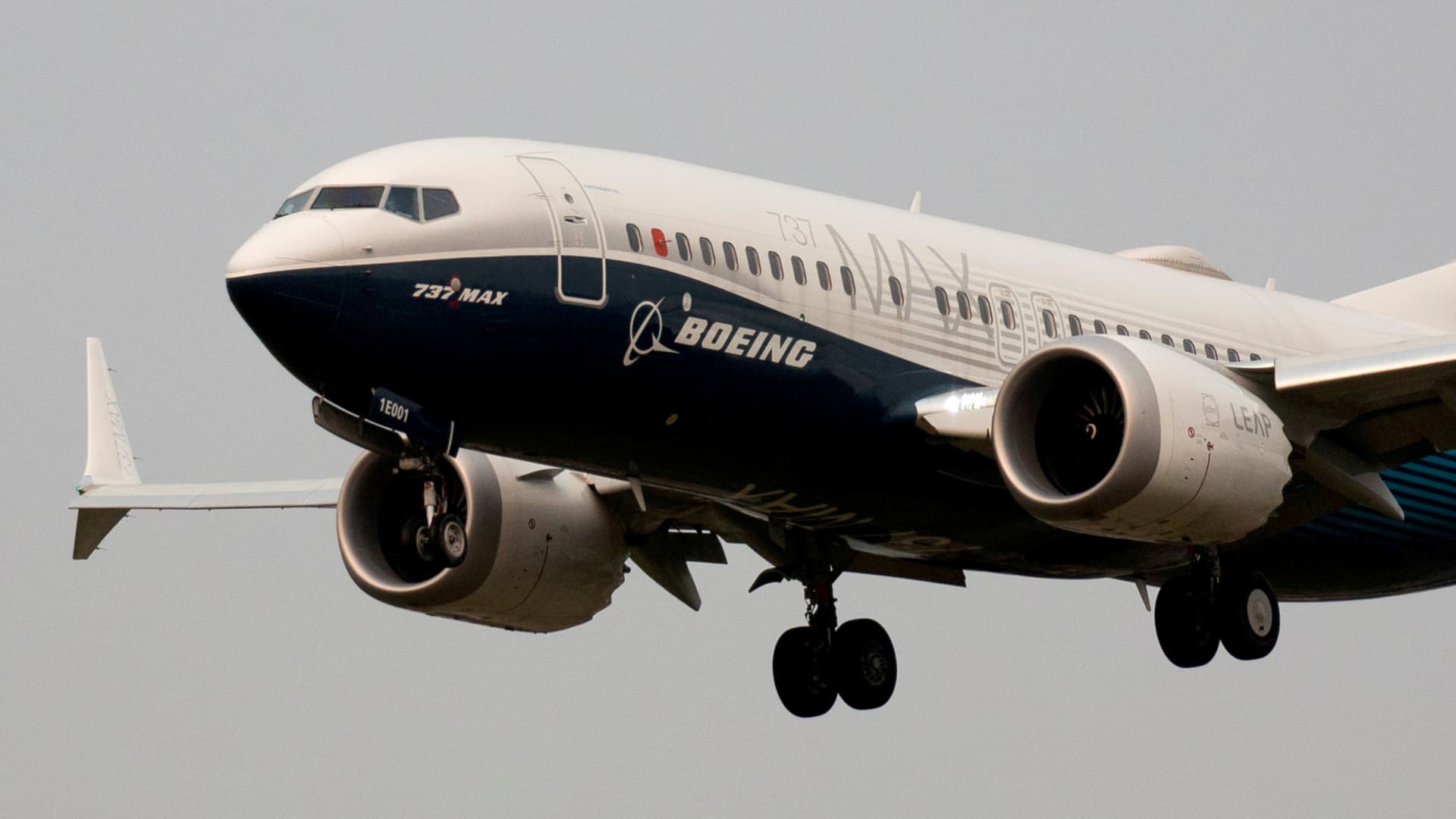
The Federal Aviation Administration (FAA) has officially certified the Boeing 737 Max 7, the smallest variant of its best-selling aircraft family, ending years of intricate regulatory hurdles and design revisions. This long-awaited approval signals a crucial turning point for Boeing’s operational recovery and its ability to clear a backlog of deliveries, injecting much-needed cash into its balance sheet.
🗝️ Corporate Strategy Insights
- Unlocking Backlog Value. Certification enables delivery of approximately 40 existing Max 7 and Max 10 aircraft, converting inventory into revenue.
- Restoring Regulatory Trust. This approval indicates Boeing’s progress in addressing safety concerns and regulatory demands following past incidents.
- Fleet Modernization for Airlines. Key customers like Southwest Airlines can proceed with fleet upgrades, enhancing fuel efficiency and passenger experience.
After years of exhaustive scrutiny and multiple redesigns, including updates to flight-control software and engine anti-ice systems, the FAA’s certification of the Boeing 737 Max 7 offers a significant operational boost to the aerospace giant. This particular model, which Southwest Airlines had anticipated flying before the pandemic, faced protracted delays stemming from intensified regulatory oversight following two fatal 737 Max 8 crashes in 2018 and 2019, alongside other manufacturing issues. The agency stated that this approval ‘reflects years of sustained work to resolve complex technical issues and complete a thorough review of the airplane’s design and supporting safety analyses,’ according to a recent industry report.
This clearance is not merely a formality; it directly impacts Boeing’s production and delivery pipeline. The company currently holds an inventory of about 40 of the 737-7s and the larger, still-awaiting-certification 737 Max 10s. The ability to deliver these planes will translate into substantial cash inflows, as manufacturers typically receive the bulk of an aircraft’s price upon handover. For airlines like Southwest, which operates an all-Boeing 737 fleet, this certification is crucial for modernizing its operations with more fuel-efficient aircraft, aligning with customer preferences and demand patterns.
- Production Ramp-Up: Boeing has been actively working to increase production rates for its 737 Maxes and 787 Dreamliners, vital for its financial recovery. A new production line for 737 Maxes was opened in Everett, Washington, in July, underscoring its commitment to meeting delivery schedules.
- Regulatory Re-engagement: Boeing has also made strides in rebuilding trust with the FAA, notably regaining the authority to issue airworthiness certificates for its bestselling 737 Max and 787 Dreamliner aircraft in mid-July, a privilege that was revoked after the initial Max 8 crashes.
- Customer Assurance: This certification helps to reassure airlines and the flying public of the aircraft’s enhanced safety features, a key aspect in securing future orders and maintaining market share.
While this is a positive development, Boeing still awaits FAA certification for the 737 Max 10 and the larger 777X. These subsequent approvals will be critical for the company to fully normalize its production and delivery schedules and solidify its competitive standing in the commercial aviation sector, especially as the global demand for new aircraft continues to rebound, as reported by major business publications. Investors can follow broader stock markets for related sector insights.
The certification of the 737 Max 7 initiates a crucial strategic ripple effect. Regulatory Approval directly leads to Unblocked Deliveries, allowing Boeing to release held inventory. This then translates into Immediate Cash Flow Boost, which is vital for bolstering the company’s financial liquidity and funding ongoing operational efficiencies. For airlines, it means Fleet Modernization and Operational Efficiency Gains through more fuel-efficient aircraft, enhancing their competitive posture. Conversely, this development reinforces Boeing’s market dominance in the narrow-body segment, potentially slowing competitor Airbus’s inroads in areas where airlines sought alternatives during Boeing’s prolonged delays. The heightened confidence from regulators also provides a framework for future certifications, reducing uncertainty for potential buyers and strengthening Boeing’s long-term business strategy.
“This certification is a pivotal moment for Boeing, signifying not just regulatory compliance but a tangible step towards restoring production stability and securing vital cash generation from delayed deliveries. It’s a testament to persistent engineering efforts under intense scrutiny, directly impacting market leadership.”
While specific financial metrics tied directly to this certification are yet to be fully realized in Boeing’s public filings, several key indicators signal its importance:
- Inventory Reduction: Approximately 40 737 Max 7 and Max 10 aircraft currently built and awaiting delivery. This represents significant working capital tied up that can now be monetized.
- Production Rate Stability: Continued certification progress supports the goal of ramping up 737 Max production from current levels, which is crucial for meeting long-term order backlogs.
- Customer Confidence: Southwest Airlines’ immediate plans to integrate the Max 7 highlight renewed trust and the operational benefits airlines expect from these modernized fleets.
These indicators collectively point to an anticipated improvement in Boeing’s cash conversion cycle and operational throughput.
Boeing Strategic Analysis: Rebuilding Market Position
Boeing’s strategy hinges on a multi-pronged approach to overcome its recent crises. Beyond securing certifications like the one for the 737 Max 7, the company is intensely focused on supply chain stability, quality control improvements, and regaining regulator and customer trust. The establishment of new production lines, such as the one in Everett, Washington, for 737 Max airplanes, is a clear sign of its commitment to ramping up delivery capabilities while simultaneously enhancing manufacturing processes. This rigorous internal overhaul aims to restore the operational efficiency that defines market leadership, shifting from a reactive stance to a proactive one in addressing safety and quality. The company’s efforts to win back the trust of the FAA are paramount, as regulatory endorsement directly translates into market acceptance and order flow. For deeper insights into corporate growth, visit StockXpo Business.
Boeing Competitive Advantages: Leveraging Fleet Familiarity and Scale
Despite its recent challenges, Boeing retains formidable competitive advantages, particularly with its 737 Max family. The extensive installed base of 737 aircraft globally means airlines often prefer to stick with a familiar type rating, reducing pilot training costs and maintenance complexities. This ‘fleet commonality’ is a powerful moat against competitors like Airbus, which offers the A320neo family. The sheer scale of Boeing’s production capabilities and its global service network further solidify its position. While Airbus has gained market share during Boeing’s struggles, the re-certification of the 737 Max 7 allows Boeing to leverage its existing customer relationships and deliver highly sought-after, fuel-efficient narrow-body jets. This competitive edge is critical for navigating the intensely competitive commercial aerospace market. For more educational insights, explore our blog.
Boeing’s Max 7 Approval: A Pathway to Enhanced Shareholder Value
The FAA’s certification of the 737 Max 7 represents a significant, long-awaited operational de-risk for Boeing. This clears a major hurdle, allowing the company to begin delivering aircraft that have been sitting in inventory, translating directly into cash generation and reduced working capital. It marks a critical stride in Boeing’s broader effort to regain operational stability and restore investor confidence.
- Accelerates cash flow by enabling deliveries of completed aircraft.
- Strengthens relationships with key airline customers ready for fleet modernization.
- Provides positive momentum for the pending certifications of other Max variants.
Can Boeing sustain this momentum and convert regulatory approval into consistent operational excellence and long-term shareholder returns?
📊 StockXpo Analyst’s View
Market Impact: This news is a clear positive for Boeing (BA) and its supply chain partners. Investor sentiment, often wary of regulatory headwinds, will likely see an uplift as delivery blockages clear, impacting liquidity and potentially driving the stock higher. The ability to monetize existing inventory is crucial for cash flow, reducing financial strain and improving overall market perception.
Sector To Watch: The aerospace manufacturing sector, particularly suppliers to Boeing, stands to benefit as production ramps up to meet demand now that a critical model is cleared. Airlines, especially those with large 737 Max orders like Southwest, will also gain from finally receiving their modernized, fuel-efficient aircraft, which will positively impact their operational costs and competitive positioning. This could also subtly shift dynamics in the aviation and defense industries.
Financial Disclaimer:
StockXpo.com is a financial news aggregator and educational portal, not a registered investment advisor or broker-dealer. All information, news, and analysis provided herein are strictly for educational purposes and do not constitute investment, financial, legal, or tax advice. Investing in the stock market involves high risks, and past performance is not indicative of future results. StockXpo will not be liable for any financial losses or investment damages. Always consult a certified financial advisor before making market decisions.
MORE IN INSIDE BUSINESS

Measles Resurgence: A Critical Warning for U.S. Public Health Strategy
Published: Tuesday, October 27, 2026 · 7:02 AM

Dollar General Overcharges Lawsuit: A Warning on Consumer Trust
Published: Monday, October 26, 2026 · 3:55 PM