Published: Friday, July 31, 2026 · 4:53 PM | Updated: Friday, July 31, 2026 · 4:53 PM
📊 92 views




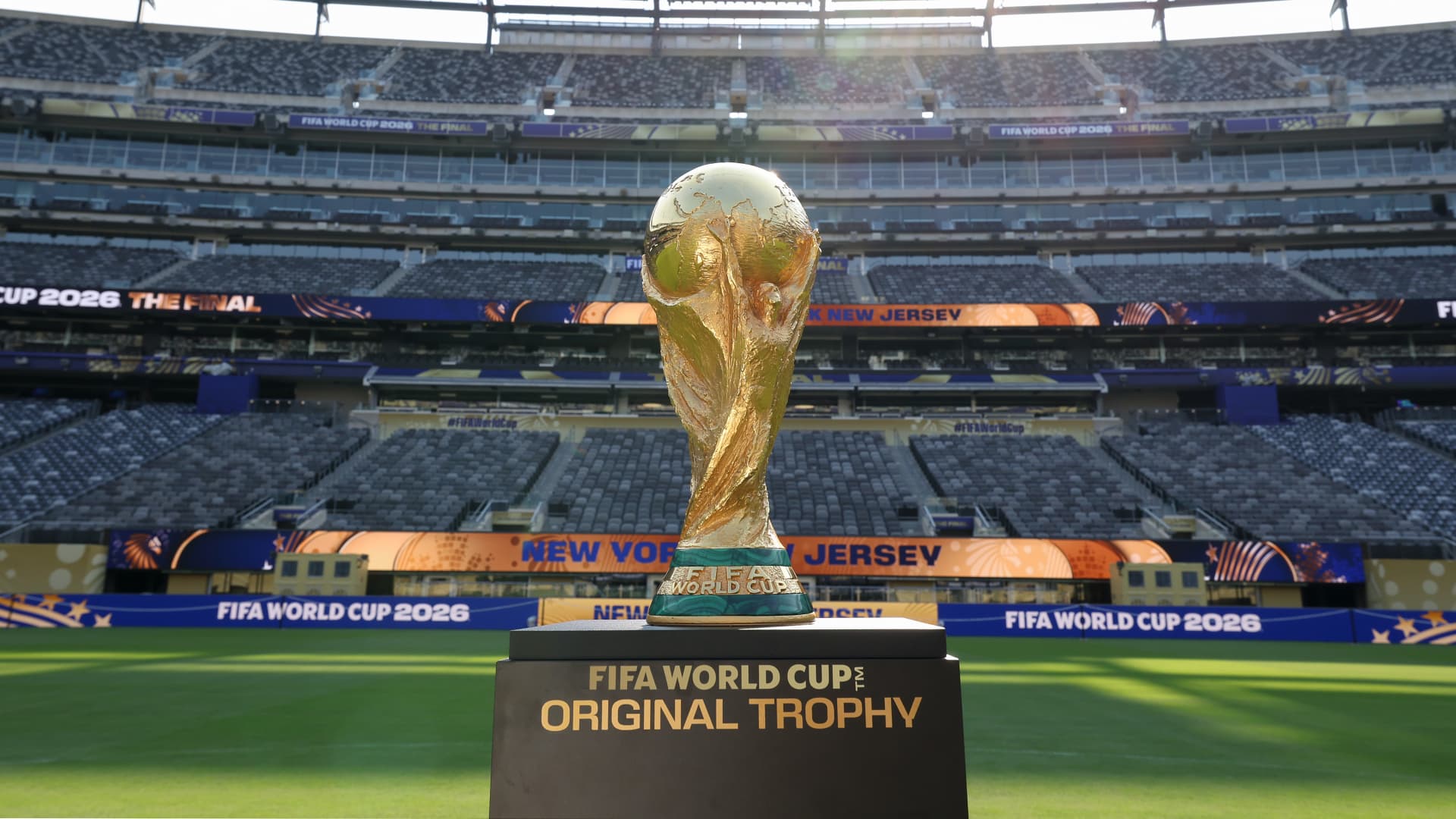
Global soccer’s governing body, FIFA, is facing unprecedented pushback over its plan to sell a minority stake in a new subsidiary, FIFA Forward Enterprises (FFE), which would control the commercial rights of the prestigious World Cup. This strategic move, aiming to raise $4.2 billion and valuing FFE at $20 billion, has ignited a fierce debate about the increasing influence of private equity in sports and the core values of the game itself.
🗝️ Corporate Strategy Insights
- Valuation at $20 Billion. FIFA aims to secure $4.2 billion by offering a minority stake in FFE, highlighting the immense commercial value attributed to the World Cup.
- Stakeholder Opposition. UEFA and Concacaf have strongly rejected the proposal, citing concerns over external influence and the commercialization of the sport, threatening a boycott of competitions.
- Executive Disagreement. The immediate resignation of senior advisor Carlos Cordeiro underscores deep internal divisions and the perceived risks of the private equity deal for FIFA’s member associations.
The proposed sale of a minority stake in FIFA Forward Enterprises (FFE) represents a bold play by FIFA to inject substantial capital into its operations, a strategy increasingly common across various major sports leagues. The plan, backed by firms like Thrive Capital, targets raising $4.2 billion, which would peg FFE’s valuation at approximately $20 billion. This aggressive pursuit of capital through FIFA private equity arrangements, however, has encountered significant resistance from key confederations, most notably UEFA and Concacaf, which collectively represent nearly half of FIFA’s 211 member associations. Their primary concern revolves around the potential for outside influence, driven solely by financial returns, to compromise the integrity and spirit of global football. UEFA explicitly stated that ‘The World Cup cannot be treated as an investment product,’ underscoring a fundamental philosophical clash between pure commercialization and sports governance.
FIFA, under President Gianni Infantino, has defended the proposal, framing it not as a ‘sale’ of the World Cup but rather a mechanism for raising funds to benefit all member associations. Despite this, the immediate resignation of Carlos Cordeiro, a senior advisor to Infantino, who unequivocally opposed the deal, cast a shadow over FIFA’s claims of widespread support. Cordeiro labeled it a ‘bad deal’ for FIFA’s Member Associations and the long-term future of the game. This internal dissent highlights the profound implications of allowing institutional capital into such a culturally significant asset. For a broader understanding of strategic moves in corporate business news from global enterprises, this case serves as a prime example of the complexities.
The sports world has seen a growing appetite from private equity funds, drawn by consistent cash flows, global fan bases, and growth opportunities, often seen as a hedge against purely digital or AI-driven investments. However, as noted by industry figures like Apollo Sports Capital’s Sam Porter, there are established limits. For example:
- The NFL permits private equity firms to own up to 10% of teams.
- MLB, NBA, and NHL allow aggregate private equity ownership of up to 30%, with individual fund caps between 15% and 20%.
These precedents suggest a cautious approach to integrating external financial interests, often limiting governance rights to protect the core sporting mission. Further educational insights on market dynamics provide context. FIFA’s move, therefore, tests the boundaries of this burgeoning trend, risking alienation from major confederations that prioritize traditional governance over rapid capital infusion.
The Strategic Ripple Effect of FIFA’s Commercial Gambit
This contentious `FIFA private equity` push could generate significant strategic ripple effects across the global sports landscape. If FIFA proceeds despite the boycotts, it risks fracturing the international football community, potentially leading to parallel competitions or weakened World Cup participation. For example, a UEFA boycott would severely diminish the commercial appeal and competitive quality of the tournament, directly impacting broadcast rights and sponsorship revenues. Conversely, if FIFA is forced to backtrack, it may signal a critical limit to how private equity can penetrate core sporting assets, potentially reining in similar ambitions in other international sports federations. Competitors like the International Olympic Committee (IOC) would closely observe the outcome, influencing their own capital allocation and partnership strategies. The dispute also raises questions about the long-term governance model for global sports, shifting power dynamics between federations and their commercial entities, impacting global market trends for sports investment.
‘The core challenge for FIFA lies in balancing the undeniable financial opportunities presented by private equity with the perceived risk of compromising the World Cup’s historical and cultural integrity, a line UEFA argues has been definitively crossed.’
Key financial and operational indicators currently at play include:
- Proposed FFE Valuation: ~$20 billion, signifying the immense market value ascribed to the World Cup’s commercial rights.
- Targeted Capital Raise: $4.2 billion from third-party investors like Thrive Capital.
- Member Association Representation: UEFA and Concacaf represent 96 out of 211 FIFA members, indicating substantial dissent.
These figures are crucial as they define the scale of FIFA’s ambition and the breadth of the opposition to its commercialization strategy, informing broader investment analysis across stock markets.
FIFA’s Strategic Analysis: Navigating Commercial Pressures
FIFA’s pursuit of private equity funding reflects a broader trend of sports organizations seeking to unlock capital from their most valuable assets. The World Cup, as a quadrennial global spectacle, generates massive revenues from broadcasting rights, sponsorships, and licensing. By creating FFE, FIFA aims to compartmentalize these commercial operations, theoretically making them more attractive to investors while insulating the sporting aspect. However, this strategy faces inherent tension: while the financial upside is clear, the perception of ‘selling’ the game’s soul can undermine its unique cultural value. The organization’s past controversies, including allegations of bribery, further complicate trust, making transparency and stakeholder consensus critical for any major financial restructuring. This underscores the need for robust internal governance and clear communication when engaging with external capital markets, especially in a sector as publicly scrutinized as global football.
Football’s Industry Benchmarking Against Other Major Leagues
Compared to established North American leagues such as the NFL, NBA, and MLB, FIFA’s proposed private equity deal for the World Cup’s commercial entity faces a unique challenge. While U.S. leagues have gradually opened doors to institutional investors for team ownership, they’ve done so with strict limits on stake percentages and governance. These leagues typically benefit from a more centralized, franchise-based model with robust internal financial controls and established revenue-sharing agreements. FIFA, however, operates as a global federation with diverse member associations, each with varying financial health and vested interests. This complexity means that a `FIFA private equity` deal impacting a globally shared asset like the World Cup must navigate a far more intricate web of political and cultural considerations than a typical club ownership transaction. The resistance from UEFA and Concacaf suggests that FIFA’s proposed structure might not adequately address the shared ownership and emotional investment of its members, setting a potentially risky precedent for international sports federations contemplating similar financial strategies for their marquee events. For more on company strategy and corporate growth, visit StockXpo.
The Future of FIFA Private Equity in Global Football
The ongoing dispute over FIFA’s proposed private equity deal for the World Cup’s commercial rights marks a critical juncture for the organization and the broader sports investment landscape. The deep-seated resistance from major confederations like UEFA underscores the inherent tension between maximizing financial returns and preserving the perceived integrity and public ownership of global sporting events.
- FIFA faces a significant governance challenge, needing to reconcile its financial ambitions with stakeholder concerns.
- The outcome will likely set a precedent for how international sports federations engage with institutional capital.
- Investor confidence in securitizing global sporting assets may be tempered by the level of regulatory and political pushback.
Can FIFA successfully navigate this backlash and redefine the boundaries of commercialization in global football, or will this resistance signal a decisive limit to private equity’s reach?
📊 StockXpo Analyst’s View
Market Impact: This situation introduces significant uncertainty for investors eyeing sports as an alternative asset class. While sports assets offer attractive cash flows, the FIFA backlash highlights the substantial governance, cultural, and political risks involved when dealing with globally revered entities. It could dampen immediate enthusiasm for similar large-scale securitization efforts, particularly in international federations, affecting market liquidity for novel sports-related investment vehicles.
Sector To Watch: Investors should closely monitor the broader sports media and entertainment sector, especially companies involved in broadcasting rights and sponsorship. The pushback against FIFA’s plan may reinforce the value of established, stable league partnerships and content creators over potentially contentious asset sales from global federations. Conversely, the private equity industry will be evaluating new strategies to de-risk investments in emotionally charged sports properties.
Financial Disclaimer:
StockXpo.com is a financial news aggregator and educational portal, not a registered investment advisor or broker-dealer. All information, news, and analysis provided herein are strictly for educational purposes and do not constitute investment, financial, legal, or tax advice. Investing in the stock market involves high risks, and past performance is not indicative of future results. StockXpo will not be liable for any financial losses or investment damages. Always consult a certified financial advisor before making market decisions.
MORE IN INSIDE BUSINESS

Young Airplane Scrapping: A $17 Million Engine Crisis Reshaping Aviation
Published: Saturday, October 24, 2026 · 8:26 AM
American Express Workforce Cuts: A Strategic AI Preparation
Published: Friday, October 23, 2026 · 9:50 AM