Published: Wednesday, July 29, 2026 · 12:12 PM | Updated: Wednesday, July 29, 2026 · 12:12 PM
📊 222 views




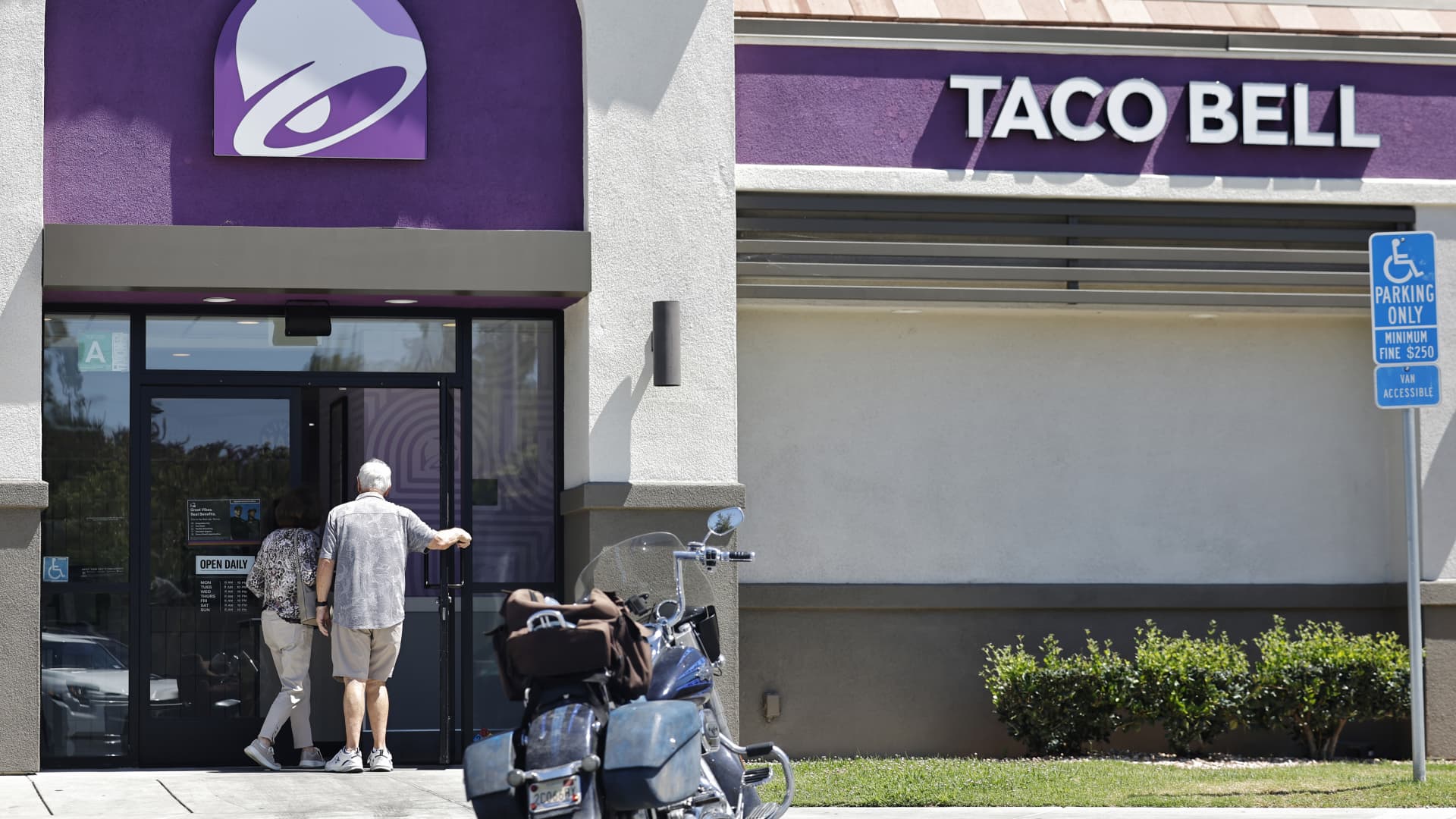
Yum Brands (YUM) is bracing for its Q2 earnings call, where a significant Taco Bell Cyclospora outbreak is expected to dominate discussions over financial results. This health crisis, linked to its core growth engine, has already initiated a tangible market reaction, prompting concerns about sustained traffic declines and future revenue projections for the restaurant giant.
💎 Strategic Investment & Portfolio Insights
- Traffic Plunge. Daily traffic to Taco Bell locations has fallen by double digits following the FDA’s link to the Cyclospora outbreak. This directly impacts Yum Brands’ primary growth driver.
- Analyst Revisions. Wall Street analysts are already lowering full-year earnings per share estimates for Yum, anticipating a tougher second half of the year for Taco Bell.
- Brand Resilience Test. The incident tests Taco Bell’s brand loyalty and operational recovery capabilities, with comparisons drawn to past food safety crises at competitors like Chipotle and McDonald’s.
Federal health agencies, including the CDC, have reported at least 1,947 people sickened and 98 hospitalizations, attributing the parasitic outbreak to iceberg lettuce supplied by Taylor Farms. This has immediately translated into a double-digit plunge in daily traffic at Taco Bell locations, according to Placer.ai data, and a 5% decline in Yum Brands’ shares, reducing the company’s market value to approximately $42 billion.
Taco Bell represents one of Yum’s ‘twin growth engines,’ alongside KFC’s international operations, which makes its recent struggles particularly concerning. The divestiture of Pizza Hut further amplifies Taco Bell’s importance within the portfolio, placing it under intense scrutiny at an inopportune moment. While Q2 earnings projections for Yum Brands—estimated at $1.58 per share on revenue of $2.2 billion with 7% same-store sales growth for Taco Bell—largely precede the FDA’s formal link, analysts are revising Q3 and Q4 outlooks downwards.
RBC Capital Markets analyst Logan Reich noted on July 21 that the recent sell-off in shares might present an opportunity, contingent on consumer confidence not being materially impaired beyond the current outbreak. Taco Bell has moved swiftly to address the crisis, pulling affected lettuce by July 17 and having CEO Sean Tresvant issue an open letter to diners pledging transparency and safety. The chain has also leveraged its reputation for value, offering $1 promotions for popular items like Enchiritos and Mexican Pizza to win back customers. Social media responses indicate a degree of continued loyalty, with comments such as ‘I still luv u Taco Bell,’ suggesting a strong fan base.
However, the **Taco Bell Cyclospora outbreak** continues, with daily cases in Michigan, an initial epicenter, still rising. Historically, such outbreaks can weigh on sales for years, as seen with Chipotle Mexican Grill, which experienced double-digit same-store sales declines for a year following multiple foodborne illness incidents between 2015 and 2018. More positively, McDonald’s experienced a faster recovery from an E. coli outbreak in late 2024, rebounding within several weeks after the CDC declared the outbreak over, partly due to severing ties with the implicated supplier (also Taylor Farms).
Operational Risk → Brand Erosion → Valuation Adjustment: The Cyclospora incident highlights systemic operational risks within the restaurant sector’s supply chains, leading to immediate brand erosion through negative publicity and reduced consumer trust. This directly impacts sales forecasts and, consequently, the intrinsic valuation of Yum Brands, necessitating potential portfolio rebalancing to mitigate exposure to assets with elevated short-term operational liabilities and to monitor broader market analysis of food safety protocols across the industry.
Investors must scrutinize Yum Brands’ supply chain resilience and brand recovery strategies. While immediate dips can create entry points, long-term capital preservation hinges on swift, transparent action and sustained consumer confidence. Diversification remains paramount in mitigating such idiosyncratic risks.
Key Metrics Impacted by the Outbreak
- Yum Brands Share Decline: 5% since the outbreak was linked to Taco Bell. This reflects immediate investor concern and market repricing of risk for the parent company.
- Taco Bell Daily Traffic: Plunged by double digits, according to Placer.ai data. This is a direct measure of consumer hesitancy and immediate lost revenue for the chain.
- Affected Individuals: At least 1,947 people sickened, with 98 hospitalizations reported by the CDC. This underscores the public health severity and the reputational challenge facing the brand.
Yum Brands’ Competitive Benchmarking in Crisis
YUM’s situation bears resemblances and distinctions when benchmarked against competitors’ past food safety crises. Chipotle suffered multi-year declines (2015-2018), requiring a new CEO and enhanced safety protocols to recover. In contrast, McDonald’s (2024 E. coli outbreak) saw a quicker rebound, partly due to decisive action like severing ties with the implicated supplier (Taylor Farms, ironically the same implicated here). This suggests that the speed and decisiveness of Yum’s response, coupled with the perceived severity and duration of the Taco Bell Cyclospora outbreak, will dictate its recovery trajectory. The market will closely watch if Taco Bell can emulate McDonald’s quicker rebound or risk a prolonged struggle similar to Chipotle’s past.
Taco Bell’s Local Context & Market Fit Resilience
Taco Bell has historically been a strong performer, known for its value proposition and loyal fan base, making it a critical ‘gem’ in Yum’s portfolio. Its ability to leverage this strong market fit and perceived value will be crucial for recovery. The chain’s quick move to offer $1 promotional items like Enchiritos and Mexican Pizza demonstrates an understanding of its customer base and a strategy to encourage return visits. However, with daily cases in Michigan still rising, per state health departments, the ongoing public health concern could outweigh value incentives in affected areas. The local recovery, especially in initial outbreak epicenters, will serve as a bellwether for broader brand trust restoration, as investors access deeper educational market insights on brand crisis management.
The Taco Bell Cyclospora Outbreak: Navigating the Path to Recovery
The Taco Bell Cyclospora outbreak presents a significant, albeit potentially surmountable, challenge for Yum Brands. While the immediate financial impact on Q2 is expected to be minimal, the longer-term performance in Q3 and Q4 will hinge on the company’s ability to swiftly restore consumer confidence and manage ongoing public health concerns, according to reports from Reuters business news and financial analysts who often review Bloomberg markets data.
- Monitor post-earnings call guidance for detailed recovery strategies and revised outlooks.
- Assess the efficacy of promotional efforts and public relations campaigns in driving traffic recovery.
- Evaluate the transparency and robustness of Yum’s enhanced food safety protocols across its supply chain.
Can Yum Brands leverage its established brand loyalty to quickly turn the corner, or will this health incident cast a longer shadow on its vital growth engine?
📊 StockXpo Analyst’s View
Market Impact: The incident will likely introduce volatility in YUM shares, especially as Q3 forecasts are revised. Broader investor sentiment towards quick-service restaurants (QSR) may become more sensitive to supply chain integrity and food safety compliance. We could see a flight to quality among QSR stocks perceived as having superior risk management protocols.
Sector To Watch: The broader restaurant and food supply chain sectors will be under increased scrutiny. Suppliers like Taylor Farms may face reputational damage, potentially leading to increased demand for suppliers with robust safety certifications. Companies with diverse revenue streams and strong brand equity might be more resilient, while those heavily reliant on a single brand or vulnerable supply chains could see increased pressure.
Financial Disclaimer:
StockXpo.com is a financial news aggregator and educational portal, not a registered investment advisor or broker-dealer. All information, news, and analysis provided herein are strictly for educational purposes and do not constitute investment, financial, legal, or tax advice. Investing in the stock market involves high risks, and past performance is not indicative of future results. StockXpo will not be liable for any financial losses or investment damages. Always consult a certified financial advisor before making market decisions.
MORE IN INSIDE INVESTMENT NEWS
AI Funding Fears Rattle Wall Street: Adjusting for Alpha and Preservation
Published: Saturday, October 24, 2026 · 12:28 PM

Volvo Cars Plunge: Alpha Warning as China Sales Slump Hits Earnings
Published: Friday, October 23, 2026 · 6:18 AM