
Published: Tuesday, July 28, 2026 · 4:53 PM | Updated: Tuesday, July 28, 2026 · 4:53 PM
📊 179 views





Ford Motor is nearing its Q2 earnings report, a critical juncture for investors monitoring the automaker’s operational efficiency and strategic direction. Wall Street is closely watching performance metrics and future guidance, particularly in light of ongoing supply chain challenges and evolving market dynamics for this industrial giant.
🗝️ Corporate Strategy Insights
- Operational Headwinds. Ford faces projected revenue and EPS declines from Q2 2025, primarily due to past production issues stemming from an aluminum supplier.
- Supply Chain Recovery. The restart of Novelis’s New York plant is crucial for normalizing F-Series truck production, a key driver for Ford’s volume and profitability in the competitive automotive landscape.
- Strategic Outlook. Management’s updated 2026 guidance and commentary on cost management (warranty, commodity) will dictate investor confidence and future growth prospects, reflecting Ford’s long-term vision.
Wall Street analysts, leveraging data compiled by LSEG, anticipate Ford Motor Earnings for the second quarter to be 35 cents per share on an adjusted basis, alongside automotive revenue of $45.86 billion. These projections signal a 2.3% decrease in automotive revenue compared to the prior year’s second quarter, which saw $46.94 billion, and a 2-cent decline in adjusted earnings per share from the 2025 figure that included a net loss of $36 million on $50.18 billion in total revenue. Analysts from firms tracking Bloomberg market data‘ have consistently highlighted the F-Series as a critical profitability driver for Ford.
The decline is largely attributed to lingering production challenges, notably issues with an aluminum supplier, Novelis, which hampered F-Series truck output since last year. However, there’s a beacon of optimism: Novelis restarted production at its New York facility last month, a move expected to normalize supply for Ford’s crucial F-150 line. Jefferies recently upgraded Ford’s stock to ‘Buy,’ with analyst Philippe Houchois noting Q2 is likely to mark a low point for volume.
Key areas investors will scrutinize beyond the headline numbers include updates on Ford’s cost management—specifically warranty and commodity costs—and further clarity on the F-Series production ramp-up. The company’s 2026 guidance, previously raised in April to an adjusted EBIT of $8.5 billion to $10.5 billion and free cash flow of $5 billion to $6 billion, along with $9.5 billion to $10.5 billion in capital expenditures, will also be under the microscope. For those interested in understanding how such macro factors influence stock markets and individual company valuations, detailed educational insights are often shared on our blog.
- Investors are keen on updates regarding warranty and commodity costs, which significantly impact margins.
- Normalization of F-Series output post-Novelis production restart is expected to boost volumes.
- Any adjustments to the already increased 2026 guidance will be pivotal for market sentiment.
Strategic Ripple Effect: How Ford’s Q2 Impacts the Industry
Novelis Production Restart → Normalized F-Series Output → Potential for Higher Revenue & Market Share: The resumption of full production at Novelis’s New York plant directly addresses a major bottleneck for Ford’s highly profitable F-Series truck line. This normalization is expected to allow Ford to meet pent-up demand, potentially increasing sales volumes and recovering lost market share in the crucial truck segment. This positive operational development could put pressure on competitors like General Motors, which also relies heavily on truck sales, forcing them to intensify their own supply chain management and production efficiencies to maintain competitive parity. According to reports from Reuters business news‘, the broader automotive market continues to show resilience despite inflationary pressures.
Cost Management & Guidance Updates → Investor Confidence & Capital Allocation Signals: Ford’s ability to manage escalating warranty and commodity costs will directly impact its profitability and free cash flow generation. A positive outlook or improved cost control could bolster investor confidence and signal robust capital allocation strategies, potentially influencing broader investment trends in the automotive sector. For more insights on corporate growth strategies, consider visiting the StockXpo business analysis section.
The resolution of key supply chain disruptions, particularly with the Novelis aluminum supply, represents a critical inflection point for Ford, potentially allowing it to capitalize on healthy U.S. market conditions and restore volume momentum.
Key Financial Indicators Under Investor Watch
Ford’s upcoming report will provide crucial insights into its near-term performance and long-term viability. Here are the key metrics and their significance:
- Adjusted Earnings Per Share: 35 cents (Expected decline of 2 cents year-over-year, indicating potential margin pressure or higher operational costs that management must address.)
- Automotive Revenue: $45.86 billion (Projected 2.3% decrease from Q2 2025, highlighting potential volume or pricing challenges exacerbated by past supply constraints, now possibly easing.)
- Adjusted EBIT (2026 Guidance): $8.5 billion – $10.5 billion (Crucial for assessing Ford’s overall profitability targets and operational efficiency improvements, reflecting strategic shifts.)
- Adjusted Free Cash Flow (2026 Guidance): $5 billion – $6 billion (Reflects the company’s ability to generate cash from operations, vital for reinvestment in future technologies and shareholder returns, indicating financial health.)
Ford Motor’s Supply Chain Resilience Challenge
Ford’s recent struggles with its aluminum supplier, Novelis, underscore the inherent vulnerabilities in modern automotive supply chains. The F-Series, a flagship product, faced significant production headwinds due to the plant fires. While Novelis’s restart signals a recovery, the incident highlights the need for robust risk mitigation strategies, including diversification of suppliers or building greater internal capacity, to safeguard against similar disruptions. This directly impacts Ford’s ability to maintain consistent output and meet strong demand for its most profitable vehicles, influencing its long-term market position.
Ford Motor’s Path to Operational Excellence
Achieving operational excellence is paramount for Ford as it navigates a competitive and capital-intensive industry. The focus on reducing warranty and commodity costs, alongside optimizing F-Series production, demonstrates a clear intent to enhance profitability per unit. Jefferies’ positive outlook, citing Q2 as a low point, implies an anticipated upturn driven by these internal efficiencies and the resolution of external supply constraints. The ability to execute on these operational improvements will be critical for Ford to differentiate itself and improve its financial health amidst fluctuating market conditions and growing electrification investments.
Ford Motor’s Q2: Gauging the Turnaround Momentum
Ford’s Q2 earnings report will be a crucial barometer for assessing its recovery trajectory and the effectiveness of its operational adjustments. While Wall Street anticipates a dip in immediate performance, the underlying narrative centers on supply chain stabilization and management’s confidence in future guidance.
- Stabilization of F-Series production is key to volume recovery and margin improvement.
- Cost control measures, particularly for warranty and commodities, will be under intense scrutiny.
- Any upward revision to 2026 guidance could signal stronger-than-expected operational momentum.
Can Ford leverage its resolved supply chain issues and strategic cost management to truly accelerate its market leadership in the latter half of 2026?
📊 StockXpo Analyst’s View
Market Impact: The market will closely scrutinize Ford’s commentary on cost structure and the sustained recovery of its F-Series production. Positive signals could lead to a broader re-rating of automotive stocks, particularly those with significant exposure to North American truck sales. Conversely, any lingering concerns about supply chain fragility or unexpected cost escalations could dampen investor sentiment across the sector.
Sector To Watch: The automotive manufacturing sector, especially heavy truck and SUV producers, will be key to watch. Supplier industries, particularly those in aluminum and specialized components, could see increased investment and scrutiny as OEMs seek to fortify their supply chains. Check our latest insights on investment analysis for detailed market trends.
Financial Disclaimer:
StockXpo.com is a financial news aggregator and educational portal, not a registered investment advisor or broker-dealer. All information, news, and analysis provided herein are strictly for educational purposes and do not constitute investment, financial, legal, or tax advice. Investing in the stock market involves high risks, and past performance is not indicative of future results. StockXpo will not be liable for any financial losses or investment damages. Always consult a certified financial advisor before making market decisions.
MORE IN INSIDE BUSINESS
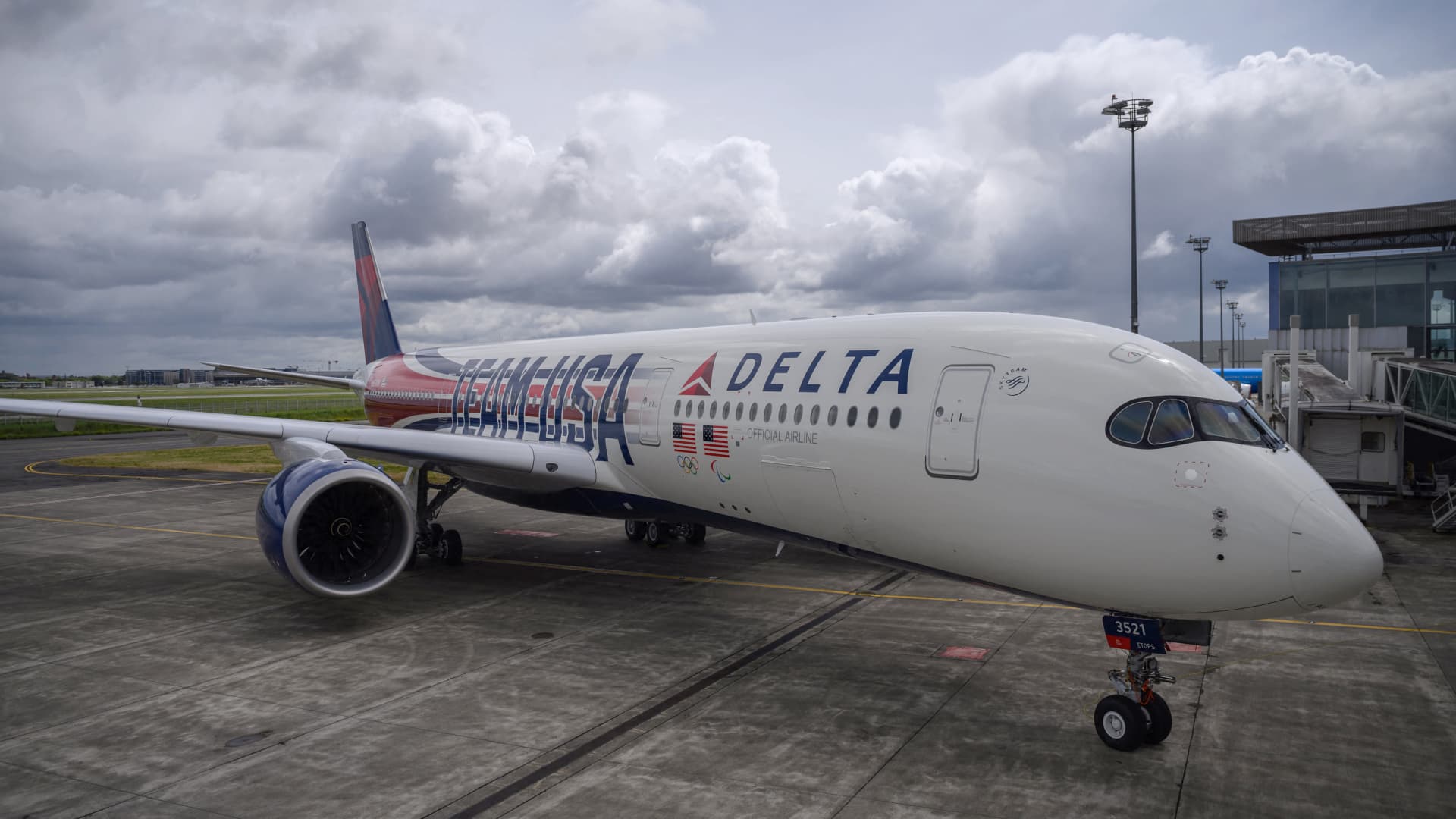
Saudi Arabia Flight Decision: Delta Weighs Safety Amid Regional Tensions
Published: Friday, October 9, 2026 · 7:21 AM

Skydance Vertical Win: Ellison’s Bold Strategy for Media Dominance
Published: Thursday, October 8, 2026 · 12:44 PM


