Published: Thursday, July 23, 2026 · 1:00 PM | Updated: Thursday, July 23, 2026 · 1:00 PM
📊 195 views




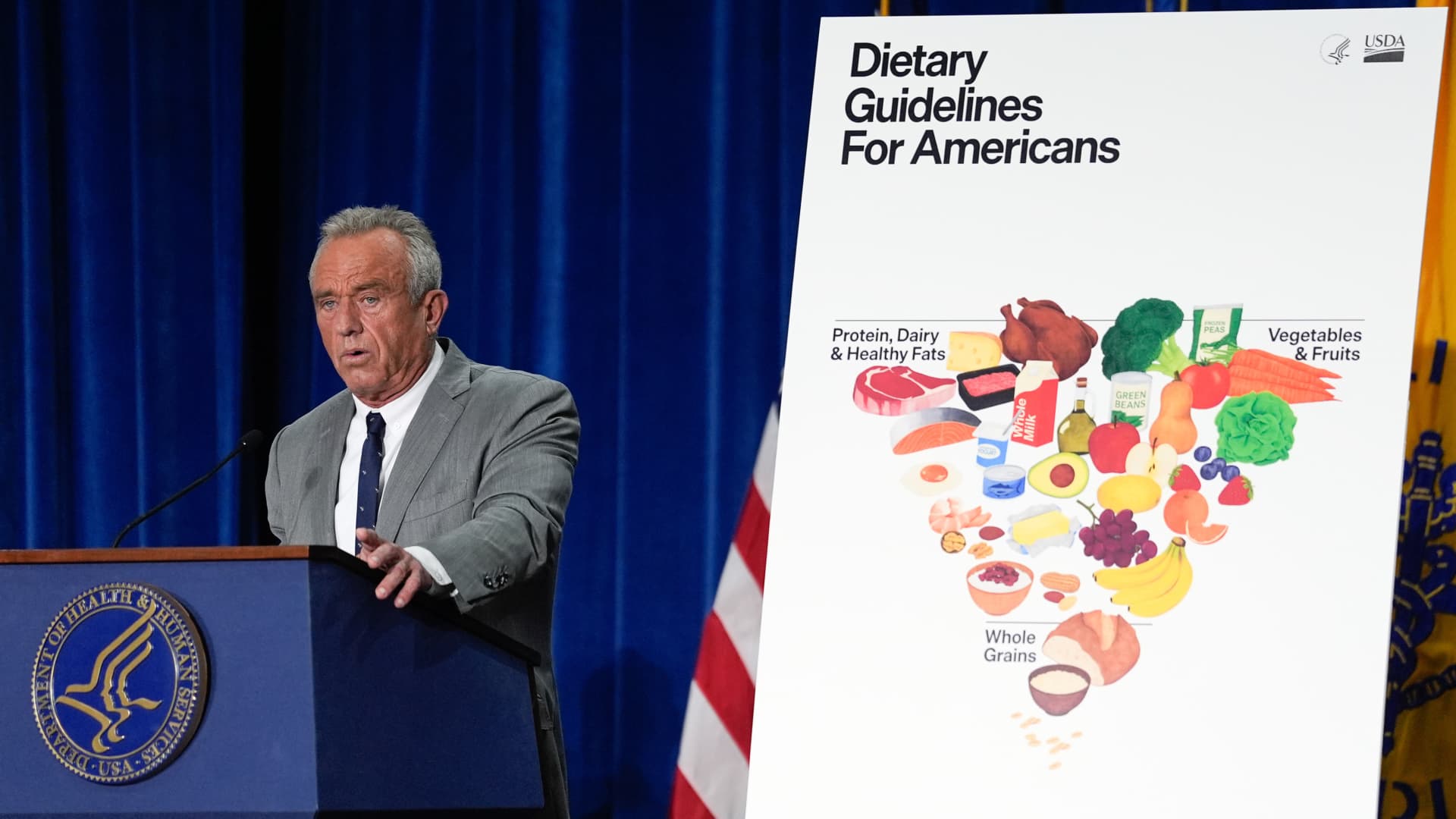
Robert F. Kennedy Jr.’s tenure at the U.S. Department of Health and Human Services faces its most significant challenge yet with a widespread Cyclospora outbreak, testing his commitment to reforming the nation’s food safety infrastructure and restoring public confidence in key agencies. This event highlights critical strategic failures in operational efficiency and capital allocation within federal health organizations, directly impacting public health and economic stability.
🗝️ Corporate Strategy Insights
- Operational Vulnerabilities Exposed. The multi-state Cyclospora outbreak reveals deep-seated weaknesses in the U.S. food safety system, particularly concerning investigation capacity and rapid response protocols.
- Erosion of Public Trust. Contradictory public statements and delayed information from agencies like the FDA and CDC directly undermine consumer confidence, posing a long-term challenge for regulatory legitimacy.
- Underfunded Oversight. Chronic underinvestment in food safety divisions, relative to other health sectors, limits personnel, research capabilities, and the ability to effectively monitor and contain foodborne illnesses.
The current Cyclospora outbreak, affecting thousands, has placed intense scrutiny on the operational capabilities of the Department of Health and Human Services (HHS), the Centers for Disease Control and Prevention (CDC), and the Food and Drug Administration (FDA). RFK Jr. assumed his role with a mandate to rebuild trust and overhaul a system long deemed underprepared for such public health crises. However, the ongoing challenges—including a retracted positive test result for Taylor Farms lettuce, a crucial misstep noted by Donald Schaffner, chair of food science at Rutgers University, as a ‘pretty big screw up’—underscore deep systemic issues.
Experts widely attribute these deficiencies to significant budget cuts and personnel reductions initiated by the previous administration. Craig Hedberg, co-director of the Minnesota Integrated Food Safety Center of Excellence, stated, ‘It is difficult to quantify precisely, but it is clear that the cuts to federal funding over the past year or so have reduced our capacity to respond to outbreaks like this.’ This reduction has impacted key functions from on-the-ground investigations to public communication. The CDC’s Division of Parasitic Diseases and Malaria, for instance, lost $40 million in funds from USAID, leading to approximately a quarter of its staff being cut. While some funds are anticipated to be recovered, the immediate impact on rapid response capability is undeniable, as Dr. Daniel Jernigan, former director of the CDC’s National Center for Emerging and Zoonotic Infectious Diseases, observed.
The underfunding extends beyond staffing. The CDC’s FoodNet, a critical surveillance network for tracking foodborne illnesses over time, ceased mandatory reporting for several pathogens, including cyclospora, due to insufficient resources. This decision, though defended by Kennedy as cutting ‘redundant surveillance,’ is viewed by experts as a direct consequence of chronic underinvestment. Furthermore, the FDA’s food center budget, at $1.17 billion, represents only about 17% of the agency’s total program spending, a fraction compared to funds allocated for drug and device regulation which largely come from industry fees. This disparity creates a strategic imbalance in public health protection.
- Staffing Reductions: CDC’s Division of Parasitic Diseases and Malaria lost roughly 25% of its staff due to USAID funding cuts, impairing emergency response capacity.
- Surveillance Gaps: CDC’s FoodNet program, vital for long-term tracking, halted mandatory reporting for key pathogens, including cyclospora, citing underfunding.
- Communication Failures: The FDA’s retraction of a positive cyclospora test for Taylor Farms lettuce created public confusion and eroded confidence in regulatory communications.
These challenges are exacerbated by delays in crucial policy implementation, such as the FDA’s Food Traceability Rule, intended to accelerate source identification during outbreaks but postponed for two and a half years. This postponement hinders the agencies’ ability to quickly pinpoint contamination sources, prolonging outbreaks and increasing public health risks.
The ongoing struggle to contain the Cyclospora outbreak and the perceived fumbling of the response have significant strategic ripple effects that extend far beyond public health. A diminished public trust in federal health agencies, particularly following the COVID-19 pandemic, creates a broader skepticism that can undermine future public health initiatives. This lack of confidence impacts consumer behavior, potentially affecting the entire food supply chain from producers like Taylor Farms to grocers and restaurants, as consumers grow wary of fresh produce. For businesses, this means increased operational risks, including potential product recalls, brand damage, and legal liabilities. The incident also highlights the vulnerability of domestic food systems, raising questions about national resilience against foodborne pathogens. The delay in implementing the FDA’s Food Traceability Rule, meant to enable swift source identification, directly impedes crisis management, prolonging economic disruption and health costs. This situation creates an opportunity for private sector innovators in food safety technology, but also a challenge for regulators to catch up.
‘It is not rocket science. Just fewer people, you don’t have the reserve.’ – Dr. Daniel Jernigan, former director of the CDC’s National Center for Emerging and Zoonotic Infectious Diseases, on the impact of budget cuts on outbreak response.
Operational funding for key food safety initiatives reveals a landscape of constrained resources that directly impacts agency effectiveness:
- CDC Food Safety Budget: $74 million for the current fiscal year, a mere $2 million increase from the previous year. This sum represents approximately 10% of the CDC’s budget for emerging and zoonotic infectious diseases, indicating a disproportionately small investment in preventing foodborne illnesses.
- FDA Food Center Budget: $1.17 billion, comprising about 17% of the agency’s total $7 billion program level spending. This allocation significantly lags behind funding for drug and device oversight, which benefit from substantial industry fees, highlighting a structural underinvestment in food safety that hinders comprehensive regulatory action.
- State Grant Reductions: A $5.78 billion termination in CDC grants to states, according to a May analysis by the Congressional Research Service. These cuts directly impact state-level epidemiological capacity and the ability to conduct critical case investigations for outbreaks, thereby compromising the front-line response to public health emergencies.
These figures collectively underscore a strategic underprioritization of food safety, leaving the nation vulnerable to widespread outbreaks and undermining public trust.
The US Food System: A Strategic Vulnerability Unveiled
The persistent challenges highlighted by the Cyclospora outbreak expose the US food system as a critical strategic vulnerability. Despite its vast scale and technological advancements, the foundational elements of public health oversight—surveillance, rapid response, and clear communication—are demonstrably fragile. This fragility stems from an investment disparity, where the immediate economic benefits of efficient food production often overshadow the long-term, systemic costs of insufficient regulatory frameworks. For businesses operating within this ecosystem, from farm to fork, this represents a significant unmitigated risk, potentially leading to widespread product contamination, expensive recalls, and irreversible brand damage. Proactive investment in food safety infrastructure, robust data analytics for traceability, and cross-agency collaboration are not merely regulatory burdens but essential components of a resilient and trustworthy food supply chain.
Regulatory Framework: Prioritizing Proactive Measures
Reforming the regulatory framework governing food safety requires a strategic shift from reactive crisis management to proactive risk mitigation. The delay in implementing the FDA’s Food Traceability Rule serves as a prime example of missed opportunities for enhanced operational efficiency. A modern regulatory approach would leverage technology for real-time tracking, enforce stricter penalties for non-compliance, and incentivize industry adoption of advanced safety protocols. Furthermore, a critical assessment of capital allocation within federal agencies is imperative. Diversifying funding sources beyond congressional appropriations for food safety, perhaps mirroring the industry fee model successful in drug regulation, could provide more stable and adequate resources. This would enable agencies to attract and retain specialized talent, invest in advanced diagnostic tools, and develop more agile communication strategies to effectively manage public health crises and safeguard stock markets from unforeseen disruptions.
Navigating the Cyclospora Outbreak: Rebuilding Public Trust
The Cyclospora outbreak serves as a stark reminder of the critical need for a robust and well-funded national food safety system. RFK Jr.’s administration faces immense pressure to not only contain the current crisis but also to implement durable reforms that restore confidence in the CDC and FDA. This involves addressing chronic underfunding, streamlining communication, and prioritizing proactive measures to prevent future outbreaks.
- Funding Reallocation: A strategic reassessment of budgetary priorities is essential to bolster food safety divisions within federal agencies.
- Traceability Enforcement: Expediting and enforcing the FDA’s Food Traceability Rule is crucial for rapid response and containment.
- Communication Clarity: Developing unambiguous and timely public health messaging is paramount to rebuilding consumer trust.
How will these systemic pressures reshape the operational strategies of major food producers and suppliers in the coming years?
📊 StockXpo Analyst’s View
Market Impact: This Cyclospora outbreak, alongside broader concerns about food safety oversight, introduces an element of uncertainty into the food and beverage sector. Investors may re-evaluate companies’ supply chain resilience and public health compliance records. While direct stock impacts on specific food suppliers might be contained, the overarching sentiment towards regulatory effectiveness could influence broader market dynamics, as reported by Bloomberg.
Sector To Watch: The AgTech and Food Safety Technology sectors are poised for potential growth. Companies offering advanced traceability solutions, rapid diagnostic tools, and supply chain integrity software could see increased demand as both regulators and producers seek to mitigate risks and enhance business resilience, according to Reuters reports. This incident underscores the strategic importance of investing in robust prevention and response mechanisms for long-term corporate growth strategies.
Financial Disclaimer:
StockXpo.com is a financial news aggregator and educational portal, not a registered investment advisor or broker-dealer. All information, news, and analysis provided herein are strictly for educational purposes and do not constitute investment, financial, legal, or tax advice. Investing in the stock market involves high risks, and past performance is not indicative of future results. StockXpo will not be liable for any financial losses or investment damages. Always consult a certified financial advisor before making market decisions.
MORE IN INSIDE BUSINESS

United Airlines Profit Outlook Slashed Amid Fuel Costs, Strong Demand Persists
Published: Wednesday, October 21, 2026 · 7:30 AM

General Motors Earnings Preview: A 30% EPS Surge Amidst Market Caution
Published: Tuesday, October 20, 2026 · 1:11 AM