Published: Wednesday, July 22, 2026 · 1:45 PM | Updated: Wednesday, July 22, 2026 · 1:45 PM
📊 195 views




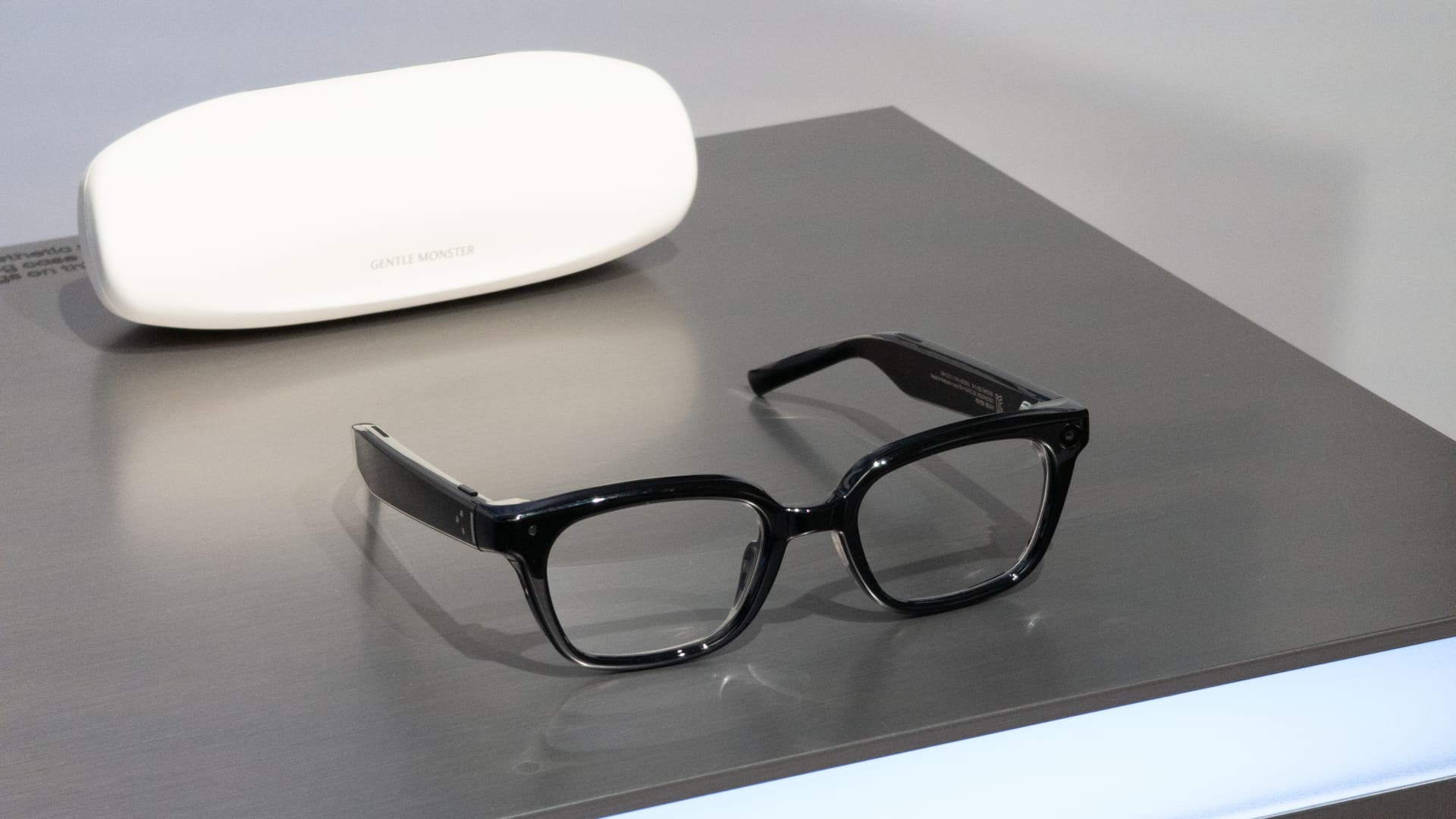
Samsung has officially thrown its hat into the burgeoning augmented reality (AR) market, detailing a suite of advanced features for its new smart glasses. This move directly pits the South Korean tech giant against Meta, which has largely dominated the category with its Ray-Ban smart glasses lineup, setting the stage for a critical battle in wearable technology.
🚀 Tech Strategy & Market Disruptions
- Market Disruption. Samsung’s premium entry into the smart glasses market aims to disrupt Meta’s established 69.2% share (IDC Q1 2026), signaling increased competition and innovation in the wearable space.
- AI-Powered Functionality. Key features include gesture controls via smartwatches/Galaxy Ring, a built-in camera for real-time content capture, and AI-powered summarization of messages and presentations, pushing the boundaries of contextual computing.
- Strategic Partnerships. Collaborations with fashion brands like Gentle Monster and Warby Parker, combined with Qualcomm’s Snapdragon AR1 Gen1 chip, underscore Samsung’s focus on design integration and robust hardware performance, crucial for broad consumer adoption.
Samsung’s reveal at its Galaxy Unpacked event showcased “intelligent eyewear” designed to capture user’s perspectives, read content, and summarize digital messages through built-in speakers. The device, powered by Qualcomm’s Snapdragon AR1 Gen1 chip, requires tethering to a smartphone and features a portable charging case. Furthermore, Samsung is actively testing gesture controls with its smartwatches and the recently launched Galaxy Ring, potentially allowing users to interact with the glasses through hand movements.
This aggressive push by Samsung into the smart glasses arena signals a pivotal moment for wearable technology. Meta, the current market leader, held a commanding 69.2% share in Q1 2026, according to IDC, with products like the $299 entry-level smart glasses and the $799 Meta Ray-Ban Display glasses. Samsung, positioning its offering as a “premium” product, faces the challenge of carving out significant market share despite its extensive consumer electronics footprint.
“The entry of a major player like Samsung into the AR smart glasses market is not merely a product launch; it’s a strategic re-calibration of the entire wearable tech landscape. Their emphasis on AI integration and ecosystem synergy—linking smart glasses with existing Galaxy devices—is a potent play for utility and stickiness, vital for moving AR beyond niche enthusiast adoption towards mainstream digital transformation.” – StockXpo CTO Insights
Samsung’s new smart glasses are set to launch this Fall with more designs and colors. While specific pricing remains undisclosed, analysts speculate a range between $600 and $700, reflecting its premium positioning. This pricing strategy will be crucial in a market where Meta offers both budget-friendly and display-equipped options. Paolo Pescatore, founder of PP Foresight, notes that while Samsung poses a serious challenge, converting its vast smartphone user base to complementary Galaxy devices has historically been a hurdle. Success hinges on delivering compelling everyday use cases that justify the investment beyond mere novelty.
- Meta Ray-Ban Entry-Level Glasses: Priced at $299, offering basic smart features and strong brand recognition.
- Meta Ray-Ban Display Glasses: Priced at $799, includes a built-in display for enhanced AR experiences.
- Samsung Smart Glasses: Positioned as ‘premium,’ undisclosed price (estimated $600-$700), featuring AI summarization, camera capture, and gesture controls via Samsung wearables.
Samsung Market Adoption Challenges: Overcoming Brand Inertia
Samsung’s history in converting its massive smartphone user base to other Galaxy devices presents a notable challenge for its smart glasses. While the brand enjoys significant loyalty in the smartphone segment, success in new categories like wearables requires more than just brand recognition. The key lies in demonstrating indispensable daily utility and seamless integration into users’ existing digital lives. Analyst Francisco Jeronimo from IDC highlights the risk of high pricing without a clear differentiator against Meta’s established offerings. Building consumer trust and showcasing tangible benefits beyond what a smartphone can provide will be essential for widespread adoption, particularly when venturing into a relatively nascent market like AR eyewear. Samsung must ensure their technology market trends analysis leads to compelling user experiences.
Samsung Ecosystem Expansion Potential: Beyond the Smartphone
The potential for Samsung’s smart glasses lies deeply within its robust ecosystem, linking the device to smartwatches and the Galaxy Ring for intuitive gesture controls. This integrated approach, leveraging existing and future Samsung hardware, could create a powerful, interconnected experience for users. Such synergy not only enhances the device’s functionality but also reinforces brand loyalty across multiple product categories. By partnering with fashion brands like Gentle Monster and Warby Parker, Samsung aims to address the aesthetic hurdles that have historically plagued smart eyewear, seeking to make the devices desirable as fashion accessories, not just gadgets. This strategy is critical for tapping into broader emerging technologies adoption and securing a future foothold in connected living. As reported by Reuters Technology, successful ecosystem plays are increasingly defining the winners in competitive tech sectors.
Samsung’s Smart Glasses: A New Frontier in Wearable Tech
Samsung’s entry into the smart glasses market with a premium offering marks a significant strategic pivot, signaling its ambition to redefine the wearable tech landscape. The detailed features, including AI capabilities and gestural controls, suggest a focus on advanced user interaction and practical utility.
- Samsung aims for a premium market segment, differentiating from Meta’s diverse price points.
- Success hinges on compelling daily use cases and seamless integration within the broader Samsung ecosystem.
- Strategic partnerships and a focus on design are critical to overcoming past adoption challenges in new device categories.
Will Samsung’s integrated ecosystem strategy and premium positioning be enough to dislodge Meta’s stronghold and ignite a new era for augmented reality eyewear, or will market inertia prove too strong?
📊 StockXpo Analyst’s View
Market Impact: Samsung’s aggressive move into smart glasses is poised to intensify competition, potentially driving accelerated innovation in the AR wearable sector. While Meta holds a dominant market share, Samsung’s brand power and ecosystem integration could attract a new segment of users, influencing investor sentiment towards diversified hardware plays. This development could spur increased R&D spending across the industry, impacting component suppliers and AI solution providers, as seen in Bloomberg Technology reports on tech investments. The ‘premium’ positioning, if executed well, might also expand the total addressable market by legitimizing higher price points for advanced features. Furthermore, our educational tech insights suggest that companies prioritizing user experience and ecosystem integration will lead.
Sector To Watch: The AR/VR and wearable technology sector is undoubtedly the primary beneficiary of this heightened competition. Beyond the direct competitors like Meta and Apple (with its upcoming Vision Pro), semiconductor companies like Qualcomm, AI software developers, and specialized optics manufacturers stand to gain from increased demand. Furthermore, the burgeoning smart accessory market, including smartwatches and smart rings, will see renewed interest as gesture control and interoperability become key differentiators, making these interconnected devices an important sector to monitor for future growth and M&A activity.
Financial Disclaimer:
StockXpo.com is a financial news aggregator and educational portal, not a registered investment advisor or broker-dealer. All information, news, and analysis provided herein are strictly for educational purposes and do not constitute investment, financial, legal, or tax advice. Investing in the stock market involves high risks, and past performance is not indicative of future results. StockXpo will not be liable for any financial losses or investment damages. Always consult a certified financial advisor before making market decisions.
MORE IN INSIDE TECHNOLOGY

AI Innovation Fuels Southeast Asia’s Digital Growth
Published: Thursday, October 22, 2026 · 12:36 AM
NextDC Shares Plunge: Power Delays Threaten Australia’s Data Center Growth
Published: Wednesday, October 21, 2026 · 1:50 AM