Published: Wednesday, July 22, 2026 · 6:35 AM | Updated: Wednesday, July 22, 2026 · 6:35 AM
📊 224 views




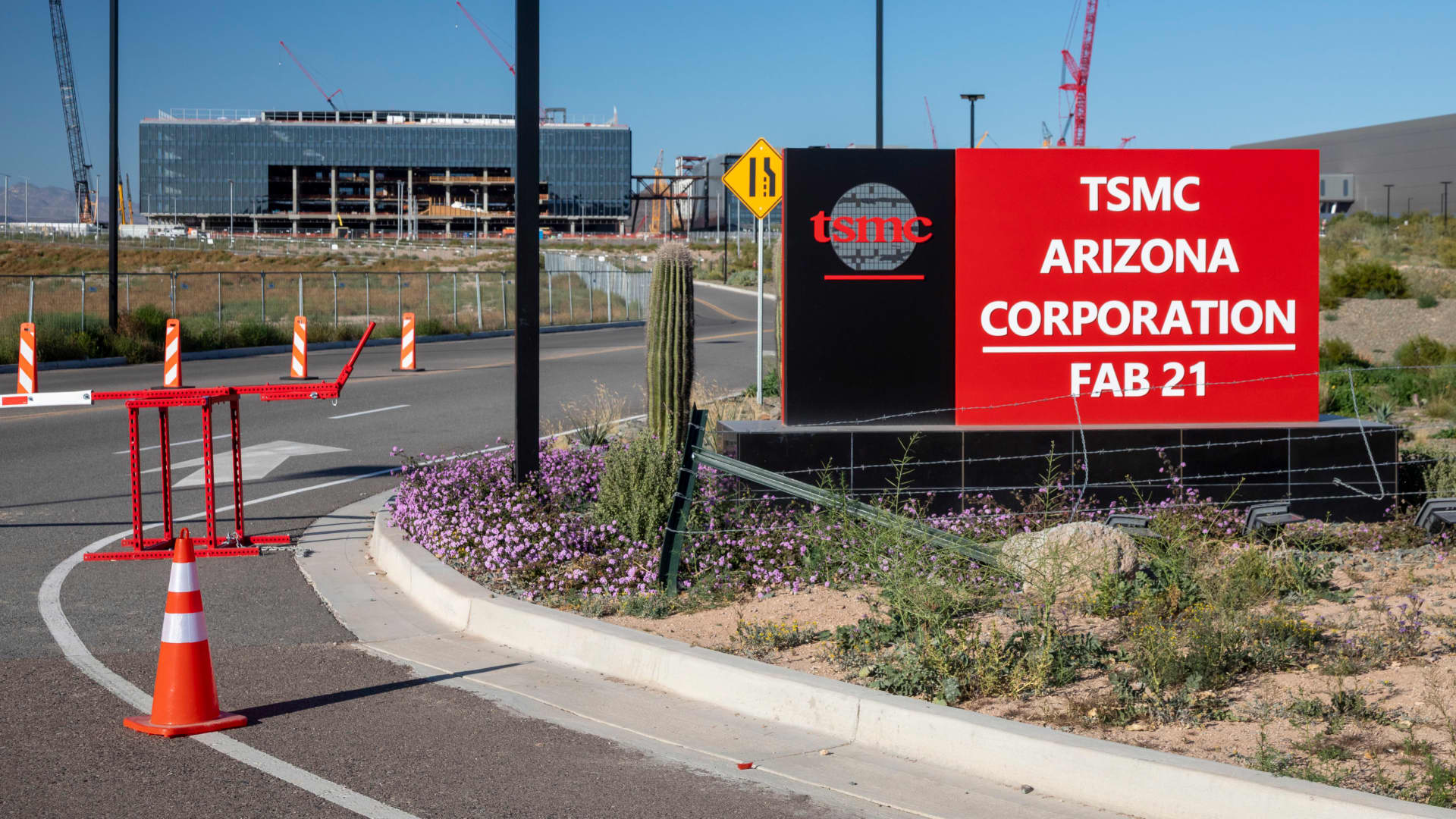
Taiwan Semiconductor Manufacturing Company (TSMC), the global leader in chip manufacturing, is facing mounting financial pressure as U.S. mandates for American-made AI chips drive up production costs. This strategic geopolitical shift, championed by President Trump, is squeezing the chipmaker’s traditionally robust margins despite booming demand from the artificial intelligence sector.
🚀 Tech Strategy & Market Disruptions
- Cost Escalation. TSMC’s significant U.S. investments are projected to increase chip production costs by 20-50%, directly impacting profitability and potentially leading to higher prices for advanced semiconductors globally.
- Geopolitical Diversification. The push for localized manufacturing, while costly, also addresses customer demands for supply chain resilience following recent global disruptions, a trend likely to persist beyond current administrations.
- AI Demand Sustains Growth. Despite margin pressures, the insatiable demand for AI chips continues to fuel TSMC’s revenue growth, allowing it to absorb some of the higher operational expenses associated with overseas expansion.
President Trump’s renewed focus on domestic manufacturing has forced TSMC to commit over $200 billion to U.S. facilities, including a recent $100 billion investment in advanced semiconductor manufacturing and packaging. While this move is intended to bolster American technological independence and create jobs, it comes at a substantial cost to TSMC. The company’s CFO, Wendell Huang, noted that while gross margins increased ahead of guidance this quarter, the dilution from overseas fabs is a clear headwind, expected to impact margins by 2-4% in the coming years. This suggests a delicate balancing act for TSMC, navigating political mandates while maintaining its competitive edge in a capital-intensive industry. These economic shifts are closely watched by those tracking broader technology market trends.
Building out fabrication plants in the United States incurs significantly higher expenses compared to Taiwan, a fact that Morningstar senior equity analyst Phelix Lee estimates could make US-produced chips 20-50% more expensive. This premium will likely be passed on to customers, who have little recourse given TSMC’s dominant position in leading-edge chip production. The company is reportedly set to raise prices by up to 10% in 2027, according to a Nikkei report, further underscoring the shift in cost dynamics.
- Increased Capital Expenditure: TSMC’s commitment of over $200 billion to U.S. manufacturing facilities is a direct response to political pressure, accelerating geographic diversification.
- Margin Compression: Gross margin dilution from overseas fabs is projected to be 2-3% initially, widening to 3-4% as projects scale, challenging TSMC’s historical profitability metrics.
- Customer Price Absorption: Due to TSMC’s market dominance, particularly in advanced nodes, customers are expected to absorb a significant portion of these increased production costs, potentially through price hikes up to 10%.
- Supply Chain Resilience: The investments address growing customer and government demands for more resilient and geographically diversified semiconductor supply chains, mitigating future disruption risks.
The ripple effect of this strategic redirection is profound. Political pressure to manufacture American-made AI chips acts as a direct cause, leading to substantial capital expenditure and elevated operational costs for TSMC. This, in turn, impacts TSMC’s gross margins, which then flows down to clients through anticipated price increases for advanced semiconductors. Ultimately, this dynamic could reshape global semiconductor supply chains, encouraging localized innovation and potentially fostering a more diversified, albeit more expensive, chip ecosystem worldwide.
‘The strategic drive for localized semiconductor manufacturing, particularly for advanced components like American-made AI chips, represents a profound re-evaluation of global supply chain resilience over pure cost efficiency. While initially impacting the bottom line of industry leaders like TSMC, it simultaneously fosters the development of new regional innovation hubs and diversifies critical technological infrastructure against geopolitical volatility.’ – StockXpo CTO Insights
TSMC Platform Architecture Under Scrutiny
TSMC’s foundational platform architecture, built on decades of optimization in Taiwan, faces new challenges as it scales to U.S. operations. The highly integrated and efficient ecosystem in Taiwan, encompassing specialized suppliers, skilled labor, and rapid R&D cycles, is difficult to replicate. Moving significant portions of advanced manufacturing to the U.S. requires not only substantial financial investment but also the meticulous reconstruction of this intricate supply chain and talent pool. This includes establishing entirely new packaging and testing facilities, crucial for optimizing the performance of cutting-edge AI chips, which historically have been concentrated in Asia. The company must ensure its new U.S. fabs can integrate seamlessly while maintaining the precise specifications and yield rates its global clients expect for emerging technologies.
Semiconductor Ecosystem Expansion Potential in the U.S.
The push for American-made AI chips, driven by policies like the CHIPS Act and presidential mandates, offers a significant opportunity to reinvigorate the U.S. semiconductor ecosystem. Beyond TSMC’s substantial investments, other Asian chipmakers, such as SK Hynix, are also exploring U.S. facilities, signaling a broader industry shift. This influx of capital and expertise could foster a robust domestic supply chain, from raw materials and equipment manufacturing to R&D and advanced packaging. Such expansion could create tens of thousands of high-paying jobs and establish the U.S. as a more significant player in leading-edge chip production, ultimately enhancing national security and economic competitiveness in critical areas like AI and high-performance computing. This dynamic could also lead to new educational tech insights and specialized workforce training.
TSMC’s Strategic Calculus: Navigating Geopolitics and Profitability
TSMC is deftly navigating the complex terrain of geopolitical mandates and core business profitability, demonstrating resilience in the face of significant new cost structures. While the push for American-made AI chips introduces margin pressure, the unparalleled demand from the AI boom provides a crucial buffer, allowing the company to absorb and potentially pass on increased expenses. This strategic pivot underscores a broader industry move towards diversified, resilient supply chains, a trend likely to shape the global technology landscape for years to come.
- TSMC’s record-breaking profit growth signals robust demand for its advanced technologies, particularly from the AI sector, mitigating the immediate impact of higher U.S. operating costs.
- The company’s strategic investments in the U.S. are a direct response to government policy, creating new production hubs while exposing it to higher regional operating expenses.
- Future profitability will hinge on TSMC’s ability to effectively manage these increased costs, potentially through price adjustments and optimized operational efficiencies in its new overseas facilities.
Will the long-term benefits of a geographically diversified supply chain outweigh the short-term margin erosion for global chipmakers?
### 📊 StockXpo Analyst’s View
Market Impact: This development signals a structural shift in the global semiconductor market, prioritizing supply chain resilience and national security over pure cost optimization. While TSMC’s margins may compress, its dominant position means customers are likely to absorb the increased costs, dampening any significant negative investor sentiment beyond initial re-evaluations. Market liquidity for advanced chip stocks might see continued strong interest due to AI demand, but with an added premium for geographically diversified production capabilities.
Sector To Watch: The semiconductor equipment and materials sector will be a primary beneficiary, as new U.S. fabs require massive investment in advanced tools and components. Additionally, companies involved in industrial automation and specialized construction for high-tech manufacturing facilities will see increased demand. Companies in the broader digital transformation ecosystem reliant on advanced chips might face slight cost increases, but the security of supply could justify the premium.
Financial Disclaimer:
StockXpo.com is a financial news aggregator and educational portal, not a registered investment advisor or broker-dealer. All information, news, and analysis provided herein are strictly for educational purposes and do not constitute investment, financial, legal, or tax advice. Investing in the stock market involves high risks, and past performance is not indicative of future results. StockXpo will not be liable for any financial losses or investment damages. Always consult a certified financial advisor before making market decisions.
MORE IN INSIDE TECHNOLOGY

AI Innovation Fuels Southeast Asia’s Digital Growth
Published: Thursday, October 22, 2026 · 12:36 AM
NextDC Shares Plunge: Power Delays Threaten Australia’s Data Center Growth
Published: Wednesday, October 21, 2026 · 1:50 AM