
Published: Tuesday, July 21, 2026 · 8:53 PM | Updated: Tuesday, July 21, 2026 · 8:53 PM
📊 219 views




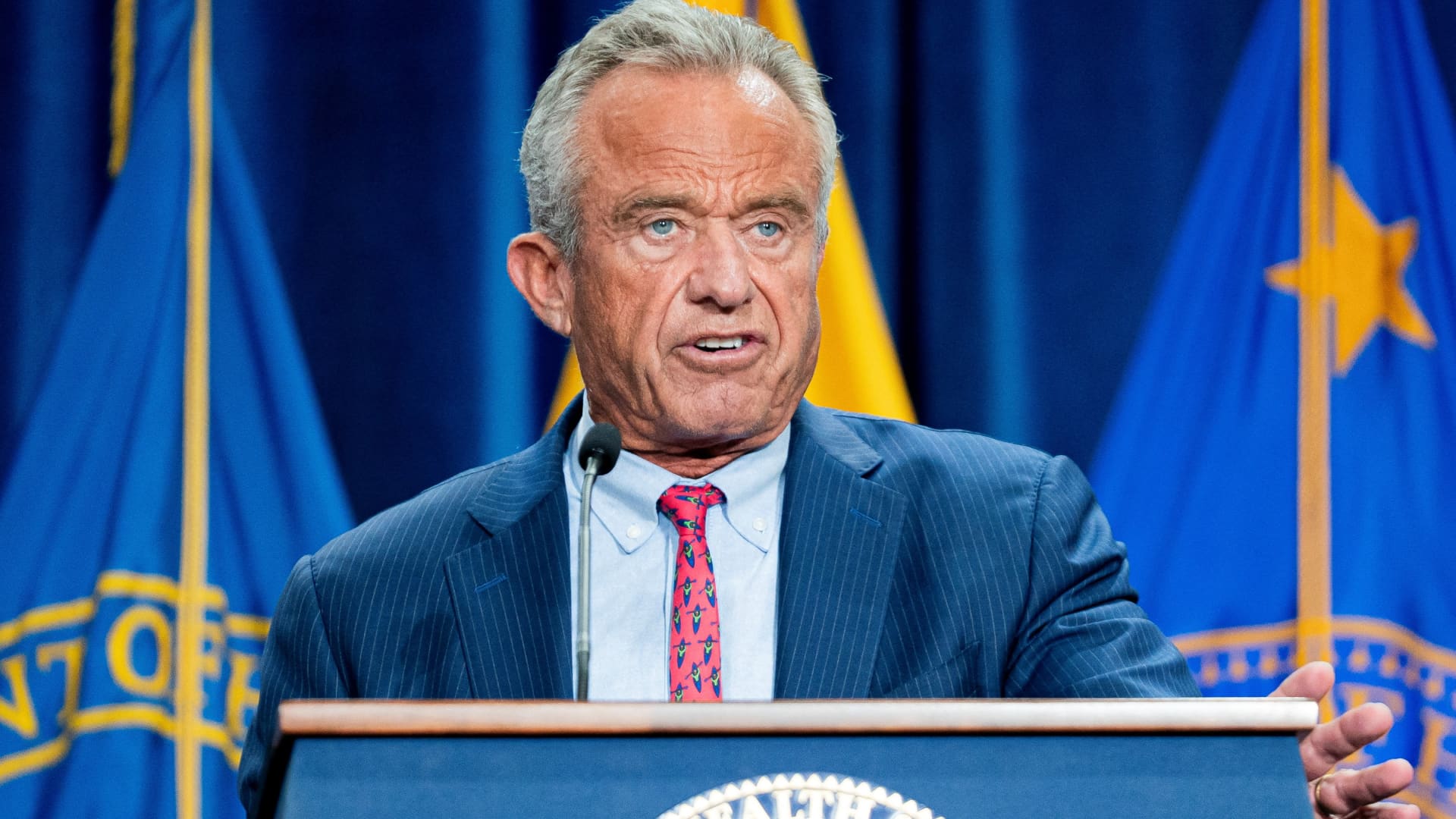
Health and Human Services Secretary Robert F. Kennedy Jr. has announced that the ongoing cyclospora outbreak is now ‘under control,’ a declaration that arrives as federal agencies face mounting criticism over their handling of the widespread foodborne illness. This development carries significant implications for supply chain integrity and public health communication, particularly impacting consumer trust in major food service providers like Yum Brands’ Taco Bell.
🗝️ Corporate Strategy Insights
- Rapid Response Imperative. Companies like Taylor Farms and Yum Brands initiated recalls and product removal swiftly, underscoring the critical need for agile crisis management in the food industry to mitigate reputational damage and legal liabilities.
- Supply Chain Vulnerability. The incident highlights inherent risks in extensive global supply chains, specifically fresh produce from regions like central Mexico, pushing firms to reassess sourcing resilience and oversight.
- Regulatory Scrutiny and Public Trust. Federal agencies, including the FDA and CDC, are under fire for perceived delays and communication missteps, emphasizing how government response directly influences market stability and public confidence in corporate safety protocols.
Secretary Kennedy’s Tuesday statement, made during a briefing on healthcare fraud, confirmed that the source of the cyclospora outbreak has been identified as shredded iceberg lettuce from central Mexico, supplied by produce giant Taylor Farms. The implicated companies have implemented a recall, and Taco Bell, a subsidiary of Yum Brands, has pulled the contaminated produce from its restaurants. The FDA and CDC, both under Kennedy’s leadership, have been heavily criticized for their delayed public alerts and challenges in tracing the source of the parasite, which first caused illnesses on May 13.
Critics attribute some of these delays to agency cuts initiated during the previous administration, specifically mentioning the FoodNet program, which ceased mandatory reporting for several pathogens, including cyclospora, last year due to funding reductions. Kennedy, however, dismissed these criticisms as ‘invalid,’ asserting that cuts were made in ‘redundant surveillance’ within the FoodNet program and not in direct surveillance efforts for outbreaks. The intricate nature of cyclospora itself, with its lengthy incubation period, also presented investigative challenges, according to officials.
Despite a temporary false positive test for cyclospora in a Taylor Farms lettuce sample that briefly caused confusion, the FDA reaffirmed its strong suspicion that the company’s iceberg lettuce is the definitive source. The incident underscores the complex interplay between public health, food safety, and corporate responsibility. For businesses engaged in food production and service, robust transparency and rapid response protocols are paramount when confronting such health crises. For investors, understanding these operational risks is crucial for long-term stock markets investment analysis.
- The cyclospora outbreak has led to over 1,644 reported cases and 94 hospitalizations across multiple states, with no fatalities, highlighting the scale and public health burden of the incident.
The Strategic Ripple Effect of Foodborne Illness
An event like the cyclospora outbreak creates a cascading strategic ripple effect throughout the food industry. The initial contamination (Cause) necessitates product recalls and removal (Effect), leading to immediate operational disruptions for implicated companies like Taylor Farms and Yum Brands. This, in turn, triggers intense scrutiny of their supply chain management and food safety protocols (Effect), potentially eroding consumer trust and brand reputation (Effect). Competitors who maintain stringent safety standards might see a short-term boost in market share, but the overall market for fresh produce or fast-food dining could face a temporary dip as consumers become wary. Ultimately, such outbreaks often lead to calls for increased regulatory oversight and industry-wide improvements in food traceability and hygiene (Effect), impacting future operational costs and compliance burdens for all players within the sector.
The swift, transparent response to a food safety crisis is not just a regulatory obligation but a foundational element of maintaining corporate credibility and market leadership in the highly competitive food and beverage sector.
Key Indicators from the Cyclospora Outbreak
* **Case Count:** 1,644 reported illnesses, indicating the broad public health impact and potential for widespread contamination. This metric signals the severity and reach of the food safety breach.
* **Hospitalizations:** 94 individuals hospitalized, reflecting the serious health consequences and the burden on healthcare systems. This often correlates with higher reputational damage and potential litigation risks for involved companies.
* **Recall Implementation:** Taylor Farms’ recall of implicated lettuce and Taco Bell’s removal of the product are critical indicators of responsive corporate action, aiming to contain the outbreak and protect consumers.
Yum Brands’ Market Leadership Under Scrutiny
Yum Brands, with its diverse portfolio including Taco Bell, KFC, and Pizza Hut, operates as a global quick-service restaurant giant. Its market leadership is built on extensive brand recognition, efficient franchise models, and supply chain optimization. However, the involvement of Taco Bell in the cyclospora outbreak highlights a vulnerability: the reliance on third-party fresh produce suppliers. While Taco Bell reacted by pulling the product, any association with a foodborne illness can temporarily tarnish brand perception, requiring significant marketing and operational efforts to reassure consumers. Maintaining market leadership demands not only consistent product quality but also an impeccable safety record that can withstand external supply chain shocks. Strategic investments in supplier vetting and robust internal food safety audits are critical for protecting its considerable equity in a competitive landscape.
Taylor Farms Strategic Analysis
Taylor Farms stands as a dominant force in the fresh-cut produce industry, leveraging large-scale agricultural operations and advanced processing capabilities to serve a vast network of restaurants and retailers. Its strategic advantage lies in its capacity for efficient, high-volume production and distribution. However, the cyclospora incident originating from their central Mexico lettuce operations exposes a critical point of failure in their quality control and risk management frameworks. A strategic analysis of Taylor Farms must now pivot towards strengthening international supply chain oversight, implementing more rigorous pathogen testing, and enhancing transparency with regulatory bodies and customers. The recall, while necessary, represents a significant operational and financial setback, potentially forcing a reevaluation of their global sourcing strategy to minimize future food safety risks and safeguard their extensive client base, vital for corporate growth strategies.
Assessing the Cyclospora Outbreak’s Broader Implications
The declaration that the cyclospora outbreak is ‘under control’ offers a moment of respite, yet the underlying issues of regulatory responsiveness and supply chain resilience persist. For the food industry, this event serves as a stark reminder of the paramount importance of stringent safety protocols and transparent communication. Companies will undoubtedly face pressure to re-evaluate their sourcing, especially for fresh produce, and enhance their ability to trace and contain contaminations swiftly. The reputational fallout for entities like Taco Bell, despite their quick action, underscores the fragility of consumer trust in the wake of public health scares.
- The incident will likely spur greater investment in food safety technology and traceability solutions across the supply chain.
- Expect enhanced scrutiny from consumers and regulators regarding the origins and handling of fresh ingredients in prepared foods.
- Food service companies may increasingly favor suppliers with demonstrable, verifiable safety records and robust incident response plans.
How will this cyclospora outbreak ultimately reshape global food safety standards and corporate accountability within the produce and restaurant sectors?
📊 StockXpo Analyst’s View
Market Impact: The cyclospora outbreak, though declared ‘under control,’ will likely cast a long shadow on the food service and fresh produce sectors. Investor sentiment towards companies with extensive, complex supply chains may cool, with a premium placed on firms demonstrating superior traceability and quality control. Expect short-term volatility for directly impacted companies like Yum Brands, which will need to deploy significant resources to reinforce consumer confidence and mitigate brand erosion. The emphasis on operational efficiency will shift to include resilience against health risks, potentially affecting valuations.
Sector To Watch: The agribusiness and food technology sectors warrant close observation. Companies specializing in supply chain analytics, rapid pathogen detection, and agricultural risk management solutions are poised for increased demand as the industry seeks to fortify against future outbreaks. Furthermore, fast-casual and quick-service restaurant chains, particularly those reliant on fresh ingredients, will face pressure to innovate their sourcing strategies, driving potential shifts in procurement partnerships. This story highlights the need for dynamic insights in business news and financial markets as well as general educational insights for investors.
Financial Disclaimer:
StockXpo.com is a financial news aggregator and educational portal, not a registered investment advisor or broker-dealer. All information, news, and analysis provided herein are strictly for educational purposes and do not constitute investment, financial, legal, or tax advice. Investing in the stock market involves high risks, and past performance is not indicative of future results. StockXpo will not be liable for any financial losses or investment damages. Always consult a certified financial advisor before making market decisions.
MORE IN INSIDE BUSINESS
American Airlines loss forecast: Strategic Capacity Slowdown Expected
Published: Thursday, October 22, 2026 · 8:40 AM
United Airlines Profit Outlook Slashed Amid Fuel Costs, Strong Demand Persists
Published: Wednesday, October 21, 2026 · 7:30 AM


