Published: Tuesday, July 21, 2026 · 10:57 PM | Updated: Tuesday, July 21, 2026 · 10:57 PM
📊 204 views




The Federal Reserve recently found itself in a precarious position, alerting major financial institutions about the cybersecurity risks posed by Anthropic’s Mythos AI model while lacking access to the very tool designed to mitigate these threats. This unusual lag, extending for months, has exposed a significant disconnect between rapid AI innovation and critical regulatory oversight, raising questions about systemic vulnerability within the U.S. financial system.
🚀 Tech Strategy & Market Disruptions
- Regulatory Oversight Gap. The Federal Reserve, despite sounding alarms about Anthropic’s Mythos AI and its cybersecurity implications, was denied access to the model for an extended period, creating a critical vulnerability in systemic financial protection.
- Asymmetric AI Adoption Risk. While leading private financial institutions like JPMorgan Chase and tech giants such as Google leveraged Mythos to identify and patch software weaknesses, the central bank remained without this cutting-edge defense tool, highlighting a dangerous asymmetry in risk mitigation.
- Geopolitical Stakes in AI Leadership. This domestic regulatory friction occurs as global competitors, notably Chinese AI firms like Moonshot AI, advance rapidly with models like Kimi K3, raising concerns among U.S. tech executives and policymakers about maintaining America’s technological edge.
In April, the Federal Reserve and the Treasury Department convened an extraordinary meeting with top U.S. bank CEOs, signaling an urgent concern over an advanced AI model capable of identifying cybersecurity vulnerabilities. This model, Anthropic’s Mythos AI (specifically the Claude Mythos Preview), was touted by its developer for its prowess in uncovering software weaknesses and was part of a cybersecurity initiative called Project Glasswing. However, a startling revelation emerged: the Fed itself spent at least three months without access to Mythos, leaving the arguably most systemically important global financial institution exposed, even as private institutions began fortifying their defenses. As of mid-July, the central bank was still working to secure access.
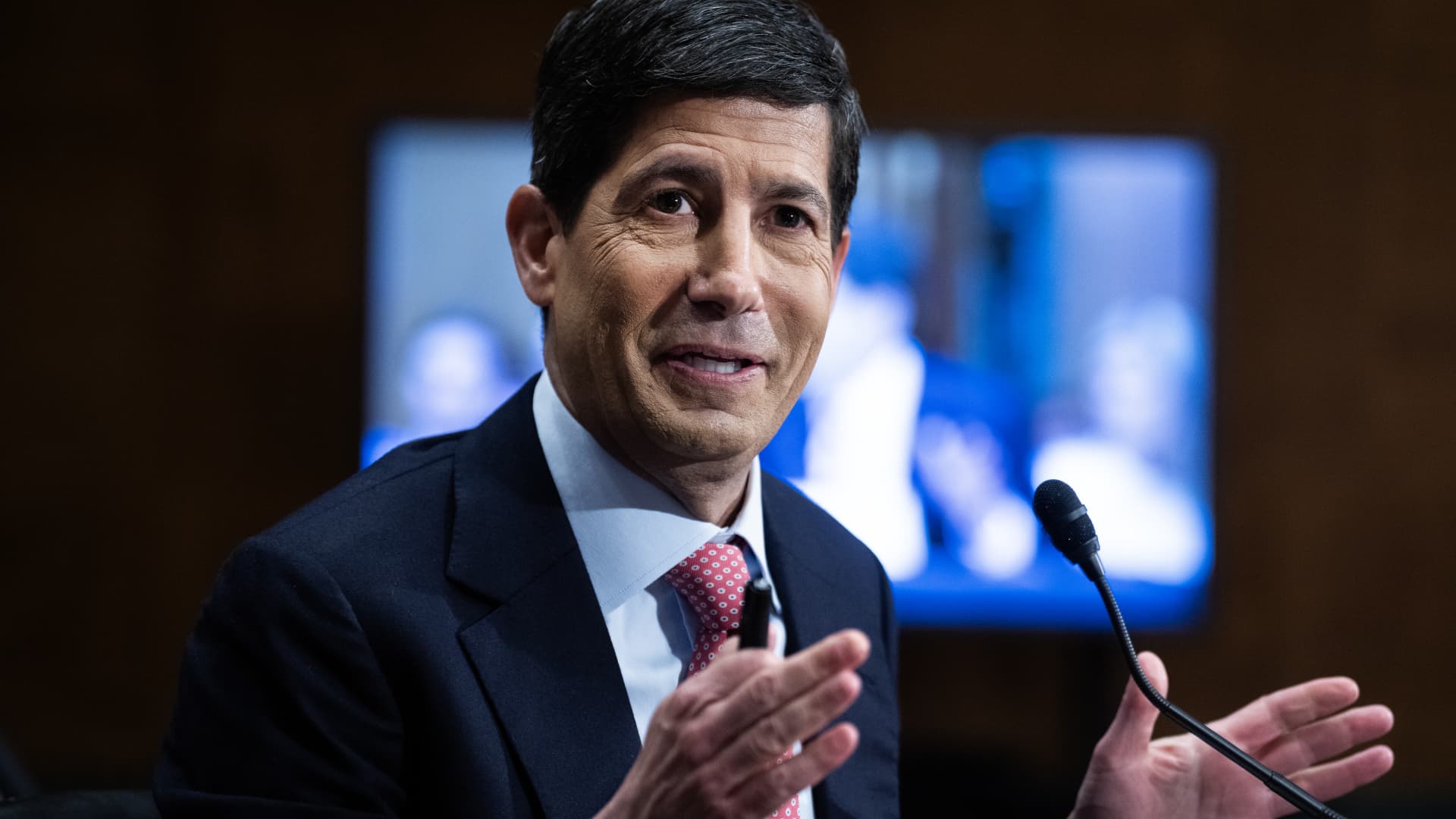
Former Fed Chair Jerome Powell initially raised the alarm with Treasury Secretary Scott Bessent. His successor, Chairman Kevin Warsh, publicly testified about the ongoing struggle to gain access to Mythos and other crucial AI models. Warsh emphasized the need for the Fed and other institutions to acquire these tools to ‘patch any vulnerabilities that we have,’ a critical step impossible without direct engagement with the technology. This situation points to a broader challenge in balancing rapid technological advancement with governmental regulatory capacity, echoing discussions across various sectors exploring emerging technologies.
Anthropic had initially rolled out Claude Mythos Preview to approximately 50 organizations, including major players like JPMorgan Chase, Amazon, Apple, and Google. By June, Project Glasswing expanded to over 150 organizations across 15 countries. The omission of the Federal Reserve from this initial access group surprised industry observers, including Daniel Newman, CEO of the Futurum Group, who noted, ‘You would think that the financial institution that sort of drives all the policy for the rest of the financial institutions would be front and center of at least having a chance to evaluate the new technology.’ The incident also occurred amidst a tumultuous period for AI regulation under the Trump administration, which imposed and later lifted export controls on Anthropic’s updated models, Mythos 5 and Fable 5, citing ‘national security authorities.’ This regulatory instability, compounded by leadership changes at the Center for AI Standards and Innovation, further complicates the landscape for AI developers and adopters.
Beyond domestic hurdles, the U.S. faces escalating international competition. Chinese open-weight models, such as Moonshot AI’s Kimi K3, are increasingly challenging offerings from U.S. leaders like OpenAI and Anthropic, outperforming them on some industry benchmarks. Venture capitalist David Sacks expressed ‘concern’ over Kimi K3’s performance, warning that ‘America is tying itself in knots’ and risks losing the AI race. This geopolitical backdrop amplifies the urgency for U.S. institutions, particularly critical ones like the Fed, to not only gain access to cutting-edge tools but also to lead in their responsible deployment and oversight. For those looking to understand broader technology market trends, these dynamics are crucial.
The rapid deployment of advanced AI models like Anthropic’s Mythos AI fundamentally disrupts traditional cybersecurity paradigms by offering unprecedented capabilities in identifying software vulnerabilities. This innovation, while beneficial for proactive defense, creates a significant risk if key regulatory bodies, such as the Federal Reserve, are unable to evaluate and implement such tools promptly. The cause-and-effect chain is clear: novel AI-driven threat identification tools emerge, driving immediate adoption in the private sector for competitive advantage; simultaneously, a delay in regulatory access leads to information asymmetry and heightened systemic risk across critical infrastructure. This dynamic could compel financial regulators to accelerate their technology acquisition and evaluation processes, potentially shifting policy towards mandating real-time AI threat intelligence sharing across the sector. Learn more about these shifts through various educational tech insights available.
‘The current situation with Anthropic’s Mythos AI and the Federal Reserve highlights a critical dilemma for national security and financial stability: the pace of AI innovation far outstrips traditional governmental procurement and regulatory frameworks. For CTOs, this underscores the imperative not just to adopt cutting-edge AI for defense, but also to actively engage in policy dialogues to ensure a resilient, coordinated national cybersecurity posture,’ commented a senior StockXpo technology architect.
The initial rollout and subsequent access issues surrounding Anthropic’s Mythos AI demonstrate a fragmented adoption landscape:
- Initial Access (April): Approximately 50 organizations, predominantly leading financial institutions (e.g., JPMorgan Chase) and major technology firms (e.g., Amazon, Apple, Google).
- Expanded Access (June): Over 150 organizations across 15 countries gained access to Project Glasswing, indicating broader commercial and institutional interest.
- Federal Reserve’s Status: As of mid-July, after sounding alarms in April, the U.S. central bank was still actively seeking access, underscoring a significant delay in its ability to directly evaluate the model’s implications.
Anthropic’s Security & Infrastructure Strength
Anthropic’s development of Mythos AI, specifically its capability to excel at identifying weaknesses and security vulnerabilities within software, points to a robust foundational architecture built with high-stakes applications in mind. The company’s focus on enterprise-grade cybersecurity solutions for the financial sector suggests a commitment to rigorous security protocols, advanced threat detection algorithms, and potentially secure deployment models. This deep specialization in vulnerability assessment positions Anthropic as a critical partner for institutions grappling with sophisticated cyber threats, reflecting substantial investment in AI ethics, safety, and reliability, as reported by leading technology publications such as Forbes.
Anthropic’s Market Adoption Challenges
Despite its technical prowess, Anthropic’s Mythos AI has faced notable market adoption challenges, primarily stemming from the intricate interplay of commercial rollout and national security considerations. The imposition of export controls by the federal government, even if temporary, created significant hurdles, forcing Anthropic to disable and then selectively restore access to its advanced models. This incident highlights the difficulty for AI innovators in navigating evolving regulatory frameworks and geopolitical sensitivities, particularly when their technology holds dual-use potential. Furthermore, the Federal Reserve’s delayed access underscores the need for clear, expedited channels for critical government entities to evaluate and integrate cutting-edge AI for public good and national security.
Anthropic’s Mythos AI: Navigating Geopolitical and Regulatory Fault Lines
The ongoing saga surrounding Anthropic’s Mythos AI vividly illustrates the profound challenges at the intersection of rapid technological innovation, national security, and regulatory oversight. This incident underscores the urgent necessity for governmental bodies, especially those critical to financial stability, to implement proactive strategies for engaging with and understanding cutting-edge AI tools. The discrepancy in access between the private sector and the central bank not only creates systemic risk but also highlights a potential erosion of the U.S. leadership position in AI if regulatory agility does not keep pace with innovation.
- The incident reveals a dangerous lag in regulatory access to critical AI cybersecurity tools.
- It underscores the need for streamlined pathways for government agencies to evaluate and deploy advanced AI.
- The U.S. must synchronize its AI innovation and regulatory efforts to maintain global competitiveness, particularly against rising powers, as Reuters reported.
How will this pressure catalyze a more unified and responsive national AI strategy, preventing future critical vulnerabilities?
📊 StockXpo Analyst’s View
Market Impact: This situation could trigger a significant reassessment of cybersecurity spending within the financial sector, driving increased investment in AI-powered threat detection and vulnerability management solutions. Investor sentiment may shift towards companies demonstrating robust regulatory compliance and proactive engagement with governmental bodies on security matters, potentially penalizing those perceived as lagging or creating systemic risks. The market may also price in higher operational risks for financial institutions operating without the latest defensive AI.
Sector To Watch: The cybersecurity and RegTech (Regulatory Technology) sectors are poised for accelerated growth. Companies specializing in AI ethics, compliance, and secure data sharing platforms will see heightened demand. Furthermore, defense contractors and technology firms capable of securing government contracts for AI integration and national infrastructure protection will likely experience increased strategic importance and valuation. The competitive landscape for AI foundational models will also intensify, with a premium placed on trust and regulatory navigability.
Financial Disclaimer:
StockXpo.com is a financial news aggregator and educational portal, not a registered investment advisor or broker-dealer. All information, news, and analysis provided herein are strictly for educational purposes and do not constitute investment, financial, legal, or tax advice. Investing in the stock market involves high risks, and past performance is not indicative of future results. StockXpo will not be liable for any financial losses or investment damages. Always consult a certified financial advisor before making market decisions.
MORE IN INSIDE TECHNOLOGY

AI Innovation Fuels Southeast Asia’s Digital Growth
Published: Thursday, October 22, 2026 · 12:36 AM
NextDC Shares Plunge: Power Delays Threaten Australia’s Data Center Growth
Published: Wednesday, October 21, 2026 · 1:50 AM