Published: Wednesday, July 15, 2026 · 2:35 AM | Updated: Wednesday, July 15, 2026 · 2:35 AM
📊 246 views




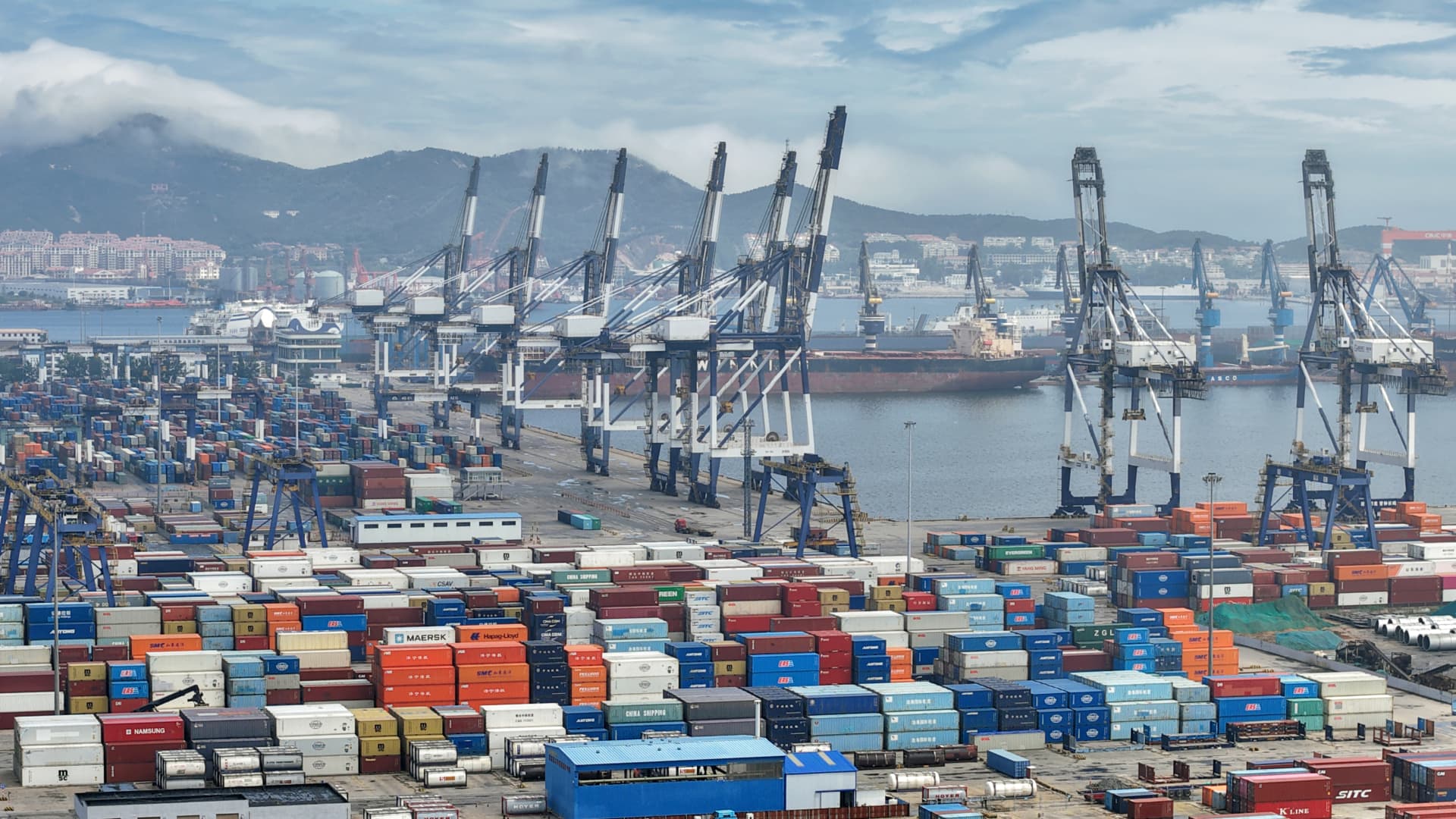
China’s second-quarter economic performance signals a concerning deceleration, with Gross Domestic Product (GDP) growth hitting its slowest pace since 2022 at 4.3%. This marks a significant miss against market expectations and underscores persistent domestic headwinds, posing broader questions for global economic stability and systemic growth in the coming months.
📊 Macro-Economic Strategic Insights
- Weakening Investment Pulse. A sharp 5.7% decline in urban fixed-asset investment highlights a critical slowdown in key growth drivers like real estate and infrastructure, indicating a structural challenge rather than a cyclical dip.
- Subdued Consumption Recovery. While retail sales showed a modest 1% uptick in June, this rebound from a prior monthly decline suggests consumer confidence remains fragile, with tepid demand and heavy discounting still prevalent.
- Policy Stance Under Scrutiny. Despite the miss, Beijing is likely to maintain its current policy course, prioritizing the annual growth target, which could mean delayed or insufficient stimulus measures to counteract the deepening imbalances.
The latest figures from China’s National Statistics Bureau reveal a stark contrast to the 5% growth recorded in the first quarter. This deceleration is primarily attributed to an escalating slide in investments, exacerbated by a prolonged property downturn and tighter municipal borrowing constraints. Urban fixed-asset investment, a traditional engine of China’s economic expansion, contracted by 5.7% in the first six months, significantly worsening from the previous period and falling short of projections. This indicates a deeper systemic issue affecting China’s growth trajectory.
On the consumption front, while June retail sales managed a 1% year-on-year increase, reversing a slight dip in May, the underlying trend remains weak. This marginal improvement, which outpaced economists’ forecasts, was largely driven by merchants’ aggressive discounting strategies rather than a surge in organic consumer demand. The subdued nature of domestic consumption, coupled with ongoing trade tensions with major partners like the U.S. and the European Union, further constrains Beijing’s ambitious, yet comparatively modest, full-year growth target of 4.5% to 5%.
Conversely, industrial output demonstrated more resilience, expanding by 5.3% in June. This robust performance, which exceeded forecasts, is largely propelled by strong exports linked to the global artificial intelligence investment boom. However, this dichotomy between manufacturing strength and weak domestic demand points to a significant supply-demand imbalance within the Chinese economy. This scenario, if unaddressed, could lead to increased inventory build-ups and put further pressure on prices, contributing to deflationary risks that can ripple through global supply chains. For detailed economic analysis, understanding trends in global economic trends is crucial.
What China’s Slowdown Means for Global Markets
The slowdown in China’s economic engine has far-reaching implications for global macro-stability. As a critical node in international trade and investment, a faltering Chinese economy can trigger a cascade of effects. Reduced demand for commodities from China could depress prices, impacting commodity-exporting nations. Furthermore, a decrease in Chinese investment abroad may affect infrastructure projects and market liquidity in recipient countries.
China Policy Commentary
Beijing’s policy response to this growth deceleration will be closely watched. While the current leadership appears committed to its annual growth targets, the strategy to achieve them is evolving. The persistent weakness in private investment and consumption suggests that traditional stimulus measures, such as infrastructure spending, might be insufficient to offset the structural challenges, particularly the ongoing property sector crisis. Analysts at Reuters note that a significant policy pivot is unlikely in the immediate term, which could prolong the period of subdued growth.
Understanding the nuances of China’s economic performance requires looking beyond headline GDP figures. The divergence between industrial production and private investment is a critical signal of underlying structural issues. The prolonged property downturn, a traditional growth pillar, has created a deleveraging effect that is proving difficult to counteract with monetary policy alone. This situation necessitates innovative fiscal measures and a sustained focus on boosting domestic consumption to ensure long-term macro-stability.
| Economic Indicator | Q2 2026 Growth | Q1 2026 Growth | Significance |
|---|---|---|---|
| GDP Growth | 4.3% | 5.0% | Measures the overall health and expansion rate of the economy. A miss here signals broad-based weakness. |
| Urban Fixed-Asset Investment | -5.7% (Jan-Jun) | -4.1% (Jan-May) | Indicates the pace of capital expenditure in infrastructure and real estate, crucial for future growth potential. |
| Retail Sales | 1.0% (June) | -0.6% (May) | Reflects consumer spending, a key driver of economic activity and a gauge of public confidence. |
| Industrial Output | 5.3% (June) | 4.5% (May) | Represents manufacturing and industrial sector activity, often driven by external demand and technological advancements. |
The Ripple Effect of Subdued China Growth
Subdued macro trends in China → Reduced global commodity demand → Lower prices for exporters.
Weak Chinese investment → Slower global infrastructure development → Reduced demand for construction materials and equipment.
Lower Chinese consumer spending → Decreased demand for imported consumer goods → Impact on export-oriented economies.
China’s Inflationary Risks: A Deeper Dive
While headline growth is decelerating, the risk of deflationary pressures within China is a more immediate concern than broad-based inflation. This is largely due to overcapacity in certain industrial sectors and weak domestic demand, which can lead to falling prices. A prolonged deflationary period in China could have significant repercussions for global price stability, potentially exporting disinflationary pressures to other economies through lower import costs and reduced demand for goods.
Why China GDP Growth Matters to Global Markets
The latest stock market data from China’s second quarter, showing a significant slowdown in GDP growth to 4.3%, underscores critical challenges to its economic model. The reliance on industrial output and exports, while currently buoyed by the AI boom, cannot indefinitely mask weaknesses in domestic investment and consumption. This highlights the need for structural reforms to rebalance the economy and foster sustainable growth, a development that investors worldwide are closely monitoring for its impact on global economic stability.
- The 4.3% GDP growth marks a new low since 2022, signaling persistent structural issues and a failure to meet market expectations.
- Declining urban fixed-asset investment and subdued consumer spending paint a concerning picture for domestic demand and future growth drivers.
- While resilient exports offer a temporary buffer, the underlying economic imbalances pose a risk to China’s stated growth targets and global economic stability.
Given these trends, what policy levers can Beijing effectively employ to reignite robust domestic demand without exacerbating existing financial vulnerabilities?
📊 StockXpo Analyst’s View
Market Impact: This slowdown in China GDP growth is likely to dampen investor sentiment for emerging markets and sectors heavily reliant on Chinese demand, such as commodities and luxury goods. It may also lead to increased volatility as markets recalibrate growth expectations for the global economy.
Sector To Watch: Companies with diversified revenue streams, strong domestic demand bases outside of China, or those benefiting from export opportunities to other resilient economies will likely fare better. Conversely, sectors heavily exposed to Chinese infrastructure or consumer spending may face headwinds.
Financial Disclaimer:
StockXpo.com is a financial news aggregator and educational portal, not a registered investment advisor or broker-dealer. All information, news, and analysis provided herein are strictly for educational purposes and do not constitute investment, financial, legal, or tax advice. Investing in the stock market involves high risks, and past performance is not indicative of future results. StockXpo will not be liable for any financial losses or investment damages. Always consult a certified financial advisor before making market decisions.
MORE IN INSIDE ECONOMY

India Rate Hike: Inflation Risks Build Amid Global Headwinds
Published: Wednesday, October 7, 2026 · 1:41 AM

AI Concentration Risks Loom as East Asia & Pacific Sees 4.5% Growth Outlook
Published: Tuesday, October 6, 2026 · 1:56 AM