Published: Friday, July 10, 2026 · 8:18 PM | Updated: Friday, July 10, 2026 · 8:18 PM
📊 188 views




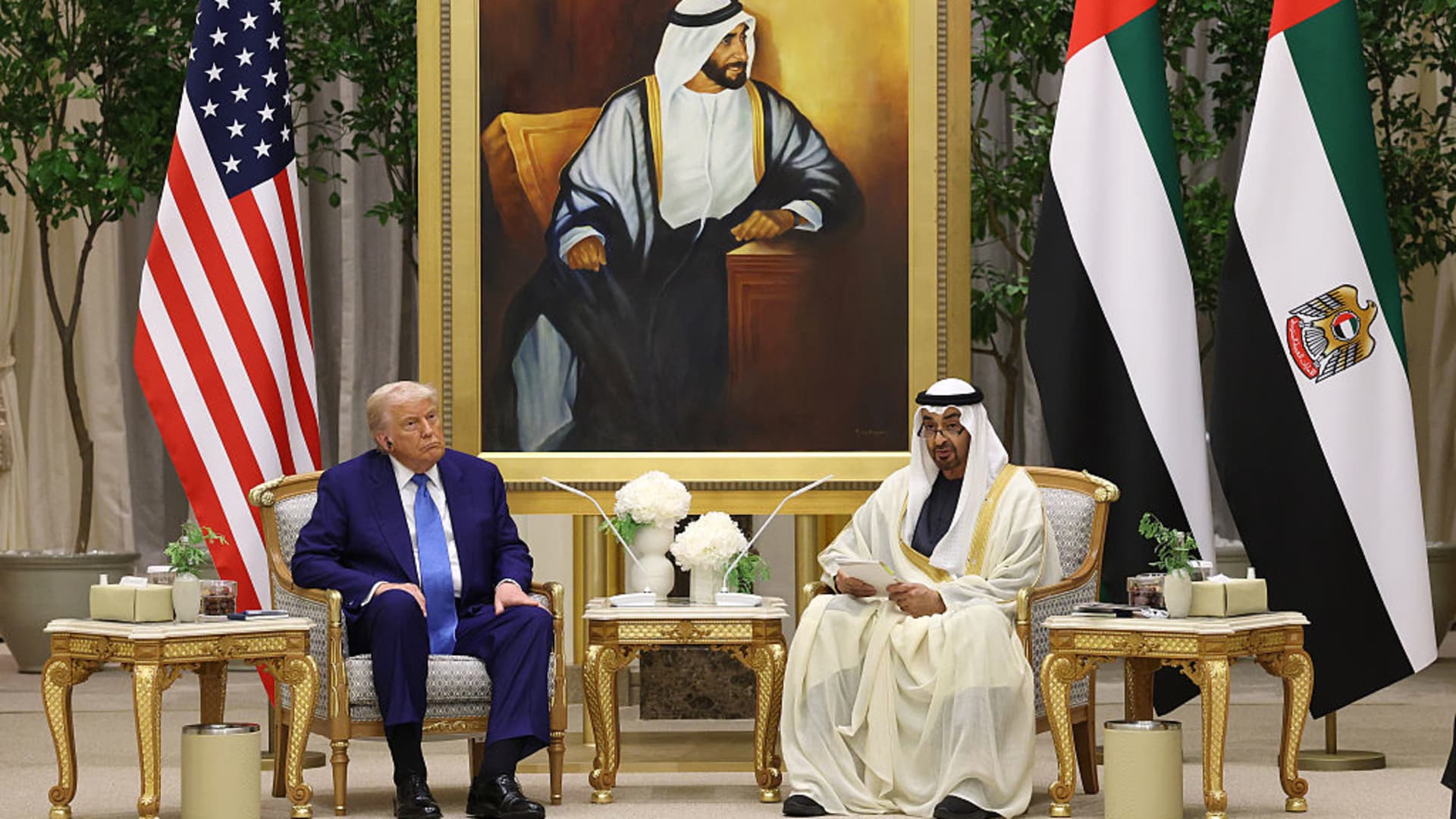
The U.S. Commerce Department has moved to significantly ease UAE Export Controls on advanced technology, particularly for semiconductors and servers destined for the United Arab Emirates. This regulatory shift, set to be published on July 14, is framed as an acknowledgment of the UAE’s role as a U.S. Major Defense Partner but immediately ignited controversy due to its ties to a Trump-affiliated stablecoin used by a key Emirati investment firm.
🚀 Tech Strategy & Market Disruptions
- Eased Tech Access. The U.S. Commerce Department is streamlining export licenses for advanced semiconductors and servers to the UAE, particularly benefiting firms like MGX and G42, accelerating the region’s AI ambitions.
- Geopolitical Friction. The move has drawn sharp criticism from U.S. lawmakers, notably Senator Elizabeth Warren, who alleges corruption and potential national security risks due to financial connections between UAE entities and a Trump-linked cryptocurrency.
- AI Hub Acceleration. This policy adjustment could fast-track the UAE’s goal of becoming a global AI powerhouse, providing critical infrastructure and cutting-edge components to its burgeoning tech sector, including backers of OpenAI and Anthropic.
The Commerce Department’s decision to ease UAE Export Controls marks a pivotal moment for technology transfer and geopolitical alliances. The forthcoming 17-page rule, set for official publication next Tuesday, indicates that the Bureau of Industry and Security will ‘favorably review’ export license applications for MGX semiconductors and servers bound for the UAE. This update also grants the UAE government, the Abu Dhabi AI conglomerate G42, and its cloud subsidiary Core42 simplified access to license exceptions for specific advanced-computing equipment, a move designed to ‘significantly upgrade the status of the United Arab Emirates’ under export regulations. This is explicitly tied to the UAE’s recognition as a U.S. Major Defense Partner and its support in advancing U.S. national security interests, including ‘Operation Epic Fury,’ an operation targeting Iran.
The policy shift, however, is not without its detractors. Senator Elizabeth Warren, a Massachusetts Democrat, quickly denounced the new rule, labeling it ‘corrupt.’ Her criticism stems from MGX’s use of USD1, a stablecoin issued by the Trump family-affiliated World Liberty Financial, to complete a significant $2 billion investment in Binance, the world’s largest crypto exchange. This transaction generated substantial business for the nascent USD1 and fueled concerns about whether President Trump’s financial interests could be influencing U.S. policy toward the UAE, especially given his reported $263 million windfall from crypto ventures. Warren highlighted additional revelations that a UAE royal behind G42 and MGX secretly acquired a 49% stake in World Liberty Financial. She further expressed concerns about the potential diversion of sensitive technology to China and other national security risks, calling for Commerce Secretary Howard Lutnick and BIS Under Secretary Jeffrey Kessler to testify before Congress.
The broader implications extend beyond MGX, which also backs AI giants like OpenAI and Anthropic. The eased controls will benefit a host of major tech players, including leading tech sector analysis from companies like Amazon, Apple, Google, Meta, Microsoft, Oracle, and xAI, all of whom would receive streamlined treatment for certain controlled equipment used in their UAE operations and data center projects. This could significantly reduce bureaucratic hurdles, accelerating chip sales and infrastructure deployment. While these changes are intended to speed up the flow of technology, they reportedly maintain restrictions aimed at preventing sensitive technology from reaching prohibited users or countries, such as China, a point often emphasized in global technology news reports. This regulatory maneuvering also loosens controls on some military, satellite, and spacecraft-related exports, pointing to a broader strategic re-evaluation of the U.S.-UAE technological partnership. As the global landscape for technology market trends evolves, such policy shifts can have profound effects on innovation pipelines and economic alliances.
The easing of UAE Export Controls on advanced computing equipment initiates a powerful disruption flow across multiple sectors. First, increased access to high-performance semiconductors and servers directly enables accelerated AI research and development within the UAE. This immediate access to critical hardware allows local firms, including G42 and MGX, to scale their AI infrastructure at a pace previously unimaginable. This acceleration, in turn, positions the UAE to become a more significant player in the global AI ecosystem, potentially attracting further investment and talent. The rapid build-out of advanced data centers and AI capabilities creates a domino effect, fostering innovation in areas like smart cities, digital services, and autonomous systems. For emerging technologies, this means faster proof-of-concept to deployment cycles, ultimately disrupting established regional tech hubs by offering competitive advantages in areas previously dominated by more mature markets. This strategic liberalization could fundamentally alter the competitive dynamics of global AI development, potentially leading to new partnerships and technological breakthroughs from the Gulf region.
“The relaxation of export controls on dual-use technologies for the UAE signals a complex interplay between national security interests, economic diplomacy, and the race for AI supremacy. While fostering strategic alliances, such moves demand robust oversight to prevent diversion risks, ensuring that advanced capabilities don’t inadvertently fuel geopolitical adversaries or compromise the integrity of critical supply chains in emerging technologies.”
Key Aspects of the Eased Export Controls:
- Beneficiary Entities: MGX, G42, Core42, and the UAE government are primary recipients of streamlined license reviews and exceptions.
- Technology Focus: Primarily targets semiconductors, servers, advanced-computing equipment, and specific military, satellite, and spacecraft-related exports.
- Strategic Rationale: Justified by the Commerce Department based on the UAE’s status as a U.S. Major Defense Partner and its contributions to U.S. national security interests, notably ‘Operation Epic Fury’ against Iran.
- Controversial Link: MGX’s use of USD1, a stablecoin linked to the Trump family’s World Liberty Financial, for a $2 billion investment in Binance has raised ethical and political concerns.
MGX’s Ecosystem Expansion Potential
MGX, already a prominent investor in leading AI entities like OpenAI and Anthropic, stands to significantly enhance its strategic position with eased access to advanced computing hardware. This preferential treatment allows MGX to not only accelerate its own AI-driven initiatives but also to fortify its portfolio companies with cutting-edge infrastructure. By securing these vital components more readily, MGX can foster a deeper integration of its AI investments, potentially creating a synergistic ecosystem that spans from foundational models to deployed applications. This expansion isn’t just about capital; it’s about enabling a faster, more agile technology pipeline that could solidify the UAE’s role as a key node in the global AI supply chain and innovation network. The ability to quickly deploy advanced servers and semiconductors could attract further foreign direct investment and high-tech talent, accelerating the diversification of the Emirati economy beyond traditional sectors.
G42 and Core42: Security & Infrastructure Strength
The Abu Dhabi-based AI conglomerate G42 and its cloud computing arm, Core42, are central to the UAE’s ambition to become a global AI hub. The new export rule grants them license exceptions for critical advanced-computing equipment, directly bolstering their capabilities. This access is crucial for building robust, scalable AI infrastructure, which forms the bedrock of national digital transformation efforts. For G42, this means an enhanced ability to develop sovereign AI solutions and cloud services that meet stringent performance and security requirements. Core42, in particular, can leverage these developments to offer more competitive and advanced cloud platforms, catering to both governmental and commercial clients in sensitive sectors. However, given the nature of the technology and the geopolitical sensitivities, maintaining a transparent and secure supply chain will be paramount to addressing concerns about technology diversion, a challenge keenly observed by experts providing educational tech insights.
The UAE Export Controls Conundrum for Global Tech
The recent U.S. decision to ease UAE Export Controls presents a dual-edged sword for the global technology landscape, balancing strategic partnership with political scrutiny. While the move aims to strengthen alliances and foster the UAE’s role as an AI innovation hub, the underlying financial entanglements have ignited a debate over ethical governance and national security implications.
- The accelerated access to advanced AI chips and servers will undoubtedly boost the UAE’s digital transformation initiatives and its regional competitiveness.
- The controversy surrounding the Trump-linked stablecoin and alleged financial windfalls highlights the intricate and often opaque nature of high-stakes international tech deals.
- This development underscores the increasing politicization of technology exports, where economic interests and geopolitical alliances converge, demanding heightened vigilance from policymakers and industry observers.
How will these eased controls ultimately reshape the future of AI development and cybersecurity partnerships across the Middle East and beyond?
📊 StockXpo Analyst’s View
Market Impact: This policy adjustment injects a significant layer of uncertainty into the market, particularly concerning the valuation of firms deeply embedded in the U.S.-UAE tech corridor. While the direct beneficiaries in the UAE will see enhanced capacity, the broader market might react to potential geopolitical risks and questions of regulatory fairness, possibly leading to cautious sentiment shifts among investors in dual-use technology companies.
Sector To Watch: The semiconductor and cloud infrastructure sectors stand to gain from increased demand and streamlined exports. However, the cryptocurrency market, especially stablecoins, could face enhanced scrutiny and regulatory pressure, particularly those with opaque ownership structures or political affiliations, as lawmakers probe the integrity of cross-border financial transactions involving critical technology.
Financial Disclaimer:
StockXpo.com is a financial news aggregator and educational portal, not a registered investment advisor or broker-dealer. All information, news, and analysis provided herein are strictly for educational purposes and do not constitute investment, financial, legal, or tax advice. Investing in the stock market involves high risks, and past performance is not indicative of future results. StockXpo will not be liable for any financial losses or investment damages. Always consult a certified financial advisor before making market decisions.
MORE IN INSIDE TECHNOLOGY
Starlink India: Regulatory Hurdles and Innovation-Driven Growth Risks
Published: Friday, October 9, 2026 · 12:48 AM
Starlink Launch: India’s Digital Transformation Faces Regulatory Risk
Published: Thursday, October 8, 2026 · 1:51 AM