Published: Wednesday, July 8, 2026 · 8:14 PM | Updated: Wednesday, July 8, 2026 · 8:14 PM
📊 218 views




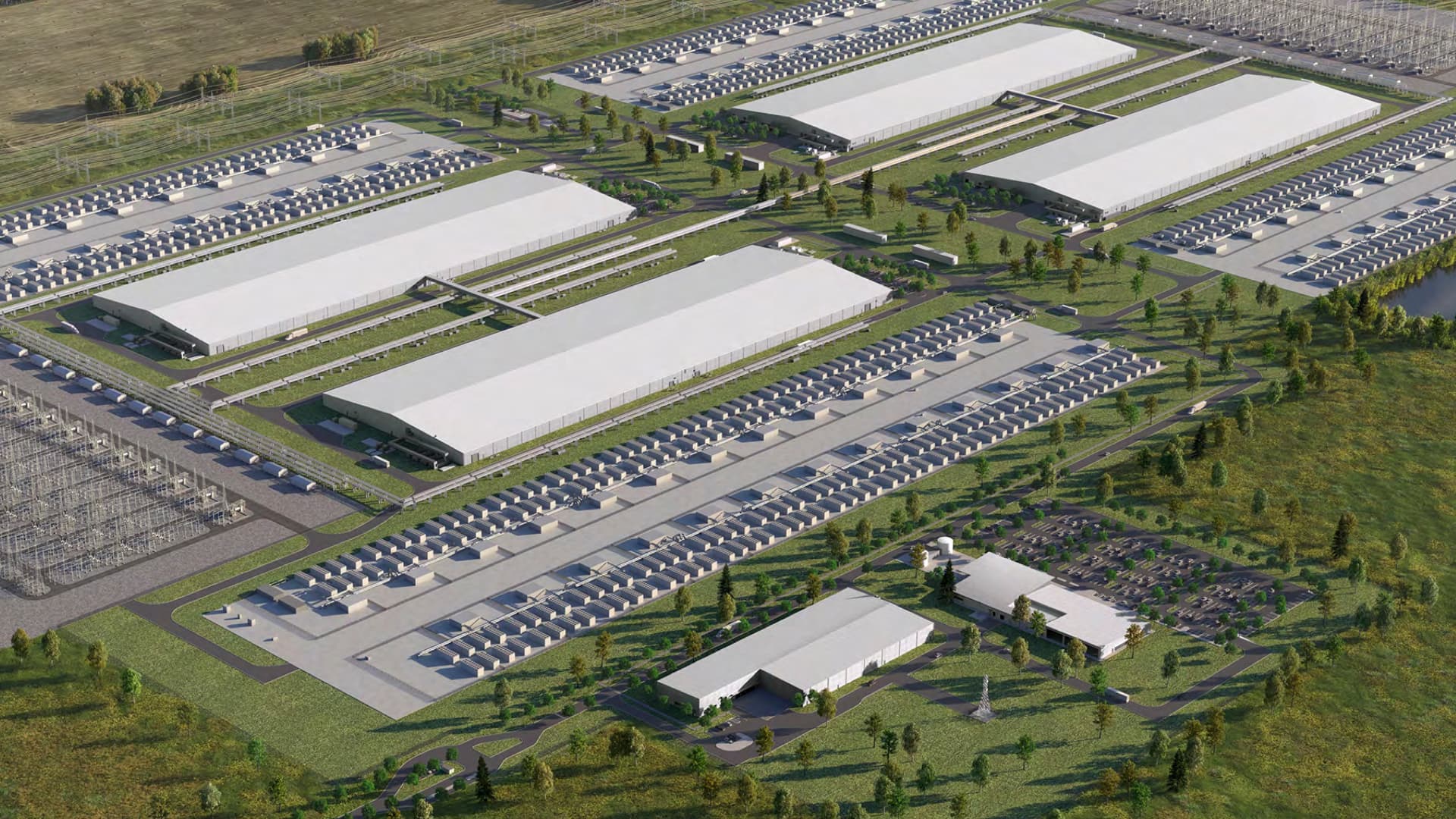
Meta’s latest move to build a 1-gigawatt facility in Alberta, Canada, underscores its intensified commitment to AI infrastructure. This $9 billion investment marks the company’s first Canadian Meta AI data center, positioning it to meet surging demand for artificial intelligence services and potentially expanding its cloud offerings.
🚀 Tech Strategy & Market Disruptions
- Massive Investment. Meta commits $9 billion over 2-3 years for its 33rd global data center, focusing on AI capacity.
- Strategic Canadian Hub. Alberta provides critical energy resources and a favorable regulatory environment, attracting significant tech infrastructure.
- Competitive AI Race. Meta intensifies its rivalry with hyperscalers like Alphabet, Microsoft, and Amazon in the high-stakes AI infrastructure buildout.
Meta’s recent announcement to construct a 1-gigawatt Meta AI data center in Sturgeon County, Alberta, signifies a substantial expansion of its global footprint and a direct response to the escalating computational demands of artificial intelligence. The facility, projected to cost approximately $9 billion and take two to three years to complete, will be Meta’s 33rd data center worldwide. This move is emblematic of the broader industry trend where tech giants are investing heavily to secure the foundational infrastructure required for advanced AI models and services.
Alberta’s appeal stems from its abundant and accessible energy resources, alongside a regulatory framework conducive to industrial development. The specific location in Sturgeon County, already zoned for industrial use, offers the requisite capacity for additional energy infrastructure, making it an ideal choice for a large-scale power consumer like a data center. A Meta spokesperson highlighted factors such as ‘good access to infrastructure, a robust electric grid and access to energy, a strong pool of talent, and a great set of community partners’ as key motivators for selecting the site.
This aggressive buildout occurs as Meta simultaneously explores a new cloud computing business, potentially selling excess capacity or offering access to its AI models. While this strategy could unlock new revenue streams, investors have expressed skepticism regarding Meta’s forecasted capital expenditures of up to $145 billion this year. Concerns persist about the company’s perceived lag behind AI model leaders like OpenAI, Anthropic, and Google, and a clear path to substantial revenue generation beyond its core advertising business has yet to fully materialize.
The race to stand up AI facilities is critical for Meta as it vies for market share against established hyperscalers such as Alphabet (Google Cloud), Microsoft (Azure), and Amazon (AWS), all of which boast flourishing cloud infrastructure businesses. The strategic imperative is clear: control over underlying compute resources is paramount for AI innovation and service delivery. According to recent global technology insights, infrastructure investment remains a key competitive differentiator.
However, the scale of such projects also invites scrutiny, particularly from local communities. Reports, including one from the Canadian Broadcasting Corporation in June, have raised environmental issues associated with large data centers, specifically concerning emissions, water consumption, and noise pollution. Meta states it has engaged with various Canadian energy firms, including Greenlight Limited Partnership, Altalink, Capitol Power, and the Alberta Electric System Operator, to proactively address and plan for its energy needs.
- The project is expected to create over 3,000 construction jobs at its peak, alongside further investments in local infrastructure and non-profits, demonstrating a significant regional economic impact.
Massive Meta AI data center investment → Accelerated AI model training and inference capabilities → Enhanced AI product development (e.g., Metaverse, generative AI) → Potential new cloud AI services → Market disruption through direct competition with established hyperscalers and lower latency services for Canadian users.
This $9 billion investment is not merely about expanding server racks; it’s a strategic move to vertically integrate Meta’s AI ambitions, giving them direct control over the computational bedrock. This level of infrastructure ownership can dramatically reduce operational costs, optimize AI model performance, and accelerate innovation cycles, positioning Meta to not only compete but potentially redefine segments of the AI-as-a-service market.
Key Investment Metrics:
- Project Cost: Approximately $9 billion CAD
- Facility Capacity: 1 Gigawatt (1,000 MW)
- Construction Duration: 2 to 3 years
- Job Creation (Peak): Over 3,000 construction workers
- Total Data Centers (Post-completion): 33rd globally
Meta’s Infrastructure Strategy: Beyond Ad Revenue
Meta’s significant capital expenditure, despite investor apprehension regarding its AI revenue visibility, underscores a long-term play. The company is actively diversifying its infrastructural capabilities beyond its core advertising business, particularly in the realm of emerging technologies. This initiative suggests a proactive stance to control the entire technology stack, from silicon to software, crucial for its vision of the metaverse and advanced AI applications. By building out such massive facilities, Meta aims to gain efficiencies, reduce reliance on third-party cloud providers for its future compute needs, and potentially create a new revenue stream by offering its surplus capacity or specialized AI models. The investment in robust, scalable infrastructure is a prerequisite for executing Meta’s ambitious innovation agenda, even if the immediate returns are not yet fully quantified by the market.
Navigating Market Adoption Challenges Amidst Hyperscaler Dominance
While Meta is pouring billions into its Meta AI data center infrastructure, the path to widespread market adoption for its potential cloud or AI-as-a-service offerings is fraught with challenges. The cloud market is dominated by entrenched players like AWS, Azure, and Google Cloud, which have robust ecosystems, extensive customer bases, and a reputation for enterprise-grade services. Meta’s potential entry would require not only competitive pricing and superior technology but also a significant shift in enterprise trust and migration patterns. Furthermore, the company faces the delicate balance of competing with its own partners and clients who might utilize its advertising platforms but rely on rival cloud infrastructure. Successful navigation will demand a clear value proposition and a differentiated service offering that can break through the existing competitive moat, which will also influence general technology market trends.
Meta’s AI Data Center: A Canadian Growth Catalyst?
Meta’s substantial investment in its first Canadian Meta AI data center in Alberta marks a pivotal moment in its AI infrastructure strategy. This move is not just about expanding physical capacity but about securing the compute power essential for its long-term AI and metaverse ambitions.
- Strategic geographical expansion into a region with abundant energy and favorable regulations.
- A clear signal of Meta’s commitment to self-sufficiency and potential diversification into cloud AI services.
- Intensifies the AI infrastructure arms race against formidable hyperscale competitors.
Can Meta’s $9 billion Canadian bet translate into a definitive competitive advantage in the rapidly evolving global AI landscape?
📊 StockXpo Analyst’s View
Market Impact: This aggressive Meta AI data center buildout, while capital-intensive, is crucial for Meta’s long-term competitive positioning. Investor sentiment, currently wary of high CapEx without clear AI revenue, may gradually shift as infrastructure becomes a recognized differentiator in the AI race. The focus on energy-rich regions like Alberta highlights the escalating energy demands of AI, influencing utility sector valuations and regional economic development, as often highlighted in cutting-edge technological advancements analysis.
Sector To Watch: The immediate beneficiaries include construction and energy infrastructure sectors in Canada. Long-term, the competitive dynamics among hyperscalers (Alphabet, Microsoft, Amazon) in the AI cloud infrastructure market will intensify. Companies specializing in sustainable data center technologies, cooling solutions, and specialized AI hardware stand to gain as efficiency and environmental concerns become paramount. For more educational tech insights, visit StockXpo.
Financial Disclaimer:
StockXpo.com is a financial news aggregator and educational portal, not a registered investment advisor or broker-dealer. All information, news, and analysis provided herein are strictly for educational purposes and do not constitute investment, financial, legal, or tax advice. Investing in the stock market involves high risks, and past performance is not indicative of future results. StockXpo will not be liable for any financial losses or investment damages. Always consult a certified financial advisor before making market decisions.
MORE IN INSIDE TECHNOLOGY

Starlink India: Regulatory Hurdles and Innovation-Driven Growth Risks
Published: Friday, October 9, 2026 · 12:48 AM

Starlink Launch: India’s Digital Transformation Faces Regulatory Risk
Published: Thursday, October 8, 2026 · 1:51 AM