Published: Wednesday, July 8, 2026 · 8:46 PM | Updated: Wednesday, July 8, 2026 · 8:46 PM
📊 213 views




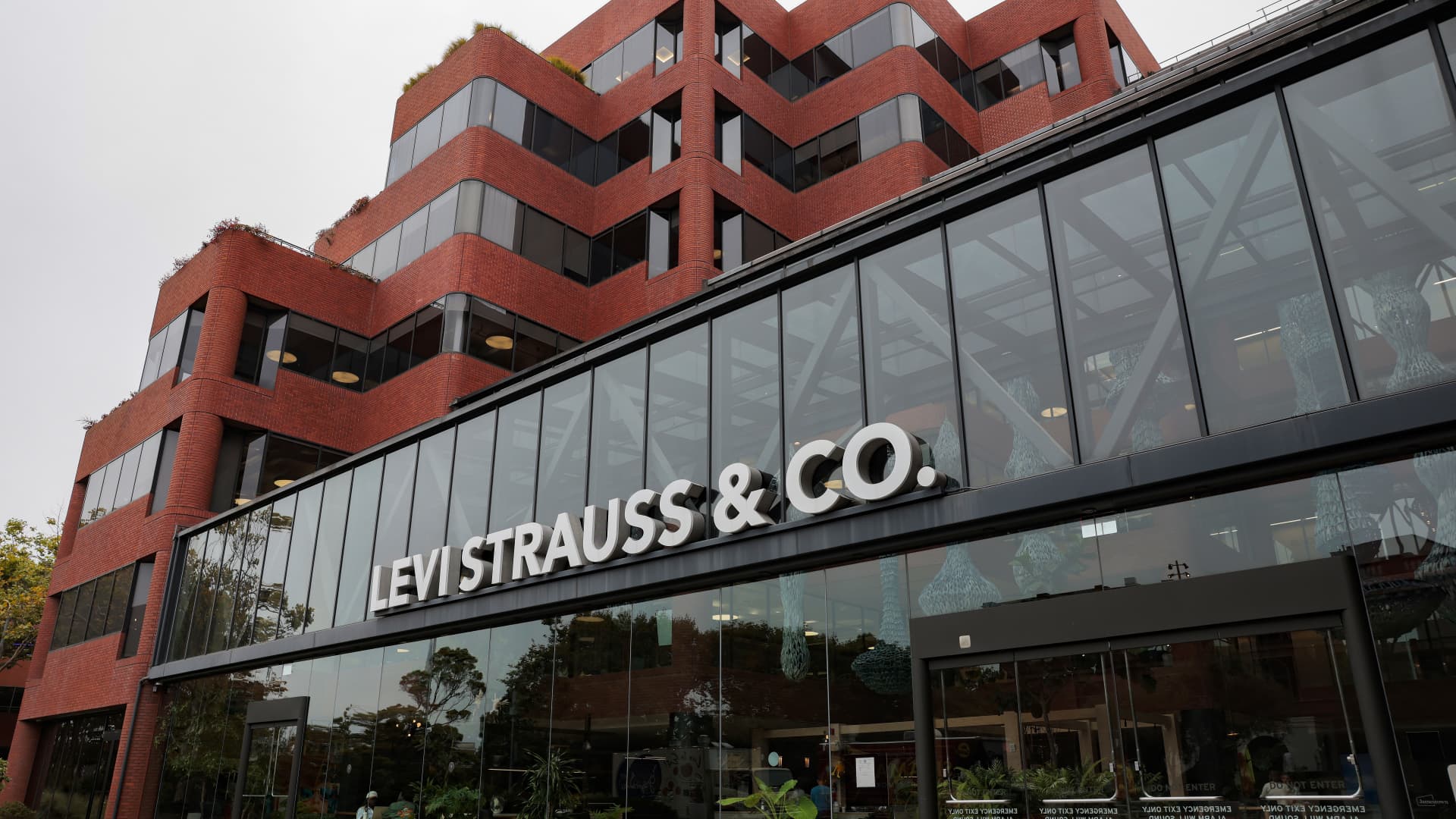
Levi Strauss’s latest quarterly earnings report delivered a strong performance, significantly beating Wall Street’s expectations and prompting an upward revision of its full-year financial outlook. This robust showing by Levi Strauss highlights the enduring strength of its brand and its strategic success in navigating a challenging retail landscape, signaling potential positive ripple effects across the apparel sector.
🗝️ Corporate Strategy Insights
- Strong Earnings Beat. Levi Strauss surpassed Wall Street’s EPS and revenue estimates, driven by solid demand and strategic pricing.
- Elevated Full-Year Outlook. The company significantly raised its sales and adjusted EPS forecasts for the full fiscal year, reflecting confidence in sustained momentum.
- Shareholder Returns Enhanced. A boosted dividend signals healthy cash flow and a commitment to returning value to shareholders amidst strong financial performance.
The iconic denim maker reported adjusted earnings per share of 28 cents on revenue of $1.56 billion for its second fiscal quarter, surpassing analyst estimates of 24 cents EPS on $1.52 billion in revenue, according to LSEG data. This represented an 8% increase in sales year-over-year from $1.45 billion. Following these results, the company raised its full-year adjusted EPS guidance to a range of $1.46 to $1.52, up from $1.42 to $1.48, with the high end exceeding LSEG’s $1.50 forecast. Similarly, full-year sales growth is now anticipated to be between 7% and 7.5%, an increase from the prior 5.5% to 6.5% range and above the 6.6% consensus.
A key indicator of health for the company is the composition of its sales growth. While finance chief Harmit Singh noted that about half of the projected full-year growth would come from higher prices and the other half from unit sales, CEO Michelle Gass provided more specific color for the quarter, stating that approximately two-thirds of the second-quarter sales growth was driven by increased unit sales, not just price hikes. This suggests strong underlying demand for Levi’s products, bolstering the company’s confidence to raise both its guidance and its shareholder dividend. Gass further emphasized consumer resilience, even amidst higher gas prices, with strength observed across core Levi’s, Signature, and the new premium blue tab segments. Despite the upbeat report, Levi’s shares dipped over 5% in extended trading, reflecting a nuanced market reaction perhaps pricing in future challenges or profit-taking. For a deeper dive into current stock markets, readers can explore additional analysis.
- Levi Strauss’s Q2 adjusted EPS of 28 cents significantly topped the 24 cents expected by analysts, demonstrating strong profitability.
- Revenue reached $1.56 billion, exceeding the $1.52 billion consensus, underlining robust sales performance.
- Full-year adjusted EPS guidance was lifted to $1.46-$1.52, while sales growth projection increased to 7%-7.5%, showcasing management’s optimism.
- Unit sales drove a substantial portion (two-thirds) of Q2 growth, validating brand demand beyond pricing adjustments, as reported by CNBC.
The Strategic Ripple Effect on Apparel Rivals
The sustained strong performance by Levi Strauss, particularly its ability to generate significant unit growth, creates a notable strategic ripple effect throughout the apparel sector. By successfully driving higher unit sales while simultaneously implementing price increases, Levi Strauss effectively demonstrates strong brand power and effective market segmentation. This dual approach translates into enhanced operational efficiency and potentially expanded market share, placing competitive pressure on rivals such as VF Corp.’s denim brands (Lee, Wrangler) and other premium casual wear companies. The financial strength evinced by these results also provides Levi Strauss with greater flexibility for capital allocation, allowing for increased investments in product innovation, marketing campaigns, or direct-to-consumer channels, which could further solidify its market leadership. This could lead to a strategic shift where competitors may need to reassess their own pricing strategies and brand positioning to remain competitive.
‘Levi Strauss’s adeptness at navigating inflationary pressures by coupling strategic price adjustments with robust unit volume expansion underscores a rare strength in consumer staples, validating both its product appeal and operational acumen.’
Key Financial Indicators & Guidance Updates
- Q2 Adjusted Earnings Per Share: Achieved 28 cents vs. 24 cents expected. Significance: Exceeding EPS estimates highlights strong cost management and profitability.
- Q2 Revenue: $1.56 billion vs. $1.52 billion expected. Significance: Surpassing revenue forecasts indicates healthy consumer demand and effective sales strategies.
- Full-Year Adjusted EPS Guidance: Raised to $1.46 – $1.52 from $1.42 – $1.48. Significance: Elevated guidance reflects management’s confidence in sustained future performance.
- Full-Year Sales Growth Guidance: Increased to 7% – 7.5% from 5.5% – 6.5%. Significance: An upward revision in sales outlook points to anticipated continued market penetration and revenue expansion.
Levi Strauss Strategic Analysis
Levi Strauss‘s recent performance underscores a well-executed corporate strategy focused on leveraging its iconic brand heritage while adapting to modern consumer preferences. The company’s emphasis on diversified product offerings, including the premium blue tab line, alongside its core denim, allows it to capture a broader market demographic. This approach, combined with strategic pricing, positions Levi Strauss to maintain its premium market standing while ensuring accessibility across various segments. Effective supply chain management and inventory optimization have also likely played a crucial role in maintaining profitability and operational efficiency, even as raw material and logistics costs fluctuate globally. Understanding broader trends in corporate growth can offer additional context. For more on company strategies, visit StockXpo’s business analysis.
Levi Strauss Competitive Advantages
The enduring brand recognition of Levi Strauss represents a formidable competitive advantage. Decades of market presence have cultivated a deep emotional connection with consumers, fostering loyalty that transcends cyclical fashion trends. This strong brand equity enables the company to command premium pricing and expand into new product categories with inherent consumer trust. Furthermore, Levi’s extensive global distribution network, spanning wholesale, retail, and e-commerce channels, provides unparalleled market reach. This omnichannel approach ensures product availability and enhances customer engagement, forming a significant barrier to entry for emerging competitors. For further insights into global business trends, refer to reporting by Reuters Business News.
Levi Strauss’ Path Forward: Balancing Growth and Market Perception
Levi Strauss has undeniably demonstrated robust operational execution and strategic foresight in its latest fiscal quarter, translating into strong financial beats and optimistic forward guidance. The market’s initial cautious reaction, despite the positive news, suggests a delicate balance between fundamental performance and broader economic sentiment.
- Sustaining unit sales growth will be critical for Levi Strauss to affirm that its performance is driven by genuine demand rather than solely by price increases.
- Continued innovation in product lines, particularly premium offerings, will be key to maintaining market share against evolving fashion trends and fast-fashion competitors.
- Effective communication of its long-term strategy will be necessary to address market skepticism and reinforce investor confidence in its growth trajectory.
Will Levi Strauss‘s demonstrated resilience and strategic initiatives be enough to fully convince investors of its long-term value in a dynamic retail environment?
📊 StockXpo Analyst’s View
Market Impact: Levi Strauss’s strong results, especially the unit sales growth, could provide a momentary lift to investor sentiment for the broader retail apparel sector, suggesting a more resilient consumer than previously feared. However, the subsequent stock dip highlights a nuanced market, possibly indicating concerns over valuation or broader economic headwinds outweighing company-specific wins.
Sector To Watch: The branded apparel and denim industry will be closely watched. Companies with strong brand equity and direct-to-consumer capabilities, like Levi Strauss, appear better positioned. Investors should monitor how competitors respond to Levi’s pricing power and unit growth, particularly those reliant on discount channels, which may face margin compression. You can find more educational insights on market trends here.
Financial Disclaimer:
StockXpo.com is a financial news aggregator and educational portal, not a registered investment advisor or broker-dealer. All information, news, and analysis provided herein are strictly for educational purposes and do not constitute investment, financial, legal, or tax advice. Investing in the stock market involves high risks, and past performance is not indicative of future results. StockXpo will not be liable for any financial losses or investment damages. Always consult a certified financial advisor before making market decisions.
MORE IN INSIDE BUSINESS

Saudi Arabia Flight Decision: Delta Weighs Safety Amid Regional Tensions
Published: Friday, October 9, 2026 · 7:21 AM

Skydance Vertical Win: Ellison’s Bold Strategy for Media Dominance
Published: Thursday, October 8, 2026 · 12:44 PM