Published: Wednesday, July 8, 2026 · 3:38 PM | Updated: Wednesday, July 8, 2026 · 3:38 PM
📊 243 views




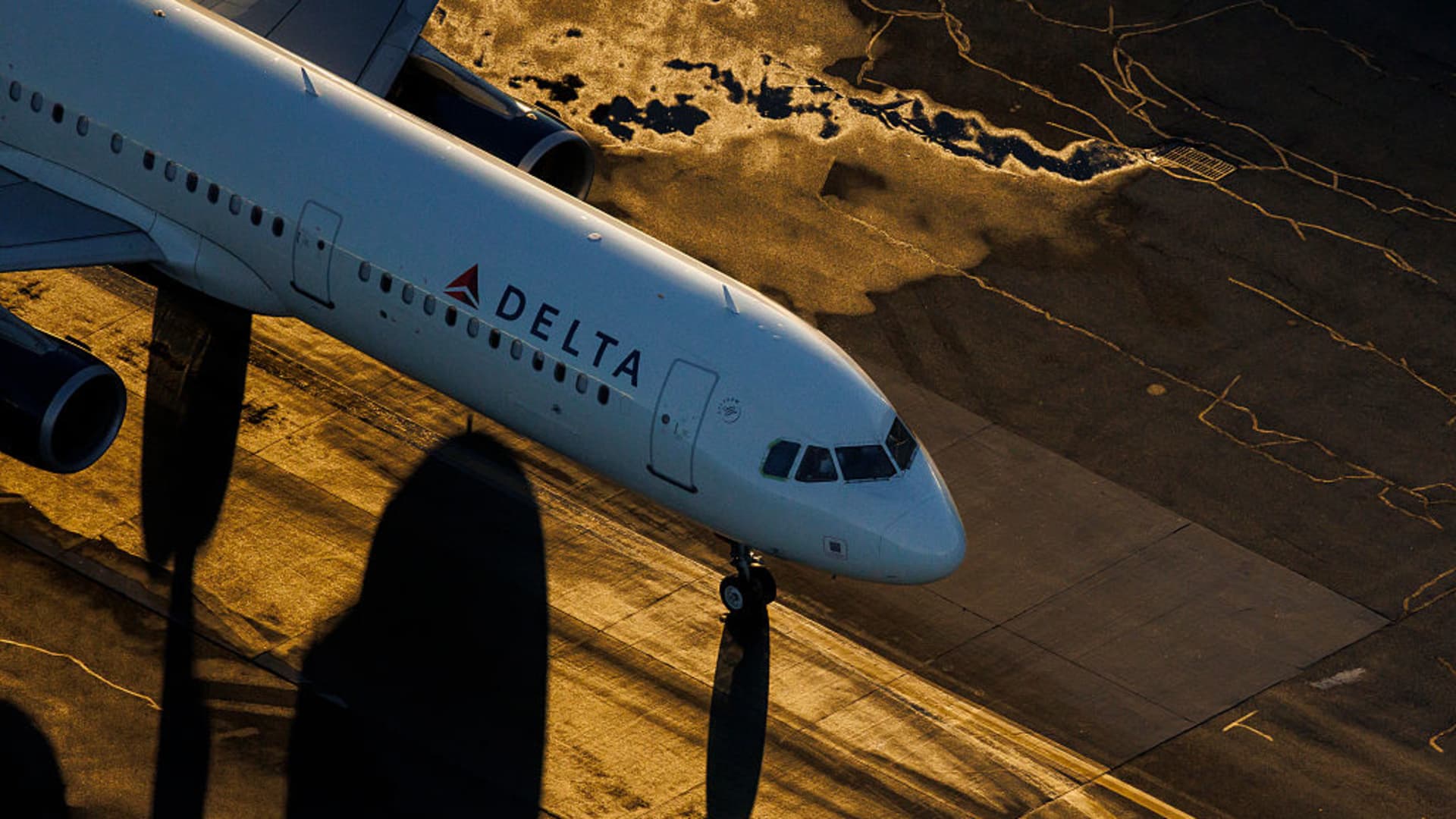
Delta Air Lines is segmenting its premium cabins further by introducing ‘Delta basic business fares,’ a strategic move designed to extract maximum value from its high-spending customer base. This shift, following a similar initiative by United Airlines, underscores an industry-wide trend toward unbundling services even in the front of the plane, critically impacting revenue optimization and competitive dynamics.
🗝️ Corporate Strategy Insights
- Revenue Maximization. By offering a stripped-down premium product, Delta aims to capture a new segment of business travelers who prioritize cost over traditional amenities, driving higher average revenue per seat.
- Enhanced Segmentation. This initiative introduces finer segmentation within premium cabins, allowing Delta to cater to diverse customer needs and price sensitivities, mirroring the successful ‘basic economy’ model.
- Competitive Response & Innovation. Following United Airlines’ lead, Delta’s move signals an industry trend, pushing competitors to reassess their own premium product offerings and pricing strategies to maintain market share.
Delta Air Lines, renowned for its profitability, is introducing a new ‘basic business’ fare for its Delta One (long-haul lie-flat) and First Class cabins, stripping away traditional perks such as complimentary seat selection, airport lounge access, and flexible change policies. This strategic segmentation, which has been in development for over a year according to former President Glen Hauenstein, aims to apply the successful model of main cabin segmentation to premium travel. Hauenstein previously stated that this approach would ‘bring to all of our premium cabins over time because different people have different needs.’
The new fare structure for these premium basic tickets will assign seats at check-in, offer fewer SkyMiles, and impose fees for changes or cancellations, removing options for same-day standby or confirmed flight alterations. These Delta basic business fares are set to go on sale on Wednesday for flights commencing in September, although the airline has not yet specified which markets will feature this offering.
- This move signifies Delta’s advanced approach to yield management, targeting customers who desire the physical comfort of a premium seat but are willing to forgo certain amenities for a lower price point. It allows Delta to fill premium seats that might otherwise go empty, while still offering the full-service premium product at a higher cost. The goal is to ensure every seat generates optimal revenue based on varied customer demand and willingness to pay.
The introduction of `Delta basic business fares` represents a significant strategic ripple effect across the airline industry, particularly among legacy carriers. This unbundling of premium services, pioneered by United Airlines with its Polaris long-haul business class, creates a new competitive dynamic.
* **Product Launch → Increased Revenue Potential:** By appealing to a more price-sensitive segment within the premium market, Delta can broaden its customer base for business and first-class seats, converting passengers who might otherwise opt for economy or a competitor’s standard premium product. This could lead to an overall increase in premium cabin revenue, even if the per-ticket average for ‘basic’ premium fares is lower.
* **Market Segmentation → Competitive Pressure:** Delta’s strong market position and ability to execute such a complex segmentation strategy will undoubtedly put pressure on competitors like American Airlines to respond. As discussed on Forbes, airlines’ business-class wars are escalating, and maintaining a competitive edge requires constant innovation in product offerings and pricing strategies. Carriers that fail to adapt risk losing high-value customers to more flexible and segmented options.
* **Operational Efficiency → Optimized Capacity:** This strategy also enhances operational efficiency by optimizing cabin capacity. Filling premium seats with lower-priced, but still profitable, basic business tickets can reduce the incidence of empty high-value seats, directly impacting the airline’s bottom line and improving profitability metrics.
‘Delta’s introduction of basic business fares is a shrewd maneuver that capitalizes on resilient premium travel demand while maximizing revenue through granular product differentiation; it’s about making every square inch of the plane work harder.’
While specific financial metrics on the new fare class are not yet available, several indicators underscore the rationale behind Delta’s strategy:
- Resilient Premium Demand: Despite economic uncertainties, high-spending customers have consistently demonstrated strong demand for premium travel, bolstering airline profitability. This resilience, as reported by industry analysts on Reuters, provides a fertile ground for further segmentation.
- Segmentation Success: Delta’s earlier success with main cabin segmentation (Basic Economy, Main Cabin, Delta Comfort+) provides a proven template for applying a similar tiered approach to premium cabins.
- Competitive Precedent: United Airlines’ earlier move to unbundle Polaris business class perks indicates a viable and potentially profitable market for such offerings, reducing the risk for Delta.
These indicators collectively suggest a calculated business decision aimed at enhancing Delta’s financial performance by adapting to evolving customer preferences and competitive landscapes.
Delta Air Lines’ Competitive Advantages in Premium Travel
Delta Air Lines maintains several key competitive advantages that enable such a strategic rollout. Firstly, its strong brand loyalty, driven by a reliable operational performance and extensive route network, gives it leeway to introduce new fare products without significant customer backlash. Secondly, Delta’s robust frequent flyer program, SkyMiles, fosters stickiness among high-value travelers, allowing it to experiment with fare structures while retaining its core customer base. Lastly, the airline’s proactive approach to cabin innovation, including the development of the Delta One suite, positions it as a leader in premium offerings, creating a strong foundation from which to segment services. This allows Delta to capture various customer segments, from those seeking ultimate luxury to those prioritizing the physical comfort of a premium seat at a reduced price point.
Delta Air Lines Strategic Analysis: A Focus on Revenue Per Available Seat Mile (RASM)
Delta’s strategic framework consistently prioritizes Revenue Per Available Seat Mile (RASM), a critical metric for airline profitability. The introduction of `Delta basic business fares` directly supports this objective by ensuring that premium seats are rarely flown empty and are always priced optimally. By creating a lower-cost entry point into premium cabins, Delta can attract travelers who might have otherwise purchased economy tickets, thereby increasing the average revenue generated per seat mile. This strategy reflects a sophisticated understanding of demand elasticity within different customer segments. It’s not merely about cutting costs; it’s about dynamic pricing and inventory management to maximize the overall value of every flight. This granular approach to pricing and product offering is crucial for maintaining market leadership and robust financial performance in a highly competitive industry. For those interested in deeper corporate growth strategies, further insights can be found on StockXpo’s business analysis section.
Delta’s Premium Playbook: What’s Next for Air Travel
Delta’s new ‘basic business’ fares are a clear signal of an evolving premium travel market, where customization and price sensitivity are becoming paramount. This move positions Delta not just as a follower of United, but as a leader in refining revenue management within high-yield segments.
- The strategy aims to enhance profitability by monetizing previously untapped demand for premium seats without full amenity packages.
- It forces competitors to re-evaluate their own premium product offerings and potential for similar unbundling.
- This could lead to a more fragmented and dynamic premium travel market, offering travelers more choices at varying price points.
Will this refined segmentation further entrench Delta’s market dominance, or will it provoke a wider competitive response that reshapes the entire premium travel landscape?
📊 StockXpo Analyst’s View
Market Impact: This unbundling strategy from Delta, especially in premium cabins, is likely to be viewed positively by investors. It demonstrates sophisticated revenue management and a proactive approach to market segmentation, suggesting potential for improved margins. The stock market may interpret this as a lever for continued robust financial performance, especially given the ongoing strength in premium travel demand.
Sector To Watch: The airline sector, particularly legacy carriers, will be closely watched. If Delta’s basic business fares prove successful, it will accelerate similar moves from competitors. This trend towards hyper-segmentation could transform the entire travel and leisure industry, creating new investment opportunities in ancillary service providers or specialized travel tech platforms. Learn more about the broader stock markets on StockXpo.
Financial Disclaimer:
StockXpo.com is a financial news aggregator and educational portal, not a registered investment advisor or broker-dealer. All information, news, and analysis provided herein are strictly for educational purposes and do not constitute investment, financial, legal, or tax advice. Investing in the stock market involves high risks, and past performance is not indicative of future results. StockXpo will not be liable for any financial losses or investment damages. Always consult a certified financial advisor before making market decisions.
MORE IN INSIDE BUSINESS
Saudi Arabia Flight Decision: Delta Weighs Safety Amid Regional Tensions
Published: Friday, October 9, 2026 · 7:21 AM

Skydance Vertical Win: Ellison’s Bold Strategy for Media Dominance
Published: Thursday, October 8, 2026 · 12:44 PM