Published: Thursday, July 2, 2026 · 2:48 PM | Updated: Thursday, July 2, 2026 · 2:48 PM
📊 233 views




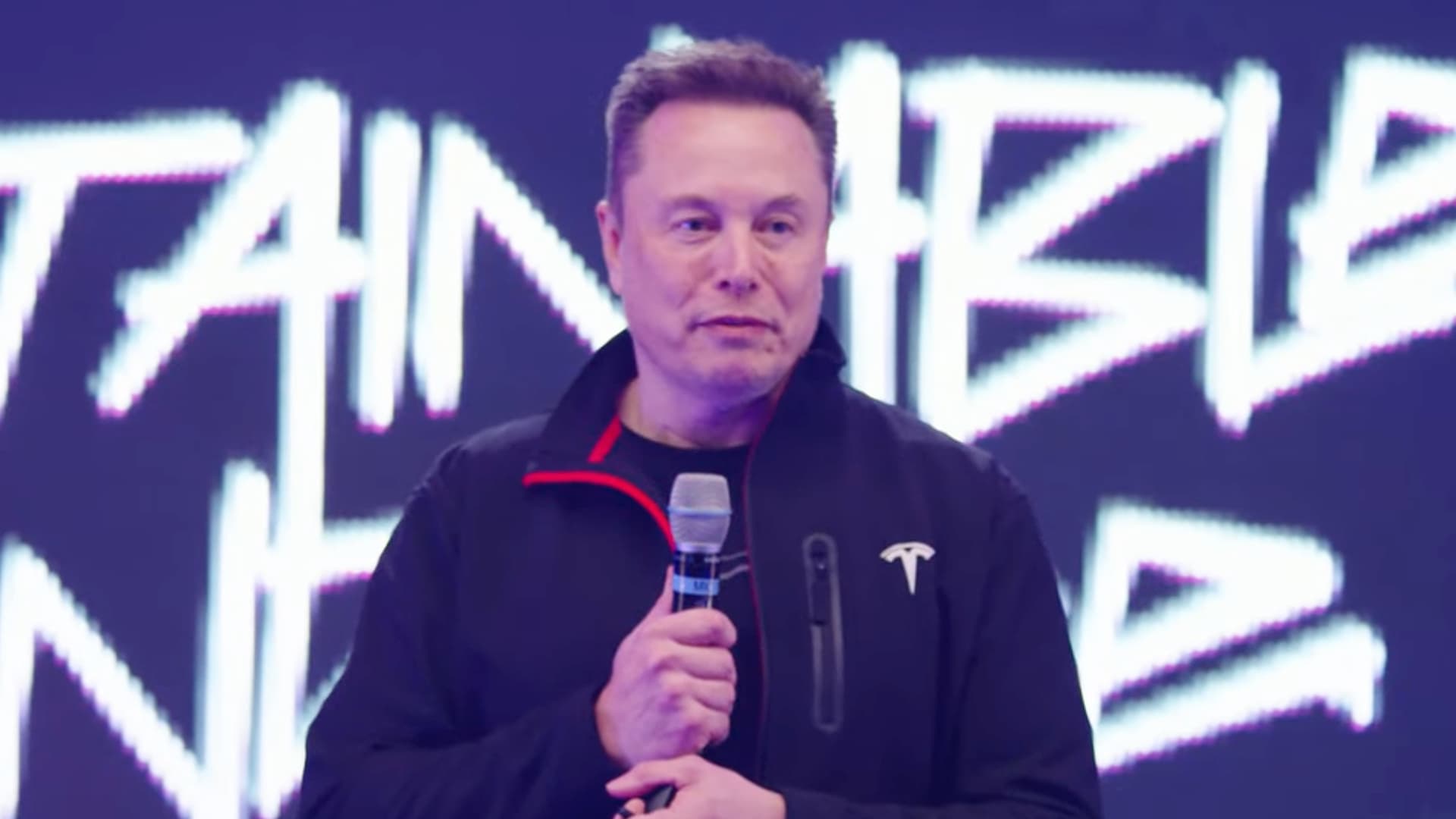
Despite reporting second-quarter vehicle deliveries and production that significantly surpassed Wall Street’s projections, Tesla stock experienced a notable 6% decline. This unexpected market reaction highlights a growing disconnect between strong operational performance and broader investor sentiment, signaling deeper underlying shifts in the electric vehicle (EV) market and Tesla’s strategic direction.
🚀 Tech Strategy & Market Disruptions
- Record Deliveries. Tesla defied expectations, reporting 480,126 vehicle deliveries in Q2, well above the 406,600 analyst consensus.
- Market Paradox. Despite this strong operational beat, Tesla stock shed 6% on Thursday, indicating investor focus beyond immediate sales figures.
- Strategic Reorientation. Tesla is actively pivoting towards autonomous vehicle production (Cybercab, Semi) and humanoid robotics (Optimus), diversifying its long-term technology portfolio.
Tesla delivered 480,126 vehicles in the second quarter, handily beating the 406,600 consensus forecast by StreetAccount and the company’s own compiled estimate of 406,024. Production also surged to 451,758 units. This represents a substantial 25% year-over-year increase from Q2 2025 and a 34% sequential rise from Q1 2026. The Model 3 sedan and Model Y SUV continued to dominate, accounting for 97% of total deliveries, or 467,762 units. Despite these robust figures, Tesla stock experienced a sharp downturn, reflecting investor concerns beyond quarterly sales metrics. This suggests the market is weighing broader macroeconomic pressures, intensifying competition, and perhaps even CEO Elon Musk’s public controversies more heavily than pure delivery volumes.
The market’s reaction could stem from a confluence of factors, including a lingering consumer backlash against Musk’s incendiary political rhetoric and the expiration of certain U.S. federal tax credits that previously boosted sales. The competitive landscape for EVs has also drastically intensified. Chinese automakers such as BYD, Nio, and Xiaomi are aggressively entering the market with more affordable, high-tech alternatives, while established players like Hyundai Motor Group and Volkswagen are strengthening their EV offerings. To counter these headwinds, Tesla has begun offering lower-cost versions of its Model 3 and Model Y, alongside expanding its Full Self-Driving (Supervised) systems into European markets.
While soaring gas prices earlier in the quarter provided a temporary boost for EV sales, particularly in Europe, oil prices have since stabilized, potentially dampening consumer urgency for electric alternatives. In the U.S., a distinct trend shows car buyers shifting away from fully electric vehicles in favor of hybrids, a dynamic attributed by AlixPartners managing director Dan Hearsch to the country’s vast distances and comparatively less developed charging infrastructure. Looking ahead, inflation, evolving trade policies, and the rising cost of critical components like semiconductors are projected to pose significant challenges for U.S. automakers in the latter half of the year.
- Total Q2 2026 Vehicle Deliveries: 480,126 (25% YoY, 34% QoQ)
- Total Q2 2026 Vehicle Production: 451,758
- Model 3/Y Share of Deliveries: 97%
- Q2 2026 Energy Storage Deployment: 13.5 GWh (vs. 9.6 GWh a year ago)
Tesla’s strategic pivot towards artificial intelligence and robotics, including the production ramp of its Semi electric trucks, driverless Cybercab, and Optimus humanoid robots, represents a profound disruption flow. This move signifies a shift from merely manufacturing vehicles to building an integrated autonomous ecosystem. The New Product Focus (Cybercab, Semi, Optimus) → Drives new R&D and manufacturing processes → Creates potential for multi-modal revenue streams (Transportation-as-a-Service, Robotics-as-a-Service) → Fundamentally reshapes the company’s long-term market positioning and could disrupt traditional logistics, transportation, and labor markets globally. This ambitious expansion aims to mitigate reliance on consumer EV sales and tap into higher-margin, advanced technology sectors.
As a CTO, Tesla’s multi-modal tech strategy, integrating advanced robotics, autonomous systems, and energy solutions, is a classic example of platform convergence. The synergy between its vehicle AI, power grid solutions (Megapacks for xAI’s data centers), and humanoid robots could unlock unprecedented operational efficiencies and new service economies, moving beyond traditional automotive manufacturing into a full-stack AI and autonomy provider.
Here are the key operational metrics from Tesla’s Q2 2026 report:
| Metric | Q2 2026 Performance | Analyst Expectations | YoY Change (Q2 2025) | QoQ Change (Q1 2026) |
|---|---|---|---|---|
| Vehicle Deliveries | 480,126 | ~406,600 | +25% (vs. 384,000) | +34% (vs. 358,023) |
| Vehicle Production | 451,758 | N/A | N/A | N/A |
| Energy Storage Deployment | 13.5 GWh | 13.3 GWh | +40.6% (vs. 9.6 GWh) | N/A |
Tesla Market Adoption Challenges
Despite its innovative lead, Tesla faces significant hurdles in expanding market adoption beyond its initial affluent early adopter base. Consumer sentiment, influenced by CEO Elon Musk’s public activities and a fluctuating regulatory environment regarding tax credits, presents an ongoing challenge. Globally, the burgeoning competition, especially from Chinese manufacturers offering price-competitive and feature-rich EVs, forces Tesla to continuously re-evaluate its pricing strategy and market positioning. Furthermore, the variability in charging infrastructure development and range anxiety, particularly in vast markets like the U.S., continues to steer some consumers towards hybrid alternatives, impacting the overall velocity of EV adoption. Integrating new technologies into broader technology market trends requires continuous innovation and responsiveness.
Tesla Ecosystem Expansion Potential
Tesla’s future growth hinges significantly on its ecosystem expansion potential, moving beyond consumer vehicles into enterprise and specialized AI applications. The focus on ramping production of the Semi electric truck and introducing the driverless Cybercab could unlock substantial new revenue streams in commercial logistics and autonomous mobility services. Critically, the development and deployment of Optimus humanoid robots signal Tesla’s ambition to revolutionize manufacturing and labor, potentially creating entirely new markets. The energy division, particularly through Megapack sales to entities like SpaceX for power-hungry data centers, demonstrates a robust business-to-business model. This synergistic strategy, as noted in global tech and automotive news, leverages Tesla’s AI and battery expertise across multiple verticals, fostering a more resilient and diversified business model for future growth and allowing the company to explore emerging technologies.
Tesla’s Autonomous Horizon: Navigating Present Volatility
Tesla’s recent performance underscores a complex narrative: robust operational execution in Q2 deliveries contradicted by a sharp decline in Tesla stock, indicating that the market is valuing strategic pivots and macroeconomic factors more heavily. The company’s future hinges on its audacious expansion into AI, robotics, and energy, diversifying beyond its core EV business. As investors gain educational tech insights from this divergence, the focus shifts to how effectively Tesla can execute its ambitious autonomous and robotics roadmap.
- Strong Q2 deliveries signal operational efficiency but failed to quell broader market anxieties.
- The pivot to Cybercab, Semi, and Optimus robots represents Tesla’s long-term diversification strategy.
- Increased competition and shifting consumer preferences (e.g., hybrid interest) are critical challenges for EV market share.
Can Tesla’s ambitious diversification into AI and robotics fundamentally reshape its valuation and insulate it from traditional automotive market volatility?
### 📊 StockXpo Analyst’s View
Market Impact: The disconnect between Tesla’s strong Q2 delivery numbers and its stock plunge highlights a mature market’s demand for strategic clarity beyond unit sales. Investors are increasingly skeptical of the growth narrative in the face of intense competition and broader macroeconomic headwinds. This volatility could lead to a re-evaluation of high-growth tech valuations across the board, pushing for clear profitability paths and diversified revenue streams, often observed in comprehensive technology market analysis.
Sector To Watch: The EV sector remains critical, but attention is shifting towards AI and robotics companies that can demonstrate tangible product development and commercialization. Furthermore, energy storage solutions and hybrid vehicle manufacturers could see increased investor interest as market dynamics evolve, influenced by factors like charging infrastructure and consumer demand for flexible transportation options.
Financial Disclaimer:
StockXpo.com is a financial news aggregator and educational portal, not a registered investment advisor or broker-dealer. All information, news, and analysis provided herein are strictly for educational purposes and do not constitute investment, financial, legal, or tax advice. Investing in the stock market involves high risks, and past performance is not indicative of future results. StockXpo will not be liable for any financial losses or investment damages. Always consult a certified financial advisor before making market decisions.
MORE IN INSIDE TECHNOLOGY

AI Legal Tech: Revolutionizing Billing and Training in Law with Innovation
Published: Saturday, October 10, 2026 · 2:58 AM

Starlink India: Regulatory Hurdles and Innovation-Driven Growth Risks
Published: Friday, October 9, 2026 · 12:48 AM