Published: Thursday, July 2, 2026 · 12:44 PM | Updated: Thursday, July 2, 2026 · 12:44 PM
📊 251 views




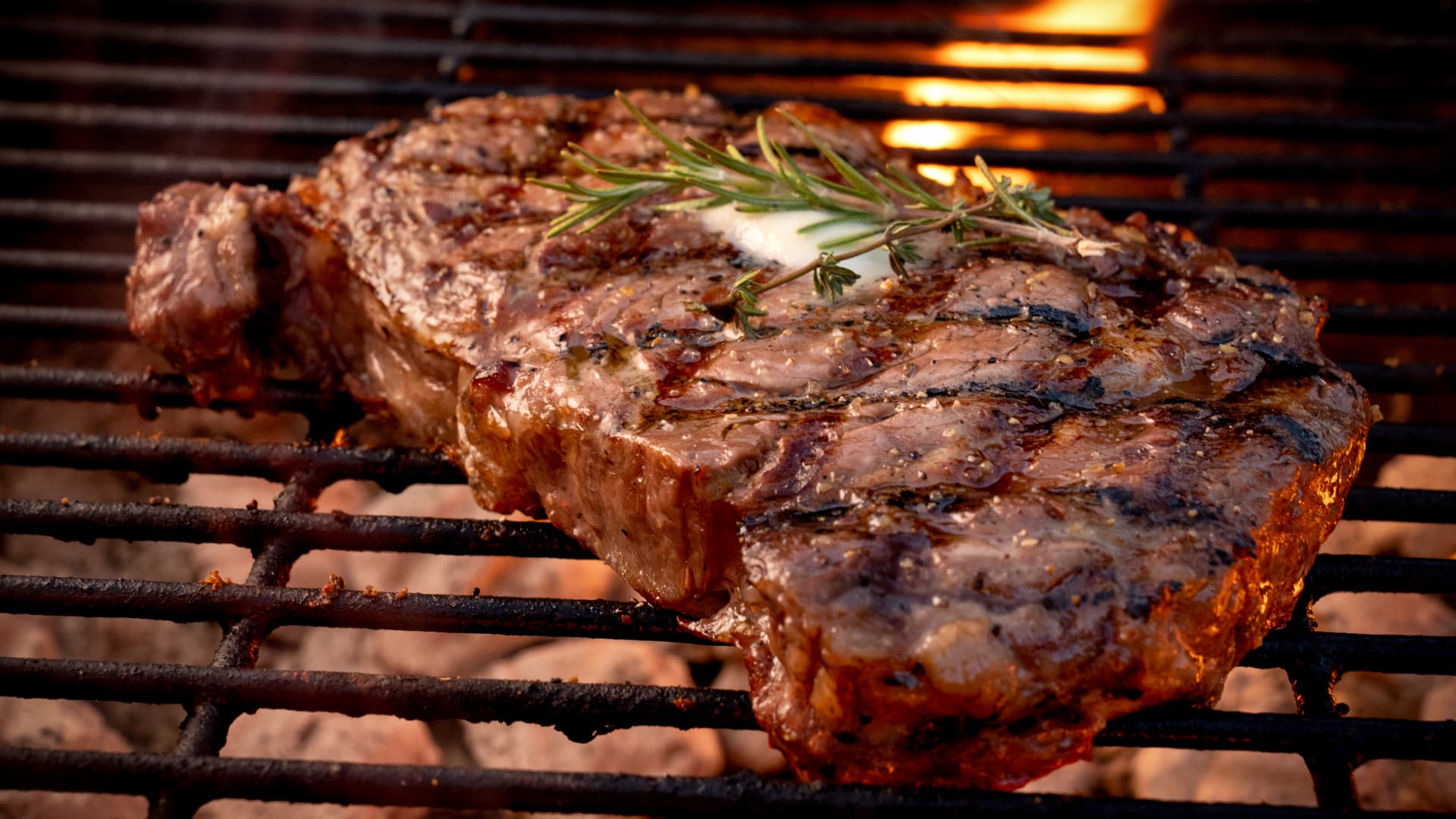
Americans are currently grappling with unprecedented Beef Prices, yet consumer demand for steak remains remarkably resilient, baffling traditional economic expectations. This trend highlights a significant shift in consumer behavior and strategic opportunities for companies adept at navigating supply constraints and emphasizing premium quality.
🗝️ Corporate Strategy Insights
- Premiumization Strategy. Despite elevated Beef Prices, consumers are shifting towards higher-quality cuts, viewing steak as an ‘affordable luxury’ for special occasions. This signals a strategic opportunity for brands focusing on premium sourcing and strong quality claims like USDA Prime or grass-fed, allowing them to capture higher margins even during inflationary periods.
- Supply Chain Resilience. The U.S. cattle herd’s decade-low size, driven by drought and high feed costs, has squeezed supply and amplified Beef Prices. Companies demonstrating robust supply chain management or diversified sourcing, including imported supply, can mitigate these pressures and maintain consistent product availability, crucial for market leadership.
- Value Perception Enhancement. Amid rising costs, successful companies are not just competing on price but enhancing the perceived value of their offerings. Darden Restaurants’ LongHorn Steakhouse, for instance, highlights quality steaks and a great overall dining experience, making their relative value proposition stronger against broader market inflation.
The current surge in Beef Prices stems from a multi-year contraction of the U.S. cattle herd, now at its smallest in decades, according to industry reports. This reduction is a direct consequence of persistent drought conditions, escalating feed costs, and subsequent herd liquidation by ranchers. The resulting supply crunch has driven up cattle prices, which in turn elevates the cost of beef for both grocery retailers and restaurant operators.
Despite these near-record prices, consumer demand shows remarkable resilience. In May 2026, the average price for ground beef reached $6.75 per pound, up nearly 13% year-over-year and just shy of April’s record $6.90, as reported by the U.S. Bureau of Labor Statistics. Similarly, beef steak prices climbed to an average of $12.80 per pound, marking a 16% increase from the previous year and the second-highest level ever recorded. Yet, shoppers are not abandoning their grilling traditions, especially ahead of holidays like the Fourth of July.
Kroger, a major grocery retailer, observed that customer demand for steaks remains high, with a noticeable shift towards premium and organic selections. NielsenIQ data further supports this, indicating that beef generated the largest dollar growth among food categories leading up to Independence Day, with sales rising approximately $352 million compared to the previous year. Consumers are demonstrating discipline in their shopping, making more frequent trips but with clear intent, often reserving spending for ‘affordable luxuries’ like steak.
- Quality Over Price: Consumers are increasingly prioritizing quality claims such as USDA Prime (42%), no added hormones (40%), grass-fed (37%), and no antibiotics ever (36%) when purchasing meat, signaling a deeper scrutiny beyond the price tag.
- Special Occasion Spending: Steak is increasingly viewed as the centerpiece for special occasions, where consumers are willing to allocate more funds for a quality experience, even while seeking savings elsewhere in their grocery budget.
- Value-Added Innovation: Companies like Omaha Steaks are seeing success with value-oriented premium cuts, such as their USDA certified tender top sirloin filet, whose sales were up 25% year-over-year ahead of Father’s Day 2026, demonstrating that perceived value can supersede absolute price.
The enduring strength of Beef Prices and consumer willingness to pay more creates a significant strategic ripple effect across the food industry. The initial supply shock from the dwindling cattle herd translates directly into price inflation for raw materials. This inflation, however, has not deterred consumers but rather refined their preferences, leading to a shift towards premium and value-perceived offerings. This dynamic benefits specialized meat providers and upscale steakhouse chains while challenging undifferentiated retailers to enhance their value proposition or risk losing market share.
Competitors must keenly observe these trends. Those with robust supply chain networks or strong brand equity in premium segments are better positioned to capitalize. Conversely, businesses reliant on price competition for standard cuts face margin pressure and the imperative to innovate their product mix or marketing strategies. The current environment underscores that a focus on quality, sourcing transparency, and an elevated customer experience can serve as a powerful differentiator in an inflationary market.
The strategic takeaway from the sustained demand for premium beef, despite soaring prices, is that market leadership can be forged by prioritizing perceived value and quality differentiation over aggressive price competition. Consumers are not simply buying beef; they are investing in an experience.
Recent price movements in key beef categories indicate substantial increases:
- Ground Beef Price (May 2026): $6.75 per pound (up nearly 13% from a year ago) – Reflects broad consumer staple inflation.
- Beef Steak Price (May 2026): $12.80 per pound (up 16% from a year ago) – Highlights strong demand for premium cuts.
- Beef Sales Growth (Pre-Independence Day): Up $352 million year-over-year – Demonstrates continued consumer prioritization for holiday spending, as reported by NielsenIQ.
These metrics underscore not only the inflationary environment but also the consumer’s unwavering commitment to certain product categories, especially those associated with tradition or perceived luxury.
Kroger Strategic Analysis: Navigating Premium Demand
Kroger’s observations regarding the continued strong demand for premium and organic beef options signal a clear strategic imperative for large grocery chains. In an environment of elevated Beef Prices, effectively merchandising and marketing higher-tier products can drive significant dollar growth and improve margin performance. This involves optimizing supply chains to ensure consistent availability of specialty cuts and leveraging consumer preference data to tailor offerings. For Kroger, this means emphasizing quality claims and potentially expanding partnerships with producers who meet these specific consumer demands, differentiating their meat departments from discount competitors. Understanding these shifts allows for more targeted inventory management and promotional strategies, crucial for maintaining market share in a competitive retail landscape.
Omaha Steaks Competitive Advantages: Brand Loyalty in Premium Proteins
Omaha Steaks exemplifies a company thriving amidst rising Beef Prices, leveraging its established brand reputation for quality and its strategic focus on gifting and special occasions. Their success with value-oriented premium cuts, like the USDA certified tender top sirloin filet, demonstrates an ability to innovate within their product portfolio while staying true to their core offering. This allows them to capture consumers looking for perceived value without compromising on quality. Their direct-to-consumer model and focus on a curated experience create a strong competitive moat, fostering brand loyalty that transcends price sensitivity for their target demographic. This positions Omaha Steaks favorably against generic grocery store meat counters, especially as consumers seek confidence in their purchases, as reported by Bloomberg, in an inflationary market.
The Enduring Appeal of Steak: What’s Next for Beef Prices
Despite persistent inflationary pressures and record Beef Prices, the American consumer’s appetite for steak remains robust, driven by a prioritization of quality and the view of steak as an ‘affordable luxury’ for celebrations. This trend highlights a fundamental shift in purchasing behavior, where perceived value and sourcing claims often outweigh sticker shock, particularly for specialty items.
- Consumer demand for premium and organic beef continues to outpace general market trends.
- Brands emphasizing quality, transparency, and a strong value proposition are capturing significant market share.
- The rebuilding of the U.S. cattle herd will be a multi-year process, suggesting sustained high prices.
How will the long-term rebalancing of supply chains impact these newly entrenched consumer preferences and the strategic positioning of industry players?
📊 StockXpo Analyst’s View
Market Impact: The sustained strength in Beef Prices, driven by supply constraints and resilient consumer demand for premium products, signals a bifurcated market. Companies focused on high-quality, specialty offerings are poised for continued revenue growth and margin expansion, while those at the lower end of the market face significant pricing pressure. This dynamic will likely reinforce a flight to quality for consumers, shifting spending patterns towards established brands and restaurants known for their premium sourcing and experience. For investors seeking deep insights into current stock markets and investment analysis, understanding these shifts is crucial for identifying market leaders.
Sector To Watch: The protein sector, particularly premium beef producers and high-end restaurant chains like Darden Restaurants’ LongHorn Steakhouse, is one to monitor closely. Their ability to maintain strong sales and profitability amid high input costs reflects effective pricing power and brand strength, vital for understanding company strategy and corporate growth. Furthermore, the agricultural commodities market, particularly cattle futures, will be a key indicator for future price stability, offering additional educational insights for investors. This resilience in specific segments, as outlined in recent analysis from Reuters, suggests a robust underlying demand structure.
Financial Disclaimer:
StockXpo.com is a financial news aggregator and educational portal, not a registered investment advisor or broker-dealer. All information, news, and analysis provided herein are strictly for educational purposes and do not constitute investment, financial, legal, or tax advice. Investing in the stock market involves high risks, and past performance is not indicative of future results. StockXpo will not be liable for any financial losses or investment damages. Always consult a certified financial advisor before making market decisions.
MORE IN INSIDE BUSINESS
American Airlines loss forecast: Strategic Capacity Slowdown Expected
Published: Thursday, October 22, 2026 · 8:40 AM
United Airlines Profit Outlook Slashed Amid Fuel Costs, Strong Demand Persists
Published: Wednesday, October 21, 2026 · 7:30 AM