Published: Thursday, July 2, 2026 · 12:09 PM | Updated: Thursday, July 2, 2026 · 12:09 PM
📊 222 views




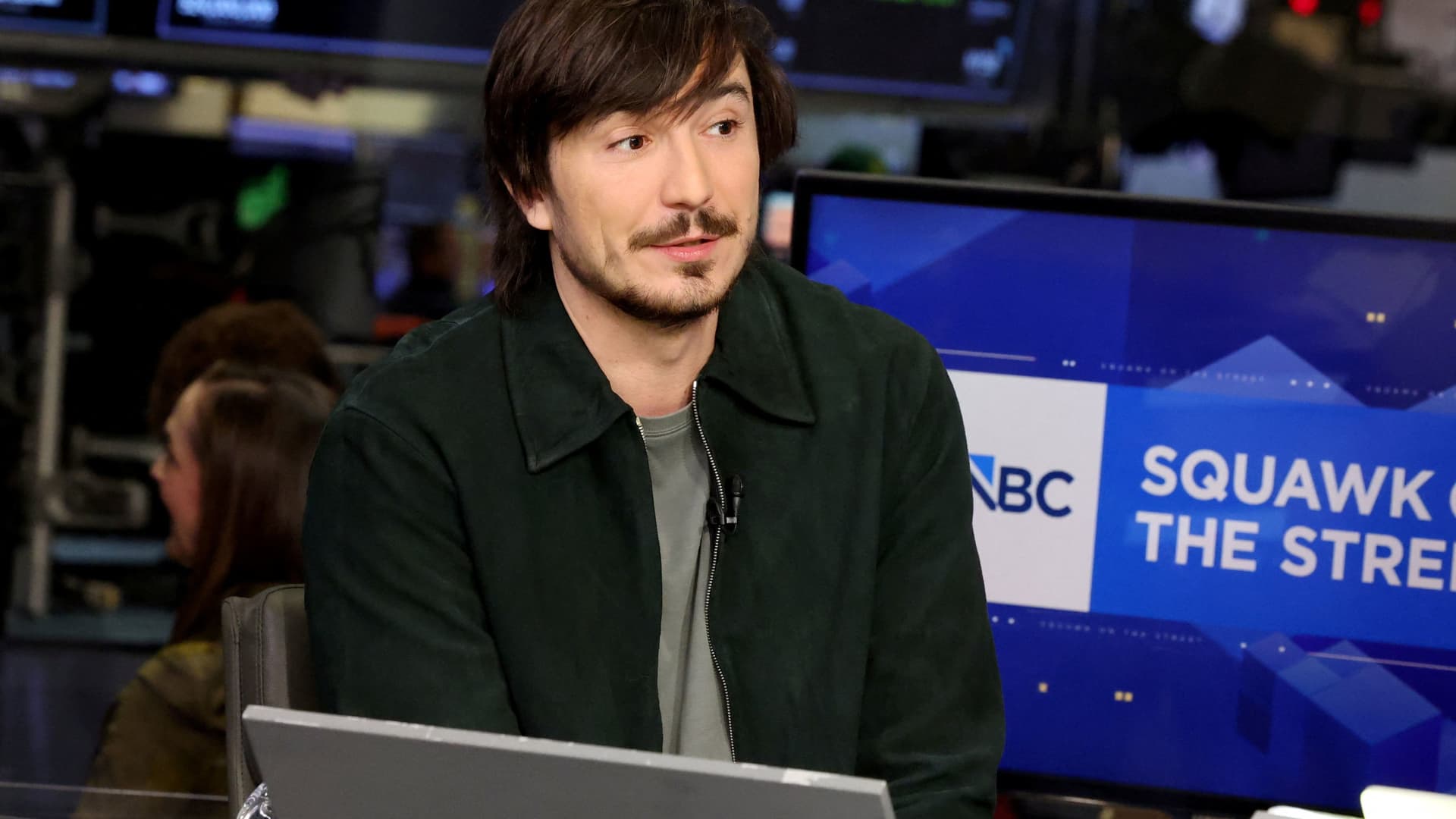
Robinhood CEO Vlad Tenev asserts that advanced AI agents are on the cusp of matching human trading capabilities, a development poised to fundamentally reshape retail investment. This projection underscores a broader industry push towards democratizing sophisticated trading tools, historically reserved for institutional players.
🚀 Tech Strategy & Market Disruptions
- Agentic AI Leap. Robinhood is deploying AI agents that can execute trades and purchases, aiming to replicate human decision-making with computational speed.
- Democratizing Sophistication. This initiative seeks to grant everyday investors access to the high-frequency trading and analytical power traditionally exclusive to institutional firms.
- Strategic Market Expansion. Alongside AI innovations, Robinhood is expanding its crypto trading presence in the U.K., broadening its digital asset footprint amidst shifting market conditions.
Robinhood’s CEO, Vlad Tenev, recently articulated a vision where AI agents will soon possess the ability to rival human traders, a significant pronouncement for the fintech sector. This isn’t merely theoretical; Robinhood itself has already introduced tools that empower AI agents to conduct stock trades and facilitate purchases on behalf of users, a development announced in May. Tenev highlighted to CNBC that a substantial portion of institutional trading is already automated and AI-driven, but that this level of sophistication has been largely inaccessible to the general public.
The essence of agentic trading, as Tenev described, is to equip ordinary investors with the same advanced computational power and tools that high-frequency trading firms and institutional investors have leveraged for decades. “I was doing programmatic trading as an institutional player before starting Robinhood, and what you don’t realize is a large portion of trades are already automated and AI powered.” This perspective is widely echoed in Reuters analysis of quantitative finance. This shift aligns with broader efforts by tech giants like OpenAI and Anthropic, who are also actively developing agentic AI products capable of autonomously executing tasks. Robinhood’s strategic moves extend beyond AI, with the company recently launching crypto trading services in the U.K., marking a notable expansion of its European operations. The company, which serves nearly 28 million customers across 38 countries, saw its shares rise significantly following these announcements, despite a challenging year for its stock. These developments occur as the firm seeks to operate more efficiently, having recently cut 10% of its workforce, a move Tenev described as essential for building a “lean, hyper-focused team” despite a reported stronger business performance. For more on broader technology market trends, StockXpo offers deep insights.
- Robinhood’s strategic focus on AI aims to bridge the long-standing gap in trading capabilities between retail and institutional investors.
- The expansion into the U.K. crypto market signals a diversified growth strategy beyond traditional equities, targeting a broader digital asset clientele.
The introduction of sophisticated AI agents by platforms like Robinhood sets in motion a clear disruption flow in financial markets. Agentic AI development, enabling autonomous task execution, directly leads to the democratization of advanced trading strategies. This, in turn, fosters increased market efficiency and liquidity as more participants gain access to high-speed analytics and execution. The inevitable consequence is a significant market disruption for traditional brokerage models and potentially a leveling of the playing field, making high-return strategies previously exclusive to the elite accessible to the masses.
“The integration of agentic AI into consumer trading platforms represents a pivotal moment, shifting the paradigm from mere automation to autonomous financial agency. As CTO, I see this not just as an efficiency gain, but as a foundational re-architecture of market access, posing complex questions around risk management, regulatory oversight, and the very definition of individual financial autonomy.”
Recent Financial & Operational Highlights for Robinhood (HOOD):
- Shares were up around 2% in Thursday premarket trading, following an 8% pop on Wednesday.
- Market capitalization reached $98 billion at Wednesday’s close.
- Despite recent gains, shares are down approximately 5% year-to-date in 2026.
- Serves nearly 28 million customers across 38 countries and three continents.
- Recently cut 10% of its workforce to enhance operational efficiency.
Understanding Robinhood’s Market Adoption Challenges
While Robinhood touts its pioneering role in democratizing finance, the path to widespread AI agent adoption isn’t without hurdles. A primary challenge lies in user trust and education. Entrusting autonomous AI to manage investments requires significant assurance, especially given the inherent volatility of financial markets and past regulatory scrutiny faced by Robinhood. The complexity of AI-driven strategies, even when simplified, demands that users understand the underlying mechanics and risks, moving beyond passive reliance. Furthermore, competition from traditional brokerages adapting their own AI tools, alongside regulatory bodies grappling with how to oversee agentic AI in a retail context, presents considerable headwinds. Bloomberg’s reporting on market dynamics often highlights these complex intersections.
AI Agent Ecosystem Expansion Potential for FinTech
The broader impact of AI agents extends far beyond individual trading platforms. For the fintech industry, this technology unlocks immense ecosystem expansion potential. Imagine AI agents seamlessly interacting with decentralized finance (DeFi) protocols, executing complex arbitrage across multiple exchanges, or proactively managing diverse asset portfolios based on real-time news sentiment. The ability of these agents to integrate with various APIs could foster a new generation of personalized financial services, from automated tax optimization to predictive financial planning, pushing the boundaries of what consumers expect from their banking and investment partners. This could profoundly influence how emerging technologies are integrated into daily financial life.
Robinhood’s AI Agent Bet: Will it Redefine Retail Investment?
Robinhood’s aggressive push into AI agent trading represents a high-stakes gamble on the future of retail finance. By aiming to equip everyday investors with institutional-grade tools, the company seeks to solidify its position as an innovation leader, potentially opening up new revenue streams and customer segments. The success of this strategy hinges on user adoption, regulatory acceptance, and the seamless integration of sophisticated AI into a user-friendly experience.
- The initiative could significantly differentiate Robinhood in a crowded brokerage market.
- Challenges include regulatory clarity and building robust user trust in autonomous trading.
- This marks a critical juncture for democratizing advanced financial technologies globally.
Is the market truly ready for an era where AI agents make investment decisions on behalf of millions of retail users, and what new risks might emerge from this shift? For additional educational tech insights on such market shifts, our blog provides comprehensive analyses.
📊 StockXpo Analyst’s View
Market Impact: Robinhood’s explicit move into agentic trading could significantly boost investor sentiment around fintech innovation, particularly for platforms that prioritize accessibility and advanced tech. We anticipate increased market liquidity as AI-driven automation could lower barriers to active participation, though regulatory bodies may scrutinize algorithmic trading for retail users more closely.
Sector To Watch: The financial technology sector, especially companies specializing in AI infrastructure, machine learning for finance, and advanced data analytics, stands to gain substantially. This trend also puts pressure on traditional brokers to accelerate their digital transformation initiatives to remain competitive in a rapidly evolving landscape.
Financial Disclaimer:
StockXpo.com is a financial news aggregator and educational portal, not a registered investment advisor or broker-dealer. All information, news, and analysis provided herein are strictly for educational purposes and do not constitute investment, financial, legal, or tax advice. Investing in the stock market involves high risks, and past performance is not indicative of future results. StockXpo will not be liable for any financial losses or investment damages. Always consult a certified financial advisor before making market decisions.
MORE IN INSIDE TECHNOLOGY

State-Backed Dating App Innovation: Singapore’s Bold Demographic Tech Strategy
Published: Sunday, October 4, 2026 · 3:36 AM

Data Centers Face Global Headwinds: A $119 Billion Investment at Risk
Published: Saturday, October 3, 2026 · 2:48 AM