Published: Tuesday, June 30, 2026 · 9:22 AM | Updated: Tuesday, June 30, 2026 · 9:22 AM
📊 269 views




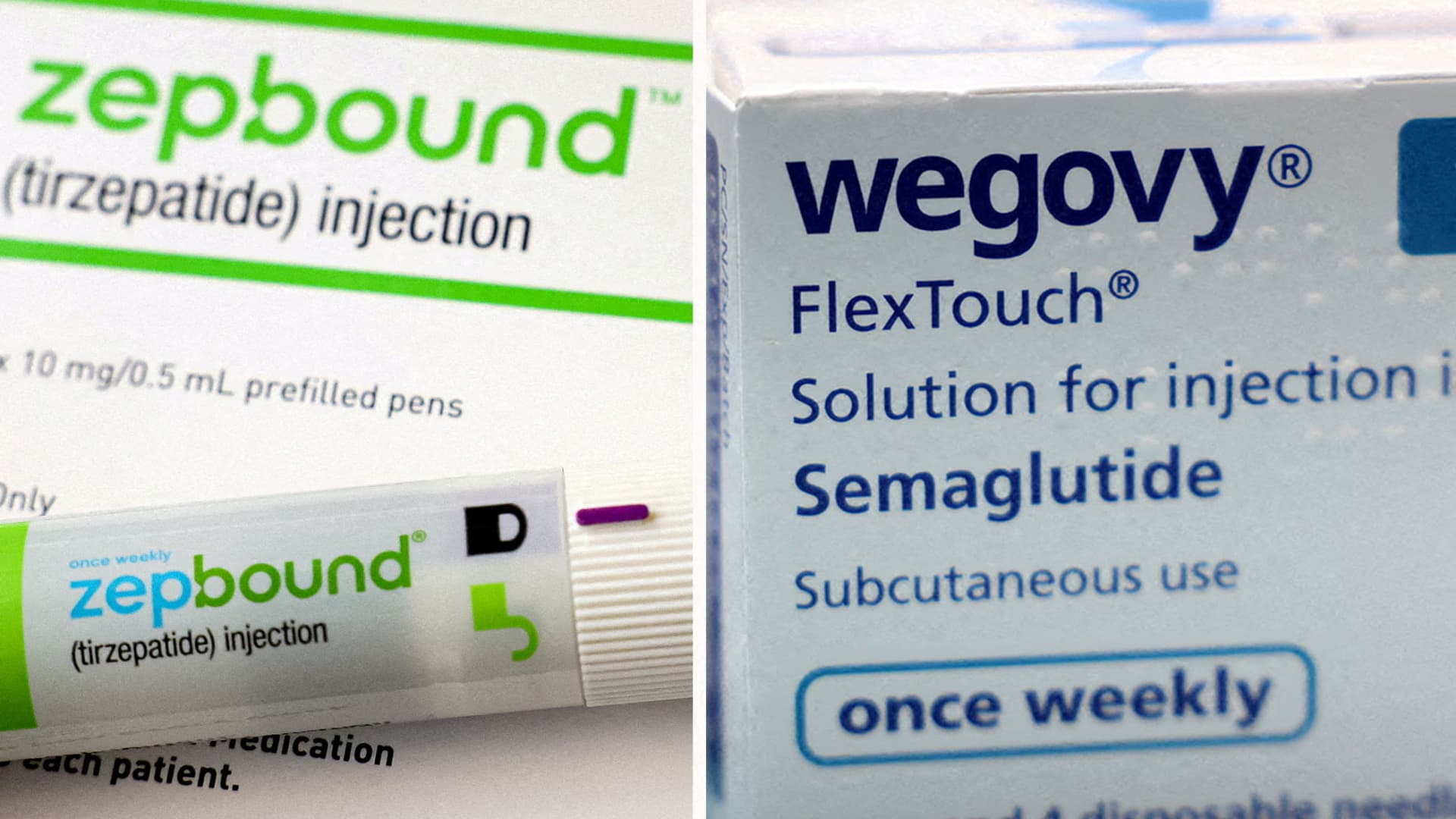
Medicare’s unprecedented move to cover Medicare obesity drugs for the first time marks a seismic shift in the pharmaceutical landscape, immediately unlocking a vast new patient demographic. This temporary Bridge demonstration program, commencing this Wednesday, is set to dramatically expand access to GLP-1s for millions of older Americans, profoundly impacting the strategic outlook for industry leaders like Novo Nordisk and Eli Lilly.
🗝️ Corporate Strategy Insights
- Vast Market Unlocked. Millions of Medicare beneficiaries, previously without coverage for obesity treatments, are now eligible, creating a substantial new revenue stream for pharmaceutical companies.
- Affordable Access. A flat $50 monthly copay makes high-cost GLP-1s accessible to a population often constrained by fixed incomes, significantly boosting uptake potential.
- Temporary Policy Uncertainty. The program’s scheduled expiration at the end of 2027 introduces long-term uncertainty for patients and drugmakers, requiring future legislative or private insurer action for permanent coverage.
The Centers for Medicare and Medicaid Services (CMS) is sidestepping a long-standing federal ban on obesity drug coverage with its new Bridge program. This initiative allows eligible Medicare Part D beneficiaries to receive GLP-1s—a class of drugs including semaglutide and tirzepatide—at a $50 monthly copay, a significant reduction from typical out-of-pocket costs ranging from $299 to $699. This move addresses a critical gap for over 69 million Medicare beneficiaries, with an estimated 15 million to 20 million older adults potentially qualifying for weight loss medications, according to projections from Novo Nordisk and Eli Lilly.
The eligibility criteria are broad, encompassing individuals with a Body Mass Index (BMI) of 35 or higher, as well as those with lower BMIs who have co-existing conditions such as prediabetes, a history of heart attack or stroke, or blocked arteries. Providers must navigate a prior authorization process, submitting requests directly to Humana, which CMS has contracted to manage approvals for the Bridge program. While designed to streamline access, some physicians express concerns about potential administrative burdens and a surge in demand straining clinics and pharmacies, potentially delaying patient access. The initial rollout, though transformative, faces operational hurdles.
- Enrollment Projections: Several million beneficiaries are expected to access GLP-1s through the Bridge program, significantly expanding the patient base for obesity treatments.
- Financial Accessibility: The $50 flat copay for all doses represents a dramatic cost reduction, making therapies like Novo Nordisk’s Wegovy and Eli Lilly’s Zepbound attainable for a broader segment of the Medicare population.
- Operational Challenges: The requirement for prior authorization and potential for overwhelming demand could stress the healthcare infrastructure, impacting timely patient care and drug distribution.
The Strategic Ripple Effect on Pharma Markets
This new Medicare coverage is poised to intensify the already fierce competition between Eli Lilly and Novo Nordisk in the burgeoning obesity market. With Leerink Partners analyst David Risinger projecting over a billion dollars in annual revenue for each company from this program alone, the stakes are exceptionally high. Lilly currently holds approximately 60% of the market share, with Novo Nordisk at 39%, but the introduction of a new, substantial patient cohort represents a ‘jump ball’ opportunity. Both companies’ oral GLP-1s, such as Novo Nordisk’s Wegovy pill and Lilly’s Foundayo, are particularly attractive to seniors, with Novo’s research indicating a 75% preference for pills over weekly injections among this demographic. This strategic expansion by Medicare could also compel more private insurers and employers to consider broader GLP-1 coverage for obesity, driven by potential long-term health cost savings demonstrated by the Bridge program. For deeper insights into market dynamics, particularly for global business trends, one can explore stock markets.
“It’s good news that Medicare is rolling out this program, but it is temporary, so it’s really not clear at this point what happens after the end of the 18-month program duration,” noted Juliette Cubanski, director of the Program on Medicare Policy at KFF. “Whether that coverage will continue in some other fashion, or whether people might lose access at that point.”
Key Performance Indicators for the Bridge Program
As the Bridge program rolls out, several key indicators will signal its immediate and long-term impact on both the healthcare system and pharmaceutical companies:
- Estimated Medicare Beneficiaries (Total): Over 69 million. This figure highlights the vast potential market for obesity treatments once coverage expands.
- Estimated Medicare Beneficiaries (Eligible for GLP-1s): 15-20 million. This represents the immediate addressable market for drug manufacturers like Eli Lilly and Novo Nordisk.
- Bridge Program Monthly Copay: $50. This fixed, low cost makes advanced obesity drugs significantly more accessible, driving demand and prescription volume.
- Eli Lilly’s Q1 Market Share (Obesity GLP-1s): Approximately 60%. This indicates Lilly’s current leadership, which the Medicare expansion could either solidify or challenge.
- Novo Nordisk’s Q1 Market Share (Obesity GLP-1s): Approximately 39%. This demonstrates Novo Nordisk’s strong competitive position, particularly with its oral offerings.
Eli Lilly’s Strategic Positioning in the GLP-1 Race
Eli Lilly stands to gain significantly from the new Medicare coverage, leveraging its dominant market share and robust product pipeline. The inclusion of its Zepbound KwikPen formulation in the Bridge program highlights a strategic decision to simplify administration for providers and patients, offering a month’s supply in a single pen. Lilly’s swift entry into the oral GLP-1 market with Foundayo also positions it well to capture the senior demographic’s preference for pills. The company’s focus on broad eligibility criteria, similar to commercial insurance standards but more inclusive for conditions like prediabetes, underpins its strategy to maximize patient access and market penetration. This aggressive pursuit of market leadership in obesity therapeutics is a core component of Lilly’s corporate strategy for growth.
Novo Nordisk’s Competitive Advantages in Obesity Therapeutics
Novo Nordisk, with its established Wegovy brand and newly launched oral obesity pill, possesses distinct competitive advantages in capturing the newly opened Medicare market. The company’s extensive research indicating a strong preference among seniors for daily pills over weekly injections provides a crucial edge for its oral offerings. Novo Nordisk also emphasizes the slightly higher efficacy and fewer drug-to-drug interactions of its oral medication, critical factors for an older patient population managing multiple conditions. This focus on patient-centric formulations and robust clinical profiles positions Novo Nordisk strongly to challenge Eli Lilly’s current market leadership and secure a substantial share of the new Medicare-funded prescriptions. Its commitment to expanding access aligns with its broader approach to educational insights and market expansion, often highlighted in Reuters analysis and Bloomberg’s market data.
The Future Trajectory of Medicare Obesity Drug Access
Medicare’s Bridge program undeniably offers a lifeline to millions of older Americans struggling with obesity, marking a critical step towards comprehensive healthcare coverage. While it creates immediate, substantial revenue opportunities for pharmaceutical leaders, its temporary nature raises profound questions about long-term patient care and policy stability.
- The program establishes a precedent for Medicare coverage of obesity treatments, potentially paving the way for permanent policy changes.
- Pharmaceutical companies are poised for significant near-term revenue growth, accelerating innovation and competition in the GLP-1 market.
- The looming expiration in 2027 demands urgent legislative action or broader private insurer commitment to prevent a disruptive cessation of care for beneficiaries.
How will the demonstration program’s data influence future policy, and can sustained, affordable access to these life-changing medications be secured for all eligible seniors?
📊 StockXpo Analyst’s View
Market Impact: The Medicare Bridge program represents a substantial upside for pharmaceutical companies, particularly Eli Lilly and Novo Nordisk, boosting their revenue projections and strengthening investor sentiment around the obesity drug market. We anticipate a notable increase in prescription volumes, which could lead to upward revisions in sales forecasts for GLP-1 manufacturers. This could also catalyze broader investment in related healthcare infrastructure and support services.
Sector To Watch: The pharmaceutical sector, especially companies heavily invested in metabolic disease and obesity research, is poised for significant gains. Additionally, healthcare providers and pharmacies, despite initial logistical challenges, will see increased demand for services related to GLP-1 administration and patient management, indicating potential growth in specialized clinics and pharmacy chains.
Financial Disclaimer:
StockXpo.com is a financial news aggregator and educational portal, not a registered investment advisor or broker-dealer. All information, news, and analysis provided herein are strictly for educational purposes and do not constitute investment, financial, legal, or tax advice. Investing in the stock market involves high risks, and past performance is not indicative of future results. StockXpo will not be liable for any financial losses or investment damages. Always consult a certified financial advisor before making market decisions.
MORE IN INSIDE BUSINESS
American Airlines loss forecast: Strategic Capacity Slowdown Expected
Published: Thursday, October 22, 2026 · 8:40 AM
United Airlines Profit Outlook Slashed Amid Fuel Costs, Strong Demand Persists
Published: Wednesday, October 21, 2026 · 7:30 AM