Published: Monday, June 29, 2026 · 10:48 PM | Updated: Monday, June 29, 2026 · 10:48 PM
📊 238 views




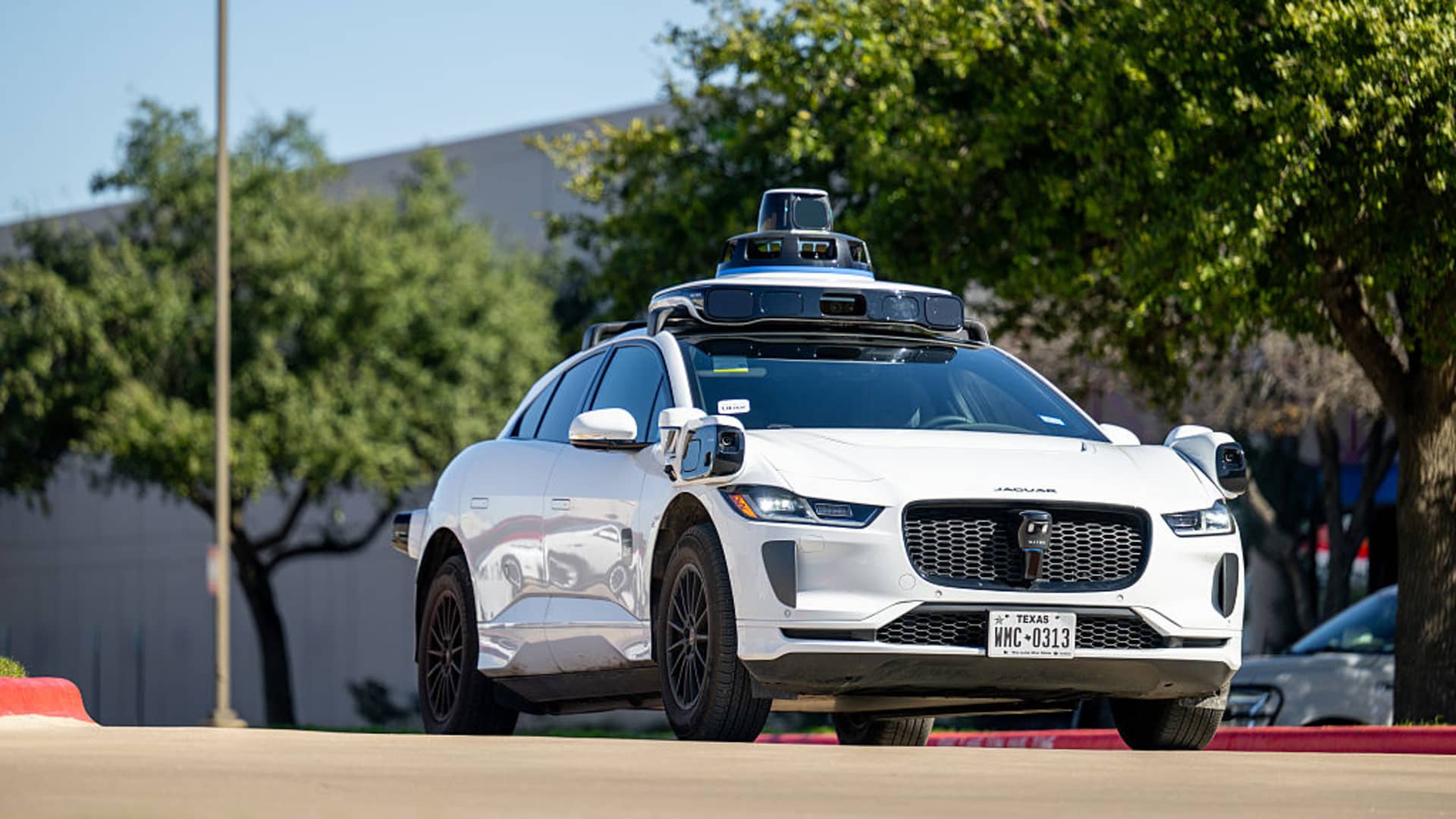
The landscape of autonomous vehicle deployment is experiencing a nuanced recalibration as the Waymo Uber robotaxi pilot in Phoenix officially concludes. This collaborative venture, initiated to explore the integration of self-driving services into a major ride-hailing platform, has run its course, prompting both Waymo and Uber to refine their distinct strategies for the rapidly evolving mobility sector.
🚀 Tech Strategy & Market Disruptions
- Strategic Partnership Evolution. The pilot’s end signals a shift from initial broad collaborations to more focused, geographically specific deployments for autonomous fleets.
- Uber’s Platform Ambition. Uber continues to position itself as the indispensable aggregator for diverse robotaxi services, despite this specific pilot ending.
- Waymo’s Multi-faceted Approach. Waymo is diversifying its service offerings beyond direct ride-hailing to include logistics via DoorDash and non-exclusive partnerships with competitors like Lyft.
Phoenix, Arizona, served as the initial proving ground for Waymo’s automated vehicle rides to be accessible through the Uber app. Both companies have affirmed the conclusion of this pilot program, a move that, while limited in scope with only a dozen vehicles, provided crucial insights for larger-scale deployments. Uber stated the Phoenix collaboration was instrumental in quickly expanding their joint services in Austin and Atlanta, where hundreds of Waymo AVs are now exclusively available via the Uber platform, as reported by CNBC. This suggests a strategic shift towards scaling proven models rather than continuing exploratory pilots.
The termination of the Phoenix pilot prompts a deeper examination of Uber’s long-term vision within the autonomous driving ecosystem. The ride-hailing behemoth has consistently pitched itself as the essential platform for future self-driving services, securing partnerships with nearly every major autonomous vehicle developer, conspicuously excluding Tesla. This strategy aims to solidify Uber’s market dominance by integrating diverse AV fleets, ensuring it remains the primary consumer interface for mobility solutions, regardless of the underlying vehicle technology. This evolution highlights a critical trend in emerging technologies where platform control can dictate market share and profitability.
Meanwhile, Waymo, the Google sister company, is demonstrating a more diversified and adaptive strategy. The autonomous vehicles previously utilized in the Phoenix pilot will remain operational in the city, transitioning their utility to autonomous deliveries for DoorDash, a direct competitor to Uber Eats. This pivot underscores Waymo’s intent to explore multiple revenue streams and use cases for its expansive fleet of approximately 4,000 automated vehicles across the U.S. In addition to exclusive Uber partnerships in Austin and Atlanta, Waymo’s robotaxi passenger rides are also available through its proprietary app in nine other cities and via limited public transit collaborations.
Looking ahead, Waymo plans to extend its robotaxi services to Nashville later this year through Lyft, another major Uber competitor, notably without an exclusivity clause. This non-exclusive arrangement with Lyft in a new market signifies Waymo’s commitment to maximizing fleet utilization and market penetration through varied distribution channels, balancing strategic alliances with competitive flexibility. The end of the Phoenix pilot, first brought to public attention by autonomous vehicle industry researcher Grayson Brulte, founder of Autmny AI, occurred roughly a month prior to the official confirmation, underscoring the rapid pace of strategic adjustments in this high-stakes industry, providing valuable educational tech insights.
The conclusion of the Phoenix pilot acts as a crucial data point in the evolving autonomous mobility sector. Initial partnerships like the Waymo Uber robotaxi collaboration often serve as valuable testbeds. The pilot’s successful learnings → enabled rapid scalability of operations in key markets like Austin and Atlanta. Concurrently, Waymo’s strategic shift to non-exclusive partnerships and B2B delivery services → diversifies its revenue streams and reduces reliance on a single platform, challenging Uber’s envisioned gatekeeper role. This diversification → fosters greater competition and accelerates the maturation of autonomous logistics and ride-hailing models across the broader technology market trends.
‘The strategic unwinding of the Waymo-Uber Phoenix pilot is not a failure, but a strategic refinement for both. It illustrates the iterative nature of integrating advanced autonomous systems into commercial operations, where initial broad explorations give way to optimized, data-driven scaling and multi-modal ecosystem plays. For CTOs, this underlines the importance of adaptable platform architectures and diversified go-to-market strategies in nascent, high-capital tech sectors,’ explained a lead solution architect at StockXpo.
Waymo’s Ecosystem Expansion Potential
“Waymo’s decision to pivot its Phoenix fleet from Uber rides to DoorDash deliveries illustrates a pragmatic approach to asset utilization and market expansion. This dual strategy—operating its own app, partnering exclusively with Uber in some markets, and non-exclusively with Lyft in others—showcases a flexible business model designed to maximize the reach and efficiency of its 4,000-vehicle autonomous fleet. This approach not only broadens Waymo’s revenue streams beyond traditional ride-hailing but also allows it to test and refine its autonomous driving technology across different commercial applications, from passenger transport to last-mile logistics. The diversification hedges against over-reliance on a single platform or market segment, a vital consideration in a capital-intensive sector with regulatory uncertainties. This kind of adaptability is critical for companies navigating emerging technologies.”
Uber’s Platform Architecture Ambition
“Uber’s consistent strategy to integrate various autonomous vehicle developers into its platform highlights a clear architectural ambition: to remain the dominant interface for on-demand mobility, regardless of who owns the self-driving stack. By positioning itself as the ‘crucial platform’ that AV players ‘will need to rely on to tap demand,’ Uber is investing in an aggregator model. This requires robust API integrations and a scalable backend capable of managing disparate AV technologies and operational protocols from multiple partners. The technical challenge lies in creating a seamless, unified user experience while accommodating the unique characteristics and limitations of each AV fleet. This strategy seeks to build a ‘network effect’ where the value of the Uber platform increases with every additional AV partner, fostering a competitive moat against rivals and independent AV operators.”
Waymo Uber Robotaxi: The Road Ahead for Autonomous Partnerships
“The conclusion of the Waymo Uber robotaxi pilot in Phoenix marks a maturation point in the autonomous vehicle industry, shifting focus from exploratory collaborations to refined, scalable deployment strategies. Both companies are now pursuing distinct paths to secure their positions in the future of mobility.”
- Waymo is prioritizing fleet versatility, deploying its AVs for both ride-hailing and commercial logistics through diversified partnerships.
- Uber continues to solidify its role as the essential platform for robotaxi integration, aiming to be the aggregator for all major AV developers.
- The strategic adjustments underscore the competitive pressures and the need for adaptable business models within the autonomous mobility sector.
“As the industry evolves, how will these divergent strategies impact the pace of autonomous vehicle adoption and profitability across urban landscapes?”
📊 StockXpo Analyst’s View
Market Impact: The measured evolution of these partnerships, rather than a full cessation of collaboration, suggests a maturing AV market. While the Phoenix pilot’s end might trigger short-term speculative questions about Uber’s perceived platform dominance, the expansion in Austin and Atlanta provides a counter-narrative of successful scale. Investors should watch for clarity on partnership terms (exclusivity, revenue share) as these will dictate long-term profitability.
Sector To Watch: The diversification into autonomous delivery (DoorDash by Waymo) is significant. This move into logistics will intensify competition between ride-hailing and food delivery giants, potentially reshaping the last-mile delivery sector and opening new avenues for revenue generation for AV developers.
Financial Disclaimer:
StockXpo.com is a financial news aggregator and educational portal, not a registered investment advisor or broker-dealer. All information, news, and analysis provided herein are strictly for educational purposes and do not constitute investment, financial, legal, or tax advice. Investing in the stock market involves high risks, and past performance is not indicative of future results. StockXpo will not be liable for any financial losses or investment damages. Always consult a certified financial advisor before making market decisions.
MORE IN INSIDE TECHNOLOGY

AI Buildout Hits Credit Headwinds: Neoclouds Under Pressure
Published: Saturday, October 24, 2026 · 12:23 AM

SK Hynix Shares Rebound: A Strategic Shift in Semiconductor Funding
Published: Friday, October 23, 2026 · 1:46 AM