Published: Friday, June 26, 2026 · 6:00 PM | Updated: Friday, June 26, 2026 · 6:00 PM
📊 274 views




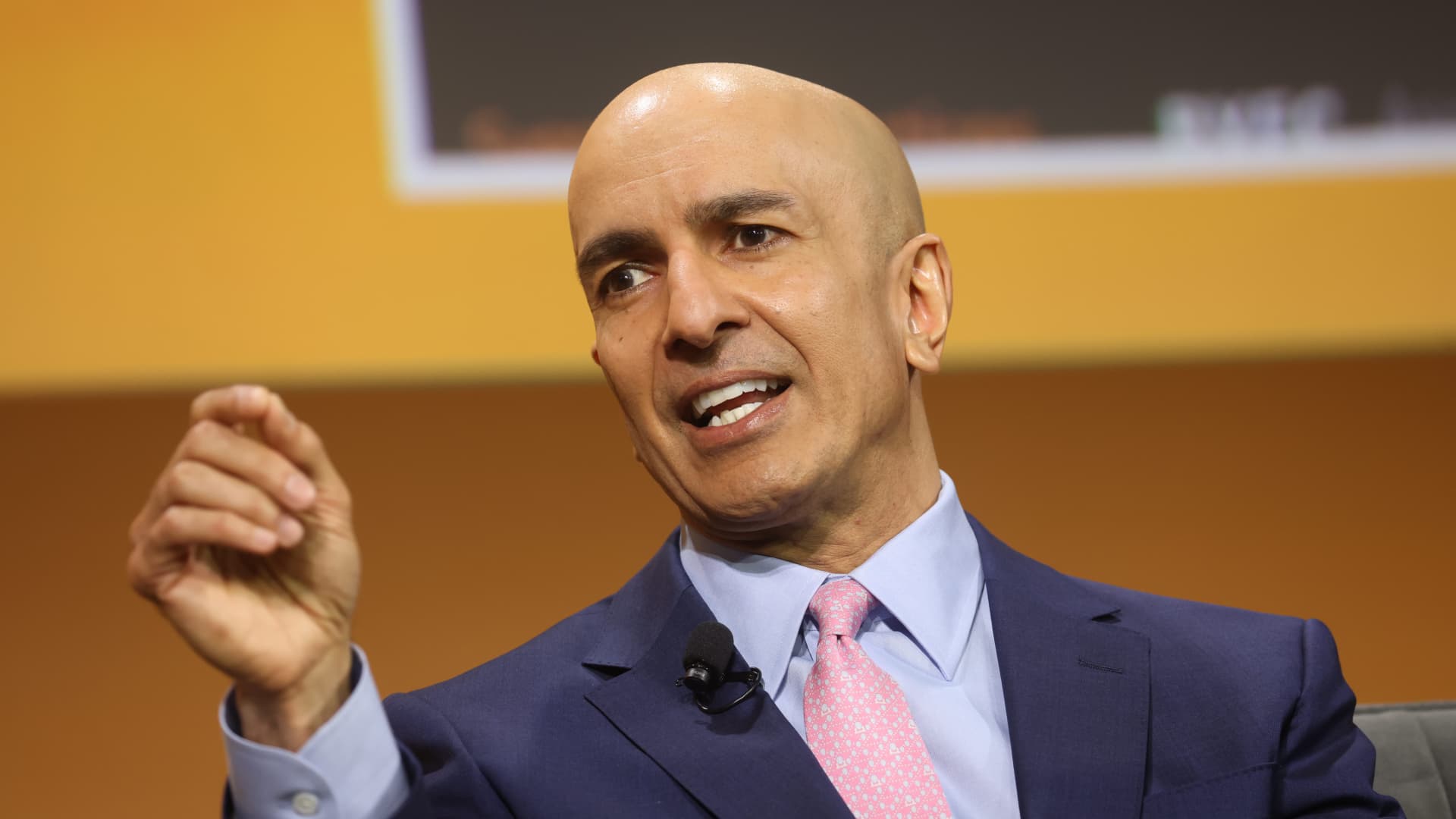
Minneapolis Federal Reserve President Neel Kashkari has significantly revised his economic outlook, now anticipating a rate hike this year, a sharp reversal from his earlier projection of a rate cut. This unexpected shift from a prominent voting member of the Federal Open Market Committee (FOMC) signals growing concern over persistent inflationary pressures and geopolitical instability.
💰 Financial Strategy & Market Insights
- Hawkish Pivot. Kashkari’s move from anticipating a rate cut to a rate hike reflects heightened inflation concerns, diverging from some Fed colleagues.
- Inflationary Persistence. Elevated PCE inflation (4.1% headline, 3.4% core) underscores the challenge of returning to the Fed’s 2% target, impacting future monetary policy.
- Geopolitical & Supply Risks. Ongoing Middle East tensions and supply chain disruptions, including tariffs and data center investments, are cited as key drivers of sustained price pressures.
Kashkari’s updated forecast comes just over a week after the FOMC opted to hold its benchmark rate steady, a decision that masked mixed sentiment among policymakers. His previous expectation of a rate cut by year-end has been replaced with a likely increase, driven primarily by an economy still grappling with stubborn inflation fueled by Middle East conflicts and other supply-side shocks. The Commerce Department recently reported that the headline Personal Consumption Expenditures (PCE) price index, the Fed’s preferred inflation gauge, surged to 4.1%, its highest level since April 2023. Core PCE, excluding volatile food and energy components, also hit 3.4%, a peak not seen since October 2023.
Inflation has now exceeded the Federal Reserve’s 2% target for an unprecedented five years, challenging assumptions about its transient nature. Kashkari voiced skepticism that energy price surges, exacerbated by ongoing unease in the Middle East and concerns about Iran’s adherence to ceasefire agreements, will abate quickly. This geopolitical backdrop, he argues, necessitates a more cautious stance on monetary policy. Beyond energy, Kashkari pointed to other significant inflationary drivers.
- Trade Tariffs: Tariffs are pushing up the cost of imported goods, directly contributing to higher consumer prices.
- Supply Chain Disruptions: Issues like fertilizer availability due to disruptions in the Strait of Hormuz impact agricultural and related sectors.
- Massive Investment: Hundreds of billions of dollars poured into data centers and their associated infrastructure are causing prices to skyrocket in these critical economic sectors, creating a ripple effect across industries and influencing broader investment trends.
These factors combine to create a complex inflationary environment that Kashkari believes requires a more aggressive monetary policy response than previously anticipated. His comments underscore the internal debate within the FOMC, where opinions remain divided. While New York Fed President John Williams anticipates inflation easing and views current policy as appropriate, Chicago Fed President Austan Goolsbee maintains concern about inflation but refrains from speculating on future rate movements, highlighting the varied interpretations of incoming economic data and market analysis among central bankers.
Balancing the Scales: Risk vs Reward in a Shifting Rate Environment
- Upside:
- Inflation Control: A preemptive rate hike could anchor inflation expectations and prevent a more severe tightening cycle later, stabilizing asset valuation long-term.
- Stronger Dollar: Higher rates could strengthen the U.S. dollar, benefiting importers and potentially attracting foreign capital, improving market liquidity.
- Yield Opportunities: Investors in fixed-income markets could see improved yields, making bonds more attractive relative to other asset classes.
- Downside Risks:
- Economic Slowdown: A rate hike could stifle economic growth, increase borrowing costs for businesses and consumers, and potentially trigger a recession.
- Market Volatility: Equity markets may experience significant volatility as higher discount rates impact corporate valuations and investment trends.
- Increased Debt Burden: Higher interest rates exacerbate national debt servicing costs and increase pressure on highly leveraged companies.
Strategic Insight: The concept of ‘real yield’ becomes paramount in an inflationary environment. Investors must consider not just the nominal return on their investments but also the return adjusted for inflation, which directly impacts purchasing power and asset valuation. A sustained period of negative real yields erodes wealth and incentivizes capital shifts towards inflation-hedging assets like commodities or real estate, influencing overall market liquidity.
Key Inflationary Data Points
- Headline PCE: 4.1% (highest since April 2023)
- Core PCE: 3.4% (highest since October 2023)
- Duration Above Target: Inflation has exceeded the Fed’s 2% goal for five consecutive years.
Market Sentiment Tracker: Gauging Investor Reaction to Hawkish Shifts
Investor sentiment typically turns cautious following hawkish signals from the Federal Reserve, especially when a senior official reverses an earlier, more dovish stance. Kashkari’s pivot is likely to inject a fresh wave of uncertainty into capital markets, prompting reassessments of equity valuations and future earnings projections. Sectors heavily reliant on borrowing, such as real estate and highly leveraged growth stocks, may face particular headwinds. Conversely, financial institutions could see an expansion in net interest margins, while commodity-linked assets might benefit from persistent inflation expectations. This sentiment shift will be closely watched for its impact on overall market liquidity and investor appetite for risk, potentially leading to a flight to quality and safer investment trends. For deeper market analysis, staying informed is critical.
Yield Curve Dynamics: Anticipating the Impact of a Rate Hike
The prospect of a rate hike directly influences the yield curve, particularly the short end. A hike would typically cause short-term Treasury yields to rise, reflecting increased borrowing costs for financial institutions and impacting financial sector lending. If long-term yields do not rise commensurately, or even decline due to recession fears, the yield curve could flatten or invert further, historically a potential recessionary signal. Such a dynamic influences capital shifts, making short-term fixed income more attractive and potentially drawing capital away from longer-duration assets. This shift affects how financial institutions manage their balance sheets and can signal changes in the broader economic outlook, impacting investment trends across the entire market for fixed income products.
The Rate Hike Outlook: Navigating 2026’s Economic Crossroads
Minneapolis Fed President Neel Kashkari’s unexpected shift to anticipating a rate hike this year marks a significant turning point in the Federal Reserve’s fight against persistent inflation. This pivot underscores the central bank’s growing concerns over stubbornly high prices, driven by a confluence of geopolitical tensions and structural supply-side pressures. Investors must recalibrate their portfolios to account for a potentially tighter monetary policy environment.
- Expect increased market volatility as investors digest the implications of higher borrowing costs.
- Re-evaluate asset valuation, particularly for growth stocks sensitive to discount rates.
- Monitor capital shifts towards defensive sectors or assets offering inflation hedges.
How will global capital flows respond to the specter of a tighter U.S. monetary policy in an already volatile economic landscape?
### 📊 StockXpo Analyst’s View
Market Impact: Kashkari’s hawkish reversal, especially given his voting status this year, could trigger a reassessment of future interest rate probabilities. This might lead to an immediate weakening in equity markets, particularly in high-growth, debt-reliant sectors, while potentially strengthening the dollar. Overall market liquidity could tighten as borrowing costs rise across the economy.
Sector To Watch: The financial sector, specifically banks, could see improved net interest margins from higher rates. Conversely, technology and real estate sectors, which are highly sensitive to financing costs and have often benefited from low-rate environments, may face increased pressure on their asset valuation and future growth prospects. For more educational financial insights, explore our blog.
Financial Disclaimer:
StockXpo.com is a financial news aggregator and educational portal, not a registered investment advisor or broker-dealer. All information, news, and analysis provided herein are strictly for educational purposes and do not constitute investment, financial, legal, or tax advice. Investing in the stock market involves high risks, and past performance is not indicative of future results. StockXpo will not be liable for any financial losses or investment damages. Always consult a certified financial advisor before making market decisions.
MORE IN INSIDE FINANCE
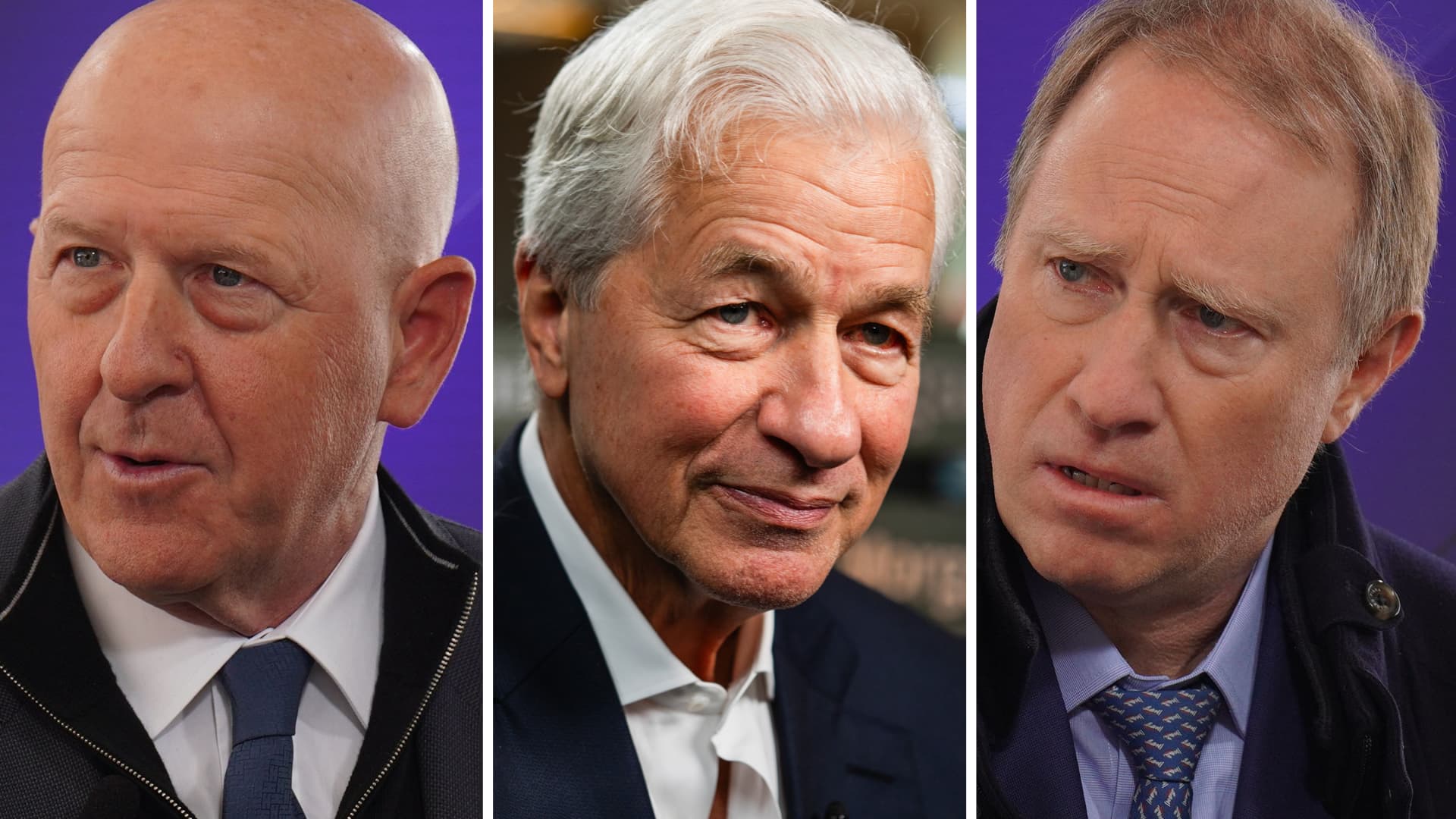
AI Stock Boom Fuels $67 Billion Equities Growth for Wall Street Giants
Published: Wednesday, October 21, 2026 · 11:03 AM
New Risks Emerge: Global Finance Chiefs Highlight Debt, AI, and Geopolitical Volatility
Published: Tuesday, October 20, 2026 · 2:12 AM