Published: Thursday, June 25, 2026 · 12:41 PM | Updated: Thursday, June 25, 2026 · 12:41 PM
📊 227 views




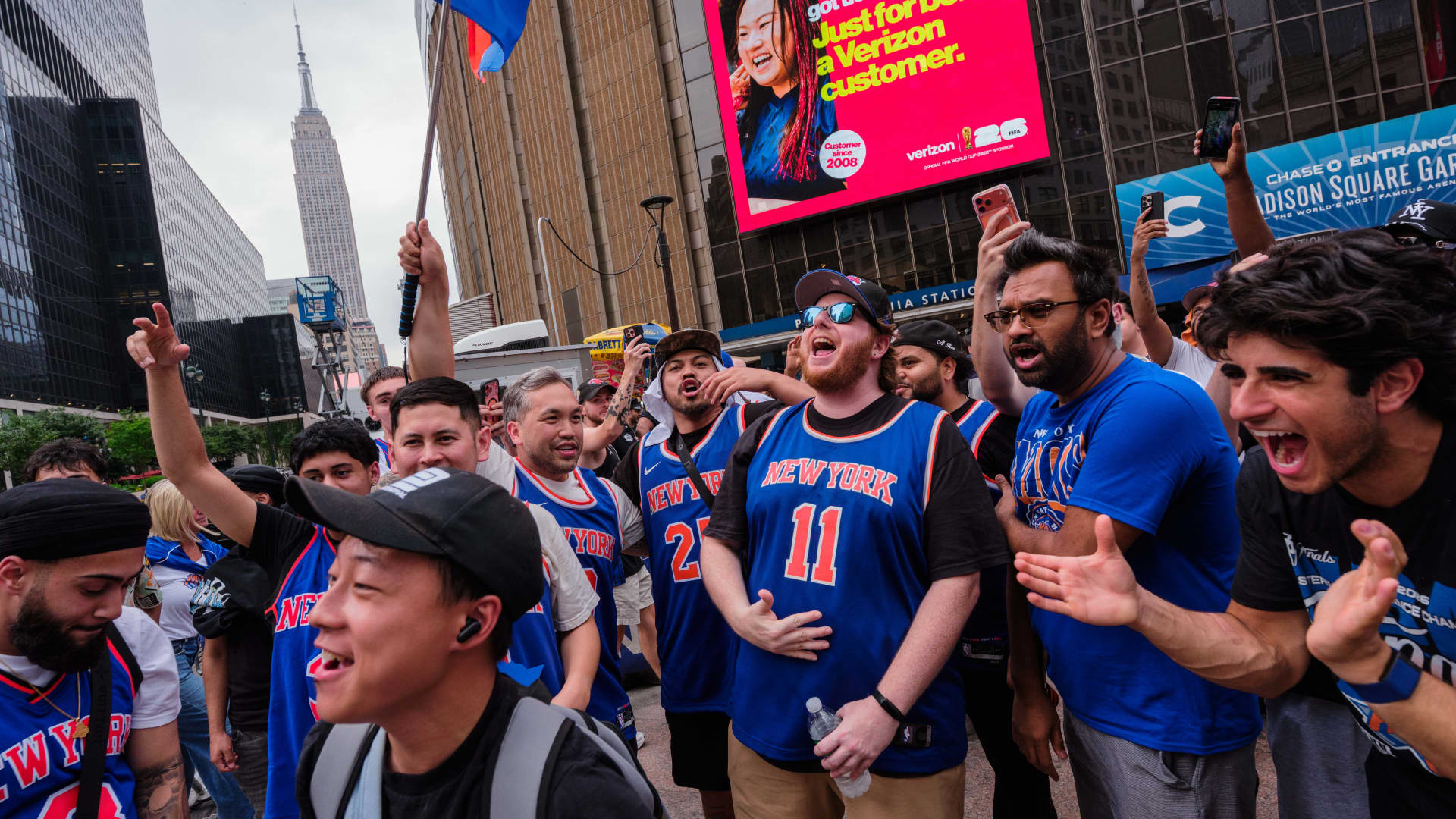
The landscape of sports consumption is undergoing a seismic shift, with platforms like TikTok and YouTube dramatically altering how younger generations engage with live events. This evolution, evidenced by unprecedented social media viewership during recent major sporting events, signals a fundamental change for traditional broadcasters and rights holders.
🚀 Tech Strategy & Market Disruptions
- Social Media Dominance for Gen Z/Alpha. Platforms like TikTok and YouTube are capturing disproportionate viewing time for younger demographics, often at no cost, challenging traditional subscription models.
- Clip Culture Over Full Games. A significant portion of sports viewers now consume highlights, athlete-made content, and short-form videos on social media rather than watching entire live games.
- Digital Platforms as Funnels. While social content drives engagement, it’s increasingly acting as a conduit to traditional TV and streaming broadcasts, creating a complex interplay between platforms.
The Shifting Sands of Sports Viewership
The recent NBA Finals generated a staggering 15 billion views across social media, nearly tripling the previous record and underscoring a profound shift in how fans, particularly younger ones, interact with sports. This surge highlights professional leagues’ urgent need to connect with Gen Z and Alpha audiences, whose media consumption habits are increasingly digital-first. While traditional broadcasters like Disney’s ABC and ESPN still command substantial live viewership, the appeal of free, easily digestible content on platforms like TikTok and YouTube is undeniable.
The data from S&P Global’s 2025 ‘State of U.S. sports viewing’ report clearly illustrates this trend: 68% of viewers watch live games on TV or streaming, but a significant 38% engage with highlights and clips on social media. Furthermore, 12% actively interact with professional player or league social media accounts. This fragmented consumption pattern means that while overall viewership might be increasing, the pathways to that viewership are diversifying rapidly, forcing rights holders to reconsider their distribution strategies.
This evolution in consumption behavior presents a critical strategic dilemma for sports leagues and broadcasters. The core challenge lies in balancing the cultivation of future audiences on free social platforms with the financial imperative of maintaining the value of lucrative, subscription-based broadcast rights. As Adam Kelly, president of IMG, noted, younger fans are already accustomed to consuming content on platforms where they spend most of their time, suggesting that traditional distribution models may no longer be sufficient to capture their attention.
- Audience Fragmentation & Engagement. The rise of social media has fragmented the audience, yet overall consumption numbers continue to climb as users engage with content across multiple platforms.
- Content as a Conduit. Short-form content and highlights on social platforms are proving to be effective in driving interest in live games, rather than purely replacing traditional viewing.
- Monetization Challenges. While social platforms offer monetization avenues like ad revenue sharing and sponsorships, the primary value driver for sports remains live game rights.
“If you are the broadcaster and proactively using your social and digital platforms to push out tons and tons of highlights and content … you’re kind of feeding the beast.” – William Mao, senior vice president of media rights consulting at Octagon.
Navigating the Digital Sports Frontier
The strategy of leveraging social media content to drive engagement is not without its complexities. While platforms like TikTok report that a significant percentage of users watching sports content go on to tune into live games, the control and monetization of this content become critical. William Mao, senior vice president of media rights consulting at Octagon, points out that extensive use of highlights on social channels can accelerate this trend, potentially diminishing the exclusivity of live broadcasts.
Leagues and broadcasters are experimenting with innovative approaches to capture younger demographics. FIFA’s agreement to allow the first 10 minutes of World Cup matches on TikTok, complete with direct links to full streams, exemplifies this strategy. Similarly, the NBA’s embrace of creator content during All-Star weekends and rights holders like Paramount and Disney offering kid-friendly simulcasts demonstrate a concerted effort to meet young fans where they are. These initiatives aim to build fandom from an early age and convert that engagement into broader support for the sport, whether through viewership or merchandise purchases.
The increasing presence of tech giants like Google (YouTube), Amazon Prime Video, Apple, and Netflix in bidding for live sports rights signifies a profound market disruption. These platforms are not just content distributors but active participants in shaping the future of sports consumption. The NBA’s recent media deal including Prime Video and YouTube’s airing of its first NFL game highlight this trend. While these platforms are achieving significant viewership, the core question remains whether this digital immersion will ultimately reinforce or erode the value of traditional broadcast rights in the long term.
FIFA’s TikTok Strategy: A New Playbook for Global Reach
FIFA’s innovative approach to leveraging TikTok for the ongoing World Cup represents a significant strategic shift in sports marketing and fan engagement. By permitting the first 10 minutes of every match to be broadcast on the short-form video platform, FIFA is not only reaching a younger demographic but also creating a direct funnel to traditional broadcasters like Fox and Comcast’s Telemundo. This move acknowledges that engagement often begins with bite-sized content, driving curiosity and encouraging viewers to transition to longer-form live viewing.
This strategy is part of a broader trend where major sports organizations are actively integrating with platforms popular among Gen Z and Alpha. The NBA’s endorsement of content creators and the development of virtual experiences on platforms like Roblox, in partnership with developers like Gamefam, are further examples of this ecosystem expansion. These efforts aim to cultivate a deeper sense of fandom, moving beyond mere viewership to encompass brand loyalty and potential consumer spending on merchandise and other offerings.
The NFL’s Augmented Reality Push on Roblox
The NFL’s collaboration with Gamefam to bring team jerseys and content to Roblox is a strategic move to capture the attention of the highly engaged Gen Z and Gen Alpha demographics. The success of the Super Bowl event on Roblox, which garnered 70 million visits in 30 days, demonstrates the immense potential of metaverse platforms for sports fandom. This initiative is designed to build brand awareness and foster emotional connections with the league, with the ultimate goal of converting these virtual interactions into real-world engagement, such as watching games or purchasing team merchandise.
Ricardo Briceno, CEO of Gamefam, articulated the core objective: “That’s the funnel. You build awareness and love for the brand, then you put your dollars into it.” This philosophy underscores the importance of meeting young fans in their native digital environments, creating immersive experiences that resonate and foster long-term loyalty. The NFL’s success on Roblox indicates that virtual worlds are becoming increasingly vital components of a comprehensive sports marketing strategy.
The Evolving Bidding Wars for Live Sports Rights
The increasing participation of tech giants like Google’s YouTube, Amazon Prime Video, Apple, and Netflix in the bidding for live sports rights signifies a major market disruption. These platforms are not merely passive viewers of sports content but are becoming formidable competitors to traditional media companies. The NBA’s recent deal, which incorporated Prime Video, and YouTube’s first-ever NFL game broadcast illustrate this trend. This competitive landscape is driving up the cost of media rights, compelling leagues to explore diverse distribution channels to maximize revenue and reach.
The success of Amazon’s ‘Thursday Night Football’ on Prime Video, achieving its most-watched season in 20 years, and the NBA’s highest-rated games, suggest that these tech-driven strategies are paying dividends. Yet, the question of long-term sustainability and the potential impact on traditional media partnerships remains a critical point of discussion. As Rollo Goldstaub of TikTok noted, these platforms can act as partners, promoting live broadcasts while offering unique content, effectively serving as an extension of the game itself.
Sports Viewership’s Tech-Driven Pivot
The ongoing transformation of sports viewership, driven by the integration of social media and streaming platforms, signals a fundamental shift in audience engagement and media rights negotiations. The massive social media engagement figures from recent NBA Finals are a testament to the power of platforms like TikTok and YouTube in capturing the attention of younger demographics. This trend is compelling traditional broadcasters and rights holders to adapt, not just by distributing content but by actively participating in these digital ecosystems to cultivate future fans.
- Younger Audience Engagement: Social platforms are crucial for connecting with Gen Z and Alpha, whose viewing habits favor short-form, interactive content.
- Hybrid Viewing Models: The future likely involves a blend of traditional live broadcasts and supplementary content on social media, each driving value for the other.
- Competitive Bidding Landscape: Tech giants are increasingly influential in acquiring sports rights, intensifying competition and reshaping the media rights market.
How will this symbiotic relationship between social media and traditional broadcasting evolve to ensure long-term financial viability for sports leagues while retaining the attention of the next generation of fans?
📊 StockXpo Analyst’s View
Market Impact: The increasing reliance on social platforms for sports content consumption is driving significant shifts in advertising spend and media rights valuations. Investors should monitor the ability of traditional broadcasters to adapt their models and the ongoing battle for digital engagement supremacy among tech giants.
Sector To Watch: Companies involved in sports analytics, digital content creation for social platforms, and immersive gaming experiences within the metaverse are poised for growth as the sports media landscape continues to innovate.
Financial Disclaimer:
StockXpo.com is a financial news aggregator and educational portal, not a registered investment advisor or broker-dealer. All information, news, and analysis provided herein are strictly for educational purposes and do not constitute investment, financial, legal, or tax advice. Investing in the stock market involves high risks, and past performance is not indicative of future results. StockXpo will not be liable for any financial losses or investment damages. Always consult a certified financial advisor before making market decisions.
MORE IN INSIDE TECHNOLOGY
AI Pricing Innovation: Reshaping Retail & Consumer Spend
Published: Sunday, October 11, 2026 · 1:36 AM

AI Legal Tech: Revolutionizing Billing and Training in Law with Innovation
Published: Saturday, October 10, 2026 · 2:58 AM