Published: Wednesday, June 24, 2026 · 9:12 PM | Updated: Wednesday, June 24, 2026 · 9:12 PM
📊 288 views




The Federal Reserve’s latest annual stress test reveals U.S. banks possess robust capital to absorb over $708 billion in severe economic downturns, reinforcing confidence in the financial system. While the results confirm stability, the industry’s focus remains squarely on impending capital rule revisions rather than immediate adjustments from this year’s exercise. This divergence highlights a pivotal moment in bank regulation, with long-term strategic implications for major financial institutions across stock markets.
🗝️ Corporate Strategy Insights
- Robust Capital Buffers. All 32 major U.S. banks successfully navigated the Fed’s extreme hypothetical scenario, demonstrating the ability to absorb over $708 billion in losses.
- Operational Efficiency Confirmed. The industry’s common equity tier 1 capital ratio remained comfortably above minimums, underscoring strong foundational stability and lending capacity even amidst severe economic stress.
- Regulatory Policy Shift. This year’s Federal Reserve stress test results will not directly impact capital requirements until 2027, as regulators prioritize re-evaluating and overhauling the Basel III Endgame framework.
The annual exercise, designed to gauge the resilience of the nation’s largest lenders, presented a grim hypothetical: unemployment surging to 10%, a 39% plunge in commercial real estate values, and a 30% drop in home prices. Under these conditions, the 32 banks collectively withstood projected losses including roughly $200 billion from credit cards, $160 billion from commercial and industrial loans, and $75 billion from commercial real estate. Despite these significant hypothetical hits, every institution remained above its mandated minimum capital levels, with the aggregate common equity tier 1 capital ratio falling by a manageable 1.6 percentage points.
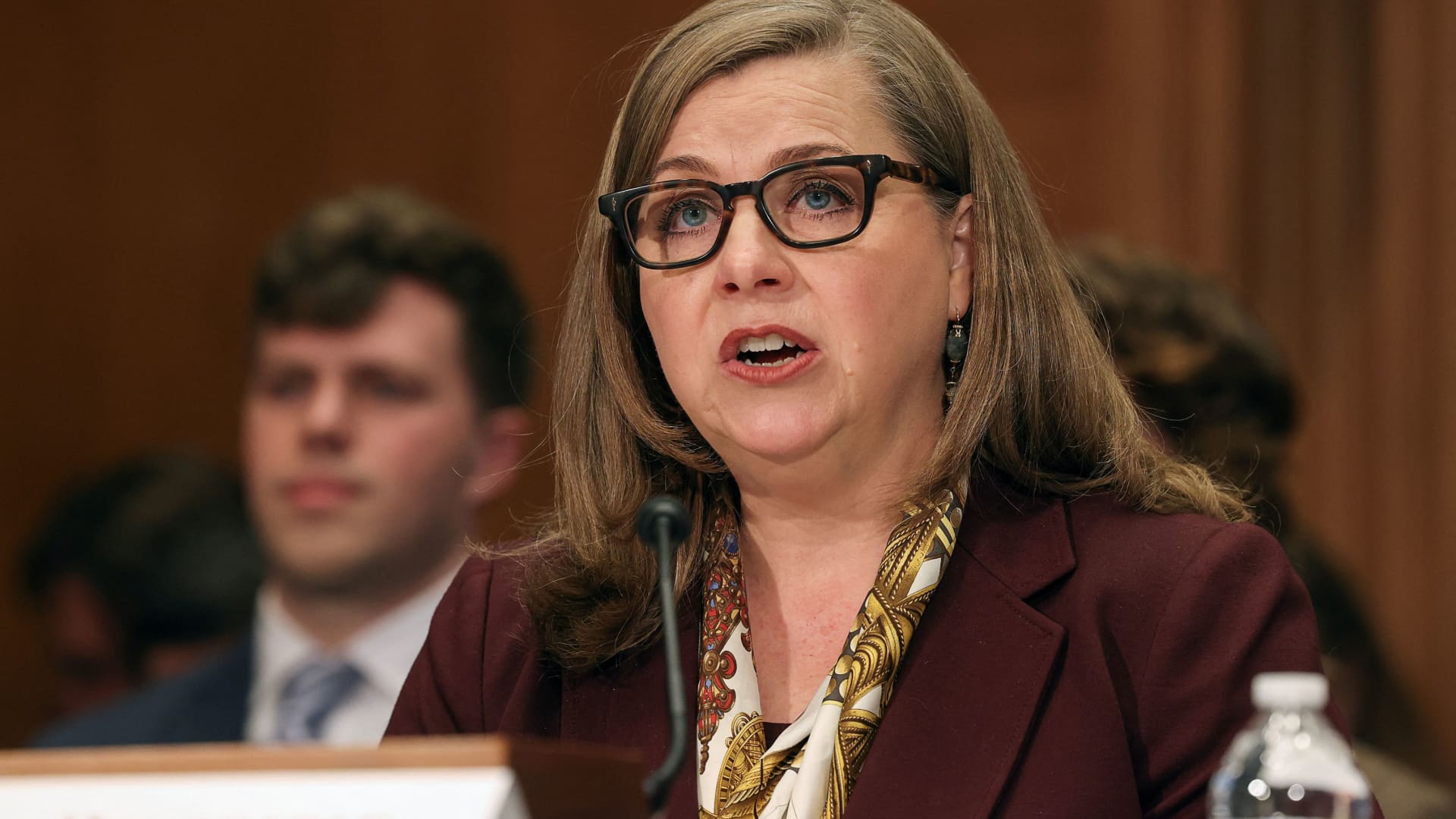
Federal Reserve Vice Chair for Supervision Michelle Bowman affirmed the ‘strength of the banking system’ in a release, yet the immediate implications of these results are muted. Unlike prior years, the outcomes of this latest regulatory assessment will not dictate the amount of capital large banks must hold. This stems from a February announcement by the Fed to pause stress test buffer adjustments until 2027, allowing time for a comprehensive rework of capital methodology in response to ongoing industry complaints. Analysts at KBW, led by Christopher McGratty, characterized this year’s process as ‘going through the motions,’ noting that banks are primarily focused on the forthcoming Basel III Endgame proposal. They projected that if this year’s results *had* counted, banks like Morgan Stanley, Citigroup, Citizens Financial, and KeyCorp would have faced the largest reductions in their capital buffers, highlighting varying sensitivities within the sector.
What This Means for Bank Strategy and Capital Allocation
For major financial institutions, the message is clear: while current operational efficiency is validated, future strategy hinges on the impending Basel III Endgame rules. Banks are likely optimizing their balance sheets and risk profiles in anticipation of these changes, which could significantly alter capital allocation strategies.
- Short-Term Flexibility: With stress test buffers temporarily static, banks may have more near-term flexibility for share buybacks, dividend increases, or strategic investments, though prudence will likely prevail given the looming regulatory uncertainty.
- Long-Term Planning: The industry is actively modeling the impact of new capital rules, influencing decisions on loan portfolios, business lines, and risk management frameworks for years to come.
- Competitive Dynamics: Institutions that can adapt more swiftly to the updated regulatory landscape and optimize their capital structures will gain a competitive edge, potentially consolidating market share as the regulatory environment evolves.
The Strategic Ripple Effect on Financial Markets
This year’s Federal Reserve stress test, while affirming stability, sends a multifaceted signal across financial markets. The immediate outcome of passing the test contributes to a positive sentiment regarding the overall health and resilience of the U.S. banking sector. This stability can, in turn, bolster investor confidence in broader investment analysis and potentially support stable market conditions.
However, the strategic ripple effect extends beyond mere passing grades. The regulatory pause on capital buffer adjustments effectively decouples the stress test from immediate capital requirements. This move shifts the strategic imperative for banks from reacting to annual stress test results to proactively shaping their operations and capital strategies in anticipation of the Basel III Endgame. Banks are now engaging in extensive scenario planning and potentially re-evaluating business lines that might become more capital-intensive under the new regime. This could lead to a strategic repositioning across the industry, impacting competitive moats and capital allocation as firms seek to optimize for future solvency metrics. The broader market reaction will likely be a cautious watch-and-wait, as the specifics of the Basel III Endgame could introduce new variables for valuation and risk assessment, prompting deeper dives into individual company strategy and corporate growth.
The most critical strategic takeaway from this Federal Reserve stress test is not the passing grades, but the undeniable shift in regulatory focus, compelling banks to recalibrate their long-term capital strategies around the impending Basel III Endgame rather than annual compliance.
Key Financial Resilience Indicators
- Total Loss Absorption Capacity: Over $708 billion in hypothetical losses, indicating significant reserves. This metric confirms the aggregate capacity of banks to withstand extreme financial shocks without external support.
- Common Equity Tier 1 Capital Ratio Drop: A 1.6 percentage point decline, remaining above required minimums. This is a crucial measure of a bank’s core capital strength and ability to absorb losses from its most stable equity.
- Hypothetical Unemployment Surge: Modeled at 10%, a severe economic stressor. The ability to lend under such conditions is a testament to operational robustness.
- Commercial Real Estate Price Drop: A 39% decline, impacting a significant loan category. This tests vulnerability to a sector often prone to cyclical downturns.
- Home Price Decline: A 30% reduction, assessing consumer loan portfolio risks. Reflects the strength of retail banking portfolios against housing market volatility.
Citigroup’s Strategic Posture Amidst Regulatory Overhaul
Citigroup, having been identified by KBW analysts as one of the banks that would have seen larger capital buffer reductions if this year’s results had counted, faces a particularly interesting strategic juncture. The company has been undergoing significant organizational and strategic overhauls aimed at simplifying its structure and improving returns. The upcoming Basel III Endgame rules will be crucial for Citigroup, potentially impacting its ongoing efforts to streamline its portfolio and boost its core capital strength. Its ability to efficiently reallocate capital and optimize risk-weighted assets under new mandates will be central to its competitive positioning against peers like JPMorgan Chase and Bank of America. This regulatory environment necessitates a sharp focus on operational efficiency and a disciplined approach to shedding non-core assets.
U.S. Banking Sector: Competitive Advantages and Market Leadership
The U.S. banking sector’s consistent performance in the Federal Reserve stress test underscores several inherent competitive advantages. Large diversified banks benefit from extensive market reach, diversified revenue streams across consumer, commercial, and investment banking, and superior technology infrastructure. These factors allow them to absorb losses from specific segments while maintaining overall stability. Their market leadership is further solidified by their role as critical providers of credit and financial services, essential for economic function. However, maintaining this leadership requires continuous adaptation to evolving regulatory frameworks and technological advancements, alongside managing macroeconomic headwinds. Smaller regional banks, while also passing the test, face distinct challenges in scaling their operations and competing for talent and technology against these larger, more entrenched players, as discussed in various educational insights.
Navigating Future Capital Rules: The Federal Reserve Stress Test Impact
The U.S. banking sector’s successful navigation of the Federal Reserve stress test is a testament to its current resilience, but the narrative is swiftly moving beyond immediate compliance. The pause in stress capital buffer adjustments signals a period of strategic re-evaluation for banks, with the upcoming Basel III Endgame proposals dominating long-term capital planning.
- Banks are focusing on proactive adjustments to balance sheets in anticipation of new capital requirements.
- Regulatory clarity on Basel III Endgame will be the primary driver of strategic decisions and capital allocation in the coming years.
- The consistent strength demonstrated reinforces the foundational stability of the U.S. financial system, offering a stable environment for financial innovation.
How will major U.S. banks pivot their strategies to thrive under the anticipated new era of capital regulation?
📊 StockXpo Analyst’s View
Market Impact: The confirmation of banking system resilience, despite a severe hypothetical downturn, is fundamentally positive for investor sentiment. However, the lack of immediate capital impact from this year’s test means the market’s attention will quickly pivot to the specifics of the Basel III Endgame proposals. We expect a period of heightened uncertainty for bank stock valuations until clearer regulatory guidance emerges, potentially leading to cautious trading in the near term.
Sector To Watch: While large diversified banks demonstrated robust stability, the differing sensitivities highlighted by KBW for institutions like Citigroup suggest that banks with ongoing restructuring efforts or those heavily exposed to commercial real estate might face more scrutiny under the new rules. The regional banking sector also warrants close observation, as capital requirements can have a disproportionate impact on their growth potential and competitive standing.
Financial Disclaimer:
StockXpo.com is a financial news aggregator and educational portal, not a registered investment advisor or broker-dealer. All information, news, and analysis provided herein are strictly for educational purposes and do not constitute investment, financial, legal, or tax advice. Investing in the stock market involves high risks, and past performance is not indicative of future results. StockXpo will not be liable for any financial losses or investment damages. Always consult a certified financial advisor before making market decisions.
MORE IN INSIDE BUSINESS

American Airlines loss forecast: Strategic Capacity Slowdown Expected
Published: Thursday, October 22, 2026 · 8:40 AM

United Airlines Profit Outlook Slashed Amid Fuel Costs, Strong Demand Persists
Published: Wednesday, October 21, 2026 · 7:30 AM