Published: Thursday, June 18, 2026 · 10:08 AM | Updated: Thursday, June 18, 2026 · 10:08 AM
📊 242 views




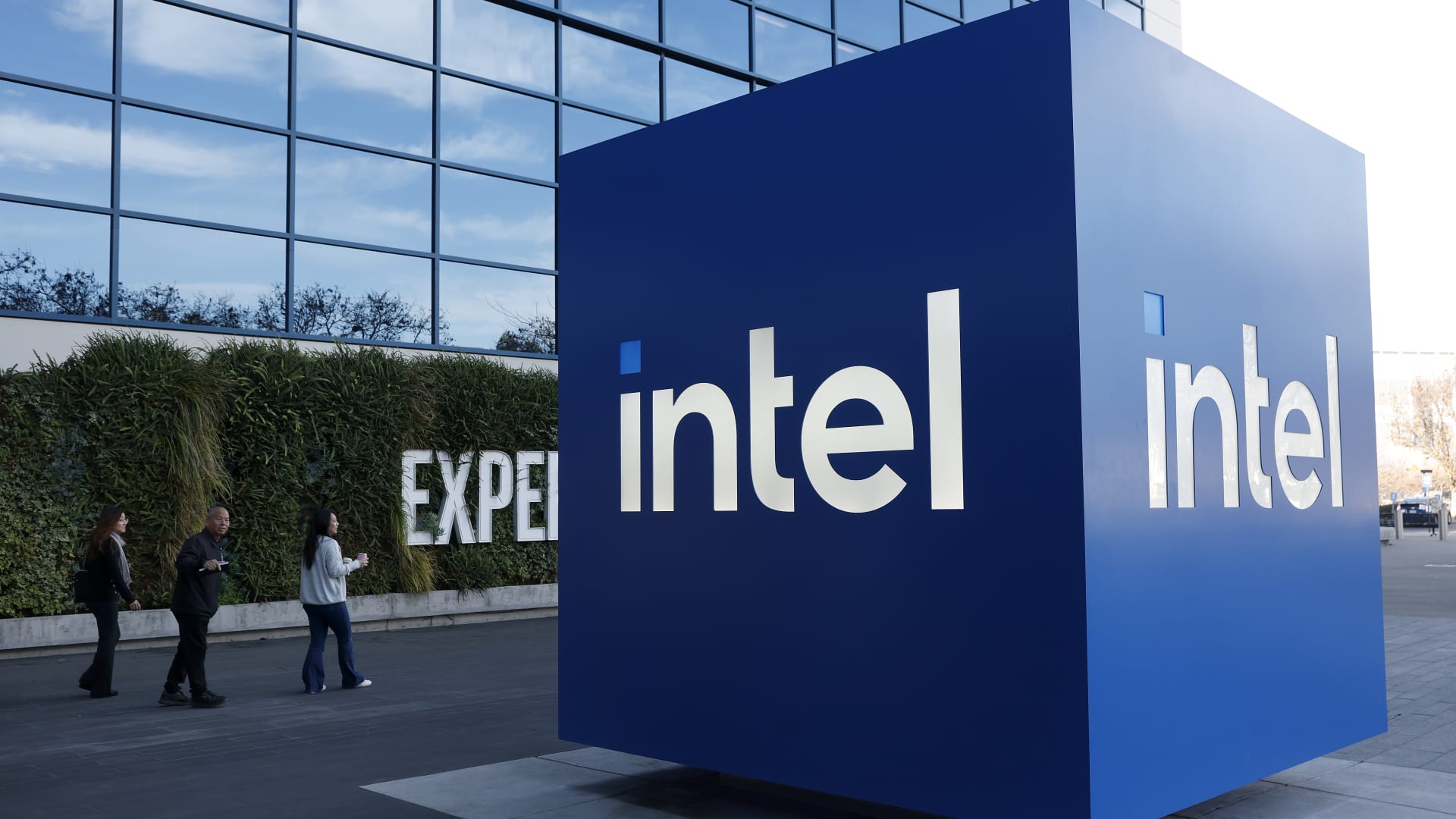
Intel’s stock surged significantly following claims from former President Donald Trump that the chipmaker had struck a deal with Apple to design and build chips domestically. This potential partnership underscores a pivotal moment for U.S. chip design and manufacturing, reflecting broader national security and economic priorities.
🚀 Tech Strategy & Market Disruptions
- Domestic Chip Mandate. The alleged Intel-Apple collaboration emphasizes a strong push for onshore semiconductor production, reducing reliance on overseas manufacturing hubs and bolstering national technological sovereignty.
- Intel’s Foundry Revival. This move would mark a significant win for Intel’s nascent foundry business, validating its long-term strategy to become a major contract chip manufacturer and challenging established players like TSMC.
- Strategic Alliances Redefine Industry. Partnerships with tech giants like Apple, Nvidia, and the Terafab project signal a shift towards collaborative ecosystems driving next-generation chip innovation and manufacturing capabilities within the U.S.
The news, stemming from a Truth Social post by former President Trump, quickly ignited investor enthusiasm for Intel, pushing its shares up 9% in premarket trading. Trump stated, ‘Apple has agreed to work with Intel to design and build its Chips in America,’ highlighting a strategic effort to reclaim domestic dominance in semiconductor manufacturing, an area where the U.S. has seen factories ‘stolen’ by others, as he put it. This development arrives as Intel, after years of struggling with manufacturing delays and losing market share, has seen a remarkable turnaround, with its stock soaring 464% over the past 12 months, achieving a market cap of $608.7 billion.
Under CEO Lip-Bu Tan, Intel has aggressively sought to revitalize its foundry business, which traditionally manufactured chips primarily for its own products. This renewed focus on providing fabrication services to external customers is critical for its long-term growth and competitiveness in global technology market trends. The company’s recent appeal has been bolstered by significant investments, including from Nvidia, which reportedly agreed to build its first-level chips with Intel, and the support of the Trump administration. Furthermore, Elon Musk’s ambitious Terafab project, envisioned as the largest chip factory in the world, is also designed together with Intel’s technology team, marking a major outside commitment to Intel’s capital-intensive foundry operations.
The broader context of an accelerating AI boom has largely shielded technology stocks, particularly those related to foundational infrastructure, from global supply chain disruptions and rising energy costs. The Nasdaq’s PHLX Semiconductor Sector Index, tracking 30 major U.S.-traded chip companies, reflects this robust demand, having climbed 90% year-to-date. This environment makes the prospect of enhanced U.S. chip design and manufacturing capabilities not just a strategic necessity but a lucrative opportunity.
- The potential Intel-Apple deal would secure a high-profile customer for Intel’s foundry services, significantly boosting its credibility and scale.
- It aligns with geopolitical imperatives to diversify supply chains and onshore critical technologies, reducing reliance on geopolitical hotspots.
- The collaboration could foster a new era of innovation in semiconductor research and development within the United States.
This push for domestic semiconductor production initiates a significant disruption flow: Increased investment in U.S. manufacturing infrastructure → Enhanced R&D and talent acquisition in advanced chip technologies → Reduced global supply chain dependencies → Strengthening of national economic security and accelerated innovation in cutting-edge emerging technologies, potentially reshaping the competitive landscape.
‘The strategic imperative for robust domestic U.S. chip design and fabrication is not merely about economic competitiveness; it is a foundational pillar of national security and technological self-sufficiency. Bringing design and manufacturing onshore mitigates critical supply chain risks and fosters sovereign control over advanced computing, an essential element for AI and next-generation defense systems.’
Intel’s recent performance highlights a strong market resurgence, contrasting with its prior challenges:
- Premarket Stock Surge: +9% after the Trump announcement.
- 12-Month Stock Performance: +464%, marking a significant turnaround.
- Current Market Capitalization: Approximately $608.7 billion.
- Semiconductor Sector Growth: Nasdaq PHLX Semiconductor Sector Index up 90% year-to-date, reflecting robust industry demand.
Intel Platform Architecture Evolution
For decades, Intel’s x86 architecture dominated computing, yet recent years saw challenges from ARM-based designs and custom silicon. A partnership with Apple on U.S. chip design signifies Intel’s willingness to diversify its architectural offerings or adapt its foundry processes to accommodate diverse customer needs, including potentially ARM-based designs. This flexibility is crucial for Intel’s long-term viability as a foundry, demanding an evolution from vertically integrated, proprietary platforms to a more open, service-oriented architecture that can support a multitude of customer designs and intellectual property. This adaptation extends beyond simple manufacturing to deeper collaboration on design methodologies and process technology optimization, essential for high-performance and power-efficient chips demanded by modern applications.
Ecosystem Expansion Potential for Domestic Chip Production
The drive for domestic chip production, epitomized by the potential Intel-Apple collaboration and projects like Terafab, holds immense ecosystem expansion potential. Beyond the direct manufacturing jobs, it necessitates significant investments in supporting industries: advanced materials, specialized equipment, cleanroom technology, and a highly skilled workforce in engineering and R&D. Such an initiative could catalyze the growth of ancillary tech sectors, creating a robust, localized semiconductor ecosystem. This self-reinforcing loop attracts further investment and talent, ultimately positioning the U.S. as a powerhouse for innovation in semiconductor technology and advanced manufacturing, influencing global supply chains and technological leadership, as reported by tech sector news from Bloomberg.
Intel’s U.S. Chip Design Ambition: A Strategic Inflection Point
The reported Intel-Apple partnership for U.S. chip design represents more than just a commercial deal; it is a strategic inflection point for Intel and a powerful symbol of the nation’s commitment to technological independence. While details remain sparse and unconfirmed by the companies, the market reaction underscores the profound implications of such a collaboration for domestic manufacturing and Intel’s foundry aspirations.
- Intel’s aggressive pivot towards foundry services gains significant validation and a high-profile client.
- The initiative contributes directly to national objectives of supply chain resilience and technological sovereignty.
- It signals a potential shift in Apple’s long-standing reliance on Asian manufacturers for its custom silicon.
Can Intel effectively leverage these high-profile partnerships to sustain its long-term growth and truly redefine the landscape of domestic semiconductor production?
📊 StockXpo Analyst’s View
Market Impact: This news, while still unconfirmed by the companies, has injected significant optimism into Intel’s valuation, reflecting investor belief in its revitalized strategy and the strategic importance of domestic chip production. Should the partnership materialize, it would likely drive further capital inflows into Intel and other U.S.-based semiconductor manufacturing plays, signaling a broader shift in investment sentiment towards supply chain localization and resilience.
Sector To Watch: The Semiconductor Equipment and Materials sector is poised for substantial growth. Companies specializing in advanced fabrication tools, inspection systems, and specialized raw materials will be critical beneficiaries of this push for increased domestic manufacturing capacity and could offer valuable educational tech insights for investors looking to understand the mechanics of this shift, as covered by latest developments in technology.
Financial Disclaimer:
StockXpo.com is a financial news aggregator and educational portal, not a registered investment advisor or broker-dealer. All information, news, and analysis provided herein are strictly for educational purposes and do not constitute investment, financial, legal, or tax advice. Investing in the stock market involves high risks, and past performance is not indicative of future results. StockXpo will not be liable for any financial losses or investment damages. Always consult a certified financial advisor before making market decisions.
MORE IN INSIDE TECHNOLOGY

SoftBank AI Investment: Malaysia’s $50 Billion Innovation Surge
Published: Monday, October 26, 2026 · 2:37 AM

SpaceX AI Chips: $40 Billion Deal Fuels Innovation-Driven Growth
Published: Sunday, October 25, 2026 · 9:35 PM