Published: Thursday, June 11, 2026 · 9:33 PM | Updated: Thursday, June 11, 2026 · 9:33 PM
📊 1,152 views




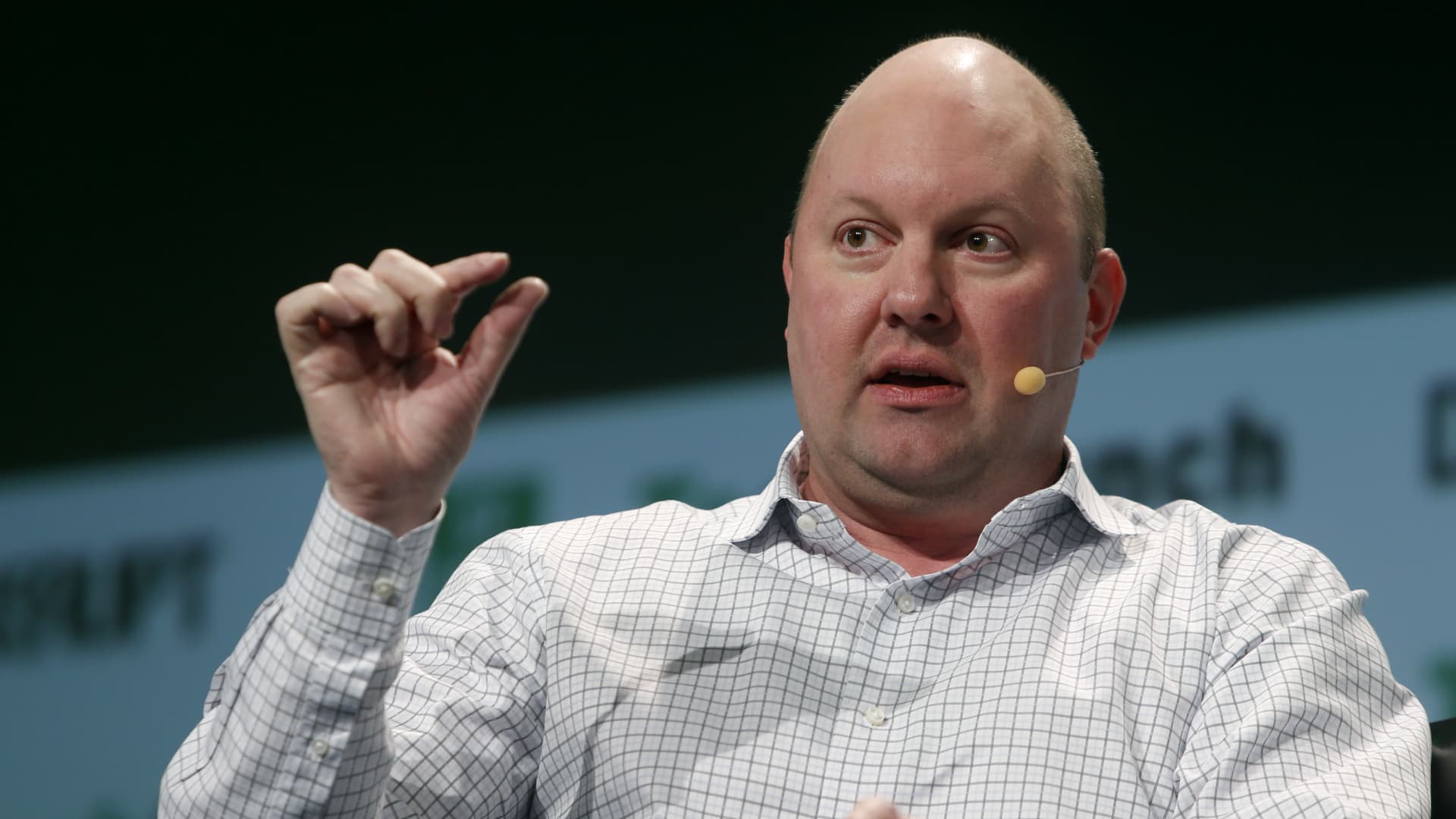
A prominent venture capitalist has voiced strong dissent against the prevailing strategies employed by Silicon Valley firms regarding artificial intelligence (AI) policy. John O’Farrell, formerly of Andreessen Horowitz, has publicly criticized the approach of using substantial financial power to influence political discourse around AI, arguing it represents a significant misstep.
🚀 Tech Strategy & Market Disruptions
- Venture Capital Political Influence. A political action committee backed by major VC firms, including Andreessen Horowitz and prominent AI leaders, has raised over $125 million to influence candidates supporting a pro-AI growth agenda, drawing criticism for its perceived aim to stifle regulation debates.
- AI’s Unique Regulatory Challenge. O’Farrell posits that AI is not merely another technology but one with profound societal implications, necessitating a more open and educational dialogue with policymakers rather than an approach focused on political intimidation.
- Lessons from Crypto’s Regulatory Battles. The current AI advocacy playbook appears to mirror strategies previously employed by the cryptocurrency industry, which successfully leveraged political spending to elect supportive officials and mitigate regulatory scrutiny.
O’Farrell’s critique, published in The New York Times, specifically targets the PAC ‘Leading the Future,’ which aims to champion candidates favorable to rapid AI advancement. He argues that the substantial funding, exceeding $125 million, is not for substantive policy debate but to ‘intimidate politicians’ engaging with AI governance. This approach, he contends, mirrors tactics seen in the crypto space, where similar PACs were instrumental in shaping legislation. This stance comes amidst a backdrop of increasing government attention to AI, including a recent executive order from President Trump that encourages voluntary AI model disclosure by companies to the federal government.
The venture capitalist’s commentary highlights a growing tension between the tech industry’s drive for innovation and the societal need for responsible governance. He draws a parallel to the ‘little tech agenda’ that informed venture capital backing of political campaigns in the past, suggesting a consistent pattern of industry lobbying. Leading the Future has faced public criticism, including from within the White House, with OpenAI attempting to distance itself from the PAC’s operations, stating a lack of direct control.
O’Farrell further elaborates that the AI industry’s attempt at ‘political infiltration’ is likely to backfire, fueling public distrust and increasing the potential for a harsher backlash against AI development. He advocates for earning trust through serious engagement rather than attempts to silence critical discourse. The implications for the broader emerging technologies landscape are significant, as the debate around balancing innovation with ethical considerations and regulatory oversight intensifies. This discussion echoes broader trends in how new technologies are integrated into society and the economy, as detailed in analyses of technology market trends.
The Ethical Tightrope of AI Policy Advocacy
The core of O’Farrell’s argument centers on the perceived attempt by the AI sector to bypass democratic debate through sheer financial force. He contrasts this with the ideal scenario where technological advancements are met with public understanding and carefully considered policies. The example of the crypto industry’s successful lobbying effort serves as a cautionary tale for O’Farrell, suggesting that while financially effective in the short term, such tactics can erode public faith and invite more stringent, potentially detrimental, future regulations. This situation also raises questions about the role of venture capital in shaping public policy, a topic often explored in insightful educational tech insights.
For CTOs and solution architects, understanding the political and regulatory landscape is as crucial as mastering the technical stack. The drive for innovation must be balanced with robust ethical frameworks and transparent engagement with policymakers to build sustainable trust and avoid adversarial relationships that can stifle progress.
AI’s Path to Market Adoption Challenges
The industry’s push for rapid advancement without adequate public discourse on risks presents significant hurdles. O’Farrell suggests that the public’s existing concerns about AI, coupled with awareness of large-scale financial influence, could lead to a significant backlash. This sentiment could manifest as increased regulatory pressure, consumer distrust, and slower adoption rates, ultimately impacting the market viability of AI products and services. Companies that prioritize transparency and collaborative policy development may find themselves better positioned to navigate these challenges, as discussed in broader technology market analysis.
Venture Capital’s Role in Shaping AI Futures
The substantial financial commitments to influence AI policy underscore the critical role venture capital plays in the technology sector’s trajectory. Firms like Andreessen Horowitz are not just investors but significant actors in shaping the environment in which their portfolio companies operate. The debate ignited by O’Farrell prompts a re-evaluation of the ethical responsibilities that accompany such influence. This strategic financial backing is often a key factor in determining the pace and direction of innovation, a dynamic often covered by industry leaders like global technology news.
The Evolving AI Governance Landscape
As AI technologies continue to mature and integrate into various facets of life and business, the demand for clear governance and ethical guidelines will only intensify. The current discourse, fueled by internal industry critiques, highlights the complexity of establishing a balanced approach. The success of AI’s long-term integration may hinge on the industry’s ability to foster an environment of open dialogue and mutual understanding with regulatory bodies and the public, rather than resorting to tactics that could be perceived as manipulative.
VC Influence on AI’s Trajectory
The actions of venture capital firms in influencing AI regulation represent a critical juncture for the technology sector. The substantial financial backing of PACs like Leading the Future highlights a proactive, albeit contentious, approach to shaping the future of AI development and deployment. The critique from within the industry itself, however, suggests a growing awareness of the potential pitfalls associated with such aggressive political engagement, impacting market perceptions and future investment strategies.
Debate Over AI’s Regulatory Path
The controversy surrounding venture capital’s political involvement in AI regulation raises fundamental questions about fairness and transparency in policy-making. The narrative suggests a potential disconnect between the public’s apprehension regarding AI and the industry’s fervent push for unfettered innovation. The coming months will likely reveal whether the industry’s chosen strategy will foster collaboration or exacerbate tensions, significantly impacting the pace and nature of AI adoption globally.
Financial Disclaimer:
StockXpo.com is a financial news aggregator and educational portal, not a registered investment advisor or broker-dealer. All information, news, and analysis provided herein are strictly for educational purposes and do not constitute investment, financial, legal, or tax advice. Investing in the stock market involves high risks, and past performance is not indicative of future results. StockXpo will not be liable for any financial losses or investment damages. Always consult a certified financial advisor before making market decisions.
MORE IN INSIDE TECHNOLOGY
AI Buildout Hits Credit Headwinds: Neoclouds Under Pressure
Published: Saturday, October 24, 2026 · 12:23 AM

SK Hynix Shares Rebound: A Strategic Shift in Semiconductor Funding
Published: Friday, October 23, 2026 · 1:46 AM