Published: Wednesday, June 10, 2026 · 1:04 PM | Updated: Wednesday, June 10, 2026 · 1:04 PM
📊 307 views




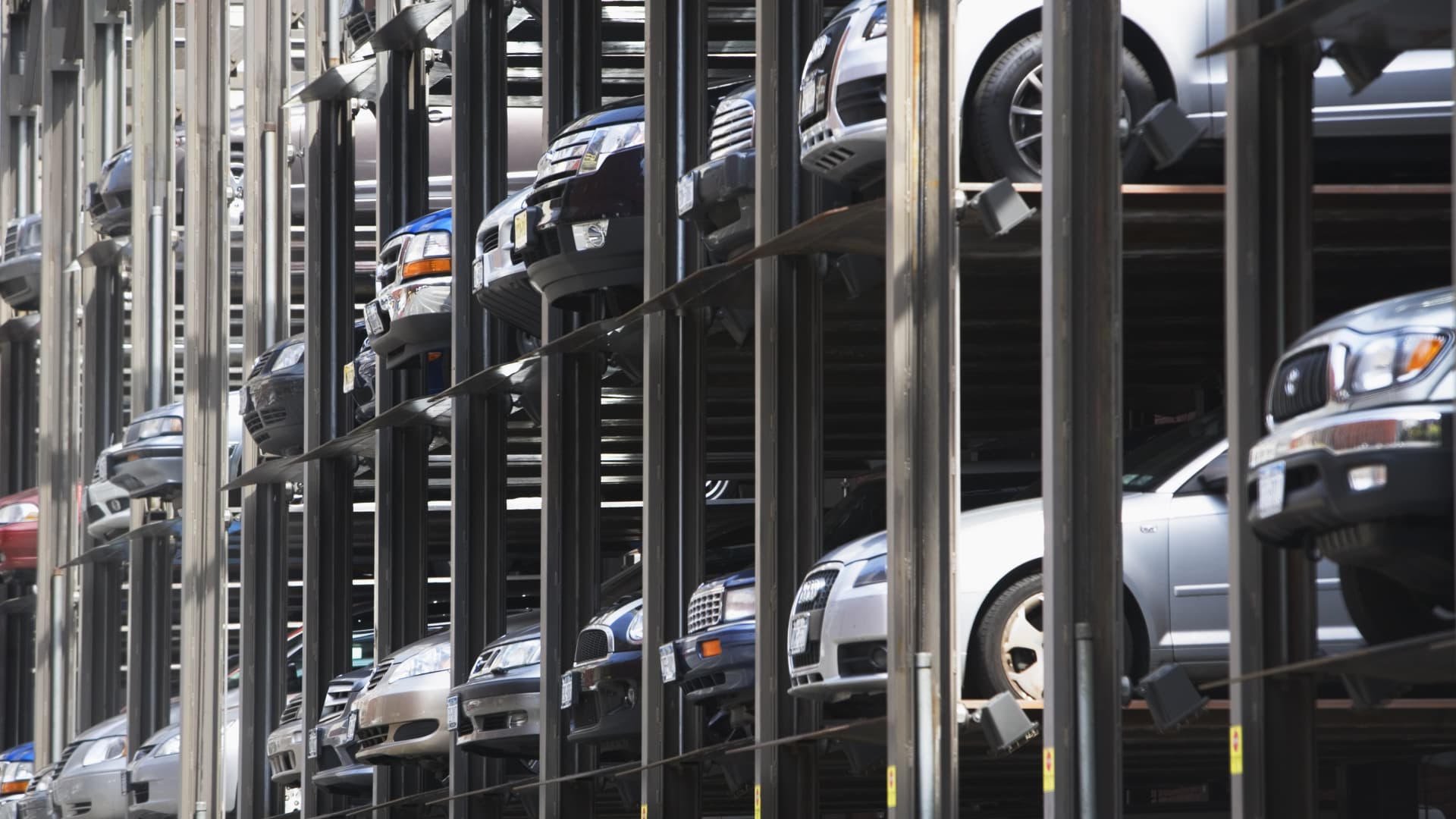
The persistent effects of the COVID-19 pandemic continue to reshape the automotive landscape, keeping both new and used car prices elevated and impacting consumer purchasing power. This ongoing supply-demand imbalance, stemming from production disruptions and strategic automaker choices, is a critical factor for anyone navigating the current vehicle market.
🗝️ Corporate Strategy Insights
- Persistent Supply Chain Issues. Production of millions of vehicles for the U.S. market was forgone due to pandemic-induced shutdowns and material shortages, with recovery expected to take years.
- Shift to High-Profit Vehicles. Automakers prioritized manufacturing more lucrative, high-end vehicles, a strategy that has persisted and further constrained the availability of more accessible models.
- Reduced Leasing and Incentives. A significant drop in new vehicle leasing has diminished the flow of off-lease vehicles into the used market, while automakers have scaled back discounts and incentives.
The automotive industry is still grappling with the fallout from pandemic-induced production halts and supply chain disruptions. Experts estimate that approximately 8 million vehicles destined for U.S. buyers during peak disruption years were never manufactured. This significant shortfall has not only impacted new car availability but has also created ripple effects throughout the used car market. Automakers, faced with limited production capacity, strategically shifted their focus towards higher-margin vehicles such as trucks and SUVs, a trend that continues to influence their product mix.
This strategic recalibration has had a profound impact on pricing across the board. Even vehicles that are a decade old are commanding higher prices than historically observed. Jeremy Robb, chief economist for Cox Automotive, suggests this elevated pricing environment may become the ‘new normal’ for the next three to four years, barring a significant economic downturn. While sales volumes have seen a modest recovery from pandemic lows, they remain below pre-pandemic records.
* Annual vehicle sales in 2025 reached approximately 16.2 million units, an increase from 13.8 million in 2022, but still shy of the 17.55 million record set in 2016.
* The U.S. auto industry has effectively sold about 16 million fewer vehicles than it would have if sales had sustained the 2016 pace, representing a substantial loss of market volume over recent years.
Automakers and dealerships have also curtailed traditional sales practices, such as offering extensive leasing programs and incentives. Leasing, which typically lowers upfront costs for consumers and supplies a steady stream of used vehicles, saw its share of the new vehicle market drop from around 30% pre-pandemic to a low of 18% in 2022. This reduction in off-lease inventory has further tightened the used car market. Furthermore, with limited supply, manufacturers found little need to offer discounts. Incentives, which averaged about 9.5% of vehicle prices before the pandemic, have only partially recovered, remaining below historical norms.
The confluence of reduced supply, fewer leasing options, and diminished incentives has led to persistently high used car prices. This situation is particularly challenging for consumers who are also contending with inflation, rising gas prices, and increased living expenses. The gap between rising vehicle costs and stagnant income growth means fewer households can afford new vehicles, with the average household income for new car buyers now exceeding $150,000, significantly higher than the overall U.S. economy average.
The strategic decision by automakers to prioritize high-margin vehicles and the lasting impact of pandemic-era production cuts have fundamentally altered the affordability equation for consumers, creating a sustained sellers’ market for both new and used cars.
| Indicator | Value | Significance |
|————————|—————|———————————————————————————————————————————————-|
| 2025 U.S. Car Sales | ~16.2 Million | Indicates a recovery from pandemic lows but remains below historical peaks, reflecting ongoing supply constraints. |
| Pre-Pandemic Leasing | ~30% | Historically represented a significant channel for used car inventory; its decline has impacted overall vehicle availability. |
| 2022 New Vehicle Leasing | 18% | Shows a substantial reduction in leasing, directly affecting the pipeline of younger used vehicles entering the market. |
| Pre-Pandemic Incentives| ~9.5% | Average discount as a percentage of vehicle price; current levels are lower, indicating less manufacturer willingness to reduce prices. |
Automakers’ Strategic Pivot: Profit Over Volume
Automakers have successfully leveraged the supply constraints to bolster profitability by focusing on higher-priced, higher-margin vehicle segments. This strategy has not only helped them navigate production challenges but has also increased their average revenue per vehicle. The willingness to forgo volume for profitability suggests a long-term shift in their market approach, prioritizing financial health over sheer market share in the short to medium term.
The Enduring Impact of Car Shortages
The lingering effects of the pandemic on vehicle production and inventory continue to define the current market. For consumers, this translates to higher prices and fewer choices, especially for more affordable models. The industry’s response has been to maximize profit from available units, a strategy that may persist as long as supply remains constrained. This dynamic highlights the complex interplay between global supply chain resilience and corporate financial strategy, offering valuable lessons for broader investment analysis.
Navigating the High-Cost Auto Market
The current automotive market presents a challenging environment for consumers, characterized by sustained high prices for both new and used vehicles. The industry’s strategic focus on high-margin products and the ongoing supply imbalances are likely to keep affordability a key concern for the foreseeable future. As consumers trade down and seek older vehicles, demand for even used cars remains robust, demonstrating the sector’s ongoing resilience.
### 📊 StockXpo Analyst’s View
Market Impact: Investor sentiment towards the automotive sector may see a bifurcation, with manufacturers demonstrating strong pricing power and profitability likely to outperform those struggling with inventory or facing competitive pressures. Market liquidity for automotive stocks could remain volatile as the industry navigates these persistent supply chain dynamics.
Sector To Watch: Companies involved in automotive component manufacturing and logistics, particularly those with diversified supply chains and strong supplier relationships, could benefit from the sustained demand and pricing power. The used car market itself, despite its current high pricing, may present opportunities for tech-enabled platforms that can optimize inventory management and remarketing strategies.
How will the automotive industry adapt its long-term production and sales strategies to balance profitability with consumer affordability in a post-pandemic world?
Financial Disclaimer:
StockXpo.com is a financial news aggregator and educational portal, not a registered investment advisor or broker-dealer. All information, news, and analysis provided herein are strictly for educational purposes and do not constitute investment, financial, legal, or tax advice. Investing in the stock market involves high risks, and past performance is not indicative of future results. StockXpo will not be liable for any financial losses or investment damages. Always consult a certified financial advisor before making market decisions.
MORE IN INSIDE BUSINESS
Dollar General Overcharges Lawsuit: A Warning on Consumer Trust
Published: Monday, October 26, 2026 · 3:55 PM
Wonder’s Ambitious Strategy: Texas Expansion, Automation, and an IPO Path
Published: Sunday, October 25, 2026 · 9:32 AM