Published: Thursday, June 4, 2026 · 2:36 AM | Updated: Thursday, June 4, 2026 · 2:36 AM
📊 251 views




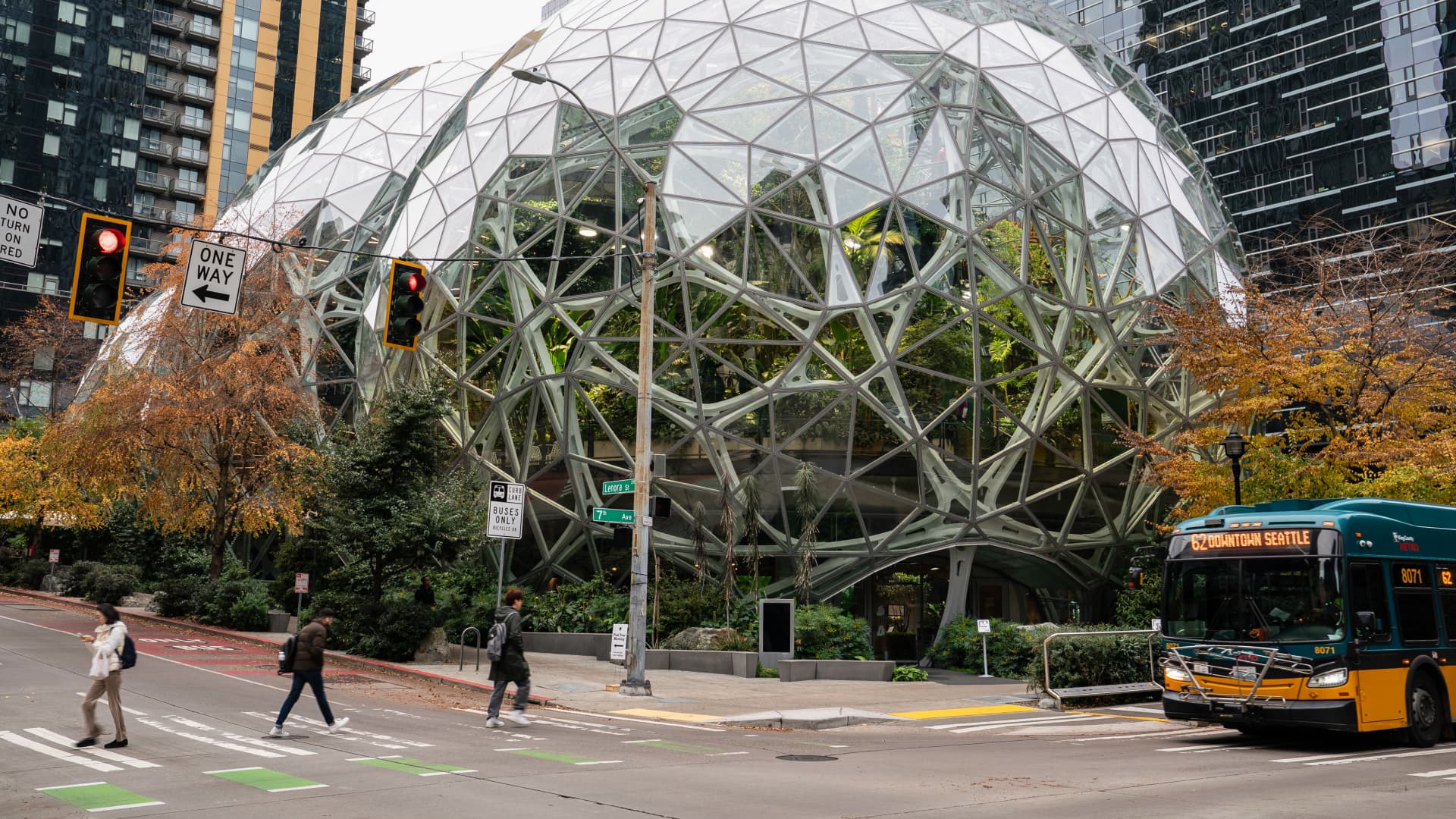
Amazon engineers have publicly voiced strong opposition to the company’s aggressive expansion of AI data centers in Seattle, particularly as the tech giant simultaneously conducts significant corporate layoffs. This divergence in strategy highlights a growing tension between massive infrastructure investment and workforce management within Big Tech.
🚀 Tech Strategy & Market Disruptions
- AI Infrastructure Arms Race. Tech giants are committing unprecedented capital towards AI compute power, signaling a critical inflection point for the industry and demanding significant foundational investment.
- Workforce Re-evaluation. Companies are balancing high-stakes technology investments with cost-cutting measures like layoffs, raising questions about long-term talent strategy and operational efficiency.
- Regulatory Scrutiny Mounts. The rapid buildout of AI data centers is attracting increased attention from local governments and state legislatures, leading to moratoriums and calls for stricter oversight.
Amazon is reportedly investing approximately $200 billion in capital expenditures this year, with a substantial portion earmarked for AI infrastructure and data centers. This aggressive spending occurs against a backdrop of 30,000 corporate layoffs over the past eight months. Engineers speaking at Seattle City Council hearings have called this strategy a sign of desperation to acquire compute capacity, contrasting it sharply with workforce reductions. This situation mirrors broader trends in the tech sector, where companies like Microsoft are also channeling vast sums into AI capabilities.
The concerns extend beyond workforce management. The sheer scale of AI data center development is straining local resources and prompting regulatory action. Seattle has responded by approving a one-year moratorium on new large-scale AI data centers. This move is intended to provide time for the city to establish regulations that address potential impacts on energy consumption, water usage, and local infrastructure. Several developers have already withdrawn proposals in response to public outcry, indicating a growing resistance to unchecked growth.
- The National Conference of State Legislatures reports that 14 states are considering legislation to pause or ban new data centers.
- A Data Center Watch report indicated that in 2025, over $156 billion in data center projects faced delays or were blocked due to local opposition and legal challenges.
- Amazon, Microsoft, Alphabet, and Meta have collectively pledged around $700 billion in capital expenditures for AI infrastructure in the current year.
Amazon has stated its commitment to being a responsible neighbor in communities where it operates data centers, emphasizing investments in economic development and exceeding industry standards for water and energy efficiency. However, the vocal concerns from its own employees underscore a significant disconnect between corporate investment priorities and employee perspectives on sustainable growth. The engineers advocate for stringent requirements, including mandatory renewable energy use, transparency in project announcements, and new taxes to fund city jobs impacted by large layoffs.
This tension between rapid AI expansion and cost control is a defining characteristic of the current technology market. While hyperscalers pursue the next frontier of artificial intelligence, they are simultaneously recalibrating their operational footprints. This dynamic could reshape how companies approach digital transformation, prioritizing not just technological advancement but also community integration and ethical workforce practices. The push for innovation must be tempered with responsible development, as the global technology market grapples with the implications.
The aggressive build-out of AI infrastructure signifies a race for computational supremacy. However, the current approach, characterized by massive capital expenditure alongside significant workforce reductions and increasing regulatory pushback, suggests a potential strategic overreach. Companies must demonstrate a balanced strategy that accounts for not only technological advancement but also societal and economic sustainability to avoid significant market disruption and reputational damage.
Amazon’s AI Buildout: Navigating Unforeseen Market Hurdles
The current trajectory of AI data center development presents a complex challenge. The immense demand for processing power, driven by advancements in AI models, necessitates significant investment in physical infrastructure. This includes not only the construction of data centers but also the substantial energy and water resources they require. The conflict arising in Seattle is a microcosm of a larger debate about the true cost of AI and the necessity for robust regulatory frameworks to govern its expansion. As Amazon and its peers navigate this landscape, they face the dual challenge of accelerating innovation while addressing mounting public and employee concerns.
The impact of these investments and the associated controversies could have far-reaching implications for the tech industry’s continued growth and public perception. For instance, the push for more sustainable data center operations is becoming a critical factor for investors and consumers alike. Companies that fail to address these concerns may find themselves at a competitive disadvantage, struggling to attract talent, secure permits, or maintain positive public relations. Examining the infrastructure strategies of leading tech firms offers a window into the future of digital transformation and its broader societal impact.
Ultimately, the narrative emerging from Amazon’s Seattle operations highlights a critical juncture for the tech industry. The pursuit of AI dominance requires not only technological prowess but also astute management of corporate responsibilities. The question remains whether Big Tech can reconcile its ambition for AI supremacy with the demands for responsible growth and workforce well-being, or if the current strategy will lead to greater market volatility and regulatory intervention.
Why Amazon’s Data Center Strategy Faces Public Scrutiny
The development of large-scale AI data centers is a complex undertaking that extends beyond technical specifications. It involves significant environmental considerations, including energy consumption and water usage, as well as economic impacts on local communities. The decision by Amazon engineers to speak out publicly underscores a growing concern about corporate accountability in the pursuit of technological advancement. The engineers’ demands for transparency and sustainable practices reflect a broader societal debate about the unchecked power of Big Tech and its influence on urban development and employment.
The Emerging Landscape of AI Infrastructure Investment
The massive capital expenditures being directed towards AI infrastructure represent a fundamental shift in the technology sector. This investment surge is driven by the promise of transformative AI applications across various industries, from healthcare and finance to autonomous vehicles and personalized content. However, this rapid expansion also presents significant challenges, including the potential for increased energy demand, the need for specialized hardware, and the development of robust security protocols. Companies are under pressure to innovate not only in AI algorithms but also in the underlying infrastructure that powers them, as detailed in emerging technology trends.
Amazon’s Balancing Act: Innovation Against Worker Concerns
This situation encapsulates the complex interplay between innovation-driven growth and corporate social responsibility. The substantial financial commitment to AI infrastructure signals Amazon’s strategic intent to lead in the AI era. However, the employee dissent highlights the critical need for companies to align their investment strategies with their commitments to their workforce and the communities in which they operate. The ongoing dialogue surrounding these AI data centers will likely set precedents for future infrastructure projects and corporate governance in the technology sector. The need for ethical considerations in AI deployment is a key focus for emerging technologies development.
Seattle’s AI Data Center Standoff: A Precedent for Regulation
Seattle’s decision to implement a moratorium on new AI data centers serves as a potent example of local governments responding to the rapid, often uncoordinated, expansion of tech infrastructure. This regulatory action could influence how other cities approach similar developments, demanding greater environmental impact assessments, community benefit agreements, and transparent development processes. The developers’ withdrawal of proposals underscores the influence of public sentiment and regulatory pressure, suggesting that future AI infrastructure projects may require more community engagement and alignment with local development goals.
Amazon’s AI Data Center Dominance: Navigating the Economic Currents
The substantial capital infusion into AI data centers by Amazon and its peers is a clear indicator of a high-stakes race for market leadership in artificial intelligence. This aggressive expansion, however, introduces significant economic considerations, including potential impacts on local economies, energy grids, and the broader technology market. Understanding these economic dynamics is crucial for investors assessing the long-term viability and market impact of these strategic investments.
- Massive Capital Allocation: Over $700 billion committed across major tech players for AI infrastructure.
- Workforce Repercussions: A stark contrast between infrastructure investment and widespread corporate layoffs.
- Regulatory Response: Growing trend of local and state governments imposing moratoriums and seeking stricter oversight.
Will Big Tech companies successfully navigate the increasing regulatory and social pressures surrounding AI data center expansion, or will these tensions lead to significant market recalibrations and a slower pace of innovation?
📊 StockXpo Analyst’s View
Market Impact: The aggressive AI infrastructure build-out indicates a strong investor conviction in AI’s future growth, potentially driving significant capital flows into related hardware, cloud services, and semiconductor sectors. However, the simultaneous layoffs and regulatory pushback introduce volatility and suggest a potential oversupply or misallocation of resources if demand doesn’t meet projected growth, impacting market liquidity. The public sentiment shift could also create investment risk for companies perceived as prioritizing expansion over workforce stability.
Sector To Watch: The cloud computing and specialized semiconductor industries are poised for substantial growth as demand for AI processing power escalates. Conversely, companies with heavy reliance on traditional IT services or those failing to adapt to sustainability demands may face increased competition and investor skepticism. Examination of educational tech insights provides further context on evolving market dynamics.
Financial Disclaimer:
StockXpo.com is a financial news aggregator and educational portal, not a registered investment advisor or broker-dealer. All information, news, and analysis provided herein are strictly for educational purposes and do not constitute investment, financial, legal, or tax advice. Investing in the stock market involves high risks, and past performance is not indicative of future results. StockXpo will not be liable for any financial losses or investment damages. Always consult a certified financial advisor before making market decisions.
MORE IN INSIDE TECHNOLOGY

AI Cyberattacks: Interpol Warns of Escalating Speed and Risk
Published: Friday, October 2, 2026 · 1:18 AM

Apple’s AI Strategy: Innovation, Disruption, and Market Positioning Amidst White House Summit
Published: Thursday, October 1, 2026 · 12:09 AM