Published: Tuesday, June 2, 2026 · 7:38 PM | Updated: Tuesday, June 2, 2026 · 7:38 PM
📊 246 views




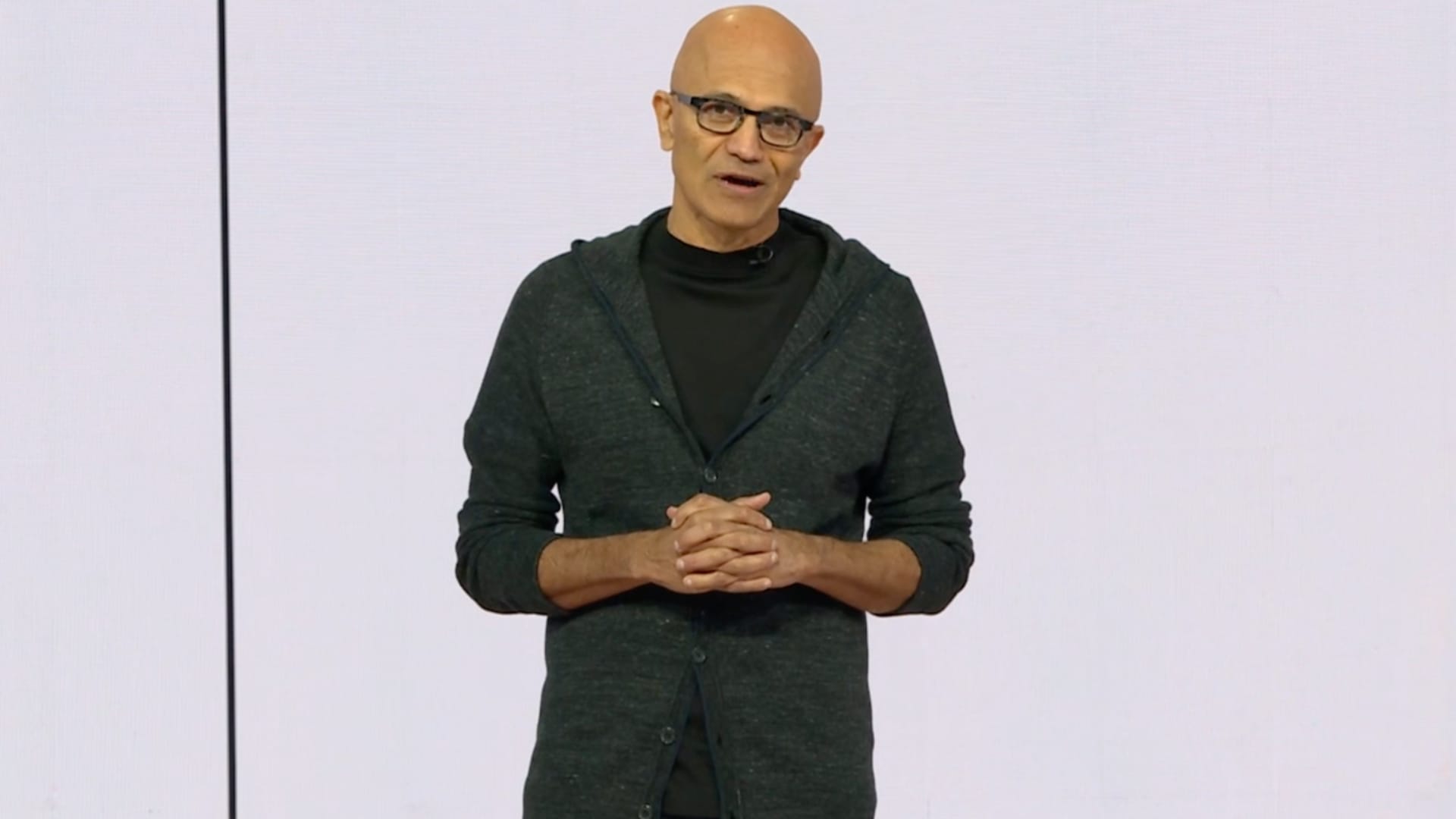
Microsoft is signaling a significant shift in its artificial intelligence strategy, unveiling new proprietary AI models designed to reduce its dependence on partners like OpenAI and Anthropic. This move directly addresses rising developer costs and aims to bring more of the AI stack under Microsoft’s control, fostering innovation-driven growth within its own ecosystem.
🚀 Tech Strategy & Market Disruptions
- Cost Efficiency Imperative. Microsoft’s new models, MAI-Code-1-Flash and MAI-Thinking-1, aim to significantly lower token costs for developers by leveraging Azure infrastructure, reducing reliance on third-party APIs.
- Full-Stack AI Ambition. This initiative positions Microsoft to compete across more layers of the AI stack, from foundational models to infrastructure, challenging the growing dominance of OpenAI and Anthropic.
- Democratizing AI Development. By offering efficient, accessible models, Microsoft seeks to empower a broader range of developers and enterprises to build and deploy advanced AI solutions.
At its recent Build developer conference, Microsoft unveiled new Microsoft AI models, including MAI-Code-1-Flash, a groundbreaking text-to-code model, and MAI-Thinking-1, a reasoning model. This strategic move highlights the company’s intent to diversify its AI offerings beyond its significant investments in OpenAI and Anthropic, aiming for greater autonomy and cost control in the rapidly evolving artificial intelligence landscape. The economic benefits are clear: by running its own models on Azure, Microsoft can bypass third-party fees, a saving it can pass on to developers. This strategy is critical as the AI coding market continues its rapid expansion, attracting both seasoned developers and those without extensive technical backgrounds looking to leverage sophisticated software generation tools. This strategic move is also indicative of broader technology market trends.
The introduction of MAI-Thinking-1, a medium-sized reasoning model, emphasizes high efficiency and performance coupled with low-token costs. Tokens represent the units developers pay for model usage, making cost efficiency a crucial differentiator in a competitive market. This positions Microsoft not just as an infrastructure provider but as a direct competitor in the foundational model space, putting pressure on firms like OpenAI and Anthropic, which are themselves reportedly moving towards public offerings. Microsoft CEO Satya Nadella underscored this shift, stating, ‘We believe the time has come for every company to just move from consuming a frontier model to fully participating at the frontier in the frontier ecosystem.’
- The MAI-Code-1-Flash model is designed for inference ultra-efficiency, making it available through existing tools like GitHub Copilot AI coding service and Visual Studio Code.
- MAI-Thinking-1 is currently in a private preview via Microsoft Foundry, allowing early customers to integrate and customize the model with their own data to enhance accuracy.
- Microsoft’s internal testing with consulting firm McKinsey reportedly showed its models outperforming OpenAI’s GPT 5-5 with a tenfold cost efficiency improvement.
- Further announcements included updated cloud-based models for speech recognition, synthetic voice generation, image generation, and small AI models capable of running directly on Windows PCs.
This comprehensive rollout demonstrates Microsoft’s commitment to building out its own robust AI capabilities across multiple modalities and deployment scenarios, from cloud to edge.
The introduction of these new Microsoft AI models sets a disruption flow in motion.
New proprietary models → Reduced reliance on external AI providers like OpenAI → Greater cost control for Microsoft and developers → Increased competition in the foundational model market → Accelerated innovation in application development → Potential shift in how enterprises engage with and deploy AI technologies.
‘The strategic importance of Microsoft developing its own foundational models cannot be overstated. It represents a pivot from being primarily an infrastructure enabler for leading AI developers to becoming a vertically integrated AI powerhouse, controlling more of the value chain. This allows for tighter integration, customized performance, and ultimately, greater cost-performance ratios that can redefine enterprise AI adoption.’
Key Efficiency and Deployment Metrics:
- MAI-Thinking-1: Designed for high efficiency and performance, notably offering low-token costs for developers.
- MAI-Code-1-Flash: Described as ‘inference ultra-efficient,’ facilitating cost-effective code generation.
- Cost Performance: Microsoft’s customized models demonstrated 10x better cost efficiency against OpenAI’s GPT 5-5 in specific enterprise scenarios (e.g., McKinsey).
Dissecting Microsoft’s Platform Architecture for AI Supremacy
Microsoft’s approach to its new AI models is deeply integrated into its existing Azure cloud infrastructure, forming a cohesive platform architecture. By designing MAI-Code-1-Flash and MAI-Thinking-1 to run natively on Azure, the company leverages its vast computational resources, global network, and established enterprise customer base. This vertical integration allows for optimized performance, enhanced security controls, and a streamlined developer experience within the Microsoft ecosystem. Furthermore, the availability of MAI-Thinking-1 via Microsoft Foundry signifies a deliberate strategy to provide tailored integration pathways for enterprise clients, enabling them to fine-tune models with proprietary data. This not only improves accuracy but also reinforces Azure’s position as a preferred environment for advanced AI deployment, creating sticky relationships with high-value customers looking for comprehensive solutions, as reported by leading technology publications. This architectural choice also strengthens Microsoft’s position against competitors like Google, which also announced its Gemini 3.5 Flash model running in its own data centers, setting the stage for an intense platform battle for AI dominance.
Navigating Microsoft AI’s Market Adoption Challenges
While the introduction of advanced Microsoft AI models offers compelling cost and efficiency benefits, widespread market adoption won’t be without its challenges. Microsoft faces the hurdle of convincing developers and enterprises to shift from established, well-documented models provided by OpenAI and Anthropic, particularly given the former’s early lead in developer mindshare. The confidential IPO filing by Anthropic and OpenAI’s pursuit of a public offering indicate strong market momentum for these independent AI powerhouses. Microsoft must demonstrate not only superior performance and cost efficiency but also robust tooling, comprehensive support, and a compelling migration path. Overcoming potential ‘vendor lock-in’ concerns for developers already deeply invested in other AI ecosystems will require aggressive market education and incentivization. Furthermore, the evolving regulatory landscape around AI ethics and data privacy, which can significantly impact how models are deployed and used, presents another layer of complexity for all players, as frequently discussed in global tech news. These are critical aspects in the broader context of emerging technologies.
The Future Trajectory of Microsoft’s AI Autonomy
Microsoft’s latest unveiling of its proprietary AI models represents a pivotal moment in its long-term strategy, marking a definitive step towards greater independence in the AI ecosystem. By focusing on cost efficiency and performance through its own Azure infrastructure, Microsoft aims to empower developers and solidify its position as a full-stack AI leader. This strategic move could redefine competition in the foundational AI model space, pushing the entire industry towards more optimized and diverse offerings.
- Microsoft is strategically reducing its reliance on key AI partners, potentially shifting market dynamics.
- The new models prioritize cost-effectiveness and performance, directly addressing developer demands for more affordable AI solutions.
- This push could accelerate digital transformation by making advanced AI more accessible across various industries.
How will this pursuit of AI autonomy reshape the competitive landscape for cloud providers and AI developers in the coming years?
📊 StockXpo Analyst’s View
Market Impact: Microsoft’s move to internalize more of its AI stack could introduce significant competitive pressure, potentially driving down prices for AI model usage across the board. This could also temper the valuations of pure-play AI model providers by introducing a formidable, vertically integrated competitor. Investors might see increased confidence in Microsoft’s long-term AI profitability and control, leading to positive sentiment for MSFT stock.
Sector To Watch: The enterprise software and cloud computing sectors will be keenly impacted. Companies heavily reliant on third-party AI APIs may benefit from lower costs, while those in the niche AI model development space could face intensified competition. Furthermore, developers seeking educational tech insights on how to leverage these emerging technologies should consult platforms like StockXpo’s blog.
Financial Disclaimer:
StockXpo.com is a financial news aggregator and educational portal, not a registered investment advisor or broker-dealer. All information, news, and analysis provided herein are strictly for educational purposes and do not constitute investment, financial, legal, or tax advice. Investing in the stock market involves high risks, and past performance is not indicative of future results. StockXpo will not be liable for any financial losses or investment damages. Always consult a certified financial advisor before making market decisions.
MORE IN INSIDE TECHNOLOGY
NextDC Shares Plunge: Power Delays Threaten Australia’s Data Center Growth
Published: Wednesday, October 21, 2026 · 1:50 AM

AI Adoption: Germany’s $10 Billion Breakthrough in Industrial AI
Published: Tuesday, October 20, 2026 · 12:39 AM