Published: Tuesday, June 2, 2026 · 12:24 PM | Updated: Tuesday, June 2, 2026 · 12:24 PM
📊 299 views




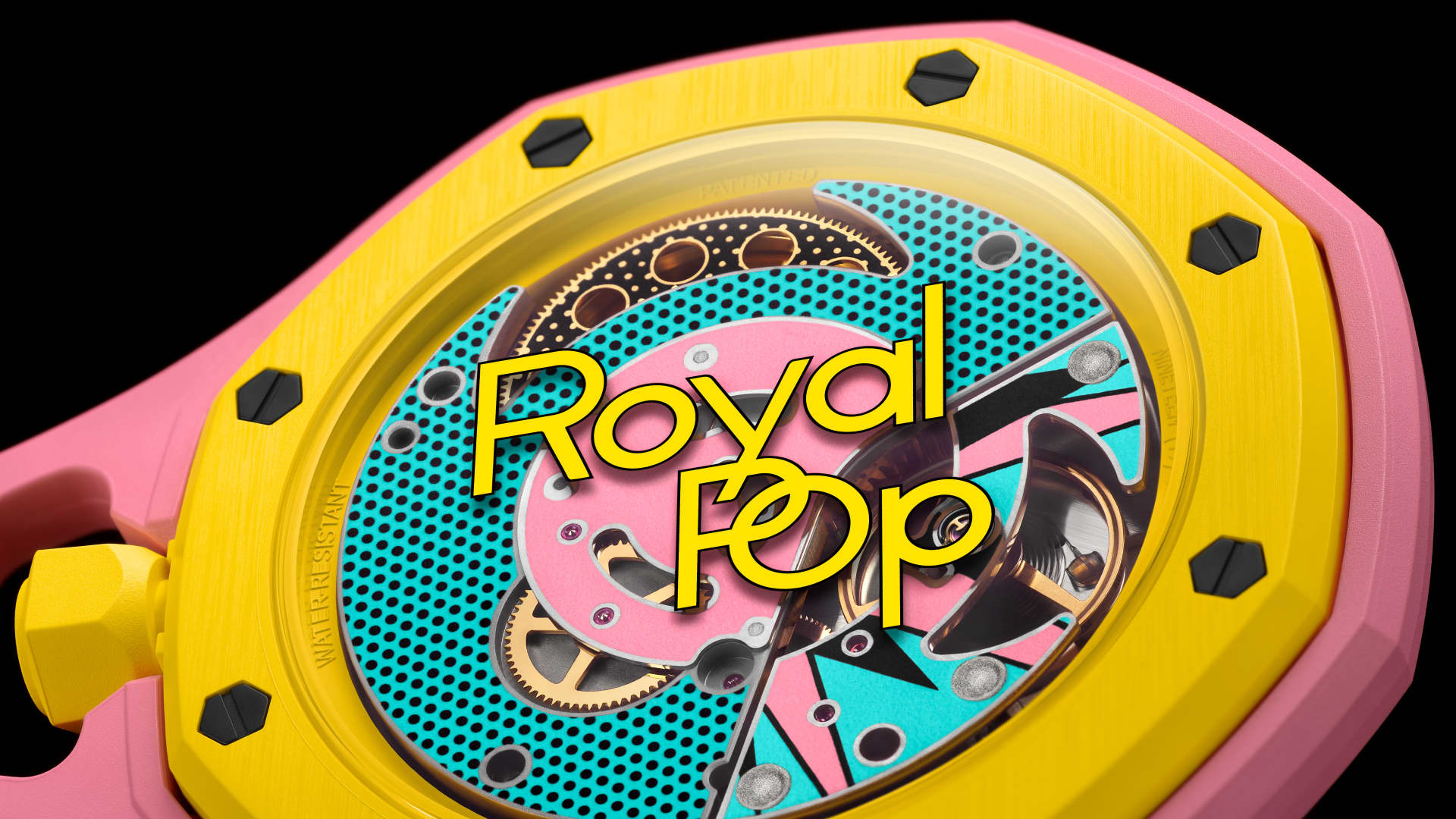
Audemars Piguet, a titan among luxury watchmakers, appears to have successfully navigated a controversial collaboration with Swatch, demonstrating resilience in its brand equity. The partnership, initially met with skepticism from a segment of its exclusive collector base, has remarkably left the secondary market prices for core Audemars Piguet timepieces undisturbed. This strategic play by the venerable Swiss brand signals a calculated long-term vision aimed at cultivating a new generation of enthusiasts, rather than an immediate revenue push.
🗝️ Corporate Strategy Insights
- Brand Fortification. The Swatch collaboration allowed Audemars Piguet to generate significant cultural buzz without diluting its core luxury offerings.
- Future Market Cultivation. By introducing an accessible product, AP aims to attract younger demographics and women, priming them for future high-end purchases.
- Long-Term Vision. A family-owned entity, AP’s strategic investments are measured in decades, prioritizing enduring brand cachet over short-term market reactions.
When Audemars Piguet announced its ‘Royal Pop’ collaboration with Swatch, a collection of brightly colored, accessible watches, the luxury watch community reacted with considerable apprehension. Fears of brand dilution were widespread, with some high-profile collectors even threatening to divest their multi-six-figure Audemars Piguet timepieces. However, weeks after the launch, these concerns appear largely unfounded, as market data confirms the stability of secondary prices for Audemars Piguet’s luxury models. This demonstrates the robust strength of the brand’s core offerings.
According to Hamza Masood, head of partnerships at WatchCharts, which meticulously tracks secondary market values, there has been “no discernible impact on AP prices from the launch.” This outcome underscores a critical distinction in brand strategy: the ‘Royal Pop’ collection, notably not even designed as a traditional wristwatch, does not infringe upon the exclusive experience of a Royal Oak collector. Instead, it serves as an entry point, making the brand’s aesthetic accessible to a broader, younger demographic and women who may one day aspire to own a signature Royal Oak, which often retails for over $50,000 and carries multi-year waiting lists.
While the Swatch collaboration proved strategically sound for long-term brand building, Audemars Piguet still faces broader market challenges. The luxury watch market, after experiencing a speculative boom during the pandemic, saw a significant downturn in 2022. While now stabilizing, the WatchCharts’ AP Index, encompassing the brand’s top 30 models, remains approximately 40% down from its 2022 peak. Competitors like Rolex and Patek Philippe have also seen corrections, though their recovery rates have varied.
- In the first quarter, Audemars Piguet’s secondary prices saw a modest 2% increase, slightly outpacing Rolex’s 1.7% but trailing Patek Philippe’s 3%.
- Notably, AP’s inventory appears to be aging more rapidly compared to its peers, suggesting a potential mismatch between supply and current demand in specific model ranges. This metric is crucial for understanding operational efficiency and market responsiveness. For investors seeking deeper insights into company strategy, exploring detailed corporate growth narratives can offer a clearer picture of market positioning.
The Audemars Piguet-Swatch collaboration exemplifies a calculated risk in brand strategy, initiating a ripple effect across the luxury market. The initial product launch, a low-cost, high-visibility collection, immediately generated immense cultural buzz and social media engagement for Audemars Piguet. This broad market exposure, particularly among younger audiences, aims for future market expansion. It cultivates brand awareness and aspiration, potentially translating into a larger pipeline of future luxury consumers for AP’s high-end products. This strategic move could put competitive pressure on other luxury brands to innovate their outreach strategies without compromising exclusivity. It effectively segments the market, creating an aspirational tier accessible to a wider demographic while preserving the sacrosanct nature of its flagship models. This approach allows AP to capture mindshare earlier in the consumer journey, distinguishing itself from rivals who solely focus on existing ultra-high-net-worth clients. The long-term impact could be a robust, diversified customer base better insulated against economic fluctuations in the exclusive segment.
The Royal Pop collaboration is less about immediate sales and more about a strategic long game, demonstrating Audemars Piguet’s commitment to securing its legacy by building cultural relevance among the next generation of luxury consumers.
While the luxury watch market is recovering, specific metrics highlight Audemars Piguet’s unique position:
- Secondary Price Recovery (Q1): Audemars Piguet saw a 2% increase, compared to Rolex’s 1.7% and Patek Philippe’s 3%. This indicates a positive, albeit somewhat slower, rebound for AP.
- Inventory Aging: AP’s inventory aging exceeds that of its direct competitors, signaling a potential need for more agile supply chain management or demand alignment in specific model ranges. This metric is crucial for understanding operational efficiency and market responsiveness.
Audemars Piguet Competitive Advantages: What Sets It Apart
Audemars Piguet distinguishes itself through several enduring competitive advantages beyond mere product quality. Its “Holy Trinity” status, alongside Patek Philippe and Vacheron Constantin, confers a heritage of unparalleled craftsmanship and horological innovation. The iconic Royal Oak design, introduced in 1972, remains a cornerstone, demonstrating timeless appeal and strong secondary market demand. Unlike publicly traded conglomerates, AP’s family ownership allows for long-term strategic decisions, like the Swatch collaboration, without the short-term pressures of quarterly earnings. This independence fosters a culture of innovation and brand integrity, enabling calculated risks for future growth. Furthermore, AP’s limited annual production (around 50,000 watches) ensures extreme exclusivity, driving aspiration and maintaining scarcity value, a critical differentiator in the luxury sector. For a broader view on market dynamics and investment analysis, follow discussions on global stock markets.
Audemars Piguet Strategic Analysis: Navigating a Shifting Market
Audemars Piguet’s recent strategy highlights its astute navigation of a dynamic luxury market. The Swatch partnership, while unconventional, reveals a proactive approach to demographic shifts. By engaging a younger, more diverse audience through an accessible touchpoint, AP addresses the need for future pipeline development in an industry often criticized for its insularity. This move showcases a willingness to challenge traditional luxury marketing norms. Simultaneously, the brand must carefully manage its existing high-net-worth client base, ensuring that perceived exclusivity is not eroded. The ongoing recovery in secondary watch markets, as detailed by platforms like WatchCharts, presents both opportunities and challenges. AP’s ability to maintain relatively stable prices amidst broader market volatility, while concurrently tackling inventory aging, will be crucial. This balancing act of tradition and innovation is key to its continued market leadership and provides valuable insights for educational insights into brand management.
Audemars Piguet’s Long-Term Vision: A Calculated Gamble?
Audemars Piguet’s Swatch collaboration appears to be a well-executed maneuver in a complex luxury landscape, demonstrating that calculated risks can yield significant long-term strategic advantages without immediate brand erosion. The move has generated invaluable cultural currency, positioning the brand favorably for future generations of collectors.
- The stable secondary market prices validate AP’s careful brand segmentation strategy.
- The partnership successfully created buzz and expanded brand awareness among new demographics.
- AP prioritizes multi-decade strategic growth over short-term market anxieties.
Will this audacious approach pave the way for other luxury brands to similarly redefine their market outreach strategies?
📊 StockXpo Analyst’s View
Market Impact: This news suggests strong pricing power and brand equity for established luxury names, even when engaging in unconventional partnerships. It reassures investors that carefully managed brand extensions can coexist with core luxury offerings. The initial market apprehension, followed by stability, highlights the importance of understanding long-term strategic intent over knee-jerk reactions, a trend discussed often on business news platforms.
Sector To Watch: The broader luxury goods sector, particularly high-end fashion and accessories, should closely observe this trend. Brands that can innovate their entry-level offerings to attract new demographics without diluting premium lines will gain a significant competitive edge. This could lead to more collaborations and diversified product portfolios across the luxury market. Further analysis can often be found in financial markets coverage.
Financial Disclaimer:
StockXpo.com is a financial news aggregator and educational portal, not a registered investment advisor or broker-dealer. All information, news, and analysis provided herein are strictly for educational purposes and do not constitute investment, financial, legal, or tax advice. Investing in the stock market involves high risks, and past performance is not indicative of future results. StockXpo will not be liable for any financial losses or investment damages. Always consult a certified financial advisor before making market decisions.
MORE IN INSIDE BUSINESS

Measles Resurgence: A Critical Warning for U.S. Public Health Strategy
Published: Tuesday, October 27, 2026 · 7:02 AM

Dollar General Overcharges Lawsuit: A Warning on Consumer Trust
Published: Monday, October 26, 2026 · 3:55 PM