
Published: Thursday, May 28, 2026 · 1:19 AM | Updated: Thursday, May 28, 2026 · 1:19 AM
📊 282 views




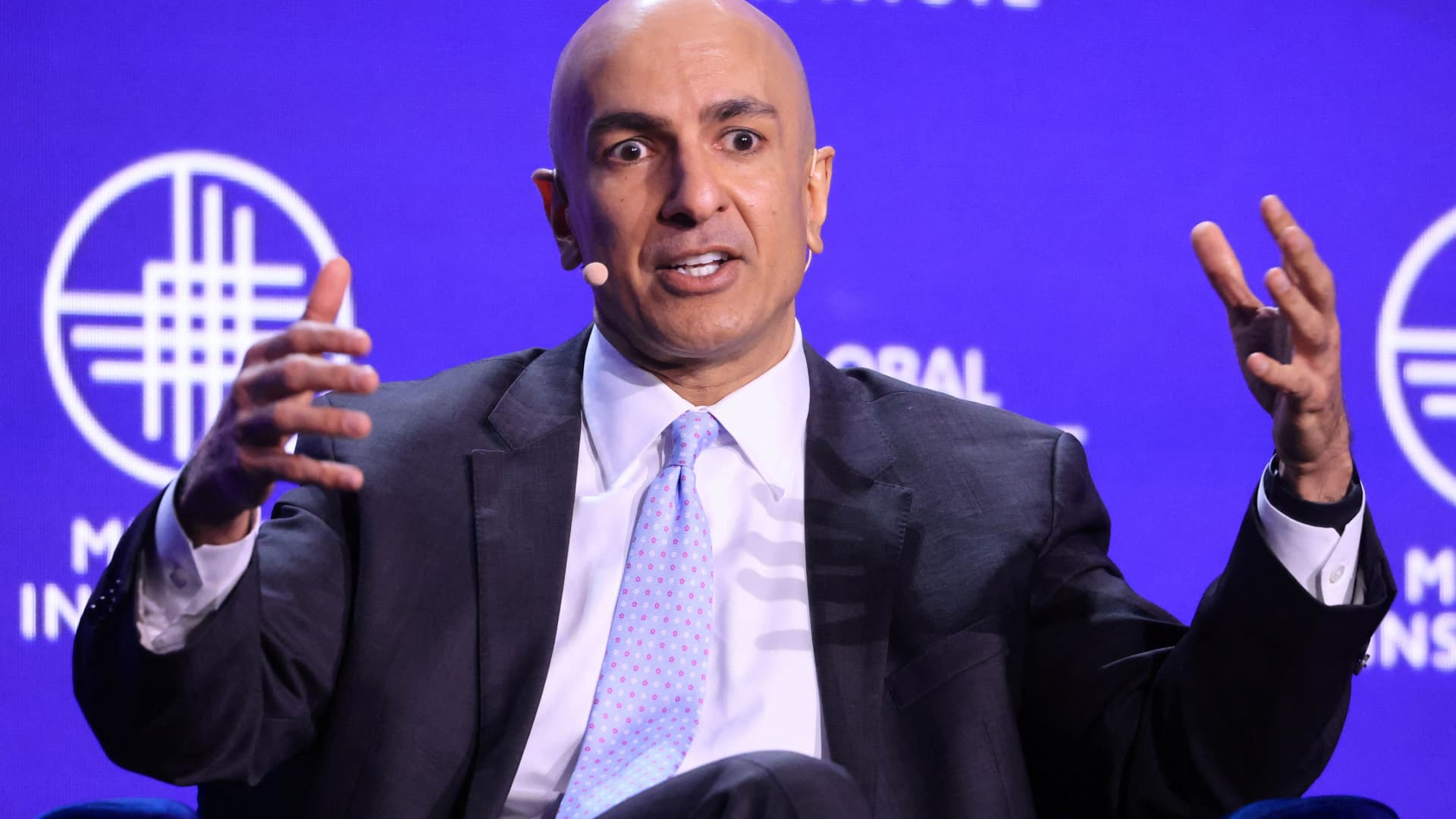
Minneapolis Federal Reserve President Neel Kashkari has underscored the U.S. central bank’s unwavering commitment to tackling inflation, asserting that bringing down elevated consumer prices remains paramount even as the labor market demonstrates resilience. This stance signals a continued focus on price stability as a core objective, impacting broader economic outlooks and investment strategies.
📊 Macro-Economic Strategic Insights
- Inflation as Top Priority. Kashkari emphasized that with inflation significantly above the 2% target for an extended period, its reduction is the primary concern for the Federal Reserve.
- Labor Market Resilience. While acknowledging its importance, Kashkari noted the labor market is currently in ‘decent shape,’ allowing the Fed to concentrate more aggressively on inflation without immediate employment concerns.
- Anchoring Inflation Expectations. A key risk highlighted is the potential for unanchored inflation expectations, which could necessitate more aggressive policy responses and harm long-term economic stability.
In remarks made at the Bank of Japan-IMES Conference, Kashkari elaborated on the Federal Reserve’s ‘balanced approach’ to its dual mandate. He pointed out that inflation has persistently stayed above the 2% target for over five years, a stark contrast to the current ‘decent’ state of the labor market. This disparity dictates the central bank’s policy focus. The longer inflation lingers at high levels, the greater the peril of inflation expectations becoming detached from policy goals, potentially leading to more persistent price pressures.
What Drives Persistent Price Pressures?
Kashkari identified several factors contributing to global inflationary trends, including the lingering effects of the COVID-19 pandemic, trade tariffs, geopolitical conflicts such as the war in Ukraine, and more recently, tensions in Iran. He specifically cited energy and fertilizer prices as significant drivers of the current surge, noting their potential to cascade into broader economic categories. The Fed is closely monitoring how these input costs influence overall inflation across the economy.
- The Fed’s primary objective remains achieving price stability.
- A strong labor market provides a buffer for more assertive anti-inflationary measures.
- Proactive management of inflation expectations is crucial to avoid entrenched price increases.
Kashkari also touched upon the potential impact of artificial intelligence on monetary policy. He posited that if AI demonstrably leads to sustained productivity gains, it could support a higher interest rate environment. However, he cautioned that the short- and long-term implications are still uncertain and require careful observation. Businesses are indeed reporting increased productivity and new capabilities through AI adoption, but translating this into concrete monetary policy implications is premature.
AI’s Shadow on Interest Rate Outlook
The evolving role of Artificial Intelligence in boosting productivity presents a complex variable for monetary policymakers. While the long-term promise of AI is viewed optimistically, its immediate impact on inflation and interest rate trajectories remains a subject of ongoing analysis. The Fed’s approach will likely remain data-dependent, observing tangible economic shifts before adjusting policy frameworks significantly based on AI’s influence. For insights into how such technological shifts affect global economic trends, understanding global economic trends offers valuable context.
‘If inflation expectations were to become unanchored and move higher, we would have to respond even more aggressively. Therefore, it’s far better to do what is necessary now to keep those expectations anchored.’
The U.S. inflation rate, as measured by the Consumer Price Index (CPI), stood at 3.8% in April. Core CPI, which excludes volatile food and energy prices, saw a 0.4% monthly increase, bringing its annual rate to 2.8%. These figures, while showing some moderation, remain above the Fed’s target, reinforcing Kashkari’s emphasis on the ongoing inflation fight.
Inflationary Risks and Global Benchmarking
The current inflationary environment is shaped by a confluence of global events, from pandemic aftershocks to geopolitical instability. Understanding how other economies are navigating similar challenges provides critical context for U.S. policy. Examining trends in global economic trends helps in assessing the efficacy of different national approaches to inflation control and the potential for spillover effects.
The Path Forward for Price Stability
Minneapolis Fed’s Inflation Focus: The central bank’s priority is clear—bring down persistent inflation. The labor market’s current health allows for a resolute focus on this objective. Future policy will hinge on inflation data and the anchoring of public expectations. For a deeper dive into how market dynamics are evolving, exploring macro trends and economic policy is essential.
- The Fed’s commitment to the inflation fight is unwavering.
- AI’s productivity impact is a long-term consideration with uncertain short-term policy implications.
- External shocks continue to influence global inflationary pressures.
Will the Federal Reserve’s sustained focus on the inflation fight successfully re-anchor expectations without causing undue economic disruption?
📊 StockXpo Analyst’s View
Market Impact: Kashkari’s hawkish tone reinforces expectations of sustained higher interest rates, potentially dampening investor sentiment towards rate-sensitive assets and increasing demand for value-oriented and defensive sectors. Market liquidity may see a tightening effect as the Fed maintains its vigilance on inflation.
Sector To Watch: Industries with strong pricing power and limited exposure to volatile commodity inputs, such as essential consumer goods and healthcare, may offer relative stability. Conversely, highly leveraged sectors or those reliant on discretionary consumer spending could face headwinds.
Financial Disclaimer:
StockXpo.com is a financial news aggregator and educational portal, not a registered investment advisor or broker-dealer. All information, news, and analysis provided herein are strictly for educational purposes and do not constitute investment, financial, legal, or tax advice. Investing in the stock market involves high risks, and past performance is not indicative of future results. StockXpo will not be liable for any financial losses or investment damages. Always consult a certified financial advisor before making market decisions.
MORE IN INSIDE ECONOMY

Global Slowdown Eases as AI Boosts Growth, IMF Warns of Nearing Resilience Limits
Published: Tuesday, October 13, 2026 · 2:23 AM

Nobel Prize in Economics: New Foundations for Macro-Stability Growth
Published: Monday, October 12, 2026 · 6:12 AM


