Published: Friday, May 22, 2026 · 4:40 PM | Updated: Friday, May 22, 2026 · 4:40 PM
📊 341 views




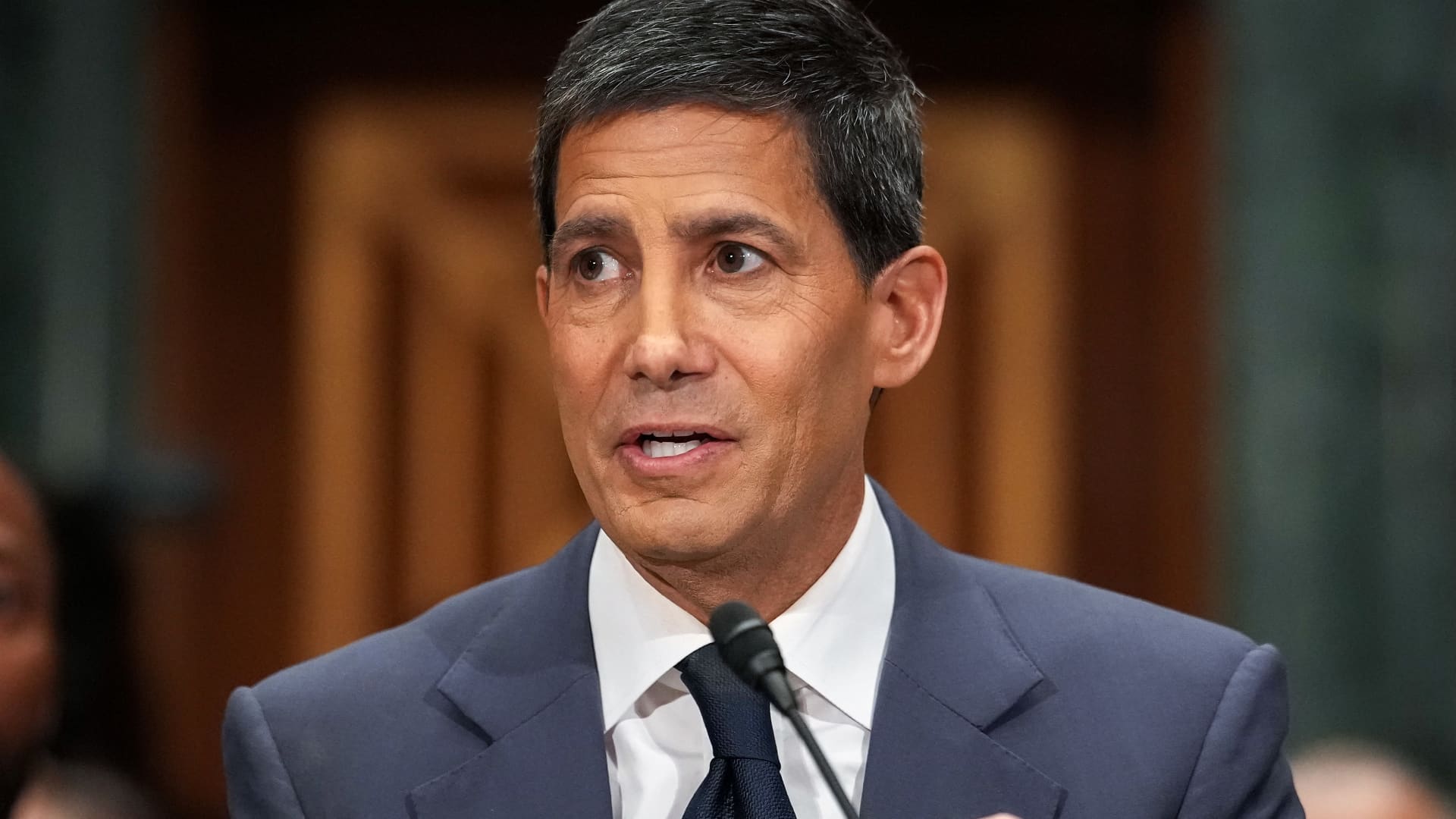
Kevin Warsh’s impending leadership at the Federal Reserve heralds a significant reevaluation of the central bank’s operational framework, particularly concerning its colossal Fed Balance Sheet. This potential “regime change” extends beyond simple interest rate adjustments, delving deep into the fundamental mechanics of market liquidity and the Fed’s role in the financial system. Investors and market participants are keenly watching how these shifts could redefine asset valuation and risk management strategies.
💰 Financial Strategy & Market Insights
- Balance Sheet Debate. The Fed is weighing whether its balance sheet should be a regular tool for financial conditions or reserved for crises, potentially impacting long-term market stability.
- Policy Mechanism Shift. A Warsh-led Fed might pivot to the overnight repo market as its primary policy rate, creating complex dynamics between interest rates and underlying financing conditions.
- Risk to Bank Resilience. Opposition exists within the Fed, arguing that aggressive balance sheet reduction could undermine bank resilience and potentially threaten financial stability.
The prospect of Kevin Warsh taking the helm at the Federal Reserve has ignited a robust debate over the future of the central bank’s operational playbook, particularly concerning its nearly $6.8 trillion balance sheet. Warsh’s call for a “regime change” suggests a move towards a smaller Fed footprint in daily financial markets, coupled with clearer guidelines for intervention. This marks a significant departure from the post-2008 crisis era, where the Fed aggressively expanded its holdings of Treasurys and mortgage-backed securities to stabilize markets, swelling its balance sheet to approximately 23% of the U.S. economy—a sevenfold increase from pre-financial crisis levels. The core of this discussion revolves around whether the balance sheet should serve as a consistent instrument for influencing financial conditions or be reserved strictly for periods of profound market dysfunction and economic distress.
Such a monumental shift could ripple through various segments of the economy, directly affecting Treasury yields, mortgage rates, and other interest-sensitive areas. According to Lou Crandall, chief economist at Wrightson ICAP, any changes would need to be implemented carefully and over a medium-term horizon, acknowledging the complexities involved. Warsh himself has previously described the balance sheet as “bloated,” suggesting its reduction could even facilitate lower interest rates. This perspective sets the stage for a prolonged internal deliberation within the Fed, with far-reaching implications for capital markets.
Wall Street strategists are already dissecting what a new operational framework might entail. One notable idea, proposed by TS Lombard’s chief U.S. economist Steve Blitz, suggests a greater emphasis on the overnight repo market as the primary policy rate, rather than the traditional federal funds rate. This innovative approach could allow the Fed to meet political pressures for lower rates while simultaneously maintaining tighter underlying financing conditions to combat persistent inflation—a delicate balancing act that would present unique challenges. However, this vision is not without its detractors within the Fed.
- Fed Governor Michael Barr has voiced strong opposition, cautioning that shrinking the balance sheet primarily for size reduction could jeopardize bank resilience, impede money market functioning, and ultimately undermine financial stability.
- Barr emphasizes that the composition and duration of assets within the balance sheet are equally critical, arguing that a narrow focus on size alone could lead to increased volatility and potentially more, rather than fewer, Fed interventions.
Understanding the mechanics is crucial: when the Fed expands its balance sheet, it essentially creates digital cash to buy assets from banks, thereby injecting liquidity into the system as reserves. Conversely, reducing the balance sheet involves ceasing new asset purchases and allowing existing holdings to mature without reinvestment, effectively draining reserves. The Fed has historically operated under a system of “ample” reserves but Warsh’s proposal hints at a return to “scarce” reserves, a pre-crisis model where liquidity is added only when necessary. This move, while challenging to implement, is seen as perfectly viable by former Fed officials like Bill English, provided it is executed gradually. For more in-depth financial sector analysis, StockXpo offers comprehensive resources. Markets, having grown accustomed to the Fed’s balance sheet as a stabilizer for the past two decades, will be scrutinizing every development closely. For global market developments, Bloomberg provides extensive coverage.
The proposed changes to the Fed Balance Sheet present a nuanced array of risks and rewards for the broader market and economy.
- Upside:
- Enhanced Market Discipline: A reduced Fed footprint could foster greater self-reliance in financial markets, potentially leading to more efficient price discovery and risk allocation.
- Clearer Policy Signals: Establishing explicit rules for balance sheet intervention could reduce market uncertainty, allowing participants to form more sensible expectations about future Fed actions.
- Fiscal Flexibility: A smaller balance sheet might provide the Fed with more room to maneuver during future crises without fears of excessive market distortion.
- Downside Risks:
- Liquidity Shocks: An overly aggressive or rapid reduction could inadvertently trigger liquidity shortfalls, increasing market volatility and potentially destabilizing financial institutions.
- Interest Rate Volatility: Changes in the Fed’s operational framework, particularly concerning the repo rate, could introduce unexpected fluctuations in Treasury yields and mortgage rates, impacting investment and borrowing costs.
- Economic Slowdown: If not managed carefully, a significant tightening of financial conditions through balance sheet reduction could constrain credit availability, potentially hindering economic growth, especially if combined with persistent inflation pressures.
Quantitative Easing (QE) vs. Quantitative Tightening (QT): These terms refer to the expansion (QE) and contraction (QT) of a central bank’s balance sheet through asset purchases or sales. QE aims to lower long-term interest rates and increase money supply to stimulate the economy, while QT reverses this process, aiming to normalize monetary policy and reduce inflationary pressures by decreasing the money supply. The core debate under Warsh is whether these tools should be routinely deployed or strictly reserved for crisis management.
Key metrics related to the Federal Reserve’s balance sheet evolution highlight the scale of the impending debate:
- Pre-Crisis Balance Sheet (2008): Approximately $800 billion.
- Peak Balance Sheet Expansion: Reached nearly $9 trillion at its highest point.
- Current Balance Sheet (circa 2026): Stands at around $6.8 trillion.
- GDP Proportion: Current holdings equate to roughly 23% of the U.S. economy.
- Growth Multiple: The balance sheet is now approximately seven times its size compared to the pre-financial crisis era.
Treasury Market Liquidity Analysis Amid Fed Shifts
The potential recalibration of the Fed Balance Sheet carries significant implications for liquidity in the Treasury market, the backbone of global finance. A shift towards “scarce” reserves, as implied by Warsh, means less readily available liquidity for banks, which could lead to wider bid-ask spreads and increased volatility in Treasury auctions and secondary market trading. While proponents argue this fosters greater market efficiency, critics fear it could amplify financial shocks, particularly during periods of stress. The New York Fed’s trading desk, previously managed by Lorie Logan, has firsthand experience navigating these dynamics, suggesting that a gradual approach is paramount to avoid unintended disruptions. For global financial market insights, Reuters provides continuous updates.
Yield Curve Dynamics Under a New Regime
A change in how the Fed manages its balance sheet could profoundly alter yield curve dynamics. If the Fed significantly reduces its holdings of longer-dated Treasurys, it could put upward pressure on long-term yields, potentially steepening the yield curve. Conversely, a reduced Fed presence might lessen the “term premium,” leading to a flatter curve if market participants anticipate less future intervention. TS Lombard’s suggestion of prioritizing the repo rate over the federal funds rate as the policy instrument could further complicate these dynamics, creating a unique interplay between short-term funding conditions and the broader yield structure. This evolving landscape will necessitate careful monitoring by investors seeking to navigate interest rate risk. For broader market analysis, StockXpo offers various analyses.
The Ripple Effect of Fed Balance Sheet Policy on 2026 Markets
The imminent “regime change” under Kevin Warsh promises a fundamental rethinking of how the Federal Reserve operates, particularly concerning its balance sheet and market interventions. This shift could redefine market expectations, asset valuations, and the very nature of financial stability in the coming years.
- Markets must brace for a transition from a period of “ample” reserves to potentially “scarce” reserves, impacting banking sector liquidity.
- The debate around the balance sheet’s primary function—regular tool versus crisis intervention—will shape future Fed responses to economic cycles.
- The eventual framework will influence everything from Treasury yields and mortgage rates to the broader stability of the U.S. financial system.
How will the Fed balance its mandate for stability with the pressure to reduce its market footprint without triggering unintended financial volatility?
📊 StockXpo Analyst’s View
Market Impact: The proposed changes to the Fed’s operational framework, especially concerning the Fed Balance Sheet, will introduce a new layer of uncertainty and potentially increased volatility in bond markets. A move towards “scarce” reserves could tighten overall liquidity, compelling investors to re-evaluate their risk exposures and asset allocations. This shift signals a departure from the implicit “Fed put” that many institutional investors have come to expect, demanding greater due diligence in portfolio construction.
Sector To Watch: Financials, particularly large banks, will be at the forefront of this transition. Depending on how reserve requirements and the repo market framework evolve, banks could face both opportunities for increased profitability through lending spreads and challenges related to managing liquidity and regulatory compliance. Real estate and fixed-income sectors will also feel direct impacts through shifts in mortgage rates and Treasury yields, potentially affecting asset valuations.
Financial Disclaimer:
StockXpo.com is a financial news aggregator and educational portal, not a registered investment advisor or broker-dealer. All information, news, and analysis provided herein are strictly for educational purposes and do not constitute investment, financial, legal, or tax advice. Investing in the stock market involves high risks, and past performance is not indicative of future results. StockXpo will not be liable for any financial losses or investment damages. Always consult a certified financial advisor before making market decisions.
MORE IN INSIDE FINANCE
AI Stock Boom Fuels $67 Billion Equities Growth for Wall Street Giants
Published: Wednesday, October 21, 2026 · 11:03 AM
New Risks Emerge: Global Finance Chiefs Highlight Debt, AI, and Geopolitical Volatility
Published: Tuesday, October 20, 2026 · 2:12 AM