Published: Friday, May 22, 2026 · 6:13 PM | Updated: Friday, May 22, 2026 · 6:13 PM
📊 325 views




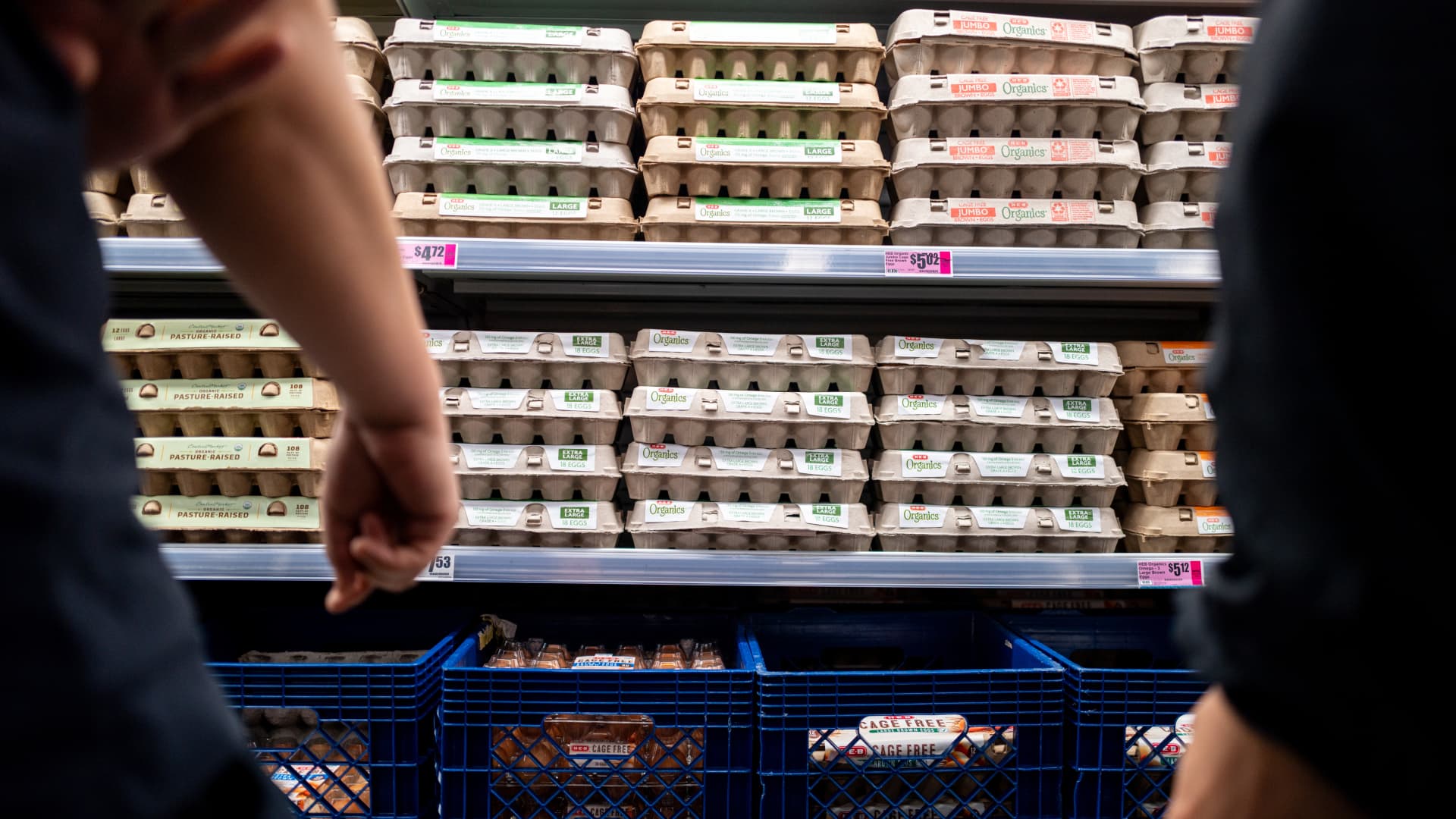
Consumers are enjoying significantly lower egg prices, a welcome relief from last year’s avian flu-induced shortages. However, this consumer benefit is creating a formidable challenge for egg producers who are now grappling with a substantial oversupply and concurrently escalating input costs, particularly for feed and fuel.
🗝️ Corporate Strategy Insights
- Supply Chain Volatility Management. Producers must navigate the rapid swings from shortage to surplus, requiring agile production and inventory strategies.
- Cost Inflation Mitigation. Rising feed and fuel expenses necessitate exploring operational efficiencies and potentially diversified sourcing or hedging strategies.
- Market Demand Alignment. While protein demand is robust, producers need to better synchronize flock size with actual consumption to avoid price erosion.
The drastic fall in egg prices, with data showing a 44.7% year-over-year decrease in March 2026, starkly contrasts with the elevated costs producers are facing. Feed, which constitutes roughly half the cost of premium eggs, remains expensive, and increased diesel prices further strain operational budgets. This dynamic creates a perilous squeeze on profit margins, as highlighted by industry leaders.
Despite the pricing pressures, the underlying demand for eggs remains strong, fueled by a growing consumer focus on protein-rich diets. A significant portion of Americans now prioritize protein, viewing whole foods like eggs as superior to processed alternatives. This fundamental demand strength, however, is currently being overshadowed by the sheer volume of supply coming back into the market.
- The market has shifted from a year ago, when avian flu led to severe shortages and soaring prices.
- Producers rebuilt their flocks, anticipating sustained demand, but an oversupply situation has now emerged.
- Input costs for feed and fuel have remained elevated, intensifying the financial pressure on producers.
The current price weakness is attributed to a faster-than-anticipated supply recovery post-avian flu, coupled with growth from smaller farms and improved productivity. This surge in supply is outpacing demand’s ability to absorb it, leading to wholesale prices that are difficult for consumers to discern at the retail level due to grocery store pricing strategies. Despite political commentary aiming to leverage lower prices for electoral gain, the underlying economic reality for producers is challenging.
Producers Face Margin Squeeze in Oversupply Market
The strategic challenge for egg producers lies in balancing the rapid recovery of flocks with the persistent reality of higher operating costs. Companies like Cal-Maine Foods, a major U.S. egg distributor, have noted that the current market is more reflective of supply recovery timing than a fundamental shift in consumption. This indicates that operational efficiency and cost management are paramount for maintaining viability.
The current market dynamic underscores a critical strategic need for the egg industry to better forecast and align supply with demand, especially as input costs remain elevated.
While specific financial metrics for individual producers are not detailed in the provided news, the indicators suggest a challenging environment for profitability:
| Indicator | Status | Impact |
|---|---|---|
| Wholesale Egg Prices | Plummeting (-44.7% YoY in March 2026) | Reduces producer revenue significantly. |
| Feed Costs | Elevated | Increases cost of goods sold, reducing gross margins. |
| Fuel Costs (Diesel) | Spiked | Increases transportation and operational expenses. |
| Flock Size | Recovered and growing | Contributes to oversupply. |
The table above illustrates the inverse relationship between falling prices and rising costs, a textbook scenario for margin compression. This situation demands rigorous operational oversight and potentially a review of long-term capital allocation towards enhancing efficiency and diversifying risk, particularly in areas like financial market analysis.
Cal-Maine Foods’ Strategic Response to Market Shifts
As the largest egg distributor in the U.S., Cal-Maine Foods is at the forefront of this market upheaval. Their ability to navigate this period of oversupply and cost inflation will be a key indicator of broader industry resilience. The company’s strategic focus likely involves optimizing its vast production and distribution network to mitigate the impact of lower prices.
The market’s sensitivity to input costs and supply-demand imbalances has direct implications for investor sentiment and sector performance. Understanding these dynamics is crucial for informed decision-making within the broader agribusiness sector.
Egg Industry Competitive Advantages
In this challenging market, competitive advantages will be re-evaluated. Companies with superior operational efficiencies, strong existing distribution contracts, and robust risk management practices will be better positioned. Innovation in feed formulation and waste reduction could also become critical differentiators.
Navigating Egg Price Volatility in 2026
The current environment for egg prices is a stark reminder of the cyclical nature of agricultural markets. While consumers benefit from lower prices, the underlying economic pressures on producers are substantial. This situation highlights the importance of adaptability and strategic foresight in managing supply chains that are subject to biological and geopolitical factors.
The industry’s ability to manage this supply glut without prolonged price wars will be key to its long-term health. Furthermore, the persistent focus on protein demand suggests that fundamentals remain strong, even if timing and supply-side issues are causing short-term disruptions.
The impact of rising fuel costs, exacerbated by geopolitical events, creates an additional layer of complexity for logistics-dependent industries like agriculture. This underscores the need for diversified energy strategies and efficient transportation networks.
The current market conditions raise questions about future production investments and the potential for industry consolidation. As producers absorb losses, strategic decisions made now will shape the competitive landscape for years to come. The role of technology in improving yield and reducing costs will undoubtedly be a significant factor in determining market leaders.
This scenario provides valuable lessons for other industries susceptible to commodity price swings and supply chain disruptions. The agility shown by producers in responding to these challenges could offer insights into effective business continuity planning and market adaptation, lessons that could be shared through educational insights.
Financial Disclaimer:
StockXpo.com is a financial news aggregator and educational portal, not a registered investment advisor or broker-dealer. All information, news, and analysis provided herein are strictly for educational purposes and do not constitute investment, financial, legal, or tax advice. Investing in the stock market involves high risks, and past performance is not indicative of future results. StockXpo will not be liable for any financial losses or investment damages. Always consult a certified financial advisor before making market decisions.
MORE IN INSIDE BUSINESS
Airline Profits Challenge: Why Rising Airfare Won’t Boost Bottom Lines
Published: Monday, October 5, 2026 · 7:48 AM
Chick-fil-A’s Unwavering Family Strategy Fuels Expansion and Market Leadership
Published: Sunday, October 4, 2026 · 9:09 AM