Published: Thursday, May 21, 2026 · 12:49 PM | Updated: Thursday, May 21, 2026 · 12:49 PM
📊 280 views




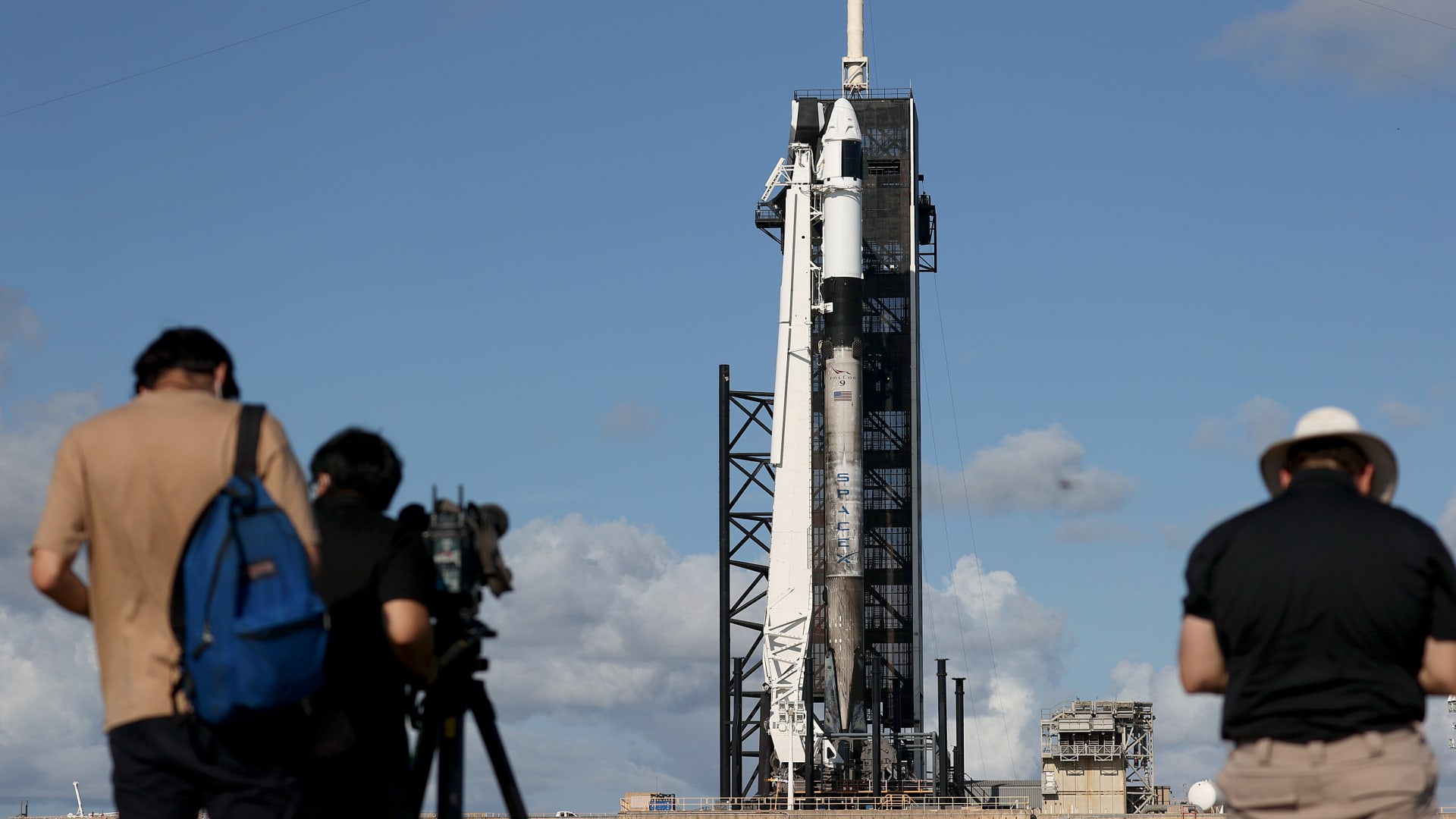
Elon Musk’s SpaceX is set to redefine public offerings by granting retail investors direct access to its highly anticipated initial public offering. This unprecedented move bypasses traditional Wall Street gatekeepers, democratizing a slice of one of the most valuable private companies in the world.
💰 Financial Strategy & Market Insights
- Direct Retail Participation. SpaceX is offering a portion of its shares directly to everyday traders via platforms like Robinhood, Fidelity, and Charles Schwab, mirroring institutional access.
- Traditional Model Disruption. This strategy challenges the conventional IPO framework where retail investors often purchase shares at a premium post-listing, aiming for greater market fairness.
- High Demand & Allocation Constraints. Despite expanded access, overwhelming demand for the SPCX ticker on Nasdaq means individual allocations for the SpaceX IPO are likely to be limited.
The revelation, disclosed in an SEC prospectus, confirms that retail buyers will secure shares at the same IPO price and simultaneously with institutional investors. This departure from standard practice offers a rare opportunity for individual investors to participate from the outset in a company that has evolved from an ambitious rocket startup in 2002 to a multi-billion-dollar enterprise. SpaceX, which confidentially filed with regulators in April, is slated to commence its investor roadshow on June 8, signaling its imminent public debut under the ticker SPCX on Nasdaq.
The company’s operational scope spans critical sectors including reusable rocket technology, extensive national-security and defense contracts, and its rapidly expanding Starlink satellite internet network. Furthermore, recent ventures into artificial intelligence through xAI add another layer of high-growth potential, broadening its appeal across various investor profiles. While the move towards direct retail access enhances market liquidity and democratizes participation, it also sets up a scenario where demand could massively outstrip available supply, leading to significant allocation challenges on individual brokerage platforms. This strategic shift could potentially influence broader market trends in future high-profile listings, pushing other private companies to reconsider their public offering strategies and capital market access.
- SpaceX’s robust business model leverages government contracts and a rapidly expanding global satellite internet service, providing diversified revenue streams.
Weighing the Upside Against Downside Risks
The **SpaceX IPO** presents a unique blend of potential rewards and inherent risks for retail investors.
- Upside:
- Early investment in a highly innovative, sector-leading company with multiple growth engines (space launch, satellite internet, AI).
- Potential for substantial long-term capital appreciation given its established market position and ambitious future projects.
- Increased transparency and fairness in public market access for individual investors.
- Downside Risks:
- Likely limited share allocation for retail investors due to overwhelming demand, potentially frustrating many.
- Exposure to high volatility inherent in nascent and capital-intensive industries like space exploration and advanced AI.
- Significant reliance on the vision and execution of its founder, Elon Musk, and the associated governance risks.
The democratization of IPO access, as seen with the SpaceX IPO, highlights a broader trend of retail investors gaining more influence in public markets. This dynamic can lead to a more efficient and transparent price discovery mechanism, but it also necessitates increased investor education regarding market liquidity and asset valuation intricacies.
SpaceX’s financial fortitude is underpinned by robust operational metrics and strategic market positioning:
- SpaceX boasts a significant private valuation, recently estimated in the hundreds of billions, driven by diverse revenue streams.
- Key growth engines include the Starlink satellite internet network and expanding national-security contracts.
- The company’s advanced reusable rocket technology underpins its competitive advantage in the space launch market.
Unpacking SpaceX’s Liquidity Dynamics
The influx of retail capital into the SpaceX IPO could significantly influence its post-listing liquidity. While a broader investor base typically enhances market depth, the initial allocation process will be critical. Should demand far outstrip supply, early trading could see intense price fluctuations as investors vie for shares. The challenge for market makers will be to manage order flow efficiently, especially given the company’s high profile and retail enthusiasm. Understanding these dynamics is crucial for any investor looking for market analysis on the upcoming listing.
Gauging SpaceX Market Sentiment Amidst IPO Frenzy
Market sentiment surrounding the SpaceX IPO is overwhelmingly positive, fueled by the company’s innovative ventures, high-profile founder, and significant private valuation. This positive sentiment could drive robust investor participation, potentially leading to a strong initial trading performance. However, investors should remain cautious, as speculative fervor can sometimes lead to valuations that disconnect from fundamental metrics. Monitoring early trading volumes and institutional buying patterns will offer insights into the sustainability of this enthusiasm and its broader impact on broader market trends.
The SpaceX IPO: A New Era for Retail Investment?
The direct retail access to the **SpaceX IPO** signifies a transformative shift in capital markets, challenging traditional allocation models and empowering individual investors. While promising, the actual impact on asset valuation and market liquidity will hinge on demand fulfillment and sustained performance.
- Redefines retail participation in high-profile initial public offerings, setting a potential new precedent.
- Presents both significant opportunity for early entry and inherent allocation challenges due to anticipated demand.
- Could influence future tech and growth company listings to adopt more democratized distribution strategies, impacting the entire financial sector.
Will this model fundamentally alter the landscape of public market debuts for other private behemoths, offering new avenues for educational financial insights?
📊 StockXpo Analyst’s View
Market Impact: This move by SpaceX could inject significant new capital and liquidity into the broader market by drawing in a previously underserved segment of investors. It also adds a layer of competition for traditional institutional allocations, potentially influencing initial pricing dynamics across various high-growth listings. This unprecedented access may reshape how public offerings are structured moving forward.
Sector To Watch: The aerospace and defense sector, along with the burgeoning space economy and AI industries, will be closely watched. Companies with similar high-growth profiles and significant private valuations might consider analogous IPO strategies, pushing innovation in fundraising and impacting competitive landscapes.
Financial Disclaimer:
StockXpo.com is a financial news aggregator and educational portal, not a registered investment advisor or broker-dealer. All information, news, and analysis provided herein are strictly for educational purposes and do not constitute investment, financial, legal, or tax advice. Investing in the stock market involves high risks, and past performance is not indicative of future results. StockXpo will not be liable for any financial losses or investment damages. Always consult a certified financial advisor before making market decisions.
MORE IN INSIDE FINANCE

Fixed Income: JPMorgan Calls it a Once-in-a-Generation Opportunity Amid Market Shifts
Published: Saturday, October 10, 2026 · 12:03 PM

Crypto Derivatives Trading: Blockchain.com’s Bold Move into U.S. Markets
Published: Friday, October 9, 2026 · 8:23 AM