Published: Thursday, May 21, 2026 · 11:45 AM | Updated: Thursday, May 21, 2026 · 11:45 AM
📊 319 views




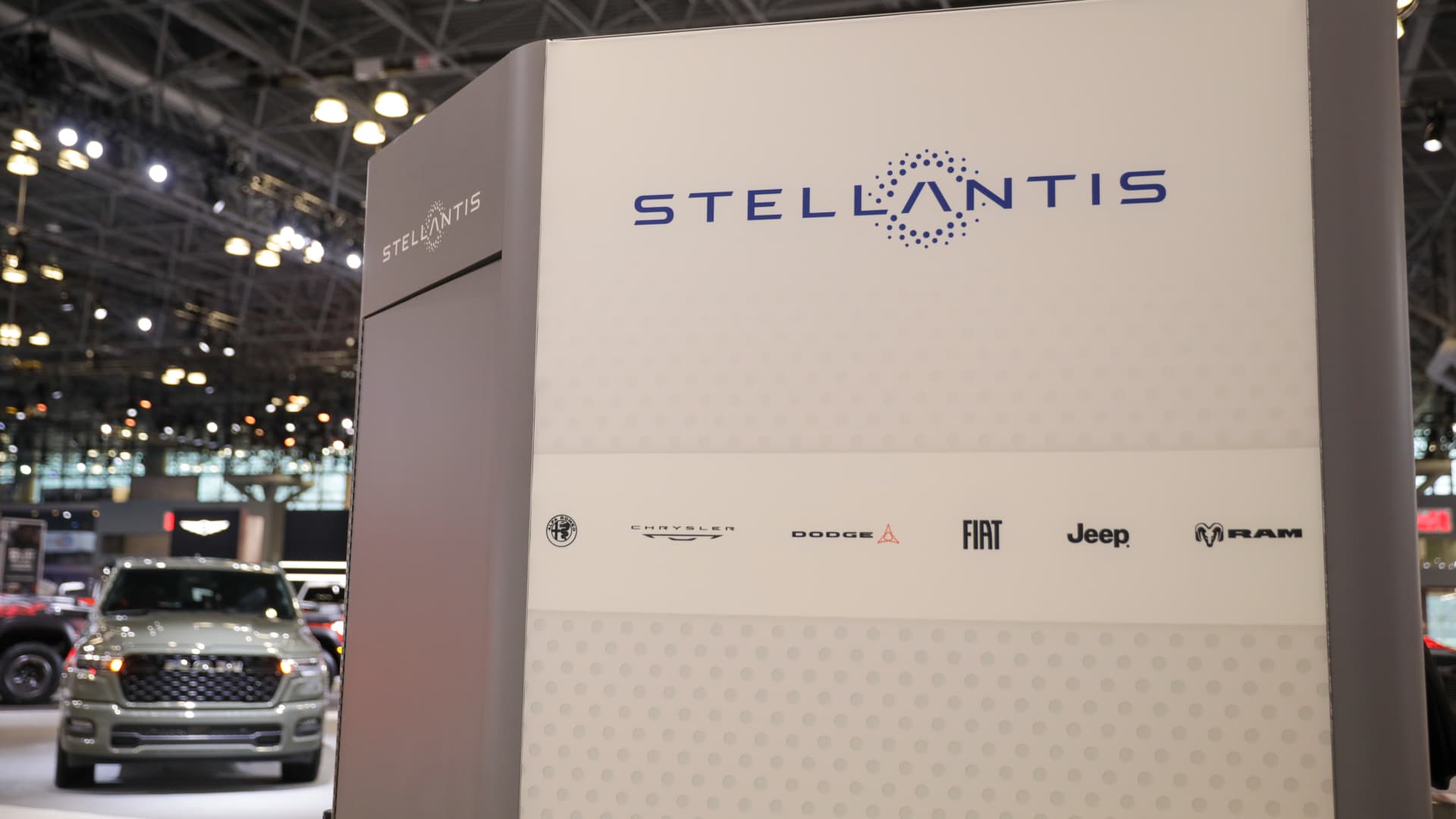
Stellantis, the automotive giant, has unveiled an ambitious $70 billion turnaround plan aimed at revitalizing its diverse portfolio and achieving positive free cash flow by 2028. This comprehensive five-year strategy, dubbed ‘FaSTLAne 2030,’ signals a critical juncture for the automaker as it navigates the complex transition in the global automotive industry. The Stellantis Turnaround Plan is a significant declaration of intent from CEO Antonio Filosa, less than a year into his tenure.
🗝️ Corporate Strategy Insights
- Massive Investment Scale. Stellantis commits nearly $70 billion over five years to product development and technological innovation, underscoring a belief in its multi-brand strategy.
- Focus on Cash Flow and Efficiency. The plan explicitly targets positive free cash flow by 2028 and aims for €6 billion in annual cost savings, directly addressing past financial challenges.
- Balanced Powertrain Approach. Unlike its prior focus, Stellantis is now investing in a mix of all-electric, hybrid, and traditional internal combustion engines, reflecting a pragmatic market adaptation.
The ‘FaSTLAne 2030’ initiative outlines a strategic allocation of €60 billion (approximately $69.7 billion USD), with the bulk—€36 billion—earmarked for its extensive stable of automotive brands. This substantial capital injection will fuel the launch of over 60 new vehicles and significant refreshes for 50 existing models. Notably, this investment will span a diverse range of powertrains, including all-electric vehicles (EVs), hybrids, and traditional internal combustion engines (ICEs), signaling a departure from a previously exclusive all-electric focus that led to a €22 billion restructuring charge last year.
The remaining €24 billion will be channeled into advancing global vehicle platforms and developing new technologies integral to Stellantis’s future product roadmap. This dual approach emphasizes both brand-specific product innovation and foundational technological advancements, crucial for long-term competitiveness. The automotive conglomerate reported a €22.3 billion loss last year, making the ambitious target of achieving positive free cash flow by 2028 a cornerstone of this new directive, complemented by a goal of €6 billion in annual cost savings. This aggressive push for financial stability and operational efficiency is critical for market confidence and sustainable growth, as observed in recent corporate growth narratives.
- Key Investment Areas:
- Product Portfolio Expansion: 60 new models and 50 refreshes across EVs, hybrids, and ICE.
- Technological Advancement: Significant capital towards global platforms and new automotive technologies.
- Operational Streamlining: Aiming for €6 billion in annual cost savings by 2028.
While no brands will be eliminated from Stellantis’s 14-brand roster, the plan includes consolidating the operations of European units DS and Lancia into Citroen and Fiat, respectively. This move suggests a strategic streamlining of brand management and resource allocation within its massive empire. Fiat, alongside Jeep, Ram Trucks, and Peugeot, are designated as ‘global brands,’ a clear indication of where the company sees its primary international growth vectors.
The aggressive Stellantis Turnaround Plan will likely send ripples across the global automotive landscape. The significant investment in new product development, particularly across multiple powertrain types, indicates a direct challenge to competitors who have committed solely to an all-electric future, such as Tesla or newer EV startups. By embracing a hybrid approach, Stellantis aims to capture a broader market segment, appealing to consumers with varying preferences for electrification and traditional engines. This strategic flexibility could enable faster market share capture in regions less prepared for full EV adoption or those with less developed charging infrastructures. For rivals like General Motors and Ford, who are also balancing ICE and EV investments, Stellantis’s €6 billion cost-saving target introduces a new benchmark for operational efficiency. The consolidation of European brands like DS and Lancia under Fiat and Citroen could also free up resources, allowing these ‘global brands’ to intensify their focus on key markets and compete more effectively against Volkswagen Group’s diverse offerings or Toyota’s hybrid dominance. This strategic shift could lead to more competitive pricing and faster product cycles, impacting the overall market dynamics in major automotive hubs.
‘The FaSTLAne 2030 plan is a bold declaration by Stellantis to leverage its massive brand portfolio and achieve financial resilience. The pivot to a multi-powertrain strategy, coupled with aggressive cost-cutting, reflects a pragmatic response to market realities and a clear intent to prioritize sustainable cash flow over an all-in bet on electrification. This strategic recalibration could define its competitive stance for the next decade.’
To underscore the turnaround ambition, several key financial and operational targets have been set:
| Metric | Target (by 2028) | Significance |
|---|---|---|
| Total Investment | €60 Billion ($69.7 Billion USD) | Fuels product development and technology innovation across all brands. |
| Annual Cost Savings | €6 Billion | Critical for improving profitability and operational efficiency. |
| Free Cash Flow | Positive | Reverses recent losses (€22.3B last year) and ensures financial health. |
| New Vehicle Launches | More than 60 | Expands market presence and modernizes brand offerings. |
| Vehicle Refreshes | 50 Models | Keeps existing lineup competitive and appealing. |
These metrics highlight a clear roadmap towards financial recovery and market leadership, emphasizing investment discipline and a diversified product strategy.
Stellantis Industry Benchmarking: How Its Strategy Compares
Stellantis’s diversified powertrain strategy contrasts sharply with some competitors like General Motors, which initially aimed for an all-electric future but has since adjusted, or Volkswagen, which maintains a strong EV push alongside robust ICE sales. By explicitly committing to all three—EVs, hybrids, and ICEs—Stellantis positions itself to capture market demand across a wider spectrum of customer readiness for electrification. This approach, while potentially diluting resources compared to a hyper-focused strategy, offers resilience against volatile market shifts and regulatory changes impacting EV adoption rates. In terms of brand management, its decision to retain all 14 brands, even with operational consolidations, differs from some rivals who have divested non-core assets. This suggests a long-term belief in the collective power of its brand portfolio to drive regional and global growth, a strategy that requires immense investment analysis and careful execution. This balancing act of brand preservation, technological diversification, and aggressive cost reduction places Stellantis in a unique, yet challenging, position compared to its peers.
Stellantis Competitive Advantages in a Shifting Market
Stellantis possesses several inherent advantages that could bolster its ambitious turnaround. Its sheer scale, borne from the merger of Fiat Chrysler Automobiles and PSA Group, grants it significant leverage in procurement, manufacturing, and global distribution. This vast operational footprint allows for economies of scale that smaller, pure-play EV manufacturers cannot replicate. Furthermore, its iconic brands like Jeep and Ram Trucks command strong brand loyalty and pricing power, especially in lucrative SUV and pickup truck segments, providing a stable revenue base while newer technologies are developed. The company’s strategic decision to focus €24 billion on common platforms and new technologies also implies greater component sharing and development efficiency across its brands, reducing per-model costs. This extensive global presence and diverse brand appeal, combined with a pragmatic, multi-faceted investment in future propulsion technologies, represent a compelling platform for renewed market leadership, particularly in emerging markets where ICE and hybrid vehicles may remain dominant for longer. Read more about educational insights into corporate strategy.
Stellantis’s Future Path: Navigating Innovation and Efficiency
The ‘FaSTLAne 2030’ plan represents a pivotal moment for Stellantis, signaling a determined effort to reclaim financial footing and solidify its market position through balanced innovation and aggressive efficiency. CEO Antonio Filosa’s vision prioritizes a pragmatic approach to electrification while leveraging the strength of its expansive brand portfolio.
- The strategic plan is an explicit acknowledgment of the market’s evolving demand for diverse powertrains.
- Achieving positive free cash flow by 2028 is a non-negotiable financial imperative, vital for investor confidence.
- Operational streamlining and brand consolidation aim to unlock significant synergies and reduce structural costs.
Can Stellantis effectively execute this multi-faceted strategy amidst intense competition and a rapidly evolving regulatory landscape?
📊 StockXpo Analyst’s View
Market Impact: Stellantis’s strategic plan is likely to be viewed positively by investors, especially the clear commitment to positive free cash flow and a diversified product roadmap, which mitigates single-technology risk. The announcement could stabilize market sentiment around the automaker, potentially attracting long-term value investors interested in its brand strength and renewed focus on operational efficiency. The market may also react favorably to the pragmatic approach to electrification rather than an ‘all-in’ gamble.
Sector To Watch: The broader automotive sector will be keenly observing Stellantis’s execution, particularly how its multi-powertrain strategy impacts market share against pure-play EV manufacturers and traditional competitors. Suppliers to the automotive industry, especially those capable of supporting both ICE and EV component production, may see increased demand. Investors should monitor EV battery technology and charging infrastructure developments as key determinants of long-term sector winners. For real-time updates on market movements, consider checking global financial markets.
Financial Disclaimer:
StockXpo.com is a financial news aggregator and educational portal, not a registered investment advisor or broker-dealer. All information, news, and analysis provided herein are strictly for educational purposes and do not constitute investment, financial, legal, or tax advice. Investing in the stock market involves high risks, and past performance is not indicative of future results. StockXpo will not be liable for any financial losses or investment damages. Always consult a certified financial advisor before making market decisions.
MORE IN INSIDE BUSINESS

Assortment Trimming: Retailers Redefine Growth Through Operational Efficiency
Published: Saturday, October 10, 2026 · 8:31 AM
Saudi Arabia Flight Decision: Delta Weighs Safety Amid Regional Tensions
Published: Friday, October 9, 2026 · 7:21 AM