Published: Sunday, May 17, 2026 · 4:29 PM | Updated: Sunday, May 17, 2026 · 4:29 PM
📊 316 views




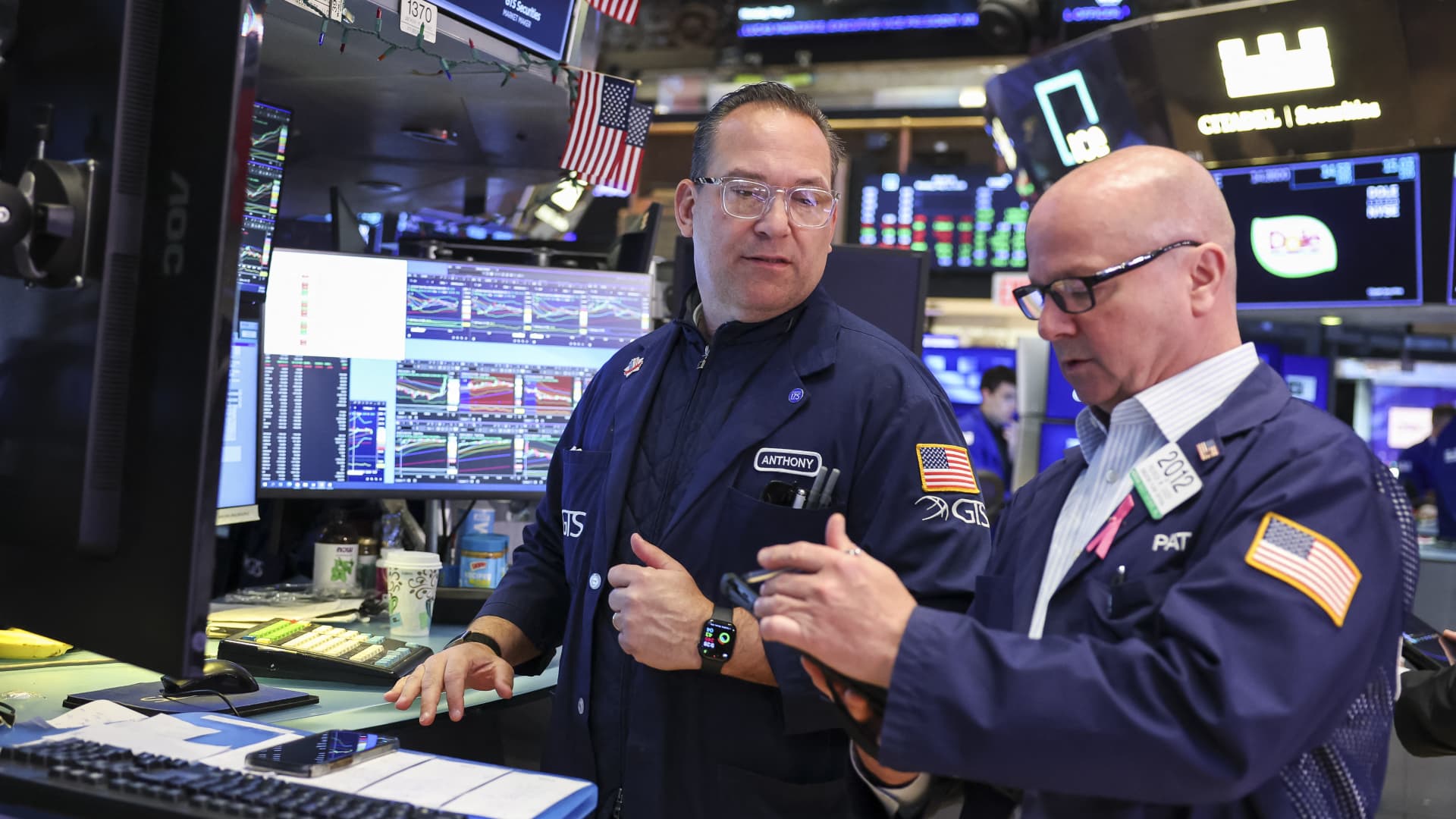
As artificial intelligence reshapes industries, a compelling new investment theme — HALO Stocks — is emerging, offering a strategic haven for portfolios seeking resilience against technological disruption. This counter-cyclical approach, championed by market leaders like Goldman Sachs and Morgan Stanley, signals a significant capital rotation towards companies underpinned by physical assets and enduring operational necessity.
💰 Financial Strategy & Market Insights
- AI Resilience as a Core Strategy. Investors are pivoting to companies with physical assets that AI cannot easily replace, viewing them as immune to tech disruption.
- Capital Shift to Tangible Assets. The ‘HALO’ (heavy assets, low obsolescence) theme emphasizes businesses like transportation and utilities, which require significant physical infrastructure.
- Strong Market Performance. HALO stocks, including FedEx and ExxonMobil, have demonstrated robust growth, attracting institutional interest and validating the investment thesis.
The market is currently witnessing a pronounced liquidity shift, with investors increasingly concerned about the vulnerability of certain sectors to AI-driven obsolescence. This concern is fueling a rotation into companies defined by ‘heavy assets, low obsolescence’ – a concept, dubbed HALO Stocks, by Josh Brown of Ritholtz Wealth Management.
This investment thesis posits that while AI can transform operational efficiencies, it cannot eliminate the fundamental need for tangible assets and physical services. Goldman Sachs (GS) and Morgan Stanley (MS) have already integrated this theme into their research, highlighting its growing influence on investment trends and asset valuation.
Indeed, the performance of early HALO examples supports this conviction. FedEx (FDX) and ExxonMobil (XOM) have seen gains close to 30% since the start of the year, while Coca-Cola (KO) is up approximately 17%. This competitive context suggests a compelling alternative to growth-at-any-cost strategies, particularly when compared to broader market trends.
Roundhill Investments recently launched the Roundhill Halo ETF (LOHA), tracking an index that screens U.S. companies based on their physical assets and infrastructure immunity to AI. These sectors range from industrials to transportation and mining, underscoring the broad applicability of the HALO framework across the economy.
- HALO stocks are characterized by physical assets crucial for revenue generation that AI cannot replace.
- Their operational durability ensures that AI enhances, rather than eliminates, the need for their core services.
- Institutional backing from major financial institutions underlines the growing confidence in this theme.
This trend offers a notable contrast to the recent struggles of software companies like Adobe (ADBE), ServiceNow (NOW), and Salesforce (CRM), which have seen their valuations reset as investors reassess AI’s potential to disrupt their business models. This signals a major shift in institutional capital flow.
Navigating Investment Upside and Downside Risks
For investors considering this pivot towards tangible assets, understanding the inherent risks and rewards is paramount for effective risk management.
- Upside Potential:
- Long-term Resilience: AI-resistant business models offer stability against disruptive technological shifts, providing a defensive hedge in volatile markets.
- Portfolio Diversification: Provides a counterbalance to tech-heavy portfolios, potentially reducing overall portfolio volatility and enhancing returns through varied sector exposure.
- Stable Cash Flows: Many heavy asset companies possess mature cash flows, often supporting consistent dividend payments and shareholder returns.
- Downside Risks:
- Capital Intensity: Heavy asset companies frequently require significant capital expenditure, which can impact free cash flow generation and restrict rapid growth.
- Economic Sensitivity: Sectors like industrials and transportation are highly cyclical, making them susceptible to economic downturns and fluctuations in demand.
- Regulatory Hurdles: Industries reliant on physical infrastructure often face complex and evolving regulatory environments, introducing operational uncertainties and compliance costs.
Capital rotation, in finance, refers to the strategic reallocation of investment funds from one sector or asset class to another, typically in response to changing market conditions, economic outlooks, or perceived growth opportunities. This signals a major shift in institutional capital flow.
Selected HALO Stock Performance (YTD)
| Stock | Performance Since Year Start |
|---|---|
| FedEx (FDX) | ~30% |
| ExxonMobil (XOM) | ~30% |
| Coca-Cola (KO) | ~17% |
HALO Stocks Market Sentiment Tracker
Investor sentiment, often driven by fear and greed, is currently exhibiting a distinct pivot. The initial euphoria surrounding pure AI plays is giving way to a more nuanced appreciation for foundational industries. This shift reflects a growing desire for stability and predictable earnings in an increasingly unpredictable technological landscape. For comprehensive market analysis, visiting StockXpo for market analysis can provide further insights.
Transportation Sector Historical Benchmarking
The transportation sector, a significant component of HALO, has historically shown resilience during periods of rapid technological evolution. While innovation has always shaped logistics, the fundamental need for physical movement of goods has endured. Comparing current performance with past cycles suggests that while the operational landscape may change, the core value proposition of these heavy asset companies remains strong. Discover more about this in the global market trends.
HALO Investment Strategies: Adapting to the AI Era
The rise of HALO Stocks signifies a critical turning point in investment strategy, moving beyond speculative growth into tangible asset protection. This theme is not merely a hedge against AI, but a proactive approach to investing in companies whose enduring value is enhanced, not threatened, by technological advancement. Investors are seeking out durable businesses in a rapidly evolving financial landscape, redefining what constitutes a resilient portfolio.
- Consider diversifying portfolios with companies possessing strong physical asset bases and operational longevity.
- Evaluate the long-term impact of AI on core business models, prioritizing those where AI is a productivity enhancer rather than a disruptor.
- Monitor capital rotation trends for further shifts from purely digital plays to fundamental infrastructure and goods providers, reflecting broader economic sentiment.
How will this evolving preference for tangible assets reshape long-term capital allocation strategies and market liquidity in the years to come?
📊 StockXpo Analyst’s View
Market Impact: This growing emphasis on HALO Stocks signifies a maturation of investor sentiment, moving beyond the initial AI hype towards a more balanced appreciation of foundational economic pillars. It indicates a potential recalibration of market liquidity, with capital flowing from overvalued growth segments into stable, infrastructure-heavy industries. This shift reflects a cautious but strategic approach to risk management.
Sector To Watch: We anticipate continued investor interest in core industrial, transportation, and utilities sectors, which form the bedrock of the HALO thesis. Companies involved in logistics (e.g., TFII, CSX, JBHT), essential goods production, and physical infrastructure maintenance are likely to see sustained attention, offering compelling asset valuation opportunities.
Financial Disclaimer:
StockXpo.com is a financial news aggregator and educational portal, not a registered investment advisor or broker-dealer. All information, news, and analysis provided herein are strictly for educational purposes and do not constitute investment, financial, legal, or tax advice. Investing in the stock market involves high risks, and past performance is not indicative of future results. StockXpo will not be liable for any financial losses or investment damages. Always consult a certified financial advisor before making market decisions.
MORE IN INSIDE FINANCE

AI Stock Boom Fuels $67 Billion Equities Growth for Wall Street Giants
Published: Wednesday, October 21, 2026 · 11:03 AM

New Risks Emerge: Global Finance Chiefs Highlight Debt, AI, and Geopolitical Volatility
Published: Tuesday, October 20, 2026 · 2:12 AM