Published: Saturday, May 16, 2026 · 3:23 PM | Updated: Saturday, May 16, 2026 · 3:23 PM
📊 312 views




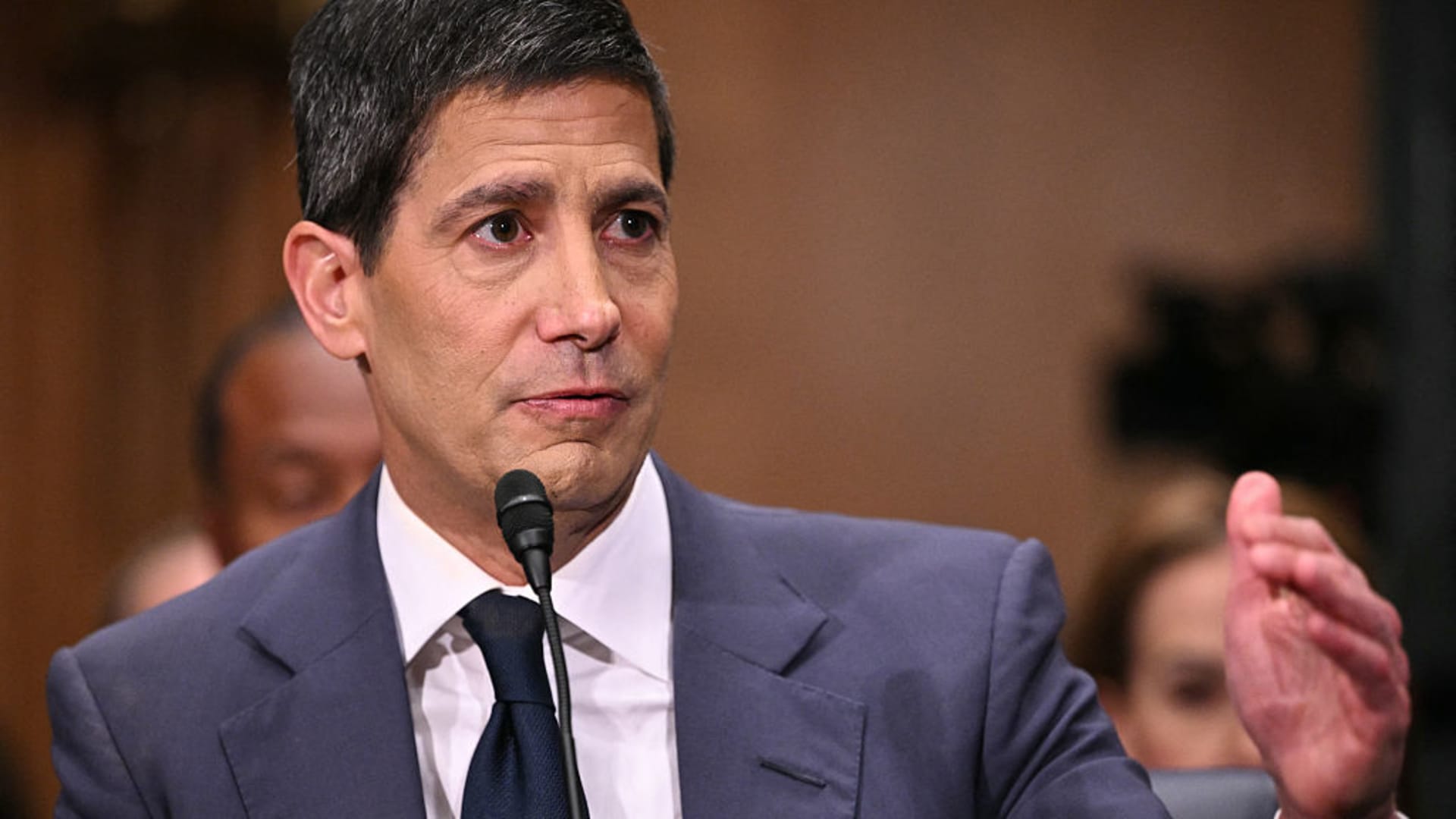
The Federal Reserve’s new Chair, Kevin Warsh, steps into a complex policy environment marked by significant inflation pressures and diverging views on interest rate policy. This imminent ‘family fight’ over monetary easing could significantly impact market liquidity and capital flows in the coming months.
💰 Financial Strategy & Market Insights
- Inflationary Headwinds. Rising inflation levels present a direct challenge to any proposed interest rate cuts, potentially forcing the Fed to maintain a hawkish stance.
- Divergent Policy Views. A palpable dissent within the Federal Open Market Committee (FOMC) regarding the next policy move indicates a challenging path for Warsh to forge consensus.
- Forward Guidance Debate. Warsh’s skepticism towards forward guidance and the ‘dot plot’ could lead to a shift in Fed communication strategies, impacting market expectations.
Kevin Warsh, the new nominee for US Federal Reserve Chair, enters a critical juncture where his inclination for interest rate cuts clashes directly with prevailing inflationary concerns and a hawkish sentiment among some Fed officials. This dynamic sets the stage for a significant policy debate within the Federal Open Market Committee (FOMC).
With inflation already spiking and Treasury yields on an upward trajectory, Warsh’s advocacy for easing monetary policy is likely to be met with considerable resistance. Several FOMC members have recently underscored the necessity for the Fed to preserve its flexibility for potential rate hikes, underscoring the depth of the disagreement.
While former Governor Stephen Miran was perceived as a lone voice advocating for rate reductions, Warsh’s potential defiance of his peers on this matter will amplify the internal policy discourse. Observers anticipate that Warsh will present robust arguments for rate cuts, rooted in his structural economic analysis, though achieving short-term success in this environment appears improbable.
Navigating Rampant Dissent at the Fed
At the most recent FOMC meeting, three members voted against the policy statement, specifically taking issue with language that investors interpreted as a signal for an impending rate cut. This sentence, “In considering the extent and timing of additional adjustments to the target range for the federal funds rate, the Committee will carefully assess incoming data, the evolving outlook, and the balance of risks,” highlighted the committee’s divided sentiment.
Warsh’s potential to influence the committee to remove such forward-looking statements could be an early imprint on the Fed’s communication strategy. This move would align with his known disdain for explicit forward guidance and could foster a more agile policy framework, preserving optionality for future rate adjustments.
This dissent, however, signifies a broader challenge. For investors, this means increased uncertainty around the Fed’s future path, potentially leading to higher market volatility. Understanding these internal discussions is crucial for anticipating capital rotation.
Facing Presidential Expectations
President Donald Trump, who nominated Warsh, has consistently expressed a desire for lower interest rates. Any failure by Warsh to deliver on this expectation could mirror the contentious relationship President Trump had with former Chair Jerome Powell, characterized by personal attacks and significant discord between the administration and the central bank.
The challenge for Warsh is to navigate these expectations without undermining his credibility as Fed Chair. Presenting dissenting opinions publicly without achieving consensus could weaken his position and the Fed’s institutional independence. This signals a complex balancing act between political pressure and monetary policy imperatives.
For long-term portfolio managers, the lack of clear forward guidance could necessitate a more dynamic hedging strategy. This development highlights a potential shift in institutional capital flow away from predictable policy environments.
The Fed’s internal dynamics are complex, with chairs historically working to build consensus before meetings. This collaborative approach is essential for maintaining market confidence and effectively managing the economy through turbulent periods.
The Art of Making a Persuasive Case
Former Governor Miran emphasized that Fed officials are responsive to well-reasoned arguments, noting that his contrarian views gradually gained traction. This suggests that Warsh, despite the current challenging climate, has a pathway to influence policy over time through persistent, data-driven advocacy.
Warsh faces additional communication hurdles beyond interest rate policy. His past criticisms of forward guidance, the ‘dot plot,’ and even post-meeting press conferences, which were instituted by Powell, indicate a potential reevaluation of the Fed’s transparency mechanisms.
Former Fed official Bill English believes Warsh is adept at collaboration and will likely seek consensus. His experience suggests Warsh will prioritize reasoned arguments and data to guide the committee’s decisions, aiming to move the panel incrementally rather than force immediate, contentious changes.
Forecasting Kevin Warsh’s Fed Policy Trajectory
The immediate outlook for Kevin Warsh’s tenure at the Federal Reserve is one of intense scrutiny, particularly concerning his stance on interest rates amidst elevated inflation. While his preference for rate cuts is clear, the current economic climate and internal FOMC dissent present formidable obstacles. This situation demands a nuanced approach to monetary policy, balancing immediate inflationary pressures with long-term economic stability goals.
- The Fed faces a critical decision point regarding its monetary policy stance, with inflation acting as a primary constraint on potential rate cuts.
- Kevin Warsh’s ability to forge consensus within the FOMC will be a key determinant of his effectiveness as Chair.
- Market participants should closely monitor the Fed’s communication strategy for shifts in forward guidance and policy signaling.
Will Warsh’s push for rate cuts ultimately prevail, or will the current inflationary surge dictate a more restrictive monetary path?
📊 StockXpo Analyst’s View
Market Impact: The internal policy friction at the Fed creates an environment of uncertainty, potentially leading to increased volatility in equity and bond markets. Investors should brace for a period where market sentiment is heavily swayed by any signals of widening dissent or emerging consensus within the FOMC.
Sector To Watch: Sectors sensitive to interest rate changes, such as technology and real estate, will be under particular pressure. Conversely, industries that benefit from inflationary environments, like commodities and certain basic materials, may see increased investor interest as capital seeks refuge.
Financial Disclaimer:
StockXpo.com is a financial news aggregator and educational portal, not a registered investment advisor or broker-dealer. All information, news, and analysis provided herein are strictly for educational purposes and do not constitute investment, financial, legal, or tax advice. Investing in the stock market involves high risks, and past performance is not indicative of future results. StockXpo will not be liable for any financial losses or investment damages. Always consult a certified financial advisor before making market decisions.
MORE IN INSIDE FINANCE
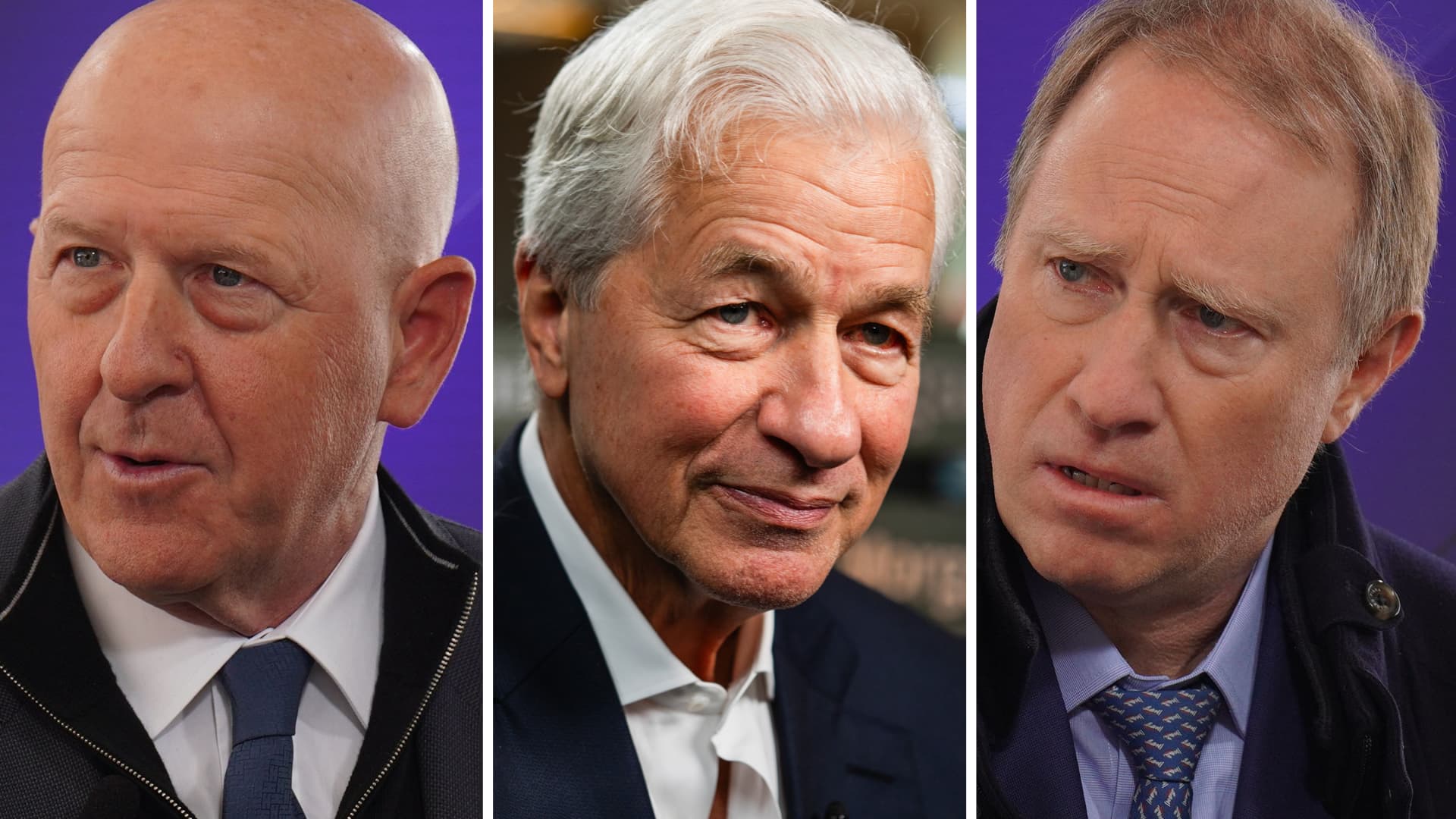
AI Stock Boom Fuels $67 Billion Equities Growth for Wall Street Giants
Published: Wednesday, October 21, 2026 · 11:03 AM
New Risks Emerge: Global Finance Chiefs Highlight Debt, AI, and Geopolitical Volatility
Published: Tuesday, October 20, 2026 · 2:12 AM