Published: Thursday, September 24, 2026 · 9:55 PM | Updated: Thursday, September 24, 2026 · 9:55 PM
📊 151 views




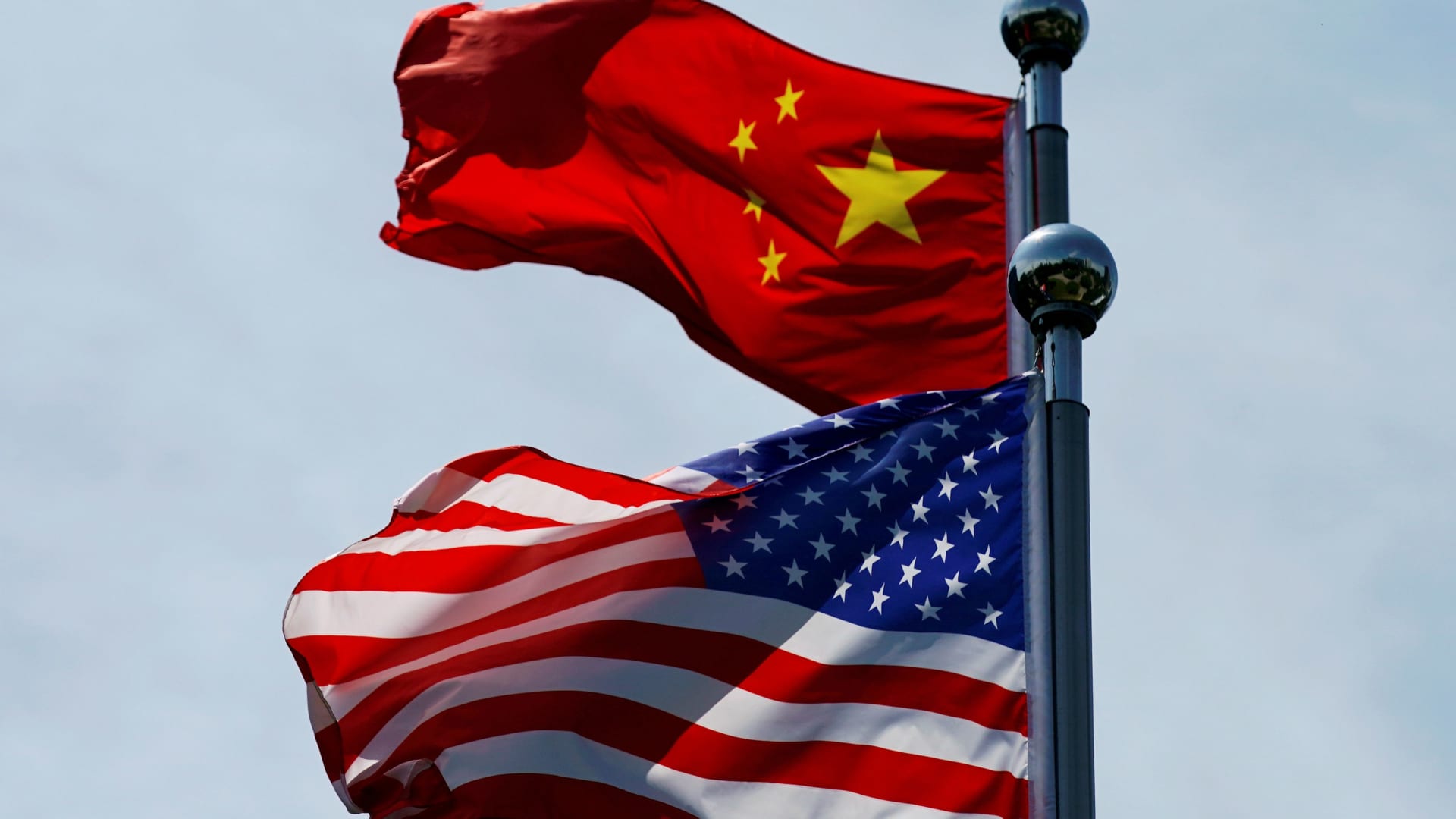
The recent state dinner hosted by President Donald Trump for Chinese President Xi Jinping offered a unique glimpse into the intersection of geopolitical relations and high-level business strategy, signaling potential shifts in market sentiment and investment appetites. The exclusive gathering brought together key figures from both governments and prominent leaders from the U.S. technology and finance sectors.
💰 Financial Strategy & Market Insights
- Geopolitical Alignment Impacts Tech Investment. The presence of major U.S. tech CEOs at a state dinner with Chinese leadership suggests a complex relationship where strategic dialogue is prioritized, potentially influencing capital allocation and market access for these firms.
- Financial Sector Engagement Signals Confidence. High-profile financial executives’ attendance indicates a level of confidence in ongoing U.S.-China economic relations, which could translate to increased cross-border investment flows and stability in asset valuation.
- Industry Leaders as Diplomatic Liaisons. The inclusion of executives from companies like Apple, Nvidia, and Meta underscores the growing role of corporate leaders in diplomatic dialogues, potentially shaping future trade policies and regulatory environments affecting global markets.
The guest list for the state dinner, featuring over 100 individuals, was notably dominated by U.S. government officials and prominent business leaders, alongside their Chinese counterparts and President Xi Jinping. This deliberate composition highlights the administration’s focus on fostering dialogue across critical sectors, particularly technology and finance. The attendance of tech titans such as Tim Cook of Apple, Jensen Huang of Nvidia, Lisa Su of AMD, and Elon Musk alongside OpenAI’s Sam Altman and Meta’s Mark Zuckerberg, signals a desire to maintain channels of communication amidst ongoing trade discussions. This level of engagement from industry heavyweights can be interpreted as a proactive approach to navigating the intricate U.S.-China economic relationship, with direct implications for global market liquidity and investment trends. Understanding these high-level interactions is crucial for assessing the broader market sentiment and potential capital shifts in the technology sector, as detailed in this market analysis.
Tech Giants at the Table: Asset Valuation Implications
The presence of leading figures from Apple, Nvidia, Meta, and AMD at the state dinner suggests that these companies are actively involved in discussions that could shape their future market access and operational strategies. For investors, this high-level engagement indicates that geopolitical stability is a key factor influencing asset valuation in the tech sector. Shifts in U.S.-China relations can directly impact supply chains, consumer demand, and regulatory landscapes, all of which are critical determinants of a company’s financial performance. The inclusion of representatives from OpenAI and the noted absence of Anthropic also point to specific areas of focus within the rapidly evolving artificial intelligence landscape, potentially signaling future investment priorities and competitive dynamics. This situation highlights the interconnectedness of global economies and the need for continuous monitoring of geopolitical events for actionable financial sector insights.
While the official agenda focused on diplomatic courtesies and cultural exchange, the informal discussions among attendees likely touched upon the economic ties and trade policies that bind the two global powers. The White House’s emphasis on a balanced representation from both government and the private sector underscores the administration’s strategy of leveraging corporate influence in diplomatic outreach. The nature of the dialogue and any private agreements or understandings reached could have a ripple effect across various asset classes, influencing international trade volumes and investment decisions worldwide. This diplomatic overture, while primarily political, serves as a significant indicator for market participants gauging the future direction of global economic cooperation.
- Upside: Improved U.S.-China relations could lead to increased trade, easing supply chain pressures, and renewed investor confidence in tech stocks, potentially boosting asset valuations.
- Downside Risks: Escalation of trade tensions or unresolved disputes could lead to market volatility, retaliatory tariffs, and a slowdown in cross-border technology investments, negatively impacting corporate earnings.
The strategic inclusion of technology and finance leaders in high-level state dinners underscores the evolving landscape where economic diplomacy plays a pivotal role in shaping market liquidity and investment trends. These events are not merely ceremonial; they represent crucial nodes for understanding the subtle but significant shifts that influence global capital flows and asset management strategies.
Apple’s Market Sentiment Tracker
Apple, a perennial bellwether in the global tech industry, was represented by its Chairman, Tim Cook. Its consistent participation in such high-profile dialogues suggests a commitment to navigating the complex U.S.-China economic environment. The company’s ability to maintain strong market sentiment and robust asset valuation is often tied to its access to both manufacturing capabilities in China and its vast consumer base. Any perceived improvement or deterioration in U.S.-China trade relations directly correlates with investor confidence in Apple’s future earnings potential, making its presence at the dinner a notable signal for market sentiment tracking.
Nvidia’s Yield Curve Dynamics
Nvidia, a leader in advanced semiconductor technology crucial for AI and high-performance computing, had its CEO, Jensen Huang, in attendance. The company’s financial performance and stock valuation are heavily influenced by global demand for its chips, particularly from China. Discussions at the state dinner could impact policies related to technology export controls or market access, directly affecting Nvidia’s revenue streams and, by extension, its yield curve dynamics. Investor focus will remain on how these geopolitical interactions translate into tangible market opportunities or constraints for the company.
The Ripple Effect of Trump-Xi State Dinner on 2026 Markets
The strategic dialogue between U.S. and Chinese leadership, underscored by the high-profile attendance at the state dinner, provides critical signals for the 2026 market landscape. The engagement signals a deliberate effort to manage the complex economic interdependence between the two nations, which directly influences global trade policies and investment flows. This proactive diplomatic approach, involving key industry players, suggests a pathway toward mitigating potential market disruptions and fostering an environment conducive to continued growth in sectors such as technology and advanced manufacturing.
- The dinner highlights the administration’s focus on economic diplomacy as a tool for managing U.S.-China relations.
- Key tech and finance leaders’ presence indicates their active role in shaping future bilateral economic policies.
- This engagement aims to foster stability and predictability, crucial elements for global market liquidity and investor confidence.
What will be the long-term implications of this high-level economic dialogue on cross-border venture capital investment and emerging technology valuations?
📊 StockXpo Analyst’s View
Market Impact: The Trump-Xi state dinner, by bringing together U.S. and Chinese leadership alongside industry titans, signifies a strategic effort to balance geopolitical tensions with economic interdependence. This can lead to improved market sentiment and potentially more stable capital flows, particularly within the technology sector. The focus on dialogue rather than immediate confrontation may reduce short-term volatility, offering a more predictable environment for investment decisions and asset allocation strategies. Investors should monitor U.S.-China trade policy developments closely for potential impacts on global supply chains and market access.
Sector To Watch: The technology sector, particularly AI and semiconductor companies, is paramount. The active participation of CEOs from leading firms in these fields suggests ongoing efforts to navigate regulatory hurdles and market access challenges. Companies with significant exposure to the Chinese market or those reliant on international supply chains will be closely watched for their strategic adaptations and performance in light of these diplomatic engagements. The continued emphasis on dialogue by both nations may provide a more favorable environment for innovation and investment in these critical areas.
Financial Disclaimer:
StockXpo.com is a financial news aggregator and educational portal, not a registered investment advisor or broker-dealer. All information, news, and analysis provided herein are strictly for educational purposes and do not constitute investment, financial, legal, or tax advice. Investing in the stock market involves high risks, and past performance is not indicative of future results. StockXpo will not be liable for any financial losses or investment damages. Always consult a certified financial advisor before making market decisions.
MORE IN INSIDE FINANCE
China Market Access: Unlocking New Growth Avenues for US Financial Giants
Published: Friday, October 16, 2026 · 2:39 PM

Rare Earths Exports: China’s Strategic Flow to EU Amidst Geopolitical Volatility
Published: Thursday, October 15, 2026 · 5:56 AM