Published: Sunday, August 30, 2026 · 9:01 AM | Updated: Sunday, August 30, 2026 · 9:01 AM
📊 3 views




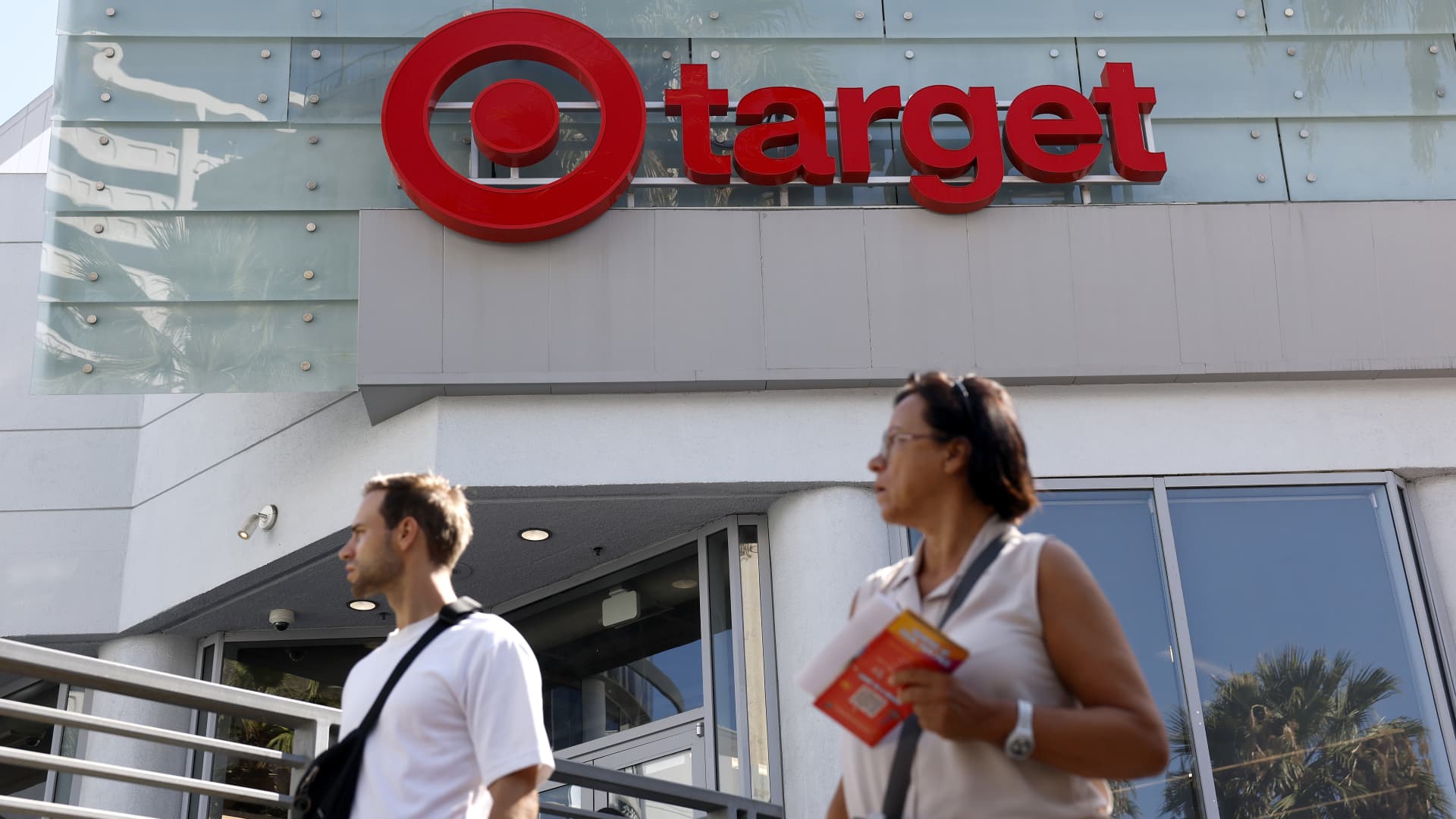
Tariff Refunds have injected a complex dynamic into recent retail earnings, creating a divergence in how major players report and utilize these unexpected windfalls. This ‘choose your own adventure’ scenario challenges Wall Street analysts and investors to look beyond headline numbers, discerning true operational strength from one-time benefits, and understand its impact on long-term portfolio strategy.
💎 Strategic Investment & Portfolio Insights
- Conflicting Strategies. Retailers are split between lowering prices to drive sales (Walmart, Home Depot) and boosting margins/EPS for shareholder returns (Lowe’s, Target).
- Earnings Obscurity. The one-time nature of these refunds significantly skews quarter-over-quarter and year-over-year comparisons, making intrinsic value assessment difficult for investors.
- Future Guidance Volatility. The impact of these refunds will create higher base comparisons for future quarters, necessitating careful adjustments to future earnings expectations.
The Supreme Court’s February ruling, which deemed President Donald Trump’s tariffs unauthorized, unleashed a wave of tariff refunds that began significantly impacting retailers’ Q2 earnings. While these funds primarily served to offset rising costs like fuel and prop up margins, the disparate reporting methods have introduced considerable analytical complexity. Companies like Home Depot received $730 million, dedicating approximately $685 million to reduce the cost of goods sold, a strategy mirrored by Walmart, which expects nearly $2.9 billion in refunds and plans to pass these savings to consumers to foster a ‘value perception’ (CNBC). TJX Cos. similarly funneled its $331 million into offsetting sales costs.
Conversely, other retail giants prioritized shareholder returns. Lowe’s CEO Marvin Ellison explicitly stated the company’s $80 million refund delivered an 11-cent boost to EPS, opting against price reductions. Target reported a substantial $752 million boost to net earnings, or $1.65 per share, and a $994 million pretax benefit to its gross margin, despite also noting price reductions on thousands of items. Kohl’s allocated $100 million to its gross margin, with plans to invest the remainder in inventory. This strategic divergence, as AlixPartners’ Bryan Eshelman noted, hinges on a retailer’s market positioning and ability to attribute refunds effectively.
- Value-Driven Approach: Walmart, Home Depot, TJX leverage refunds to reduce prices, reinforcing customer loyalty and market share in a competitive environment.
- Profitability-Focused Approach: Lowe’s, Target, Kohl’s prioritize margin expansion and direct EPS boosts, appealing to investors seeking stronger bottom-line performance.
The intricate nature of import records and internal accounting further complicates the direct attribution of these rebates to specific products, making it challenging for consumers to quantify the impact of price cuts versus other inflationary pressures like fuel costs. This creates a significant communication and marketing challenge for retailers attempting to convey value to ‘Main Street’.
The recent influx of tariff refunds creates a clear cause-and-effect cascade for portfolio strategists. The initial Policy Change – the Supreme Court’s tariff ruling – triggered a significant Asset Revaluation within the retail sector. Companies that explicitly boosted EPS or margins saw immediate, albeit potentially temporary, uplift, while those investing in price reduction aimed for long-term market share and customer loyalty. This revaluation necessitates careful Portfolio Rebalancing, as investors must critically assess whether reported earnings reflect sustainable operational improvements or one-off gains. The impact also extends to future expectations; inflated Q2 numbers will set a higher bar for comparisons in subsequent quarters, demanding a nuanced approach to forecasting.
‘For discerning investors, the current retail earnings season is less about the headline numbers and more about dissecting the strategic intent behind each company’s tariff refund allocation. We must look beyond the immediate boost and evaluate whether these funds are sowing seeds for future competitive advantage or merely masking underlying operational pressures.’
The varied approaches to tariff refund allocation significantly impacted Q2 financial metrics for major retailers:
| Retailer | Refund Amount (approx.) | Primary Use/Impact | Significance for Investors |
|---|---|---|---|
| Home Depot (HD) | $730 million | $685 million to reduce cost of goods sold. | Signals commitment to competitive pricing, potential long-term sales volume. |
| Walmart (WMT) | $2.9 billion eligible | Primarily for lowering consumer prices, boosted gross profit by 1.6%. | Reinforces value proposition, critical for market share in inflationary environment. |
| TJX Cos. (TJX) | $331 million | Benefited second-quarter cost of sales. | Supports margin stability in discount retail segment, potentially aiding competitive pricing. |
| Lowe’s (LOW) | $80 million | 11-cent boost to EPS. | Directly enhances shareholder profitability, reflects focus on bottom-line growth. |
| Target (TGT) | $752 million net earnings boost | $1.65/share, $994 million pretax benefit to gross margin. | Significant earnings per share enhancement, signaling strong financial health. |
| Kohl’s (KSS) | $100 million+ | $100 million to gross margin, rest for inventory investment. | Balance of short-term margin and long-term operational improvement. |
Retail Sector: Competitive Benchmarking Amidst Windfalls
The varied deployment of tariff refunds provides a unique lens through which to benchmark competitive strategies. Retailers like Walmart and Home Depot, by funneling refunds into price reductions, are actively reinforcing their value propositions in a fiercely competitive and inflationary landscape. This move can bolster customer loyalty and potentially lead to market share gains, positioning them strongly against peers who might face pressure to match prices without similar windfall benefits. Conversely, companies like Lowe’s and Target, by prioritizing gross margin and EPS boosts, are signaling a focus on immediate shareholder returns and balance sheet strength. This approach, while accretive to profitability in the short term, may put them at a disadvantage if competitors significantly lower prices, impacting broader key market insights. The long-term winner will likely be the one whose strategy aligns best with evolving consumer behavior and sustained operational efficiency, not just one-off fiscal boosts.
Assessing Future Value: The Tariff Refund Risk-Reward Matrix
For investors, understanding the risk-reward matrix associated with these tariff refunds is paramount. On the reward side, companies strategically utilizing these funds for price investments or supply chain enhancements could build enduring competitive moats, potentially leading to sustained revenue growth and market dominance. A strong balance sheet from margin boosts also offers resilience. The risks, however, are substantial. The temporary nature of these windfalls means that future quarters will face challenging year-over-year comparisons, potentially creating an optical earnings ‘cliff’ if not managed with transparent guidance. Furthermore, the inability of consumers to quantify actual price cuts versus other inflationary factors complicates the assessment of whether these strategies genuinely translate into long-term customer value. Over-reliance on one-time gains without fundamental operational improvements poses a significant risk to intrinsic value over a sustained period, making careful due diligence essential when evaluating growth prospects for any retail stock within your investment portfolio.
Retailers’ Tariff Windfall: Navigating Post-Refund Valuations
The recent influx of tariff refunds has undoubtedly provided a significant, albeit one-time, boost to retailers’ bottom lines. However, for investors focused on long-term capital preservation and alpha generation, the path forward requires a discerning eye to separate temporary gains from sustainable strategic advancements. The diverse allocation strategies employed by leading retailers underscore the critical importance of understanding each company’s underlying business fundamentals and market positioning beyond these financial windfalls.
- Investors must adjust future earnings forecasts, acknowledging the higher base set by these Q2 windfalls, to avoid an ‘earnings cliff’ next year.
- Focus on retailers whose refund strategies align with their long-term competitive advantages, whether through enhanced value or strengthened operational resilience.
- The clarity and transparency with which companies communicate the impact of these one-time gains will be crucial for maintaining investor confidence.
How will these varied tariff refund strategies ultimately reshape the competitive landscape of the retail sector in the coming years?
📊 StockXpo Analyst’s View
Market Impact: The market’s reaction to these tariff windfalls has been mixed, with some companies seeing short-term bounces based on inflated EPS, while others are being scrutinized for their long-term strategic allocation. Overall investor sentiment in the retail sector now hinges on the transparency of earnings reports and the perceived sustainability of these gains, potentially leading to increased volatility as the street tries to normalize performance across general market analysis.
Sector To Watch: The discount and value-oriented retail segments, exemplified by Walmart and TJX, appear better positioned in the long run if they effectively leverage these refunds to reinforce their pricing advantage amidst persistent inflation. Conversely, home improvement retailers like Home Depot and Lowe’s, while showing strong immediate gains, face scrutiny over whether their chosen strategies will yield comparable long-term benefits once the one-time boost fades.
Financial Disclaimer:
StockXpo.com is a financial news aggregator and educational portal, not a registered investment advisor or broker-dealer. All information, news, and analysis provided herein are strictly for educational purposes and do not constitute investment, financial, legal, or tax advice. Investing in the stock market involves high risks, and past performance is not indicative of future results. StockXpo will not be liable for any financial losses or investment damages. Always consult a certified financial advisor before making market decisions.
MORE IN INSIDE INVESTMENT NEWS
AI Buildout: Alpha Generation Beyond Hyperscalers Fuels Tech Rally
Published: Saturday, August 29, 2026 · 10:26 AM

Marvell shares Tumble 8%: Decoding Investor Expectations and AI Growth
Published: Friday, August 28, 2026 · 6:43 AM