
Published: Wednesday, August 26, 2026 · 1:19 AM | Updated: Wednesday, August 26, 2026 · 1:19 AM
📊 104 views




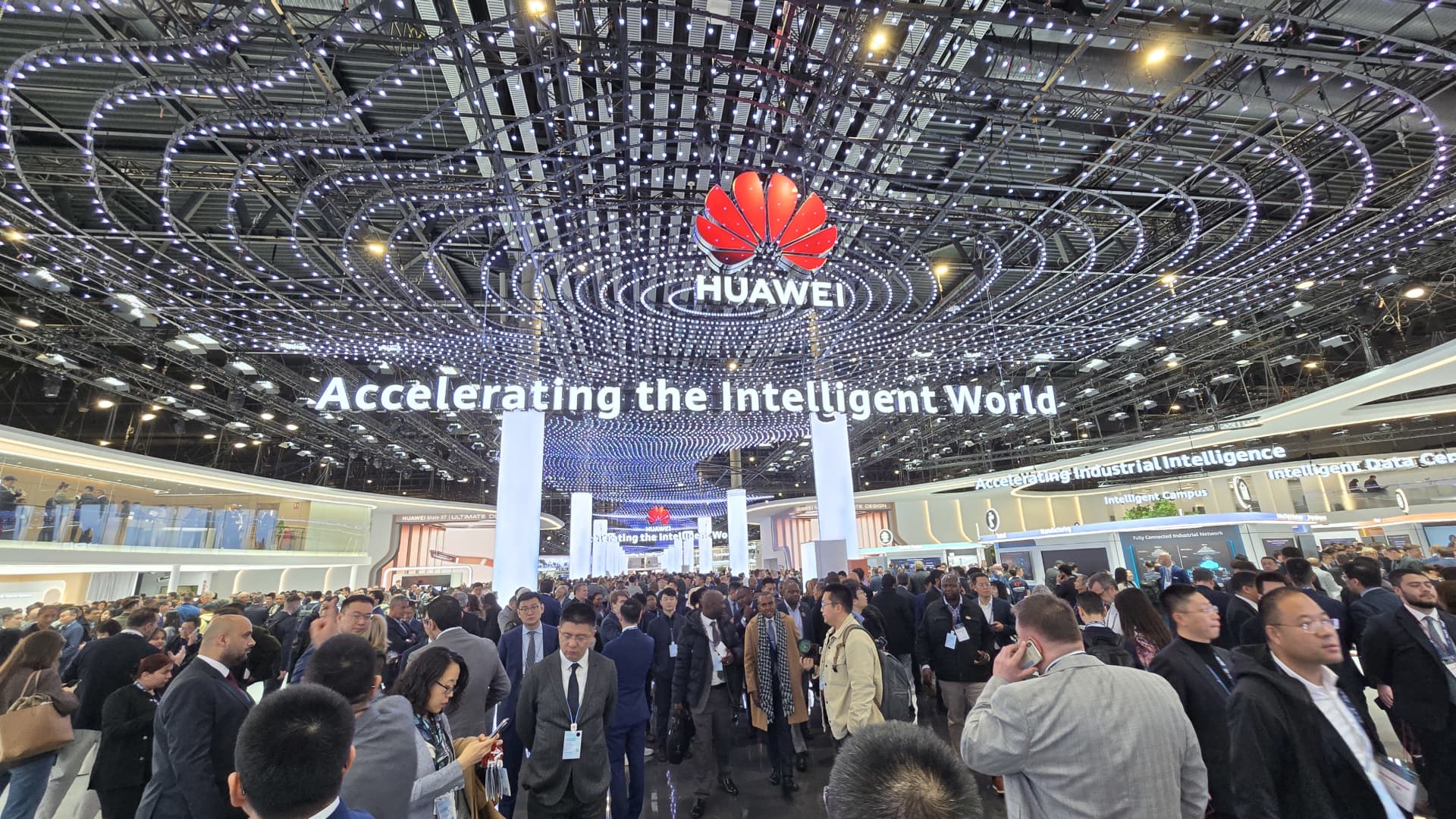
U.S.-based computing giant HP has announced a multi-year global agreement to license WiFi patents from Chinese telecoms firm Huawei, a move that underscores the intricate balance companies must strike between technological necessity and geopolitical constraints. This deal, framed as a standard-essential patent licensing agreement, highlights how major players are adapting their operations amid ongoing U.S. sanctions on Huawei.
💰 Financial Strategy & Market Insights
- Navigating Sanctions with IP Licensing. The HP Huawei partnership illustrates a permissible pathway for intellectual property exchange, distinct from direct commercial collaborations, for companies operating with blacklisted entities. This provides a precedent for others seeking to maintain global product compatibility.
- Reaffirming Huawei’s Patent Value. Despite stringent U.S. restrictions, this agreement underscores the continued global relevance and inherent value of Huawei’s intellectual property in fundamental technologies like WiFi, impacting asset valuation models for its extensive patent portfolio.
- Risk Mitigation for Market Access. By securing a license for standard-essential WiFi patents, HP effectively mitigates potential legal risks and ensures its products adhere to widespread industry standards, safeguarding its market access and operational continuity against IP infringement claims.
HP, a prominent player in personal computing and printing, formalized its multi-year global agreement to license specific WiFi patents from Chinese telecoms behemoth Huawei. This development, publicly announced on Wednesday, takes on particular significance given Huawei’s inclusion on the U.S. entity list in 2019, a designation that has severely limited its engagements with American suppliers. HP clarified that this arrangement constitutes a ‘standard-essential patent license covering Wi‑Fi technology,’ emphasizing that it ‘is not new, does not represent a broader strategic or commercial relationship, partnership, or collaboration with Huawei.’
This crucial market analysis stems from a prior patent dispute involving HP, Huawei, and other technology firms. The dispute’s resolution last fall enabled HP to gain access to the Sisvel WiFi 6 patent pool, a repository of approximately 2,000 patents related to wireless network connectivity. Huawei was a founding member of this pool, highlighting its foundational contributions to WiFi 6 standards. Steven Geiszler, who represented Huawei in the negotiations, affirmed that the global cross-licensing agreement also incorporates ‘valuable reciprocal patent rights from HP,’ underscoring the mutual exchange of intellectual property. This intricate legal framework allows companies to access essential technologies while navigating complex international trade policies, a critical aspect of modern financial sector operations.
Balancing Innovation and Geopolitics: Risks & Rewards
- Upside: Strategic Access and Legal Certainty
- Grants HP crucial access to WiFi 6 standard-essential patents, preventing potential infringement lawsuits and ensuring future product compatibility.
- Reduces R&D costs by leveraging established technology, potentially enhancing operational efficiency and product time-to-market.
- Signals a pragmatic approach to IP disputes, setting a precedent for resolving technology access issues even with sanctioned entities.
- Downside Risks: Reputational and Geopolitical Scrutiny
- Potential for increased scrutiny from U.S. regulators or lawmakers, despite HP’s clarification regarding the deal’s scope.
- Perception risk among some stakeholders who might view any engagement with a blacklisted entity negatively, potentially impacting brand sentiment.
- Future tightening of sanctions could complicate the agreement, introducing uncertainty in long-term technology access and supply chain stability.
A standard-essential patent (SEP) is a patent that claims an invention that must be used to comply with a technical standard, such as WiFi. Licensing SEPs, often facilitated through patent pools, is vital for interoperability and the widespread adoption of technologies across various devices and manufacturers. It allows companies to avoid fragmented licensing disputes and ensures their products conform to industry norms, thereby preventing accusations of infringement and fostering a more cohesive technological ecosystem.
HP Liquidity Analysis: Navigating Patent Obligations
HP’s latest earnings report is anticipated shortly, providing a window into its current financial health and liquidity position. While the exact financial terms of the WiFi patent licensing deal with Huawei were not disclosed, such agreements typically involve upfront payments or ongoing royalties. These obligations are generally managed through existing cash flows or, if substantial, can impact short-term liquidity. For a company of HP’s scale, with robust operational cash generation, managing such patent-related expenditures is usually within its financial capacity, reflecting strong asset valuation metrics. Investors will be keen to see how these agreements, alongside other operational costs, influence free cash flow projections and dividend policies in upcoming market reports.
Tech Sector Market Sentiment Tracker: IP Licensing Trends
The broader tech sector’s sentiment regarding intellectual property (IP) licensing, especially across geopolitical divides, remains complex. This HP Huawei partnership offers a real-world example of how essential IP is critical for maintaining product competitiveness, even when political tensions are high. Market participants increasingly recognize the necessity of separating foundational technology access from broader trade disputes, influencing investor sentiment toward companies adept at navigating these challenges. The trend points towards a future where sophisticated IP strategies and careful risk management are paramount for sustaining growth and market share in an interconnected, yet fragmented, global economy. For more educational financial insights, visit our blog.
HP’s Licensing Gambit: Charting a Course Through Tech Sanctions
This strategic licensing agreement by HP is a pragmatic response to the dual pressures of global technology standards and national security directives. It represents a precise legal maneuver, ensuring vital technology access without breaching broader prohibitions, rather than signaling a shift in geopolitical alliances.
- The deal demonstrates the enduring power of standard-essential patents to transcend political boundaries for industry interoperability.
- It provides a template for managing operational continuity for global tech firms facing similar intellectual property access dilemmas.
- Investors should monitor future regulatory interpretations and the evolution of tech diplomacy to assess long-term implications for multinational corporations.
How will this nuanced approach to IP licensing reshape the competitive landscape for tech giants operating in a fragmented global market?
### 📊 StockXpo Analyst’s View
Market Impact: This HP Huawei partnership, while carefully delineated as IP licensing, introduces a subtle layer of complexity into market sentiment surrounding U.S.-China tech relations. For investors, it highlights the potential for specific, non-strategic engagements with blacklisted entities, thereby demonstrating a path for companies to maintain essential technological access without jeopardizing broader compliance. This could modestly improve liquidity for IP-intensive assets, as the market gains clarity on permissible collaborations.
Sector To Watch: The semiconductor and telecommunications equipment sectors will be particularly attentive to how this agreement is interpreted and enforced by regulatory bodies. Companies reliant on global technology standards and extensive patent portfolios, especially those with significant international operations, will scrutinize this development for implications on their own asset valuation and risk management strategies. It may encourage further investment in robust IP legal frameworks.
Financial Disclaimer:
StockXpo.com is a financial news aggregator and educational portal, not a registered investment advisor or broker-dealer. All information, news, and analysis provided herein are strictly for educational purposes and do not constitute investment, financial, legal, or tax advice. Investing in the stock market involves high risks, and past performance is not indicative of future results. StockXpo will not be liable for any financial losses or investment damages. Always consult a certified financial advisor before making market decisions.
MORE IN INSIDE FINANCE

Diesel Prices: Goldman Sachs Predicts Sustained Highs Through 2027 Amid Refinery Volatility
Published: Tuesday, October 6, 2026 · 6:03 AM

Brazilian Stocks Jump: Political Shift Ignites Market Volatility
Published: Monday, October 5, 2026 · 1:50 PM


