Published: Thursday, August 20, 2026 · 8:11 AM | Updated: Thursday, August 20, 2026 · 8:11 AM
📊 59 views




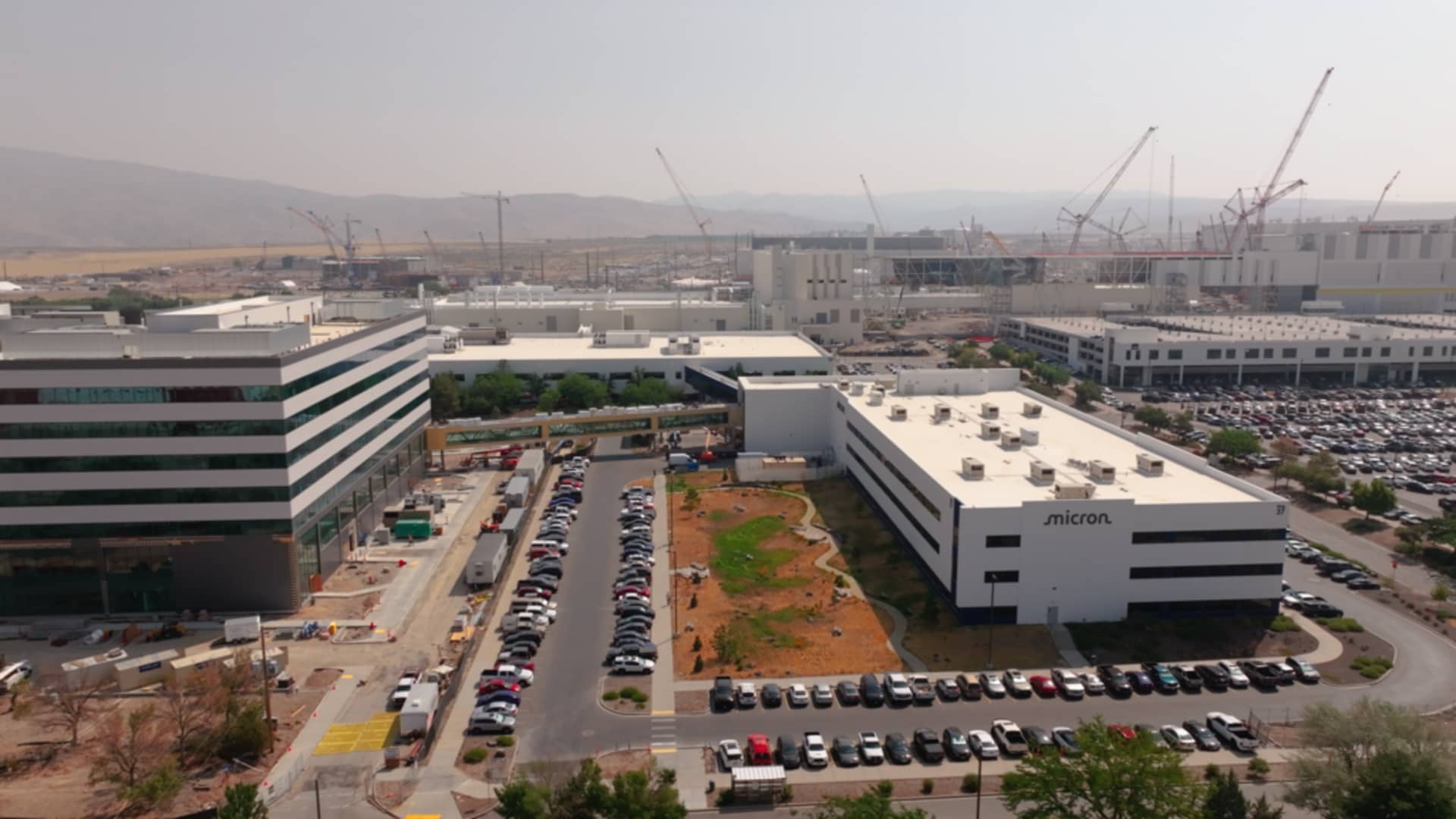
Micron Technology, once a quiet enterprise memory provider, has exploded onto the global stage, propelled by the insatiable demand for artificial intelligence. Its ambitious $50 billion expansion in Boise, Idaho, represents a critical pillar in its strategy to dominate the high-bandwidth memory (HBM) market and significantly bolster U.S. chip manufacturing capabilities. This monumental investment is not only minting millionaires among long-time employees but is fundamentally reshaping Boise’s economic and social landscape, presenting both unprecedented opportunities and significant challenges for the Mountain West city.
🚀 Tech Strategy & Market Disruptions
- AI-Driven Resurgence. Micron’s stock surged over tenfold since late 2024, shifting from a ‘boring’ tech company to a trillion-dollar market cap player, primarily due to AI’s demand for HBM.
- U.S. Manufacturing Priority. The Boise and Clay, NY fabs aim to produce 40% of Micron’s DRAM in the U.S. by 2035, supported by up to $6.2 billion in CHIPS Act funding, signaling a strategic shift to domestic production.
- Boise’s Economic Transformation. The $50 billion expansion is projected to create over 17,000 new jobs, driving significant construction, rising real estate costs, and a notable demographic shift in the once-sleepy Idaho city.
For decades, Dave Petso, a wealth manager in Boise, described Micron as a ‘terrible investment,’ a local enterprise tech company specializing in computer memory that quietly operated in its hometown since the 1980s. The artificial intelligence revolution, however, has fundamentally transformed this narrative. Micron’s AI Buildout has catalyzed an unprecedented surge, turning many of Petso’s long-term clients—Micron employees—into sudden millionaires, leading to complex wealth diversification discussions. The company’s market capitalization has surpassed $1 trillion, a stark contrast to its prior valuations, directly reflecting the burgeoning demand for high-performance memory crucial for AI workloads.
The core of this transformation lies in DRAM (dynamic random-access memory), which forms the foundation of high-bandwidth memory (HBM) — the critical component integrated into powerful AI processors. The escalating global demand for HBM has triggered a severe shortage and skyrocketing memory costs, impacting everything from data centers to consumer electronics like Apple’s MacBooks. Micron, alongside rivals SK Hynix and Samsung, is pouring billions into new fabrication plants globally to meet this urgent demand. While SK Hynix and Samsung focus on South Korea, Micron’s strategy includes major domestic investments.
Micron’s Boise campus, where the company began in a dental office basement nearly 50 years ago, is undergoing a profound metamorphosis. Two new chip manufacturing facilities are now under construction, projected to generate over 17,000 new jobs in the region, including 3,500 direct Micron hires, adding to its existing 7,000-strong workforce. This expansion extends beyond Micron itself, attracting satellite operations from key suppliers like Lam Research and cleanroom builder Exyte, along with an $800 million Meta data center planned nearby in Kuna, Idaho, set to create approximately 100 operational roles. This robust ecosystem growth is revitalizing U.S. chip manufacturing, which has been a strategic national priority given global supply chain vulnerabilities.
However, this rapid growth is not without friction. Boise residents are grappling with increasing traffic congestion on critical arteries like Interstate 84, alongside a sharp rise in living costs. Average rental prices in Boise have climbed 4.3% in the past year, contrasting with a national decline, according to Zillow. Similarly, Redfin data shows median home sale prices up 2.9% year-over-year as of June, outpacing the national average of 1.2%. This influx of new residents, many from states like California, is altering the city’s cultural fabric, raising concerns about affordability for long-term residents not directly benefiting from the Micron boom. For a broader perspective on current technology market trends and their macroeconomic implications, continuous analysis is essential.
- The CHIPS Act provides up to $6.2 billion in federal funding, bolstering Micron’s plan to produce 40% of its DRAM domestically by 2035, reducing reliance on overseas production.
- The stock’s journey has been volatile; after a more than tenfold increase, shares plunged 29% in July 2026—its worst month since 2002—though it recovered 14% in August. This volatility echoes past boom-and-bust cycles, particularly the dot-com bubble, prompting financial advisors like Petso and JT Belnap of Treasure Valley Financial Planning to counsel clients on diversifying their sudden wealth.
- Local businesses, from luxury jewelry boutiques like The Diamond Girls reporting a 60% sales increase, to real estate agents and mortgage brokers seeing a surge in cash home purchases from Micron contractors and employees, are directly experiencing the ripple effect of this new wealth. Micron’s chief people officer, April Arnzen, highlights that stock awards are central to their talent acquisition and retention strategy, with stock-based compensation doubling over three years to $954 million.
The explosive demand for High-Bandwidth Memory (HBM) driven by advanced AI models triggered a global DRAM shortage. This shortage compelled major memory manufacturers, including Micron, to accelerate massive capital investments into new fabrication facilities, such as the $50 billion Boise buildout. This direct investment in domestic manufacturing, significantly aided by U.S. CHIPS Act funding, not only creates tens of thousands of jobs and revitalizes regional economies but also fundamentally reshapes the global semiconductor supply chain by enhancing U.S. self-sufficiency and reducing geopolitical risks. Concurrently, the rapid economic expansion in regions like Boise leads to significant socio-economic disruption, including escalating housing costs and demographic shifts, which local governments and companies must actively address to ensure sustainable growth.
“The strategic imperative for Micron to invest $50 billion in its Boise facilities underscores a critical shift towards regionalizing critical supply chains. For a CTO, this buildout represents not just increased memory capacity but a tangible commitment to architectural resilience, ensuring that foundational AI compute elements are secured against geopolitical volatility and supply disruptions, thereby de-risking future innovation pipelines across industries.”
| Metric | Value | Source/Context |
|---|---|---|
| Total Boise Buildout Investment | $50 billion | Micron expansion plan |
| New Jobs Created (Area) | >17,000 | Micron facilities & ecosystem |
| New Micron Jobs (Direct) | 3,500 | Micron expansion, adding to 7,000 current |
| Micron Stock Increase (Since late 2024) | >10x | AI craze-driven surge |
| Boise Average Rental Price Change (Past Year) | +4.3% | Zillow data, compared to national drop |
| Boise Median Home Sale Price Change (Past Year) | +2.9% | Redfin data, as of June |
| Ada County Population Growth (Since 2020) | ~19% (~95,000 people) | Compass Idaho estimates |
| CHIPS Act Funding (Potential) | Up to $6.2 billion | Biden administration grant to Micron |
| Micron Total Investment Goal (by 2035) | $250 billion | Across U.S. facilities |
Micron’s Ecosystem Expansion Potential
The significant investment in Boise transcends the immediate factory buildout, positioning the region as a burgeoning hub for advanced semiconductor innovation and a critical node in the broader AI ecosystem. The development of front-end leading-edge memory manufacturing—a first for the U.S. at this scale—serves as a powerful magnet for ancillary industries. This includes specialized equipment manufacturers, chemical suppliers, logistics providers, and research institutions eager to collaborate on next-generation memory solutions. The presence of a major player like Micron, bolstered by federal incentives, fosters a concentrated talent pool and infrastructure that can attract further high-tech investment, creating a self-reinforcing cycle of growth. This strategic concentration could enable faster iteration cycles for chip design and production, reduce supply chain complexities, and catalyze an ‘Innovation Valley’ effect beyond the immediate impact zone. To understand the broader implications for digital transformation and obtain educational tech insights, it’s vital to track such regional developments.
Micron’s Market Adoption Challenges
Despite the current AI-driven boom, Micron operates in a historically cyclical industry prone to significant boom-and-bust periods, as evidenced by the 29% stock plunge in July 2026. The substantial capital expenditure required for leading-edge fabs, combined with intense competition from global giants like SK Hynix and Samsung, presents ongoing market adoption challenges. While HBM demand is robust, future shifts in AI architecture or alternative memory technologies could alter the market landscape. Moreover, the long lead times for fab construction mean Micron is betting heavily on sustained demand years into the future. Successfully navigating these cycles requires not only technological prowess but also agile market forecasting and diversified customer relationships to mitigate revenue volatility. This requires constant vigilance of emerging technologies and broader economic shifts, as discussed by experts on leading technology market trends.
Micron’s Boise Buildout: Navigating Growth and Local Impact
Micron’s $50 billion investment in Boise signifies a pivotal moment for both the company and the U.S. semiconductor industry, cementing its role in the global AI race while profoundly transforming its hometown. The economic ripple effects are undeniable, bringing unprecedented prosperity but also pressing challenges related to infrastructure, housing, and social equity.
- The shift towards domestic HBM production is strategically vital for national security and supply chain resilience, reinforced by CHIPS Act funding.
- While the AI-driven stock surge has created immense wealth, the historical volatility of the memory market necessitates prudent financial planning and diversification for beneficiaries.
- Boise’s growth into a vibrant tech hub requires careful urban planning and community investment to address rising costs and preserve local identity amidst rapid demographic change.
How will Micron balance its ambitious global manufacturing goals with the sustainable development of its revitalized home base?
📊 StockXpo Analyst’s View
Market Impact: The substantial capital allocation by Micron, particularly for domestic HBM production, sends a strong signal regarding the enduring demand for AI infrastructure. This move is likely to bolster investor confidence in the long-term growth trajectory of memory companies, potentially stabilizing sector valuations after recent volatility, as reported by outlets such as Reuters technology news. It also highlights the strategic importance of geographical diversification in semiconductor manufacturing, influencing global investment patterns and potentially attracting more capital into allied sectors.
Sector To Watch: The Semiconductor Equipment and Materials sector will see sustained tailwinds as companies like Lam Research directly benefit from these massive fab buildouts. Additionally, the U.S. construction and infrastructure sectors tied to industrial development will experience significant demand. Investors should also monitor regional real estate markets and local service economies, as they become bellwethers for the broader socio-economic impacts of such large-scale technological expansions. For deeper insights into emerging technologies, visit StockXpo’s technology insights.
Financial Disclaimer:
StockXpo.com is a financial news aggregator and educational portal, not a registered investment advisor or broker-dealer. All information, news, and analysis provided herein are strictly for educational purposes and do not constitute investment, financial, legal, or tax advice. Investing in the stock market involves high risks, and past performance is not indicative of future results. StockXpo will not be liable for any financial losses or investment damages. Always consult a certified financial advisor before making market decisions.
MORE IN INSIDE TECHNOLOGY

Apple’s AI Strategy: Innovation, Disruption, and Market Positioning Amidst White House Summit
Published: Thursday, October 1, 2026 · 12:09 AM

AI Job Application Breakthrough: Skills Over Resumes Emerge
Published: Wednesday, September 30, 2026 · 3:04 AM