Published: Tuesday, August 4, 2026 · 12:20 PM | Updated: Tuesday, August 4, 2026 · 12:20 PM
📊 105 views




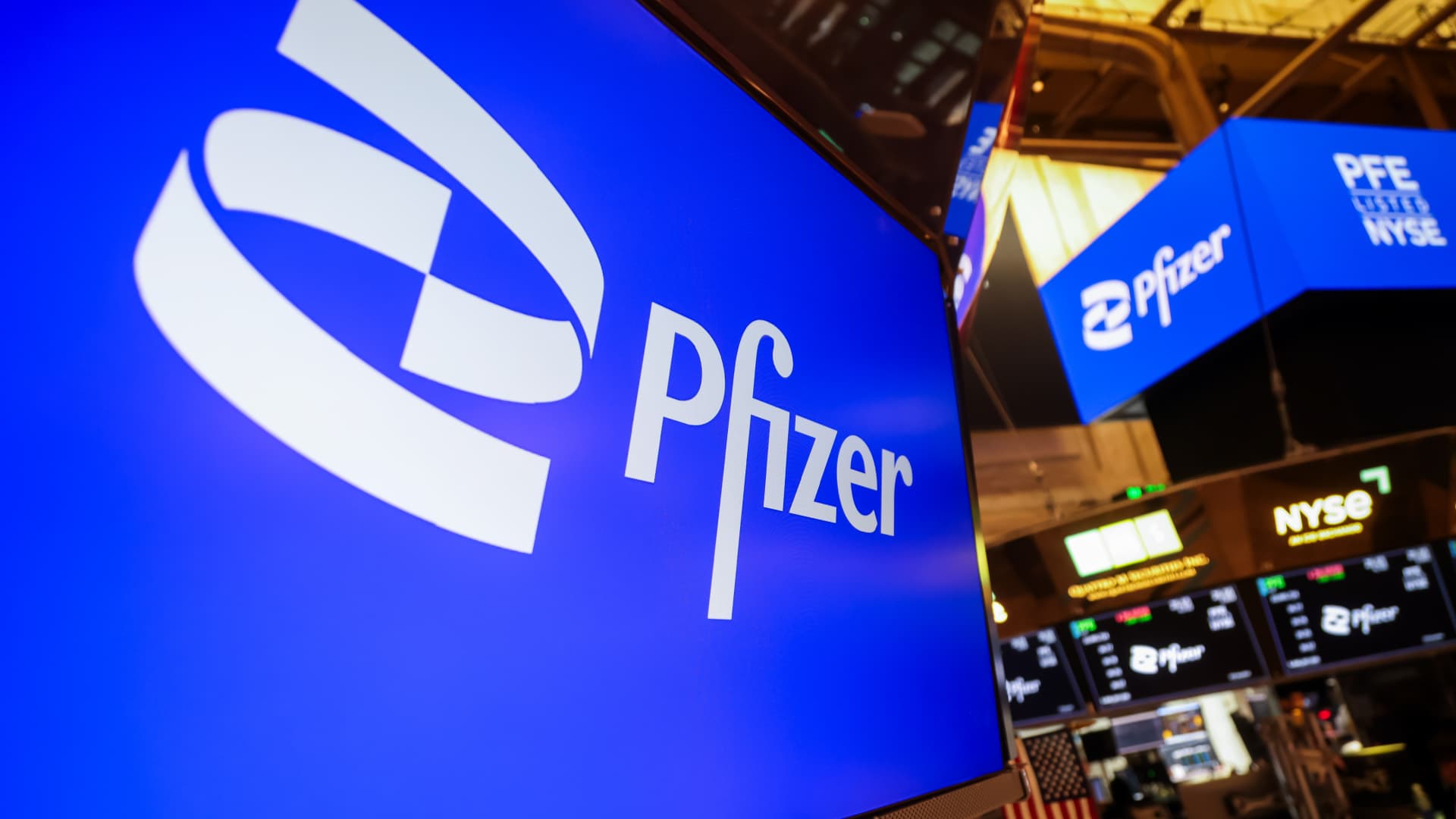
Pharmaceutical giant Pfizer (PFE) reported stronger-than-expected second-quarter results, prompting an upward revision to the lower end of its full-year revenue guidance. This positive shift, driven largely by robust performance in non-Covid product lines like Eliquis, underscores a strategic pivot towards sustainable core business growth amidst declining pandemic-related sales.
💎 Strategic Investment & Portfolio Insights
- Core Product Strength. Strong performance from Eliquis and Padcev signals diversification beyond pandemic-era products, reducing reliance on volatile Covid-19 vaccine and treatment sales.
- Cost Optimization Driving Efficiency. Multiple cost-cutting initiatives targeting billions in savings by 2029 are set to bolster future profitability and operational leverage.
- Strategic Pipeline Expansion. The Metsera acquisition and upcoming GLP-1 data releases position Pfizer for long-term growth in high-demand therapeutic areas, crucial for a long-term investment strategy.
Pfizer’s recent earnings report painted a clearer picture of its post-pandemic strategy, with the company beating Wall Street expectations on both adjusted earnings per share (EPS) and revenue for the second quarter. The pharmaceutical behemoth posted adjusted EPS of 77 cents against an anticipated 68 cents, on revenue of $15.03 billion, surpassing the $14.41 billion consensus. This outperformance was largely attributed to a significant $1.5 billion increase in sales from its non-Covid product portfolio, mitigating the expected decline in demand for its Covid-19 vaccine and antiviral pill, Paxlovid, for which revenue expectations were lowered by $1 billion to $4 billion.
Key drivers of this robust growth include the blood thinner Eliquis, which saw sales surge 19% to $2.43 billion, far exceeding analyst forecasts. The targeted cancer drug Padcev also contributed meaningfully, demonstrating the strength and diversification of Pfizer’s established and newer drug franchises. Despite a reported net loss of $248 million for the period, primarily due to restructuring and intangible asset charges, the underlying operational performance highlighted by adjusted EPS provides a more optimistic outlook.
Beyond product performance, Pfizer is actively pursuing aggressive cost-cutting measures, with a multi-year initiative targeting approximately $1.5 billion in savings by 2029, focusing on product portfolio enhancements, network structure changes, and operational efficiencies. This follows an earlier phase aiming for $1.5 billion in savings by the end of 2027. An additional $1 billion in savings from a separate program is also expected between 2027 and 2029, building on $5.7 billion already achieved by year-end. These efforts are crucial for maintaining profitability as the company navigates patent cliffs and the diminishing returns from its Covid-related windfall.
Looking ahead, investors are keenly focused on Pfizer’s longer-term pipeline investments, notably the $10 billion acquisition of obesity biotech Metsera. Upcoming data releases, particularly for its GLP-1 injection in combination with an amylin asset, represent potential significant growth catalysts. This strategic expansion into high-growth therapeutic areas is vital for securing future revenue streams and maintaining competitive relevance.
The improved outlook for Pfizer’s non-Covid portfolio suggests a shift in asset revaluation. Initially, PFE faced downward pressure due to anticipated declines in pandemic-related revenues. However, stronger core drug sales are now prompting an upward re-evaluation of its intrinsic value, potentially stabilizing its earnings multiple. For diversified portfolios, this signals a potential rebalancing opportunity: a shift from highly growth-dependent biotech plays to more established pharmaceutical names exhibiting resilient core business strength and active cost management, contributing to long-term capital preservation.
“Pfizer’s strategic pivot towards strengthening its core drug franchises and aggressive cost containment initiatives is a clear signal to the market. For institutional investors, this enhances the stock’s defensive characteristics while offering potential alpha through pipeline execution in high-growth areas like obesity and oncology. It’s a compelling case for re-evaluating long-term allocations in the healthcare sector,” noted StockXpo’s Chief Investment Officer.
Understanding Pfizer’s recent financial performance requires a closer look at key metrics:
| Metric | Q2 2026 Reported | Wall Street Estimate | Significance |
|---|---|---|---|
| Adjusted EPS | $0.77 | $0.68 | Beating estimates by a substantial margin underscores operational efficiency and core business strength. |
| Total Revenue | $15.03 billion | $14.41 billion | Outperforming revenue expectations signals healthy demand for key products beyond Covid. |
| Eliquis Sales | $2.43 billion (+19%) | $2.08 billion | Exceptional growth in a mature product highlights successful market penetration and pricing power. |
| 2026 Full-Year Revenue Guidance (low end) | $60.5 billion | Previously $59.5 billion | Upward revision indicates management’s confidence in sustained non-Covid product momentum. |
Pfizer Competitive Benchmarking: Navigating Pharma Headwinds
In the fiercely competitive pharmaceutical sector, Pfizer’s performance is often benchmarked against rivals like Johnson & Johnson, Merck, and Novartis. While these peers also contend with patent expirations and pipeline pressures, Pfizer’s recent emphasis on cost efficiencies and strategic acquisitions, particularly in high-growth areas like obesity with Metsera, positions it uniquely. Competitors are also investing heavily in R&D, but Pfizer’s ability to swiftly pivot from its Covid-driven revenue peak to bolstering its core drug portfolio demonstrates agile strategic execution. The challenge remains to convert pipeline potential into market-leading products consistently, especially in areas where competitors are also vying for dominance in the rapidly evolving pharmaceutical landscape.
Pfizer Risk-Reward Matrix: A Balanced Perspective
For investors, the risk-reward profile for Pfizer presents a nuanced picture. The reward potential lies in its robust pipeline, particularly the GLP-1 and amylin assets, which could unlock substantial new revenue streams if clinical trials are successful. Furthermore, aggressive cost-cutting initiatives promise improved margins and shareholder returns over the long term. However, risks include the inherent uncertainty of drug development, potential regulatory hurdles, and intense competition in emerging therapeutic areas. The ongoing decline in Covid-related product sales also necessitates flawless execution on new product launches to offset this significant revenue gap. The $10 billion Metsera acquisition, while promising, also carries integration and pipeline risk, typical for large biotech deals.
Pfizer’s Strategic Resurgence: What We See Ahead
Pfizer’s second-quarter results are a significant step in its post-pandemic journey, reinforcing the company’s commitment to core product growth and operational discipline. The market’s focus will now squarely be on pipeline execution and the continued unwinding of its Covid product dependency.
- The strong performance of established drugs like Eliquis provides a stable foundation, indicating robust market demand for essential therapies.
- Aggressive cost-cutting measures are crucial for margin expansion and navigating future patent cliffs, underpinning long-term financial health.
- The strategic acquisition of Metsera and upcoming clinical data releases are vital for unlocking new growth vectors and reaffirming Pfizer’s innovative capabilities.
Can Pfizer’s renewed focus on diversification and efficiency pave the way for sustained alpha generation in a rapidly evolving pharmaceutical landscape?
📊 StockXpo Analyst’s View
Market Impact: Pfizer’s stronger-than-expected quarter could inject a dose of cautious optimism into the broader pharmaceutical sector, particularly for large-cap players demonstrating resilience and effective portfolio management. It suggests that while pandemic-era windfalls are receding, core innovation and operational rigor can still drive value. We may see a flight to quality within pharma, favoring companies with diversified revenue streams and clear cost-efficiency roadmaps, which could impact overall market analysis and investor sentiment. For more educational market insights, visit StockXpo.com.
Sector To Watch: The sustained strength in blood thinners and oncology, coupled with significant investments in obesity drugs, points to these as critical growth areas. Biotech firms specializing in GLP-1 analogues and related metabolic disorder treatments could see increased M&A interest or valuation bumps, as large pharma seeks to secure future growth through innovative pipelines.
Financial Disclaimer:
StockXpo.com is a financial news aggregator and educational portal, not a registered investment advisor or broker-dealer. All information, news, and analysis provided herein are strictly for educational purposes and do not constitute investment, financial, legal, or tax advice. Investing in the stock market involves high risks, and past performance is not indicative of future results. StockXpo will not be liable for any financial losses or investment damages. Always consult a certified financial advisor before making market decisions.
MORE IN INSIDE INVESTMENT NEWS

Third-Quarter Earnings Season: Alpha Opportunities Emerge as S&P 500 Profits Boom
Published: Wednesday, October 7, 2026 · 3:18 PM
Wells Fargo Upgrade: A Clear Path to Higher Returns and Alpha
Published: Monday, October 5, 2026 · 2:21 PM