Published: Tuesday, August 4, 2026 · 2:28 PM | Updated: Tuesday, August 4, 2026 · 2:28 PM
📊 93 views





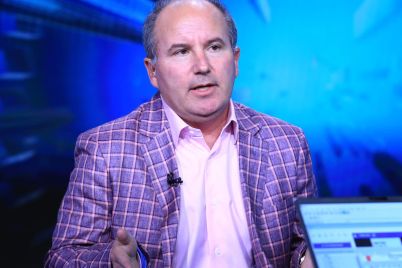
Philadelphia Federal Reserve President Anna Paulson expressed confidence in the current 3.5%-3.75% federal funds rate, affirming her view that it is sufficiently restrictive to guide inflation towards the central bank’s 2% target. Her remarks come amidst an ongoing debate among Fed officials regarding the adequacy of current monetary policy.
💰 Financial Strategy & Market Insights
- Fed’s Stance Confirmed. Paulson strongly supports maintaining the current interest rates, signaling a stable monetary policy outlook for the near term, aligning with the majority FOMC vote.
- Inflationary Watch. While underlying inflation is estimated at 2.4%-2.8%, core inflation at 3.3% means the Fed will need to see sustained progress before considering any rate adjustments.
- Open-Minded Approach. Despite her current conviction, Paulson remains open to recalibrating policy if inflation does not consistently move lower, introducing a conditional flexibility in future decisions.
Philadelphia Fed President Anna Paulson declared her satisfaction with the current level of interest rates, echoing the sentiment of the majority Federal Open Market Committee (FOMC) members who voted to hold the benchmark borrowing rate steady at 3.5%-3.75% last week. In her inaugural interview with CNBC, Paulson underscored the necessity of a ‘mildly restrictive’ policy to steer underlying inflation back to the Fed’s 2% objective within an acceptable timeframe. This stance, however, contrasts with dissenting FOMC voters who question whether the existing rate framework exerts enough pressure to curb persistent inflation.
The core inflation rate, a key metric for the Fed, stood at 3.3% in June, as reported by the Commerce Department, significantly higher than Paulson’s personal estimate of 2.4%-2.8% for underlying inflation, which excludes volatile components like energy and tariffs. This disparity highlights the ongoing internal debate within the central bank regarding the actual restrictive impact of current policy. Paulson emphasized her focus on observing tangible progress in bringing down these figures. Without such movement, she indicated a willingness to adjust monetary policy, reflecting a pragmatic, data-dependent approach.
- Paulson’s conviction in the current rates suggests a prevailing belief within the Fed’s majority that previous hikes are still working their way through the economy, influencing market behavior and investment decisions. This patient approach is designed to avoid over-tightening while still asserting control over inflation, a balance critical for maintaining market stability and facilitating long-term economic growth according to financial strategists covering broader market analysis.
Paulson also noted that considering changes to FOMC meeting frequency, an idea floated by Chairman Kevin Warsh, could be a healthy discussion. This potential operational shift, though not directly impacting rate policy, indicates a broader reevaluation of the central bank’s functioning as it navigates complex economic currents. Investors keen on understanding monetary policy direction often look for these subtle signals, which can indicate future liquidity conditions and asset valuation trends, as seen in comprehensive financial sector reports.
- Upside:
- Inflation Control: If current rates prove sufficiently restrictive, inflation could trend downward, stabilizing purchasing power and boosting consumer confidence.
- Economic Stability: A ‘mildly restrictive’ policy that avoids over-tightening could lead to a soft landing, preventing a significant recession while curbing price pressures.
- Market Clarity: A consistent Fed stance, as expressed by Paulson, provides clearer guidance for capital allocation, potentially reducing market volatility and encouraging strategic investments.
- Downside Risks:
- Persistent Inflation: If core inflation remains sticky above the 2% target, the Fed may be forced into more aggressive hikes, triggering an economic slowdown or recession.
- Policy Ineffectiveness: Underestimating the restrictiveness needed could lead to prolonged high inflation, eroding asset values and investor returns, especially in fixed-income markets.
- Credibility Gap: A perceived lack of responsiveness to inflation data could undermine public and market trust in the Fed’s commitment to its mandate, impacting long-term capital shifts.
From a risk management perspective, the Fed’s ‘mildly restrictive’ policy aims to thread a needle: cool the economy without causing a severe contraction. This approach, while cautious, demands precise calibration. A key technical term here is the ‘neutral rate of interest,’ which is the theoretical rate that neither stimulates nor slows economic growth. Paulson’s conviction that current rates are restrictive implies she believes they are above this neutral rate, thereby applying the necessary brakes on inflation without stalling growth. This delicate balance profoundly impacts asset valuation, as higher or lower perceived future rates directly influence discount rates for future cash flows.
| Metric | Value/Status | Source/Context |
|---|---|---|
| Current Federal Funds Rate Target | 3.5% – 3.75% | FOMC Vote (9-3 majority) |
| June Core Inflation Rate (PCE) | 3.3% | Commerce Department |
| Paulson’s Underlying Inflation Estimate | 2.4% – 2.8% | CNBC Interview Statement |
Monetary Policy Liquidity Analysis: Decoding the Fed’s Patience
The Federal Reserve’s current monetary policy, characterized by stable interest rates, has profound implications for market liquidity. When rates are held steady, the cost of borrowing for financial institutions and corporations stabilizes, which can lead to more predictable lending and investment patterns. This contributes to general market liquidity, preventing abrupt shifts in capital availability. However, the ‘mildly restrictive’ nature of policy means that while money isn’t getting more expensive, it’s not getting cheaper either, maintaining a certain level of constraint on excess liquidity. This delicate balance is crucial for asset managers to consider when formulating their strategies, particularly in sectors highly sensitive to borrowing costs, such as real estate and high-growth technology firms. The central bank’s posture aims to drain inflationary pressures without seizing up the flow of capital, thereby impacting the overall investment trends observed across asset classes.
Interest Rate Market Sentiment Tracker: What Investors Are Watching
Market sentiment surrounding interest rates is a dynamic force, constantly reacting to Fed communications and economic data. Paulson’s confident, yet open-minded, stance on the current federal funds rate is likely to stabilize short-term rate expectations. However, investors will be closely tracking upcoming inflation reports and labor market data for any signs that might challenge this narrative. A sustained decline in core inflation would reinforce the Fed’s current position, potentially leading to a more dovish outlook later in the year. Conversely, an unexpected uptick could quickly shift sentiment towards anticipating further tightening. Key indicators for monitoring this sentiment include treasury yield movements, particularly the 2-year and 10-year spreads, and implied volatility in interest rate futures, which serve as real-time gauges of market participants’ views on future rate trajectories and broader investment trends observed across asset classes.
Current Interest Rates: The Inflationary Tightrope Walk Continues
The Fed’s decision to maintain current interest rates reflects a cautious optimism that existing policy is sufficient to combat inflation, even as core figures remain elevated. Paulson’s conviction underscores a prevalent belief within the FOMC that patience is paramount.
- The Fed is betting on the lagged effects of past rate hikes to bring inflation down to its 2% target.
- Future policy recalibration is contingent on tangible, sustained progress in inflation data.
- Investors should prepare for continued data dependency, which could introduce volatility if inflation surprises.
Will the mild restrictiveness of current policy prove sufficient, or will the Fed be compelled to tighten further to avoid entrenching inflationary expectations?
📊 StockXpo Analyst’s View
Market Impact: Paulson’s comments reinforce a stable, albeit cautious, monetary policy outlook, likely providing near-term relief to equity markets by quelling immediate rate hike fears. However, the explicit condition of ‘seeing progress’ on inflation means bond yields could remain sensitive to economic data, reflecting persistent uncertainty about the long-term path of rates. This creates a challenging environment for long-duration assets.
Sector To Watch: Given the persistent inflationary backdrop and the Fed’s commitment, the financial services sector, particularly banks, may see sustained interest given higher net interest margins. Conversely, growth-oriented technology stocks, often sensitive to higher discount rates and capital costs, could face headwinds if inflation proves stickier than Paulson anticipates, necessitating future policy adjustments.
Financial Disclaimer:
StockXpo.com is a financial news aggregator and educational portal, not a registered investment advisor or broker-dealer. All information, news, and analysis provided herein are strictly for educational purposes and do not constitute investment, financial, legal, or tax advice. Investing in the stock market involves high risks, and past performance is not indicative of future results. StockXpo will not be liable for any financial losses or investment damages. Always consult a certified financial advisor before making market decisions.
MORE IN INSIDE FINANCE

Fed Rate Hike Looms: What Fed Minutes Signal for Asset Valuation Shifts
Published: Wednesday, October 7, 2026 · 2:47 PM

Diesel Prices: Goldman Sachs Predicts Sustained Highs Through 2027 Amid Refinery Volatility
Published: Tuesday, October 6, 2026 · 6:03 AM